


China's May Fuel Oil Exports Rise 42% Year-on-year

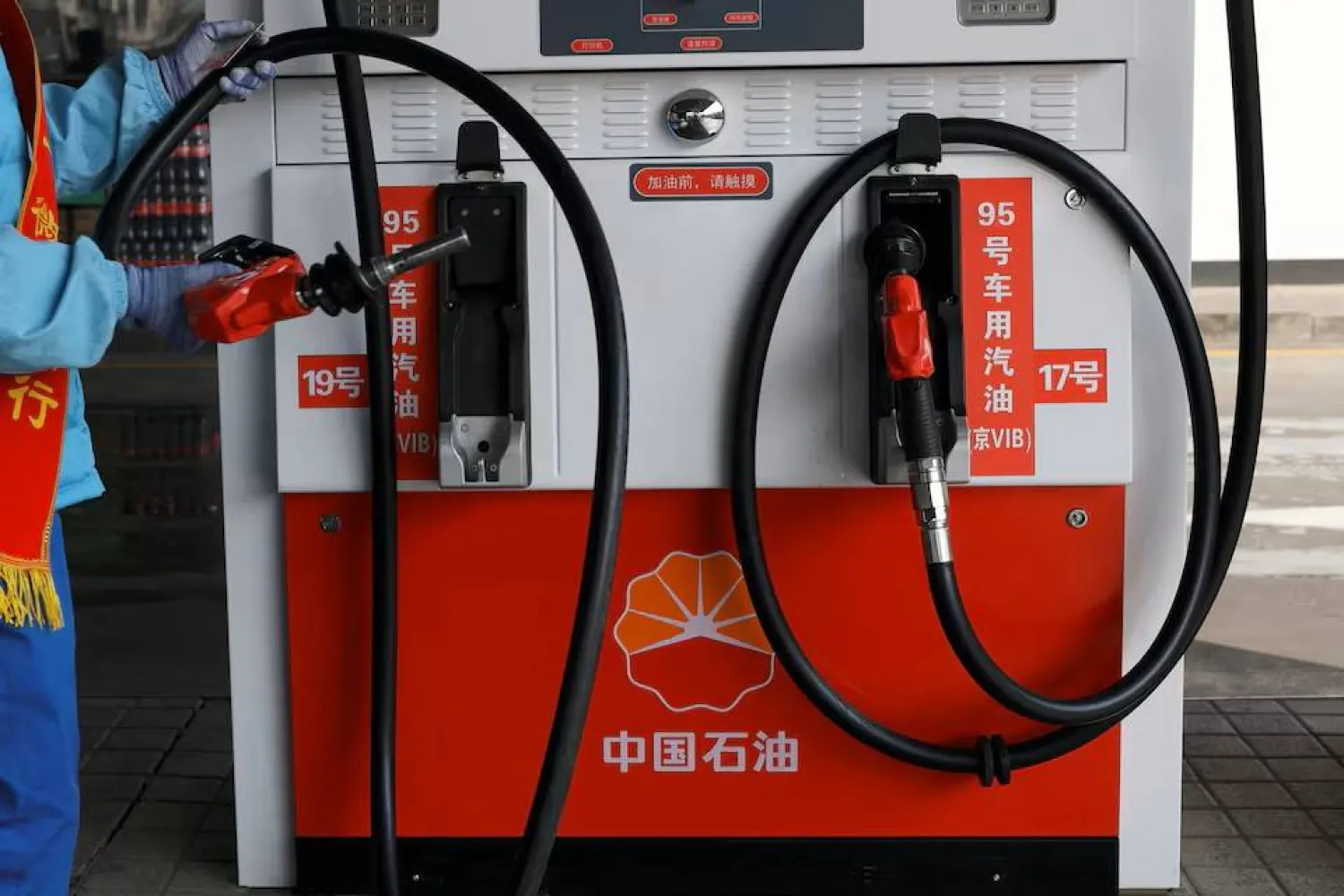
An attendant holds a petrol nozzle after refuelling a car at a PetroChina gas station in Beijing, China, March 10, 2026. REUTERS/Florence Lo
TT

China's May Fuel Oil Exports Rise 42% Year-on-year

An attendant holds a petrol nozzle after refuelling a car at a PetroChina gas station in Beijing, China, March 10, 2026. REUTERS/Florence Lo

China's exports of fuel oil, mainly for low-sulphur marine fuel bunkering, rose 42% year-on-year in May, customs data showed on Saturday.

Volumes totaled 1.76 million metric tons, or about 360,695 barrels per day (bpd), up 4% from April, according to General Administration of Customs data.

Some marine fuel demand had been diverted from regional hub Singapore to China's Zhoushan due to cheaper prices at Chinese ports during most of ⁠May, market sources ⁠said.

Fuel oil imports in May extended declines after plummeting last month to what was then the lowest level since customs data for them began in 2021.

Imports of fuel oil totaled 559,346 tons ⁠in May, down 43% from April and 57% from a year earlier.

The imports, mostly purchased by refineries for use as feedstock, remained capped this quarter as China's independent refineries trimmed runs amid weak domestic demand for products, market sources said, according to Reuters.



IMF Says Lebanon Economic Activity to Contract Sharply in 2026 as Conflict Weighs

FILE PHOTO: A view of the International Monetary Fund logo at its headquarters in Washington, D.C., US, November 24, 2024. REUTERS/Benoit Tessier/File Photo
TT

IMF Says Lebanon Economic Activity to Contract Sharply in 2026 as Conflict Weighs

FILE PHOTO: A view of the International Monetary Fund logo at its headquarters in Washington, D.C., US, November 24, 2024. REUTERS/Benoit Tessier/File Photo

The International Monetary Fund said on Friday that Lebanon's economic activity is expected to contract significantly in 2026 ‌as the ‌conflict in ‌the ⁠Middle East and broader ⁠regional security tensions continue to damage economic activity, infrastructure ⁠and living conditions, Reuters reported.

The ‌IMF ‌said inflation ‌remained in ‌the double digits and the country's current account deficit ‌had widened, largely due to higher ⁠energy ⁠costs, while infrastructure damage, internal displacement, and deteriorating living standards had added to economic pressures.


Oil Prices Fall on Easing Fears Over Saudi Supply Disruption

FILE PHOTO: Vessels near the Strait of Hormuz, as seen from Musandam, Oman, September 2, 2026. REUTERS/Stringer/File Photo
TT

Oil Prices Fall on Easing Fears Over Saudi Supply Disruption

FILE PHOTO: Vessels near the Strait of Hormuz, as seen from Musandam, Oman, September 2, 2026. REUTERS/Stringer/File Photo

Oil prices fell 2% on Friday, extending losses for a third straight session as easing concerns over Saudi supply disruptions outweighed anxiety about a widening of conflict across the Middle East.

Brent crude futures fell by $2.14, or 2%, to $102.68 a barrel by 0806 GMT. US West Texas Intermediate futures fell $1.83, or 1.8%, to $100.08, Reuters reported.

Benchmark Brent prices are on track for their first weekly loss in three.

Prices climbed to close to four-month highs earlier in the week after sources said crude loadings ⁠at Saudi Arabia's Red Sea export hub of Yanbu had been suspended and Riyadh cancelled some deliveries to Europe after its East-West pipeline was damaged in an attack last week.

However, prices have cooled since on reports that Saudi Arabia was seeking to restore about half the capacity of its East-West oil pipeline within days.

Saudi Arabia has sold about 60 million barrels of crude from its Gulf port of Ras Tanura inside the Strait of Hormuz for loading via ship-to-ship transfer at the Omani port of Sohar this month and next, multiple trade sources said on Friday.

The rebound in Saudi Aramco's exports from inside the Gulf to between 1 million to 1.5 million barrels per day on average, similar to or slightly higher than August's levels, has cooled global oil prices as it could make up for some of the ⁠volume lost at its port of Yanbu.

Chinese and South Korean refiners are among the top buyers of the spot supplies, while some volumes will be going to India and Japan, said the sources, who spoke on condition of anonymity.

"Recent efforts ‌to restore Saudi export capacity have reduced some of the immediate supply ‌anxiety," said Priyanka Sachdeva, head of market insights at Phillip Nova.


ECB's Lagarde Keeps Door Open to Early Exit

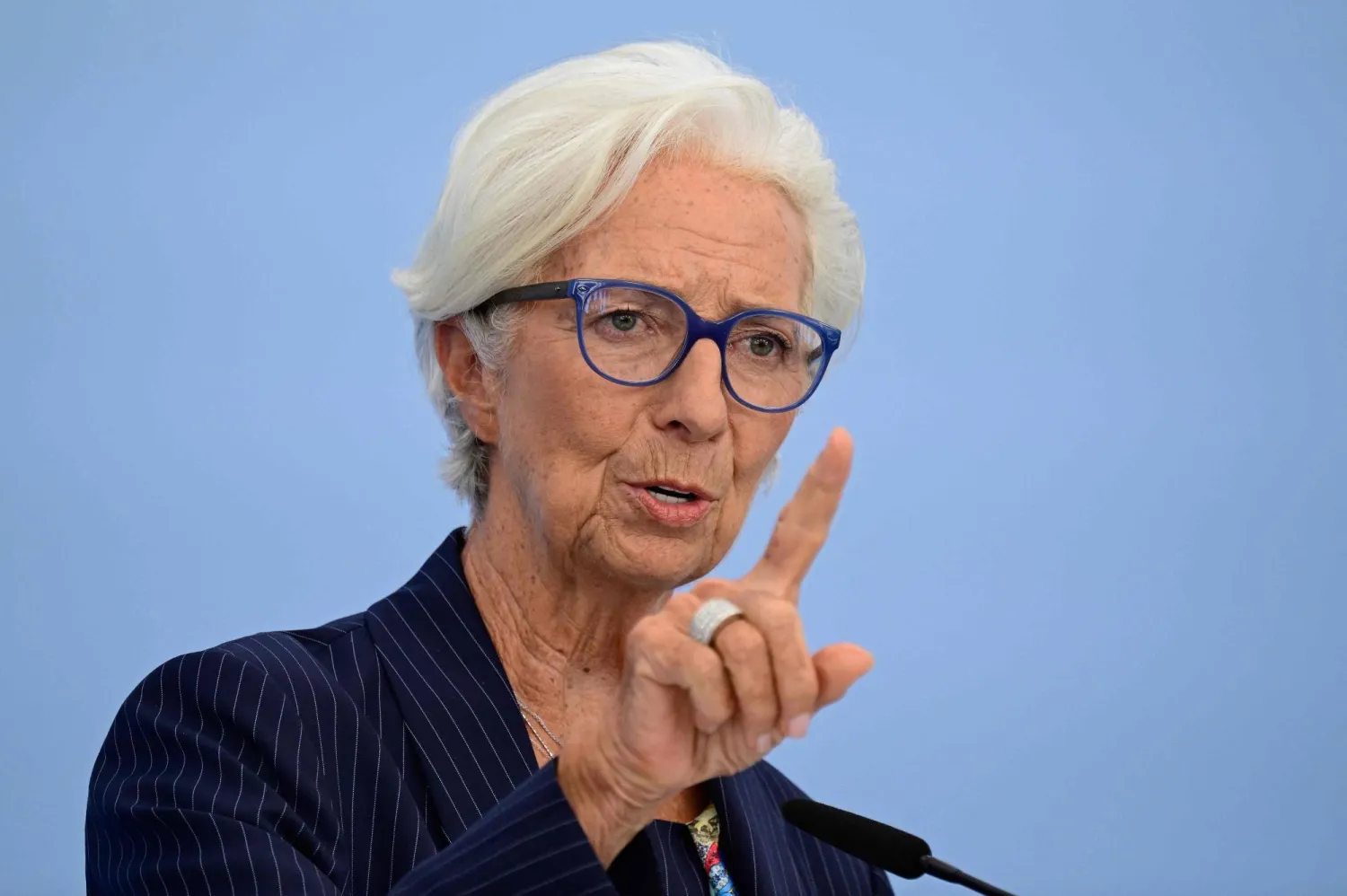
European Central Bank (ECB) President Christine Lagarde addresses a press conference after a meeting of the Governing Council of the European Central Bank (ECB) in Berlin on September 10, 2026. (Photo by John MACDOUGALL / AFP)
TT

ECB's Lagarde Keeps Door Open to Early Exit

European Central Bank (ECB) President Christine Lagarde addresses a press conference after a meeting of the Governing Council of the European Central Bank (ECB) in Berlin on September 10, 2026. (Photo by John MACDOUGALL / AFP)

European Central Bank President Christine Lagarde on Friday kept the door open to leaving her post early, replying "we'll see" when asked if she would remain in the position until her term ends ‌in October 2027.

"I ‌leave in ‌2027," ⁠Lagarde told Irish ⁠national broadcaster RTE in response to a question on rumors of her early resignation that have persisted for most ⁠of this year.

When asked ‌if ‌that meant October 2027, ‌Lagarde replied: "We'll see."

"What I ‌can tell you at this point is that whatever the time, it will be ‌handled in the most professional way as ⁠it should ⁠be," she added.

Sources told Reuters this week that France would back Dutchman Klaas Knot to succeed Lagarde as part of a bargain in which a French candidate would be picked for chief economist.