



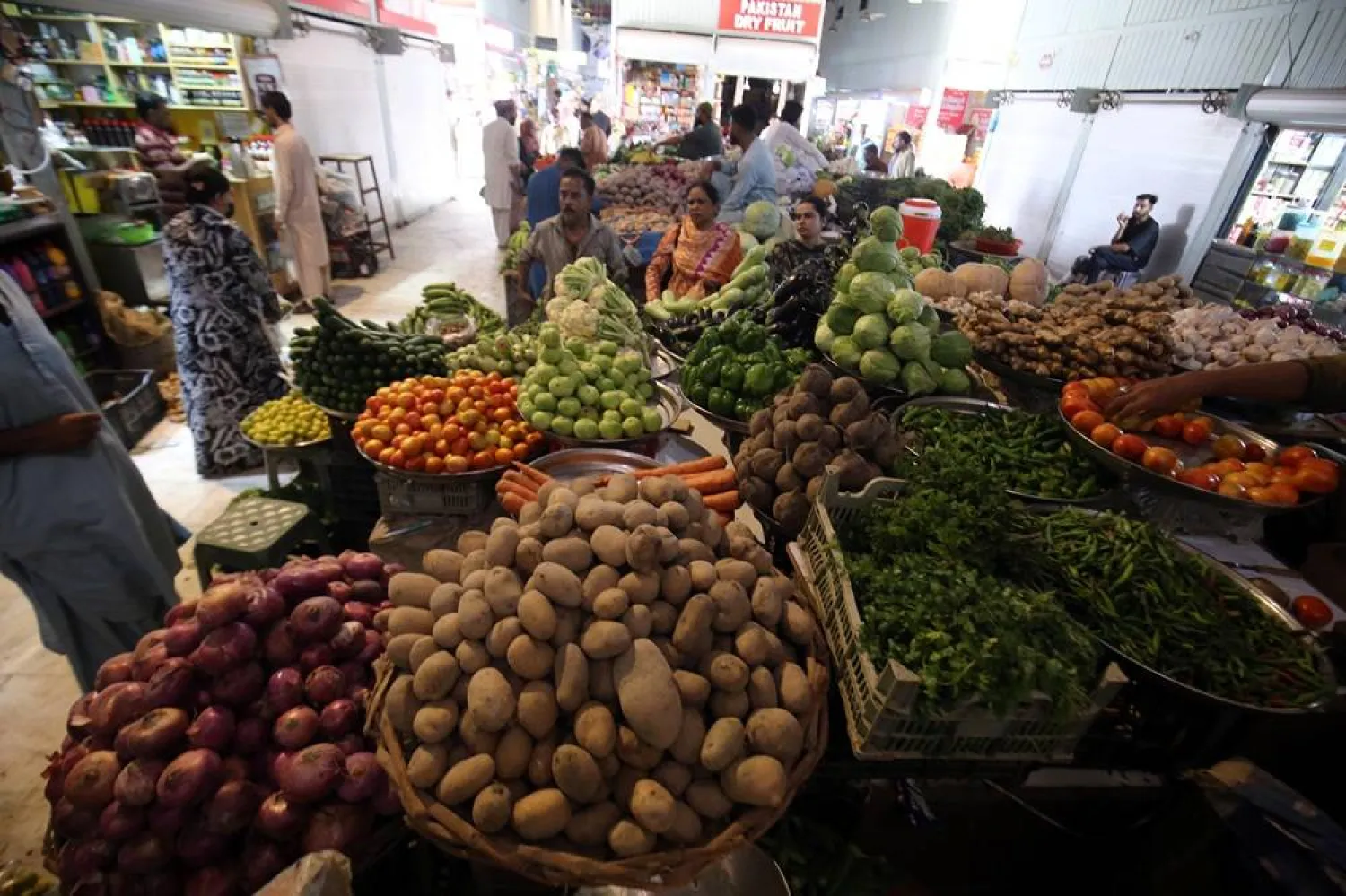

World food prices edged lower in June as declines in sugar, cereals and dairy outweighed increases in vegetable oils and meat, the United Nations' Food and Agriculture Organization said on Friday.
The FAO Food Price Index, which tracks monthly changes in a basket of internationally traded food commodities, averaged 130.3 points in June, down from 130.8 points in May.
The index had already fallen in May from a three-year high in April, when the Iran war led to a jump in vegetable oil prices.
The June reading was 1.7% higher than a year earlier but 18.7% below a record peak in March 2022 after Russia's full-scale invasion of Ukraine, the FAO said.
The cereal price index fell 3.5% from May. Wheat prices were pressured by rapid harvest progress and strong supply prospects in the Black Sea region, while maize slipped on ample South American supply prospects and weaker crude oil.
The FAO's rice index, however, rose 3.2%, supported by stronger Asian demand for Indica rice.
Sugar prices fell 5.7% as lower ethanol prices in Brazil encouraged mills to use more sugarcane to make sugar. But concerns over the potential impact of El Niño on production in India and Thailand curbed the overall decline.
Dairy prices declined 1.5%, pressured by increased supply.
On the upside, the FAO's meat index rose 0.4% from the prior month to set another record, led by poultry amid strong global demand.
Vegetable oil prices jumped 3.8%, driven by higher palm and rapeseed oil quotations, partly due to biodiesel demand.
In a separate report, the FAO forecast global cereal production in 2026 at 2.983 billion metric tons, little changed from its previous monthly estimate.
The estimate was 1.9% below the 2025 peak but would still be the second-largest on record.


