


Saudi Hospitality Boom: 50 Global Brands Race Ahead with $120 Billion in Investments

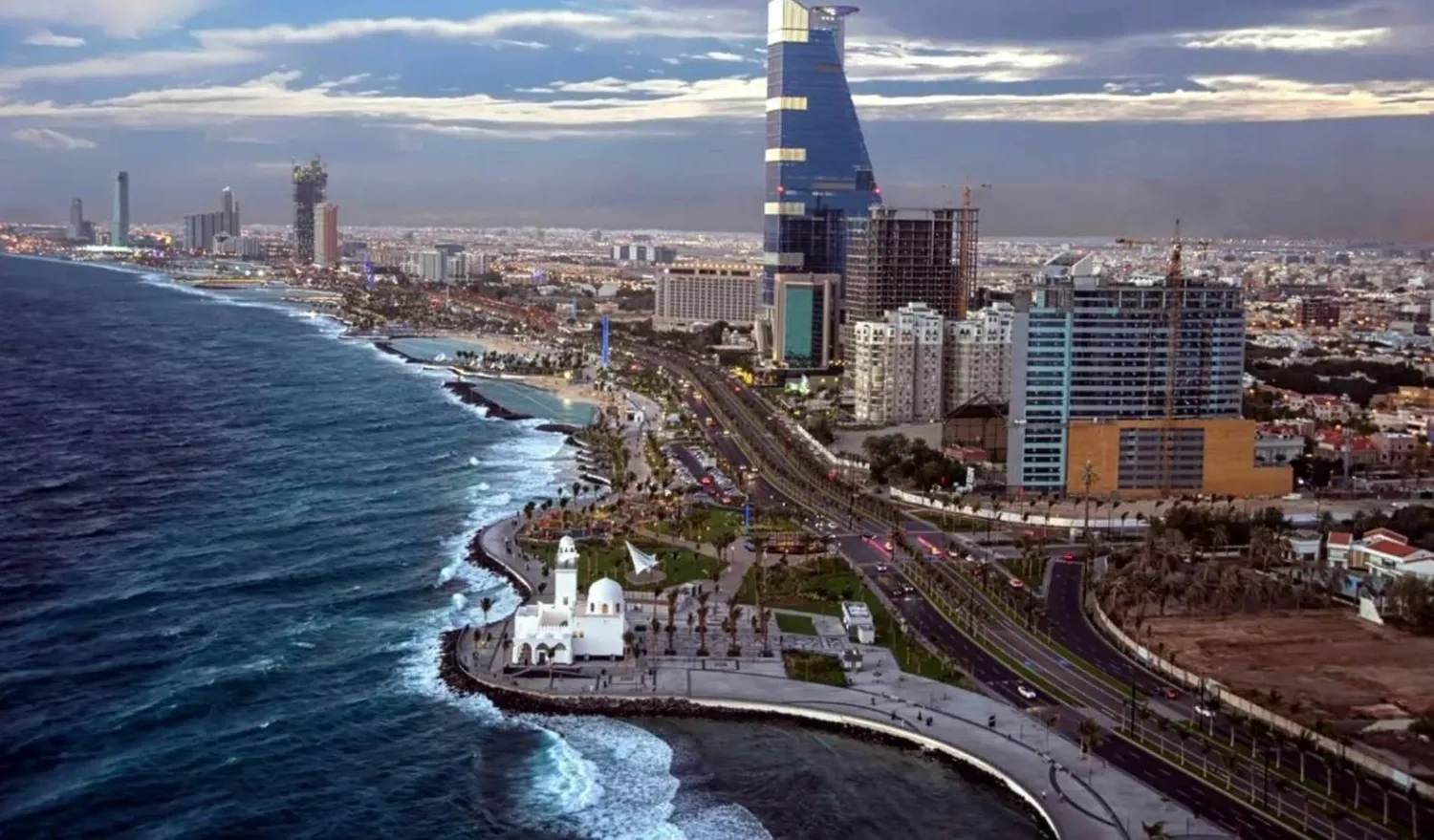
Jeddah Corniche stands out as one of the Kingdom's premier destinations for landmark tourism and hospitality developments (SPA).
TT

Saudi Hospitality Boom: 50 Global Brands Race Ahead with $120 Billion in Investments

Jeddah Corniche stands out as one of the Kingdom's premier destinations for landmark tourism and hospitality developments (SPA).

Saudi Arabia continues to cement its position as one of the fastest-growing hospitality markets in the region and the world, driven by the rapid expansion of mega tourism projects and emerging destinations. This momentum is prompting the world's leading hotel companies to accelerate their investments and launch unprecedented projects across the Kingdom.

During the first half of this year, Saudi Arabia's hospitality sector continued to attract major investments, with leading international hotel groups announcing new hotel openings and signing record expansion agreements across the Kingdom's cities and flagship developments.

This activity coincides with Saudi Arabia maintaining the largest hotel pipeline in the Middle East, driven by pioneering destinations such as NEOM, the Red Sea, Qiddiya, and Diriyah, alongside continued growth in Riyadh, Makkah, and Madinah.

An Asharq Al-Awsat review found strong alignment between the expansion plans of these hospitality brands and the objectives of Saudi Vision 2030. According to the latest Ministry of Tourism data, more than 50 global hospitality brands are expanding in the Kingdom through investments exceeding $120 billion, with plans to add more than 200,000 new hotel rooms. The private sector plays a pivotal role, contributing around 50 percent of these investments to meet growing demand and cater to the diverse preferences of travelers, from luxury hotels and coastal resorts to heritage and rural accommodations.

In this context, investors and tourism industry experts said the momentum reflects a qualitative transformation that is enhancing service standards and strengthening competitiveness, supported by an attractive investment environment and flexible regulatory frameworks that have successfully streamlined the investment journey for both foreign and domestic investors.

Global Investments

At the beginning of 2026, Marriott announced an agreement to add five new hotels in Jeddah, Makkah, and Madinah, providing more than 2,700 rooms.

Sofitel, the French luxury hospitality brand owned by Accor, also announced the official opening of the Sofitel Riyadh Hotel & Convention Center.

Knowledge Economic City also announced a DoubleTree by Hilton hotel, the first property within the city's master plan. Designed to offer a new level of comfort and connectivity in Madinah, the project comes as Red Sea Global recently officially opened the SLS Red Sea Resort on Shura Island, marking the brand's first property in the Kingdom. The resort features 150 luxury accommodations, including guestrooms, suites, and private pool villas, in addition to a full-service spa, a cinema, and a range of vibrant leisure facilities.

Meanwhile, Saudi-based Blacksand and Marriott International signed an agreement to develop 10 new hotels across the Kingdom, adding more than 1,300 hotel rooms over the next four years. The deal reflects the strong momentum in Saudi Arabia's hospitality and tourism sectors in line with the objectives of Saudi Vision 2030.

In April, the King Abdullah Financial District Development and Management Company (KAFD DMC), the entity responsible for managing and operating the district, opened W Riyadh – KAFD, marking the debut of the W Hotels brand in Saudi Arabia.

In the latest of these developments, The Ascott Limited recently announced plans to open Ascott Villas Riyadh in the fourth quarter of 2026. The project will be the company's first villa community in the Kingdom and will comprise 86 villas in Riyadh's Hittin district.

The announcement also reflects The Ascott Limited's broader expansion strategy, as the company seeks to strengthen its presence in the Saudi market as part of its plan to reach 15,000 units across the Kingdom by 2030, capitalizing on the continued growth of the tourism and business sectors in Riyadh and other major cities.

Reflecting the growing appeal of the Saudi market to leading international investors, Dar Global announced a strategic partnership with The Trump Organization to develop Trump International Tower Jeddah. The landmark luxury project, which will feature a five-star hotel and high-end branded residences, underscores the transformation of the Red Sea coastline into a magnet for some of the world's most prestigious hospitality and luxury brands.
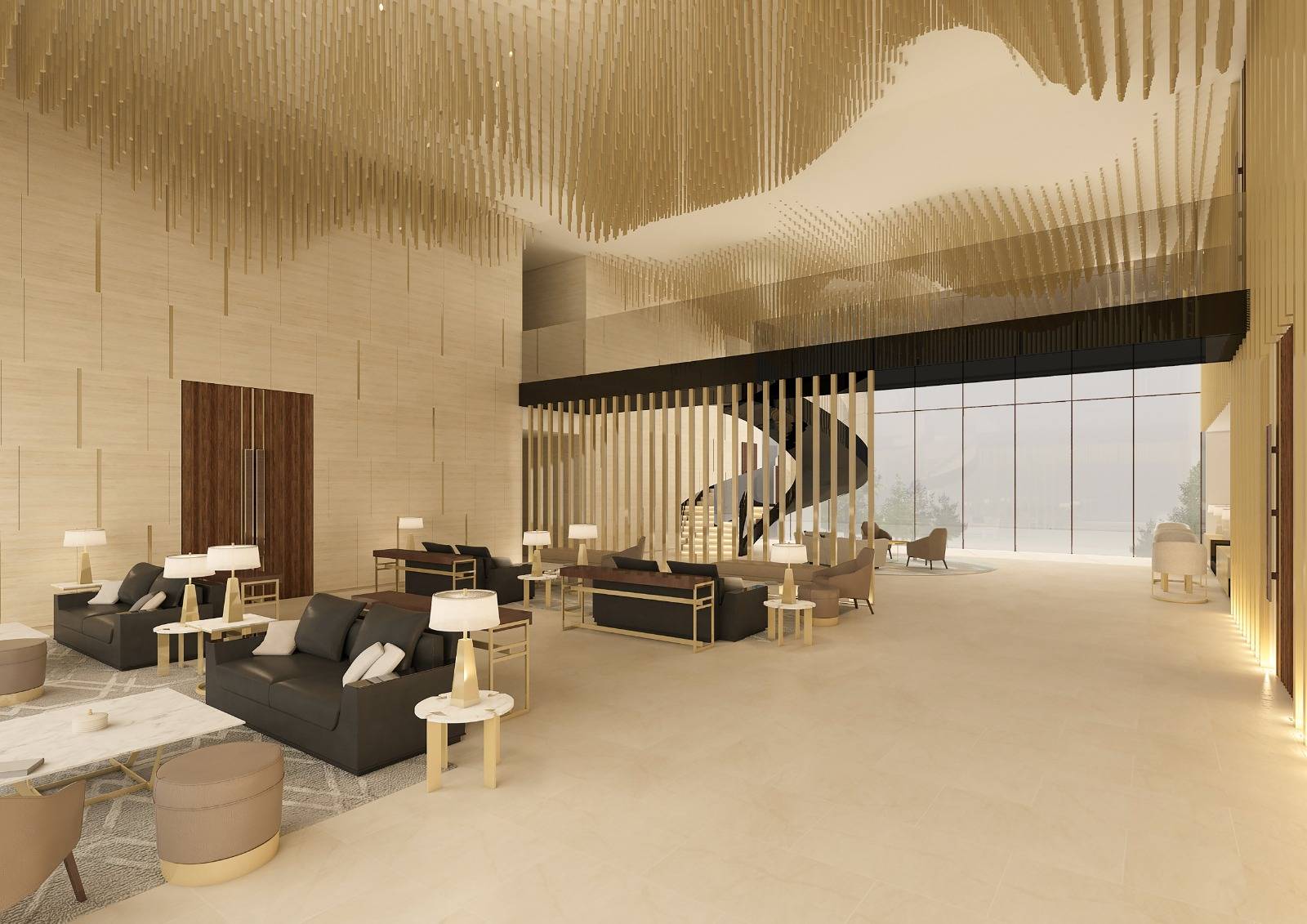
A rendering of the new Ascott Villas Riyadh project (Asharq Al-Awsat).

Investor Confidence

Majed Al Hokair, a businessman and investor in the tourism and entertainment sector, told Asharq Al-Awsat that the Kingdom's growing success in attracting global hotel brands reflects a qualitative transformation in its tourism sector.

"The focus is no longer simply on increasing the number of hotels. It is now about building an integrated tourism ecosystem that caters to a wide range of visitor segments," he said.

Al Hokair said the entry and expansion of prestigious international brands in cities such as Riyadh, Jeddah, Makkah, and Madinah reflects investors' confidence in the future of the Saudi market. It also enhances service quality and raises the level of competition, ultimately improving the visitor experience.

He added that tourists' preferences have evolved in recent years, and the Kingdom is increasingly able to meet those changing expectations through a diverse portfolio of hospitality offerings, including luxury hotels, boutique hotels, resorts, rural accommodations, and heritage accommodations, all distinguished by high standards of quality.

National Talent

For his part, tourism investor Nasser Abdulaziz Al Ghaylan told Asharq Al-Awsat that the continued momentum in the entry and expansion of global hotel brands will position Saudi Arabia among the region's leading tourism and investment destinations in the years ahead, particularly with the rollout of major developments such as NEOM, the Red Sea, Qiddiya, and Diriyah, alongside the objectives of Saudi Vision 2030.

Al Ghaylan said the long-term success of these investments will depend on continued investment in developing Saudi talent, enhancing the visitor experience, and providing a diverse and sustainable range of tourism offerings, ensuring balanced growth that further strengthens the Kingdom's position on the global tourism map.

The Ministry of Tourism recently released a report titled Global Investments in Saudi Tourism to coincide with its participation in the Future Hospitality Summit, held in Riyadh from June 22 to 24. The report highlighted the growing interest among international investors in entering the Saudi tourism market and expanding their presence in the Kingdom.
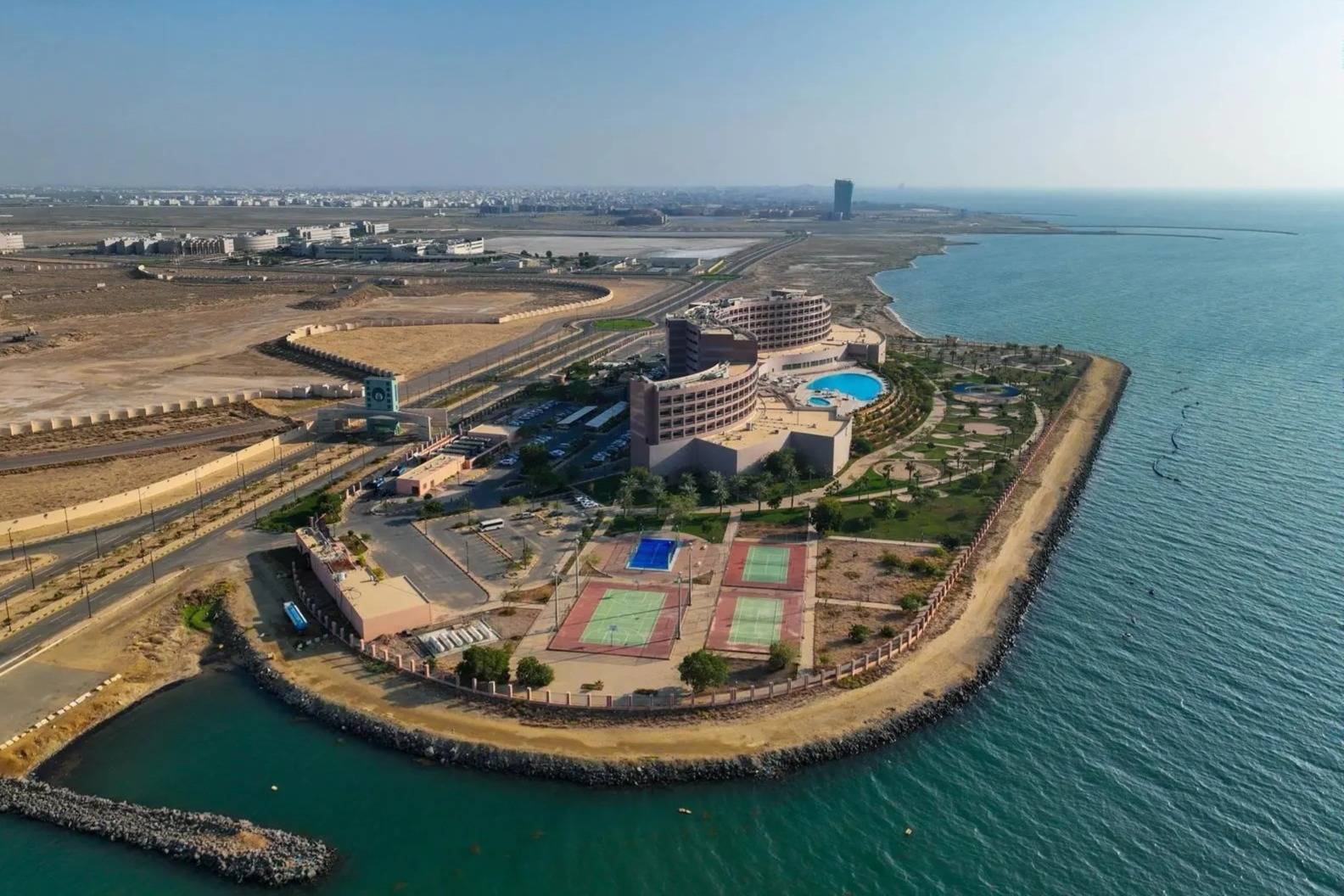
Mövenpick Resort Al Khobar enhances the appeal of tourism destinations along the Eastern Province's coastline (SPA).

The report notes that more than 50 global hospitality brands are expanding across the Kingdom, supported by growing tourism demand and a comprehensive investment environment that has positioned Saudi Arabia as the Middle East's largest tourism market in terms of tourism development projects.

It highlights key indicators reflecting the sector's accelerating momentum, including investments exceeding $120 billion and the addition of more than 200,000 new hotel rooms by 2030, with around 50 percent of those projects expected to be financed by the private sector.

The report also highlights the investment environment underpinning the sector's growth, pointing to significant improvements in the tourism sector's regulatory framework, streamlined licensing procedures, investment incentives, digital services, and business centers that help shorten the investor journey, enhance clarity around regulatory requirements, and facilitate access to the relevant government entities.



'Handful' of G20 Countries Reject US Stance on Excess Industrial Capacity

US Trade Representative Jamison Greer speaks on the second day of the G20 Trade Ministerial Meeting in Milwaukee, Wisconsin - October 1 (AFP)
TT

'Handful' of G20 Countries Reject US Stance on Excess Industrial Capacity

US Trade Representative Jamison Greer speaks on the second day of the G20 Trade Ministerial Meeting in Milwaukee, Wisconsin - October 1 (AFP)

A "handful" of Group of 20 trade ministers rejected US calls to curb excess industrial capacity and "non-market" policies, the US Trade Representative's office said on Friday, exposing divisions within the group of major economies.

The US, this year's G20 chair, issued the statement a day after a trade meeting in Milwaukee that revealed that only two countries — Mexico and Argentina — signed on to a US-led statement calling for more work and cooperation to eliminate goods produced with forced labor from supply chains, Reuters reported.

The rejection from the vast majority of G20 countries follows the Trump administration's imposition of ‌tariffs of 10% or ‌12.5% on goods from 59 countries and the European Union over allegations ‌that ⁠they fail to ⁠adequately enforce bans on forced labor.

USTR also is conducting a second "Section 301" tariff investigation into 16 trading partners that show signs of excess industrial capacity. The probe is widely expected to lead to new duties in coming months.

The USTR statement did not name countries that objected to the excess-capacity statement. But China had objected to a similar G20 statement denouncing forced labor and non-market economic policies that lead to excessive exports at a finance leaders' meeting a month ago in North Carolina.

"The draft ministerial statement was supported by all but a handful ⁠of members, a few of whom firmly rejected creating this pathway toward cooperative ‌action" on excess capacity, the statement said, adding that this "severely ‌disappointed" the US G20 presidency.

China's excess industrial capacity and industrial subsidies have been key themes of the US-led G20 ministerial ‌meetings so far this year. Beijing has rejected claims that its industrial policies have created excess capacity, ‌accusing Western countries of using the issue to justify protectionist measures.

The US said that G20 trade ministers reached consensus on denouncing the weaponization of food trade, with members agreeing that trade in food or agricultural inputs should not be used as a tool for economic or political coercion.

In that G20 joint statement, the ministers defined the weaponization of ‌food as measures to "slow, stop, block or direct the flow of food and agricultural inputs" to exert coercive pressure to extract unrelated geopolitical concessions.

"We ⁠condemn food weaponization, as ⁠it poses a significant humanitarian and economic threat," the G20 trade ministers said.

After pressure from US President Donald Trump that included the threat of a US diesel export ban, Group of Seven countries on Friday agreed to release some 100 million barrels of diesel reserves to try to drive down record-high US diesel prices. The fuel is widely used in agricultural production.

TARIFF STRUCTURE DISCUSSIONS

US Trade Representative Jamieson Greer said on Thursday that he did not seek a joint statement on a fourth discussion topic, reforming the "most favored nation" system of published, unconditional global tariff rates that underpin the World Trade Organization. MFN tariffs have defined the global trading system since the end of World War Two.

Greer has argued that the MFN principle has been abused by non-market-oriented economies such as China that have subsidized industries, but it does not allow these countries to be treated differently.

The US statement said some G20 members had expressed a willingness to consider changes to MFN, including expanding exceptions to the principle and issuing new legal interpretations to enable greater use of existing exceptions.


DOJ Will Not Reopen Criminal Probe into Fed's Powell

(FILES) US Federal Reserve Chair Jerome Powell speaks during a press conference following the Federal Open Market Committee meeting at the Federal Reserve Board Building in Washington, DC, on March 18, 2026. (Photo by Brendan SMIALOWSKI / AFP)
TT

DOJ Will Not Reopen Criminal Probe into Fed's Powell

(FILES) US Federal Reserve Chair Jerome Powell speaks during a press conference following the Federal Open Market Committee meeting at the Federal Reserve Board Building in Washington, DC, on March 18, 2026. (Photo by Brendan SMIALOWSKI / AFP)

The US Justice Department is not reopening a criminal probe into former Federal Reserve Chair Jerome Powell for cost overruns related to the central bank's building renovation project, a DOJ spokesperson said on Friday.

Attorney General Todd Blanche, in comments to Bloomberg News, which first reported the development, said he ‌has not ruled out ‌continuing to look into ‌the ⁠project's oversight and potentially ⁠take action if evidence of wrongdoing came to light.

The Fed's Inspector General on Wednesday said it found no grounds for a criminal referral or evidence of administrative misconduct tied to the project cost overruns, ⁠but its conclusion there was lax ‌oversight drew a ‌fresh call from President Donald Trump for Powell's ‌resignation. Powell has remained at the ‌Fed as a governor since stepping down as chair in May.

His successor Fed Chairman Kevin Warsh said on Thursday he would hire an independent ‌auditor to "verify accuracy and compliance" for all of the project's costs.

Blanche told ⁠Bloomberg ⁠News that if this new review finds any evidence of criminal wrongdoing, the Justice Department could investigate.

At his final press conference as Fed chief in April, Powell said he would not leave the Board "until this investigation is well and truly over, with transparency and finality."

A Fed spokesperson had no immediate comment on Blanche's statements.


Copper Crawls Higher on Softer Dollar and Supply Issues

FILE PHOTO: A coil of copper rod sits on the production line for copper flat wire at the Wellascent factory in Ganzhou, Jiangxi province, China, August 14, 2025. REUTERS/Florence Lo/File Photo
TT

Copper Crawls Higher on Softer Dollar and Supply Issues

FILE PHOTO: A coil of copper rod sits on the production line for copper flat wire at the Wellascent factory in Ganzhou, Jiangxi province, China, August 14, 2025. REUTERS/Florence Lo/File Photo

Copper prices edged higher on Friday, supported by a weaker dollar and supply issues, but gains were modest due to worries about high oil prices hitting demand.

Benchmark three-month copper on the London Metal Exchange rose 0.5% to $14,319 a metric ton in official open-outcry trading. That marked a decline of 2% since the end of last week.

"Metals have seen light turnover again so far this session with copper finding some support with a slightly softer dollar, but the broader tone remains cautious," Neil Welsh, head of metals at broker Britannia Global Markets, said in a note.

"High energy costs stemming from the ⁠ongoing US-Iran conflict and ⁠signs of industrial weakness in China have weighed on sentiment across the complex."

The dollar index hit its strongest in 17 months this week, but weakened on Friday, making commodities priced in the US currency cheaper for buyers using other currencies.

LME copper has gained 16% over the past six months, largely due to a large shift in ⁠inventories to the US attracted by the prospect of tariffs there, creating shortages elsewhere.

Stocks in warehouses monitored by the Shanghai Futures Exchange <CU-STX-SGH> have slumped by 79% over the past four months to 38,744 tons, their lowest since January 2024.

The SHFE was closed for China's National Day and will reopen on October 8.

The prospect of less output in the world's largest copper producer Chile has also underpinned the market, with data on Wednesday showing production fell 12.8% year-on-year in August.

Supervisors at Chile's Escondida copper mine, the world's largest, rejected a collective ⁠contract offer, ⁠paving the way for a potential strike and adding to supply fears.

"This adds to an overall slump in output, as the industry struggles to maintain aging infrastructure amid difficult operating conditions," Reuters quoted Daniel Hynes, senior commodity strategist at ANZ, as saying in a note.

Among other metals, LME aluminium dipped 0.1% in official activity to $3,121.50 a ton and nickel also shed 0.1% to $15,620.

Zinc rose 0.2% to $3,732.50, lead ticked 0.3% higher to $1,863 and tin was little changed at $54,350.