




Saudi Arabia is leading the Middle East in attracting artificial intelligence (AI) data center investment, thanks to its abundant energy resources, economic scale and long-term diversification strategy, according to Mehdi Paryavi, founder and CEO of the International Data Center Authority (IDCA).
In an interview with Asharq Al-Awsat, Paryavi said the Kingdom is expected to attract the largest share of regional data center investment, followed by the UAE.
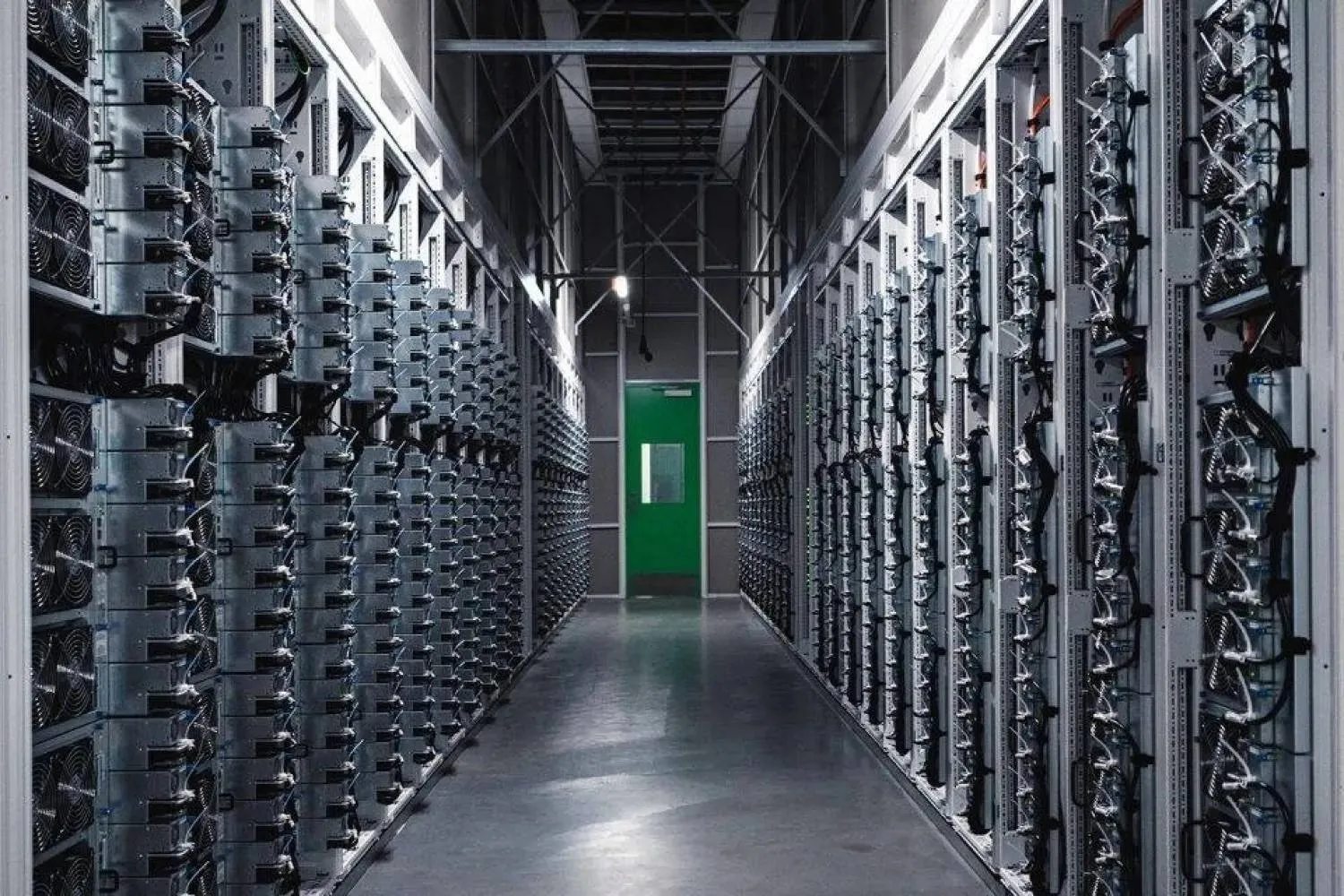
He described data centers as the backbone of the digital economy - “the refineries of the modern era” that process humanity’s most valuable resource: data.
Saudi Arabia, home to the world’s largest oil production facilities, is therefore well positioned to lead the next generation of AI data centers, he stated.
His remarks came shortly after the release of the IDCA’s 2026 Global Energy Report on July 15, which identifies the Middle East as one of the world’s biggest growth opportunities for AI data centers. While data centers account for about 2 percent of global electricity consumption, they represent just 0.5 percent of electricity use in the Middle East, leaving significant room for expansion.
Paryavi said Saudi Arabia and the UAE currently dominate the regional market, with data centers consuming about 440 megawatts and 340 megawatts of electricity, respectively. Together, they account for nearly 80 percent of the Middle East’s total data center electricity consumption of roughly 1 gigawatt.
However, competition is intensifying as Oman, Kuwait and Qatar pursue ambitious projects, while Syria and Iraq undergo major transformations.
He also highlighted Egypt’s national AI strategy, which aims for artificial intelligence to contribute 7.7 percent of GDP by 2030, Jordan’s digital transformation plans, and Iraq’s efforts to attract data center developers and investors.
Returning to Saudi Arabia, Paryavi said the Kingdom’s advantages include the region’s largest economy, political stability, a strategic location, a larger population than other Gulf Cooperation Council countries, a substantial sovereign wealth fund and a clear commitment to economic diversification.
Saudi Arabia, the region’s only G20 member, ranks 44th in the IDCA’s 2026 Global Digital Readiness Index and plans to develop AI data centers with a combined capacity of 6 gigawatts by 2034.
He distinguished between conventional small- and medium-sized data centers, which are expanding across the Gulf, and hyperscale facilities, where Saudi Arabia has emerged as the region’s leading contender.
He cited the Public Investment Fund’s HUMAIN initiative, along with operators including Center3, Mobily and DataVolt, as key drivers of the Kingdom’s ambitions.
He also highlighted Oman’s Oman Digital Triangle (ODT) project and the UAE’s Khazna Data Centers, whose entire portfolio was recently certified by the IDCA.
Paryavi said that the Middle East combines abundant, scalable energy, a strategic geographic location, financial strength and agile decision-making, giving it a competitive edge as energy shortages and grid constraints slow AI expansion in established markets such as the United States, Singapore, Germany and South Korea.
Energy - not chips or capital - is the biggest constraint on AI growth, followed by workforce availability and public policy, he added. Every AI model ultimately runs in a data center, and data centers require reliable electricity.
As power shortages increasingly limit AI expansion in both advanced and developing economies, the Middle East remains one of the few regions with the capacity to support the next generation of AI infrastructure, he stressed.
The IDCA’s 2026 Global Energy Report stated that AI is driving a profound shift in the data center industry. It projects that AI-powered data centers will increase their electricity consumption by 50 percent by 2025, placing unprecedented pressure on power grids worldwide and making access to energy the decisive factor in determining where future AI investment will flow.


