


GM Renews China Joint Venture with SAIC for 20 Years after Restructuring

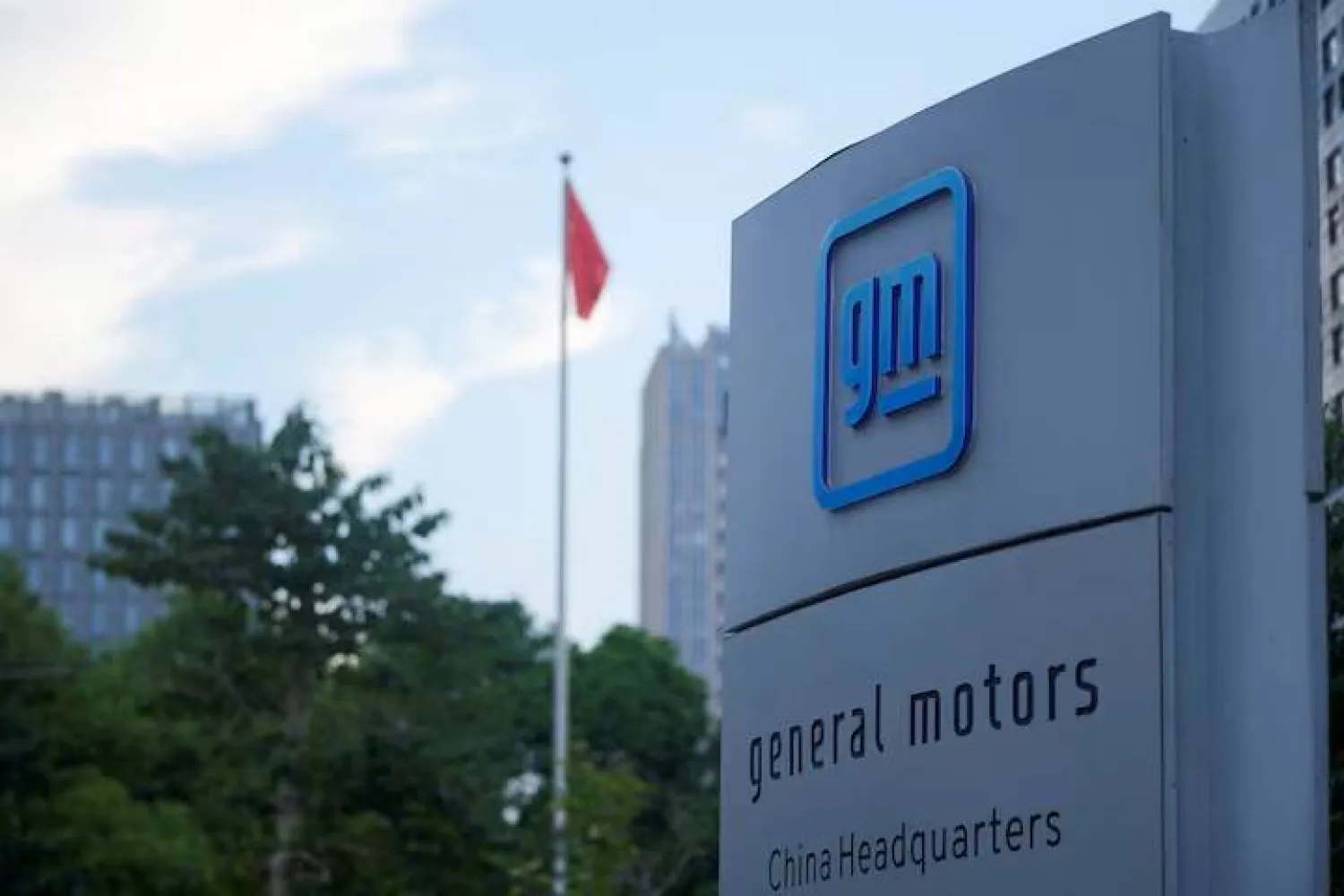
The GM logo is seen on the China Headquarters in Shanghai, China, August 29, 2022. REUTERS/Aly Song/File Photo
TT

GM Renews China Joint Venture with SAIC for 20 Years after Restructuring

The GM logo is seen on the China Headquarters in Shanghai, China, August 29, 2022. REUTERS/Aly Song/File Photo

General Motors said on Tuesday it had renewed its joint-venture agreement with China's SAIC Motor for 20 years after a lengthy restructuring in the Chinese market that included plant closures and the elimination of some models.

The extended 50-50 joint venture between the automakers will result in more vehicle-development work being done in the world's largest auto market to appeal to local tastes.

According to Reuters, GM said the company would focus on its Cadillac and Buick brands in China, where it would discontinue sales of its Chevrolet brand.

The terms also will allow GM to use China as an export hub to ship Buicks and Cadillacs to the Middle East, Africa, South America, Mexico and elsewhere in Asia, the ⁠Detroit automaker said.

The joint-venture ⁠renewal will allow "local innovation to be shared globally," Shanghai government-owned SAIC said in a statement.

GM was one of the first global automakers to enter China when it won a coveted partnership with SAIC in 1997 and grew to become one of the country's top-selling carmakers.

But like many global car companies, GM has seen its sales in China crater over the past decade, as domestic automakers have grown more sophisticated and the market has moved sharply to electric vehicles.

GM sold 1.9 million vehicles in China last year, down 51% from 2016. Its ⁠Chevy brand suffered as other lower-cost competitors took market share.

GM will continue to build Chevrolets and export them from China through a separate joint venture it has with SAIC and Wuling.

SAIC-GM, which has delivered more than 20 million vehicles over nearly three decades, will now compete with a portfolio of locally developed products, the company said.

The joint venture last year launched the Buick Electra sub-brand of electric and hybrid vehicles, which was developed in China.

The Electra E7 SUV had more than 10,000 sales in its first month on the market. It will be the first premium model that the joint-venture company will sell overseas, starting in October.

The joint-venture automaker has no plans to export to the United States, GM said. Tariffs and national security policies aimed at China-developed technology have kept Chinese automakers out of the US market.

SAIC-GM plans to launch ⁠at least 30 electric ⁠or hybrid vehicles by 2030.

GM in 2024 began restructuring its China business amid steep market-share losses. The automaker recorded two non-cash charges totaling more than $5 billion on its joint venture in China.

GM earlier this decade began losing money in China after having once logged around $2 billion in annual profits. Since the restructuring, GM has posted several consecutive quarters of profit, most recently notching $83 million in second-quarter income.

GM's renewal commitment to the China operation via the partnership with SAIC underscored the challenges for the US automaker to entirely wean itself from reliance on China for revenue, low-cost manufacturing and technology know-how even as geopolitical tensions persist.

GM had directed several thousand of its suppliers to scrub their supply chains of parts from China, reflecting concerns over potential geopolitical disruptions to its operations, Reuters reported in November.

The joint-venture renewal follows a trend among automakers, including Honda Motor Co and Volkswagen AG, to renew partnerships with Chinese firms despite their significant losses in market share and profits in China.



Algeria Begins Exporting First Jet Fuel Shipments to Niger

Sonatrach stated that delivering the jet fuel shipment to Niger reflects its efforts to enhance direct cooperation with African oil and gas companies (X)
TT

Algeria Begins Exporting First Jet Fuel Shipments to Niger

Sonatrach stated that delivering the jet fuel shipment to Niger reflects its efforts to enhance direct cooperation with African oil and gas companies (X)

Algeria’s Sonatrach has started delivering its first shipments of Jet A1 aviation fuel to Niger from Adrar refinery (RA1D), Sonatrach group announced on Saturday.

The move is part of implementing the sale and purchase agreement signed with Niger's national oil company "SONIDEP," it said in a statement.

Sonatrach stated that delivering the jet fuel shipment to Niger reflects its efforts to enhance direct cooperation with African oil and gas companies.

Sonatrach has launched drilling of an exploration well in Niger.

The start of operations was formalized on Thursday during a ceremony presided over by Algerian Prime Minister Sifi Ghrieb and his Nigerien counterpart, Ali Mahaman Lamine Zeine.

In June, Algeria delivered a 40-megawatt power plant to Niger to supply Niamey and its surrounding area.


Saudi Arabia Reshapes the Future of the Digital Economy Through Advanced Digital Infrastructure, Global Partnerships

File photo of the Saudi capital Riyadh - File/AAWSAT
TT

Saudi Arabia Reshapes the Future of the Digital Economy Through Advanced Digital Infrastructure, Global Partnerships

File photo of the Saudi capital Riyadh - File/AAWSAT

Saudi Arabia has leveraged its advanced digital infrastructure and partnerships with leading global technology companies to establish its position as a global hub for artificial intelligence investment, underpinned by competitive advantages that include reliable energy, vast land availability, and a strategic geographic location.

The Kingdom has made rapid strides in the data center sector, with capacity increasing from 68 MW in 2021 to more than 467 MW in the first quarter of 2026, supported by investments exceeding SAR56.2 billion in data centers and digital infrastructure. The sector has grown more than sixfold since the launch of Saudi Vision 2030, as part of a national data and AI strategy that contributes to economic diversification and strengthens the Kingdom’s readiness for the knowledge economy.

Saudi Arabia has further strengthened its position as a global destination for technology investment by attracting some of the world’s largest cloud service providers. The Kingdom hosts operations for Oracle, Alibaba Cloud, and Google Cloud, alongside an SAR11 billion strategic partnership between HUMAIN and Blackstone, reflecting growing global confidence in Saudi Arabia’s digital investment environment, SPA reported.

This investment appeal is underpinned by a comprehensive set of competitive advantages, including abundant energy resources, extensive land available for data center expansion, and a geographic location connecting Asia, Africa, and Europe, positioning the Kingdom second globally in data center market attractiveness.

Saudi Arabia’s leadership has extended to helping shape the future of the global digital economy. As one of the leading G20 countries in the communications and technology sector, the Kingdom led G20 consensus on a roadmap for defining and measuring the digital economy and the adoption of human-centered, trustworthy AI principles. It also contributed to transforming the Digital Economy Task Force into a permanent working group, reinforcing its role as an international partner in advancing digital policies and strengthening global cooperation in technology.

As part of its efforts to bridge the global digital divide, the Kingdom has led pioneering initiatives, including a 5G trial using High-Altitude Platform Systems (HAPS), which demonstrated the ability to cover nearly half a million square kilometers in remote areas. Saudi Arabia also conducted the first-of-its-kind trial integrating non-terrestrial networks (NTN) with terrestrial networks, offering a future solution for expanding connectivity and accelerating access for unconnected communities.

These achievements have been reflected in the Kingdom’s performance across international indicators. Saudi Arabia ranked first globally twice in the International Telecommunication Union’s (ITU) 2026 ICT Development Index, outperforming 159 countries, reflecting the strength of its integrated digital infrastructure, widespread connectivity, and high levels of digital adoption. The Kingdom also ranked second among G20 countries in the ITU’s ICT Regulatory Tracker and second among G20 countries in digital competitiveness according to the European Center for Digital Competitiveness, while digital infrastructure coverage reached approximately 99% of the Kingdom’s population.

Saudi Arabia has continued to strengthen its standing across global AI indices, ranking first in the Arab world and 14th globally in the Global AI Index. The Kingdom also ranked first globally in AI security, privacy, and encryption; first in women’s empowerment in AI; third globally in the development of advanced AI models; and third in the share of specialized AI talent, while recording the world’s highest growth rate in specialized talent. It also ranked fourth globally in attracting international talent.

The impact of this progress has extended to empowering people and improving quality of life. Saudi Arabia launched the world’s largest virtual hospital, leveraging artificial intelligence technologies to deliver advanced healthcare services. The Kingdom has also made significant strides in empowering women in the technology sector, with their participation rising from 7% to 35%, surpassing the averages of both the G20 and the European Union. This reflects the success of investing in human capital alongside investment in digital infrastructure.

Saudi Arabia’s readiness has also received recognition from independent international institutions. JLL, as reported by Bloomberg, expects Riyadh to lead the growth of AI-related data centers in the Middle East, further underscoring the Kingdom’s growing position as one of the world’s leading destinations for investment in artificial intelligence and digital infrastructure.


Saudi Arabia Moves to Strengthen Stability and Development in the Region

Saudi Arabia continues its initiatives to promote security and peace in the region... The Saudi flag is seen at a site in the city of Jazan (SPA).
TT

Saudi Arabia Moves to Strengthen Stability and Development in the Region

Saudi Arabia continues its initiatives to promote security and peace in the region... The Saudi flag is seen at a site in the city of Jazan (SPA).

At a time of growing uncertainty surrounding the global economy, amid the repercussions of the US-Iranian war, tensions related to the Strait of Hormuz, and risks facing shipping through several vital maritime routes, Saudi Arabia is intensifying its regional initiatives aimed at strengthening security and stability. The approach is based on a vision that links reducing geopolitical risks with creating the conditions necessary for growth, development, and attracting investment.

In this context, the "Makkah Agreement" between Saudi Arabia, Türkiye, and Pakistan stands out as one of the initiatives that specialists believe could contribute to strengthening regional stability and increasing confidence in the economic and investment environment in a region that occupies a pivotal position in global energy markets, trade, and supply chains.

Specialists who spoke to Asharq Al-Awsat said Saudi initiatives are part of a broader strategy aimed at building a more stable regional environment capable of withstanding shocks. They emphasized that strengthening security has a direct impact on the sustainability of energy supplies, the safety of shipping routes, and the movement of trade and investment, while also paving the way for broader economic integration and joint projects among countries in the region.

They also noted that the significance of Saudi initiatives extends beyond immediate security considerations to supporting development by reducing risk levels, strengthening investor confidence, and creating opportunities for new partnerships in energy, industry, technology, mining, logistics, and defense industries.

Stable Energy Supplies and Shipping

Fadl bin Saad Al-Bouainain, a member of the Shura Council, told Asharq Al-Awsat that the initiatives adopted by Saudi Arabia, foremost among them the "Makkah Agreement for Joint Defense" between Saudi Arabia, Pakistan, and Türkiye, could have an impact on the global economy, food security, and international trade, given the region's economic and strategic weight.

He added that the region exports nearly one-fifth of the world's oil needs, in addition to gas and agricultural nutrients, making its stability and security essential to ensuring the continuity of energy supplies and the safety of maritime shipping routes.

Al-Bouainain explained that Crown Prince Mohammed bin Salman places great importance on economic development as a foundation for the prosperity of peoples and states, with a focus on investment flows as one of the drivers of development, alongside strengthening the Kingdom's capabilities in the energy sector and maintaining its influential position within the global supply system.

He said Saudi efforts seek to achieve security and stability in the region in ways that positively affect both the Saudi economy and the economies of neighboring countries. Development, he noted, requires a stable foundation on which to build, while the defense agreement contributes to strengthening deterrence and reducing risks that could affect economic activity.

He pointed out that investors consider the stability of the investment environment a priority when making decisions. Accordingly, strengthening regional security and providing greater clarity over the economic outlook are factors that support the attractiveness of the Saudi market, given the diverse investment opportunities it offers.

According to Al-Bouainain, the "Makkah Agreement" sends reassuring messages to local and foreign investors and strengthens confidence in the sustainability of energy supplies and the protection of critical infrastructure. This could, in turn, affect the pace of projects, investment flows, and trade.

He stressed that Saudi Arabia is relying on "Vision 2030" and its development programs, which require substantial investment, making greater economic certainty and reduced geopolitical uncertainty important factors in supporting capital flows and project implementation.

He added that strengthening the regional security system could encourage investors to seize opportunities and participate in development projects, with the positive effects extending to the economies of the region as a whole, not just Saudi Arabia.

Al-Bouainain noted that the signing of the agreement after years of negotiations reflects the depth of relations between Saudi Arabia, Türkiye, and Pakistan and opens the way for a broader phase of cooperation, supporting efforts to establish security, stability, and prosperity.

He said the initiatives led by the Saudi Crown Prince have helped strengthen the role of diplomacy and political dialogue in addressing regional crises, alongside efforts to unify responses to challenges. This supports security and stability and provides a stronger foundation for economic and development programs.

Economic Integration Takes Shape

Saudi businessman Abdullah bin Zaid Al-Mulaihi, CEO of Saudi technology holding company Al-Tamayoz, said Saudi Arabia continues to work to strengthen confidence in both the domestic and regional economies. He noted that the "Makkah Agreement" is among the initiatives that could enhance the Kingdom's regional and international standing and open the way for a new phase of economic cooperation and integration.

Al-Mulaihi told Asharq Al-Awsat that Saudi steps to strengthen security and stability have a direct impact on the economic and investment environment. He said Saudi-Turkish-Pakistani rapprochement provides a foundation for developing joint political, economic, defense, and human cooperation.

He added that the Kingdom has established itself as an influential political and economic power by building strategic partnerships aimed at achieving shared interests and supporting regional security and stability.

Al-Mulaihi believes that Saudi Arabia's strategy of strengthening stability and building long-term partnerships helps create a more attractive environment for investment and opens opportunities for the private sector in industry, technology, energy, mining, logistics, defense industries, and trade.

He noted that Saudi Arabia has a large economy, a strategic geographic location, and ambitious transformation programs under "Vision 2030."

He said political and security rapprochement could develop into broader economic partnerships benefiting investors and business leaders, particularly through joint projects, knowledge and technology transfer, localization of industries, and increased trade.

Al-Mulaihi emphasized that the economy, development, and citizens are the direct beneficiaries of regional stability. He noted that the Kingdom's political strength and balanced partnerships give the private sector greater confidence and strengthen its ability to attract capital, technologies, and international partnerships.

He concluded that Saudi Arabia is pursuing a vision that combines protecting its interests, strengthening its security, and building the economy of the future. He considered the "Makkah Agreement" a factor that strengthens the Kingdom's position in shaping the region's security, development, and cooperation framework.

The Path to Sustainable Development

Abdulrahman Baashen, head of the Al-Shorouq Center for Economic Studies in Jazan, told Asharq Al-Awsat that Saudi Arabia is strengthening its international credibility by adopting initiatives aimed at reducing risks and supporting stability, including the "Makkah Agreement for Joint Defense." He believes the agreement could help increase economic certainty in the region following the repercussions of the US-Iranian war and tensions in the Strait of Hormuz.

Baashen added that the Saudi approach, which combines political, security, and economic action, supports regional balance and strengthens confidence in the Saudi economy and the region's business environment. This could be reflected in trade, investment, and international partnerships, particularly given the Kingdom's central role in global energy markets.

He expects the next phase to see increased trade and investment activity, particularly in defense-related technology industries, alongside the expansion of strategic partnerships with countries possessing advanced expertise and capabilities in these fields.

Baashen believes the agreement could provide a supportive framework for launching high-value economic projects and initiatives between Saudi Arabia, Türkiye, and Pakistan, with their impact extending to their international partners and laying broader foundations for economic integration and sustainable development among Riyadh, Ankara, and Islamabad.

He noted that developing partnerships in industry, technology, energy, supply chains, infrastructure, and transportation could turn the strategic rapprochement among the three countries into tangible economic opportunities and increase the region's ability to withstand external disruptions.

He stressed that the essence of Saudi initiatives lies in linking security with development. Reducing tensions and strengthening regional stability do not affect only the political sphere, but also extend to protecting trade flows and energy supplies, improving the investment environment, and providing a more sustainable foundation for regional economic growth.