


Riding Subway Cars of 1930s New York, and Dressing the Part

 People wait to ride the Holiday Nostalgia Train in New York on December 8, 2024. (AFP)
People wait to ride the Holiday Nostalgia Train in New York on December 8, 2024. (AFP)
TT

Riding Subway Cars of 1930s New York, and Dressing the Part

 People wait to ride the Holiday Nostalgia Train in New York on December 8, 2024. (AFP)
People wait to ride the Holiday Nostalgia Train in New York on December 8, 2024. (AFP)

Nearly a century after the New York subway introduced its iconic "R1-9" fleet, the agency is putting some of the railcars back into service -- and city residents are jumping on board.

The Metropolitan Transport Authority (MTA), which operates the Big Apple's sprawling -- and sometimes detested -- subway system, is reintroducing R1-9s onto the tracks for a limited time, complete with early 20th century accoutrements.

In one car, for instance, a 1960s-style advertisement pays tribute to "the late president" next to a black-and-white photo of John F. Kennedy.

The blast from the past -- made possible through a collaboration between the MTA and the Transit Museum -- is being celebrated by New Yorkers, with some dressing up to match the part.

On a cold December Sunday morning, travelers in period-appropriate costume stand alongside passengers in contemporary fashion, forming a delightfully anachronistic mix.

Latoya Fulton, a 40-year-old Bronx native who brought her daughter along to share the experience, savors the nostalgia.

"I remember riding the train with my mom, going to Yankee Stadium," she told AFP. "I remember just being, just happy looking out the window when we went outside for the outside stop."

Paddle ceiling fans swirl overhead and incandescent light bulbs lend a theatrical vibe.

With no public address system on the vintage trains, a volunteer crewmember is left to call out the approaching stops.

- 'Test of time' -

Rider Fox Hutson dons a military cap and camouflage jumpsuit for the journey, dressing as if he were a US soldier returning from war.

"The past is going away, but this is the only way to preserve it and see some nice people," the 53-year-old photographer said. "It's a test of time, and these things still work."

Though the R1-9 train cars were widespread for decades since being introduced in the 1930s, they were fully withdrawn from service by 1977.

The cars represent a touchstone in US history, inspiring artists like jazz legend Duke Ellington with his song "Take the A Train."

"This was the first mass transit that grew the city," said Todd Glickman, a volunteer with the Transit Museum.

"It used to be in the early part of the 1900s, people would have to live very close to where they worked and where they went to school," he went on to explain.

"And because of the advent of the subway system in 1904, people could travel in a short amount of time and that's what created the growth of the city."


Saudi Culture Ministry Concludes Intangible Cultural Heritage Documentation Project in Al-Ahsa

Saudi Culture Ministry Concludes Intangible Cultural Heritage Documentation Project in Al-Ahsa
TT

Saudi Culture Ministry Concludes Intangible Cultural Heritage Documentation Project in Al-Ahsa

Saudi Culture Ministry Concludes Intangible Cultural Heritage Documentation Project in Al-Ahsa

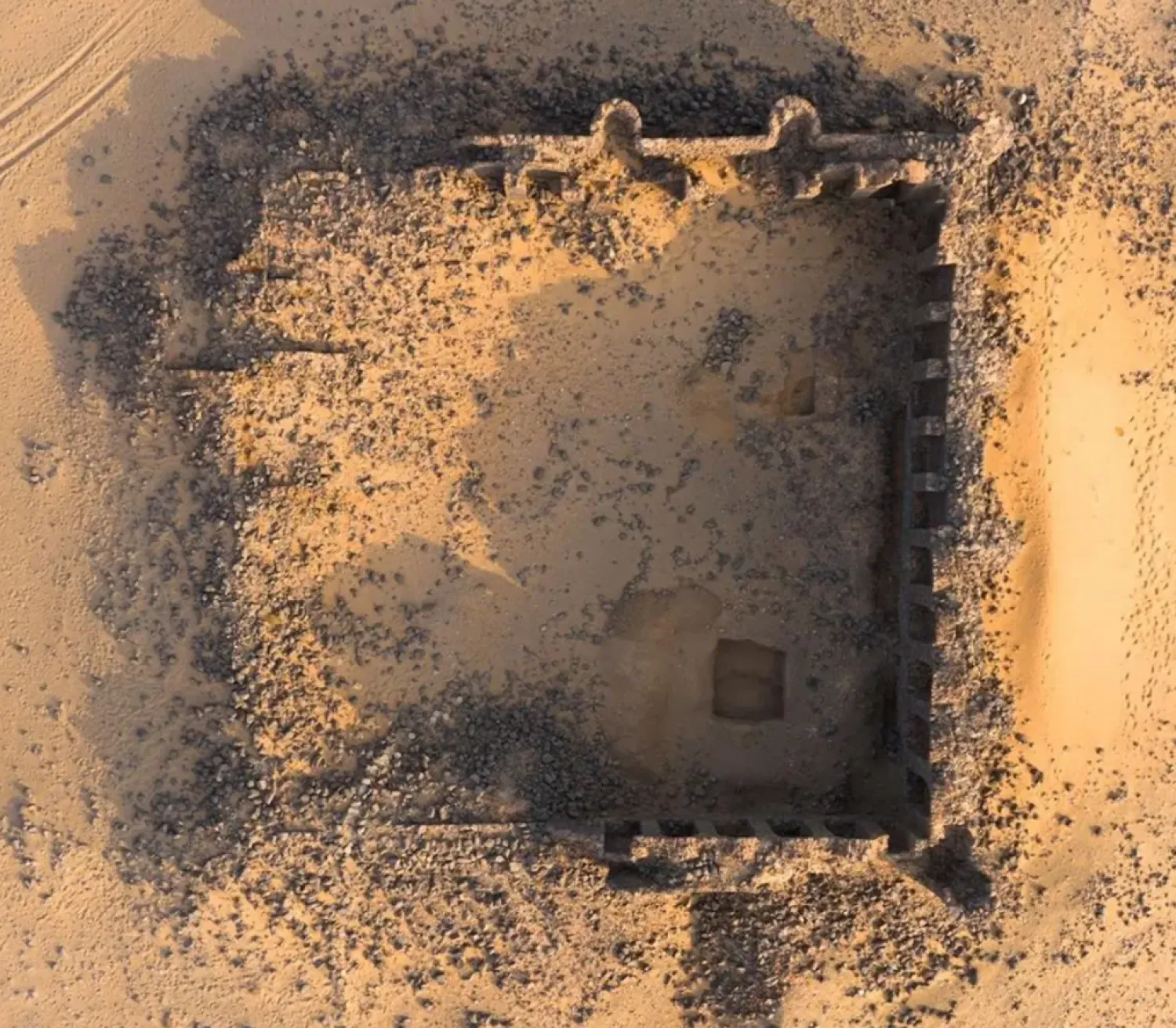
The Saudi Ministry of Culture concluded the project to survey, document, and archive intangible cultural heritage in Al-Ahsa Governorate by holding a workshop in the governorate, attended by stakeholders and relevant entities, as part of the ministry’s efforts to preserve national cultural heritage and strengthen Saudi cultural identity, reported the Saudi Press Agency on Thursday.

The project included a field survey covering various cities and villages across Al-Ahsa, during which diverse elements of intangible cultural heritage were identified and documented. These included oral traditions, performing arts, skills associated with traditional cultural crafts, social practices, and knowledge related to nature and the local environment.

The work was carried out in cooperation with concerned entities, specialized experts, and local practitioners.

The workshop reviewed the project’s final outcomes and presented reports on documentation and digital archiving activities.

It discussed mechanisms to ensure the sustainability of these efforts and the transmission of this cultural legacy to future generations, contributing to greater community awareness of the value and importance of intangible cultural heritage.


Hail Region Pavilion Showcases Heritage Artifacts at Camel Festival

The pavilion aims to connect visitors to Hail's history and social legacy - SPA
TT

Hail Region Pavilion Showcases Heritage Artifacts at Camel Festival

The pavilion aims to connect visitors to Hail's history and social legacy - SPA

Hail Region pavilion at the Ministry of Interior’s Security Oasis exhibition, part of the 10th King Abdulaziz Camel Festival in Al-Sayahid, features heritage artifacts that reflect the region's renowned hospitality.

The display includes ancient trays and copperware from nearly seventy years ago.

According to SPA, these traditional food preparation and serving vessels have garnered significant interest from visitors. They document daily life in old Hail and its deep-rooted social traditions, particularly in gatherings and special occasions.

The pavilion aims to connect visitors to Hail's history and social legacy, fostering appreciation for national heritage and ensuring cultural preservation for future generations.


Visitors Explore Saudi ID History at King Abdulaziz Camel Festival

The agency is presenting examples of national ID cards and how these documents have evolved - SPA
TT

Visitors Explore Saudi ID History at King Abdulaziz Camel Festival

The agency is presenting examples of national ID cards and how these documents have evolved - SPA

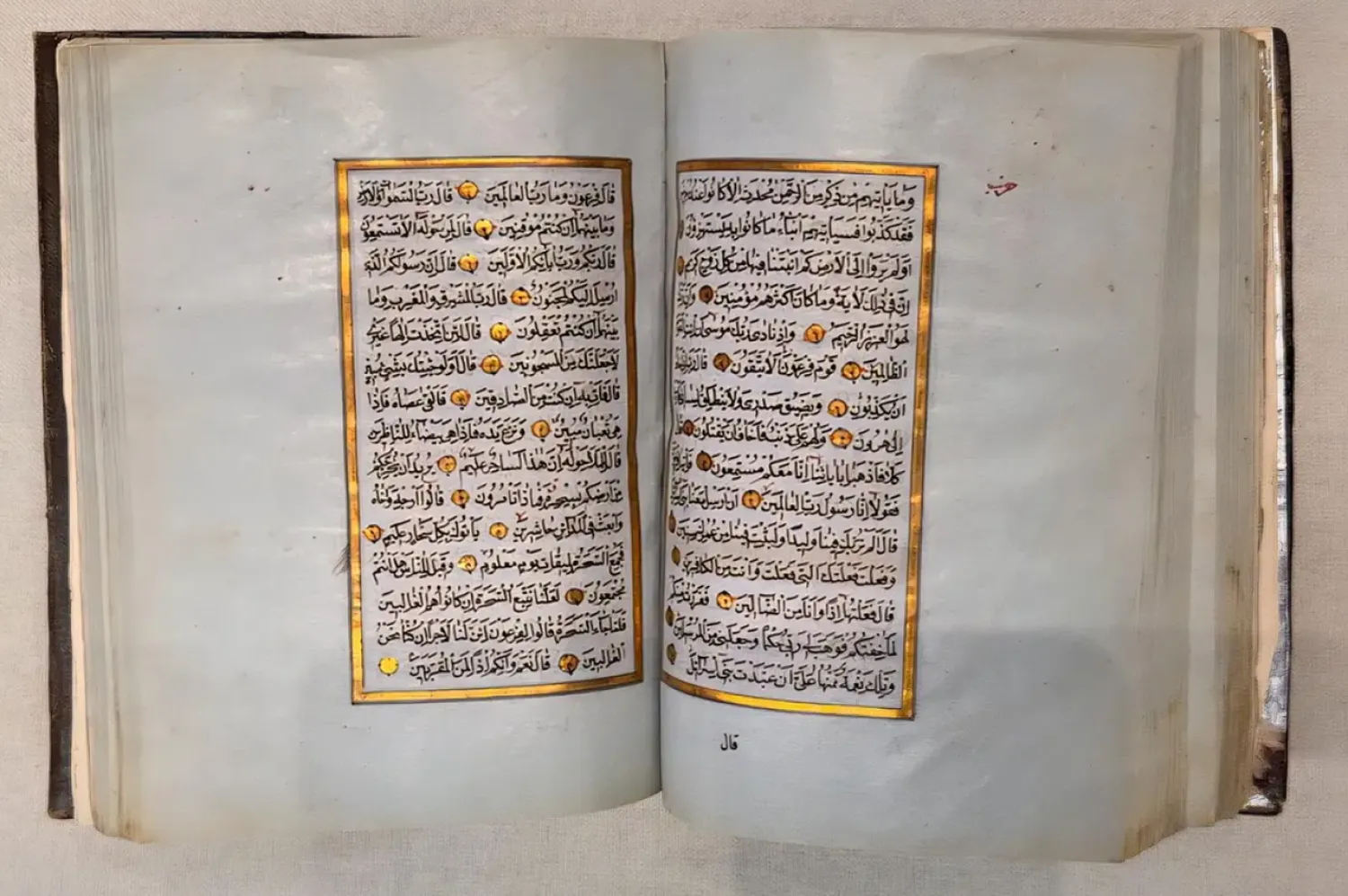
The Civil Affairs Agency is displaying historical documents, including the earliest official identification papers issued to citizens, at the 10th King Abdulaziz Camel Festival in Al-Sayahid, north of Riyadh.

As part of the Ministry of Interior’s Security Oasis exhibition, the agency is presenting examples of national ID cards and other official documents, highlighting how these documents have evolved, SPA reported.

Visitors can also see how old or damaged documents are carefully restored and repaired using advanced technologies and specialized equipment.