


Saudi Culture Ministry to Organize Inaugural Cultural Investment Conference in September 

Saudi Culture Ministry to Organize Inaugural Cultural Investment Conference in September 
TT

Saudi Culture Ministry to Organize Inaugural Cultural Investment Conference in September 

Saudi Culture Ministry to Organize Inaugural Cultural Investment Conference in September 

Under the patronage of Prince Mohammed bin Salman bin Abdulaziz Al Saud, Crown Prince and Prime Minister, the Saudi Ministry of Culture will organize the inaugural Cultural Investment Conference in Riyadh on September 29-30.

The event will convene global leaders in investment, public policy, and culture to discuss the future of cultural investment and how it can simultaneously spur cultural production, economic growth, and social development, said a Ministry statement on Tuesday.

‏Minister of Culture Prince Bader bin Abdullah bin Farhan thanked the Crown Prince for his patronage, support and strong leadership, adding: “The Cultural Investment Conference reflects Saudi Arabia's commitment to global cultural investment and inclusive growth that benefits everyone.”

“We believe that culture not only reflects heritage and identity but is an essential form of investment that can drive economic opportunities, foster mutual understanding, and shape a more connected and creative global future,” he stressed.

The Cultural Investment Conference will demonstrate how culture is a powerful driver of economic diversification, innovation, and international cooperation. The two-say annual event will analyze investment opportunities across emerging markets worldwide, and several new partnerships and sustainable funding mechanisms are expected to be explored.

‏It will feature insights from several of the most prominent individuals in the cultural investment space, along with a series of roundtables and curated discussions exploring the evolving role of culture in economic planning and national identity.

Central to the program will be the exploration of new investment pathways, including public-private partnerships, cultural investment funds, and the growing role of philanthropy in advancing creative economies. The conference will also address themes such as cultural entrepreneurship, technological innovation, and economics of inclusion.

Attendees to the conference will have opportunities related to networking, shaping international policy, and forging new forms of collaboration in pursuit of a prosperous future. The program will feature 38 panels with cultural experts and more than 100 speakers.

‏The Cultural Investment Conference underscores the ministry’s efforts in creating a sustainable cultural market that supports the national economy and empowers both creators and consumers alike, said the statement.

To date, the ministry has issued more than 9,000 cultural licenses to professional practitioners, provided support and incentives for cultural production across all creative fields, and increased its efforts to raise the number of cultural associations, institutions, and clubs in the non-profit sector from 28 in 2017 to 993 in 2024.

The ministry has also launched cultural insurance products that provide encouraging solutions for investors. The conference further advances these efforts and helps to expand the scope of cultural investment and provide sustainable opportunities for growth in the creative economy.



Jazan Festival Takes Visitors on a Journey Through Culture and Heritage

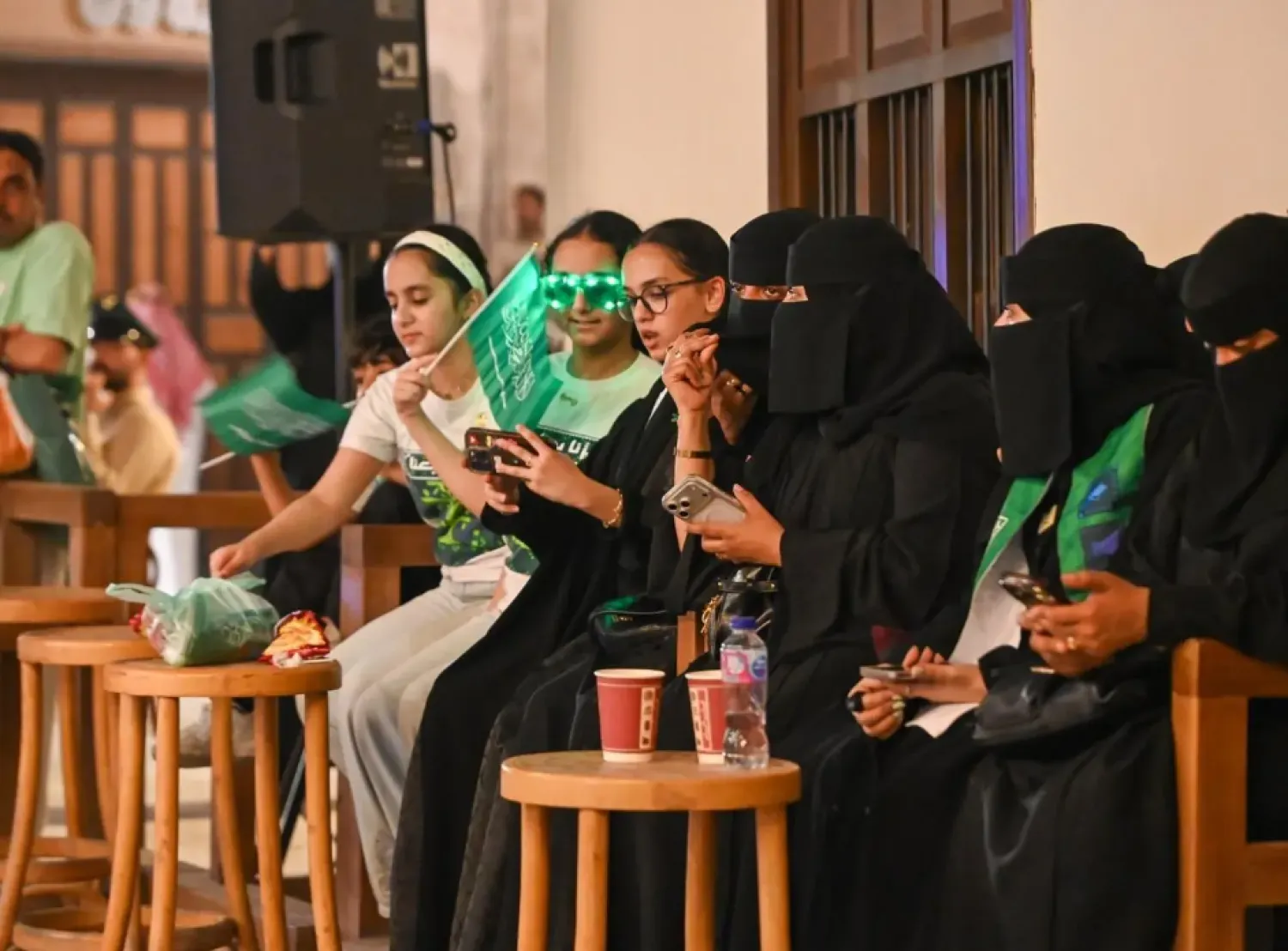
"This is Jazan” zone, part of Jazan Festival 2026, has opened to visitors offering an engaging tourism experience. (SPA)
TT

Jazan Festival Takes Visitors on a Journey Through Culture and Heritage

"This is Jazan” zone, part of Jazan Festival 2026, has opened to visitors offering an engaging tourism experience. (SPA)

The “This is Jazan” zone, part of Jazan Festival 2026, has opened to visitors, offering an engaging tourism experience that highlights the region’s history, culture, and modern life. The zone showcases how Jazan’s diverse landscapes—coasts, mountains, and plains—have shaped its unique lifestyle and rich cultural identity, the Saudi Press Agency said on Sunday.

All 16 governorates of the region are represented, giving visitors the opportunity to explore Jazan’s heritage through traditional crafts, folk arts, and live performances. Displays include heritage tools, handicrafts, local products such as honey and ghee, traditional attire, and authentic cuisine, reflecting the diversity and authenticity of each governorate.

Running until February 15, Jazan Festival features a wide range of cultural, entertainment, and folk events across Jizan city and the region's governorates, alongside ongoing activities at tourist sites, parks, and beaches, reinforcing Jazan’s status as a vibrant and well-rounded tourist destination.


Al-Eishan Palace Welcomes Visitors in Saudi Arabia's Sakaka

The palace offers visitors an authentic culinary and cultural experience - SPA
TT

Al-Eishan Palace Welcomes Visitors in Saudi Arabia's Sakaka

The palace offers visitors an authentic culinary and cultural experience - SPA

Visitors to Al-Jouf Region can explore a wealth of historical landmarks and distinctive architectural heritage, with mud-brick palaces offering immersive cultural experiences blending traditional cuisine with local hospitality.

Among these highlights is Al-Eishan Palace, where guests are greeted with Saudi coffee and freshly prepared Maqshush bread, a thin flatbread known for its unique flavor, SPA reported.

Located in the heart of Sakaka, Al-Eishan Palace dates back to 1268 AH. It served as a residence adjacent to a mosque and is surrounded by lush palm groves. Built from mud, stone, tamarisk wood, and palm fronds, the palace spans more than 1,000 square meters, with walls rising over five meters high. To the east, it is bordered by palm trees and fruit-bearing orchards, including peaches, pomegranates, and grapes.

The palace offers visitors an authentic culinary and cultural experience, beginning with a traditional breakfast of hand-baked Maqshush bread and Saudi coffee. Its facilities retain their original architectural character, including the majlis, the inner courtyard, and the small rooms that once served as living quarters for the palace’s residents.

These areas have been carefully restored and are now open to visitors throughout the day. Parts of the palace were redeveloped in 1439 AH while preserving the original foundations and building materials.


Libyans Savor Shared Heritage at Reopened National Museum

Libyans visit the National Museum after its reopening, following a closure of more than a decade in the Libyan capital Tripoli on December 23, 2025. (AFP)
TT

Libyans Savor Shared Heritage at Reopened National Museum

Libyans visit the National Museum after its reopening, following a closure of more than a decade in the Libyan capital Tripoli on December 23, 2025. (AFP)

In a historic building in central Tripoli, Libyans wander past ancient statues and artifacts, rediscovering a heritage that transcends political divides at their national museum which reopened this month after a 2011 uprising.

"I got here barely 15 minutes ago but I already feel like I've been transported somewhere. It's a different world," said architecture student Nirmine Miladi, 22.

In the waterfront building known as the red citadel -- once the seat of power -- visitors journey through a history that includes ancient art, Greek and Roman antiquities and Ottoman-era weapons and jewellery.

Miladi's sister Aya, 26, an interior design student, said she liked the bright new museum's layout, "the careful lighting, the screens and interactive tools" that all help make the museum accessible to all.

Libya plunged into chaos after a NATO-backed uprising toppled and killed longtime leader Moammar al-Gadhafi in 2011, and the country has struggled to regain stability.

Since then, the North African country has been divided, with two rival executives vying for power: a Tripoli-based Government of National Unity and an administration based in Benghazi in the country's east.

Mohamed Fakroun, head of international cooperation at the antiquities department, said the museum went through "a dark period during its 14-year closure".

Fearing looting and vandalism after Gadhafi's overthrow, the antiquities department removed "all the artifacts until the country re-stabilized", said Fakroun, 63, who has worked at the French archaeological mission to Libya for almost four decades.

- 'National symbol' -

Curator Fathiya Abdallah Ahmad is among a handful of people who knew the location of secret, sealed rooms where the museum's treasures were taken into hiding for more than a decade.

She said the antiquities department and staff worked to "preserve a historic and cultural heritage that belongs to all Libyans".

This allowed the works to be safeguarded until the museum could reopen "in a modern format that conforms to international standards", she added.

The bright new facility includes digital projections and interactive screens as well as videos, audio guides and QR codes enabling visitors to delve further.

Fakroun noted the museum has a room dedicated to Roman emperor Septimius Severus, who was born in the ancient city of Leptis Magna -- now a UNESCO World Heritage site east of Tripoli.

Another room is dedicated to stolen items that have since been returned, including from the United States and the United Kingdom, he added.

Interior design student Aya Miladi said many Libyans saw the museum's inauguration as the "return of a national symbol".

It is also "a step towards reconciliation between Libyans and with their often little-known past", after years of war, as well as a sign of stability, she added.

- 'Not without past' -

Teacher Fatima al-Faqi, 48, said there was "a world of difference" between the reopened museum and the dark, dusty facility she visited 30 years ago on a school trip.

This time, she was leading a group of high-school students to help them "discover Libya's history and nourish their sense of patriotism", she said, as pupils goggled at items from Roman statues to stuffed animals in the natural history section.

The Tripoli government has invested more than five million dollars in rehabilitating the museum and its surrounding area, despite the oil-rich country's economic woes including frequent cash and fuel shortages.

Fakroun said the six-year renovations were carried out in cooperation with the French mission and the ALIPH foundation -- the International Alliance for the Protection of Heritage.

The museum seeks to convey a hope-filled message about Libya's identity to its visitors, most of whom "were not born when it was last open before 2011", he added.

Visitor Sarah al-Motamid, 34, said that "many people don't know about our country's ancient history and look at us as if we were worthless".

She said she was visiting with her six-year-old daughter Mariam because she wanted her to "understand that we are not without a past or civilization".