

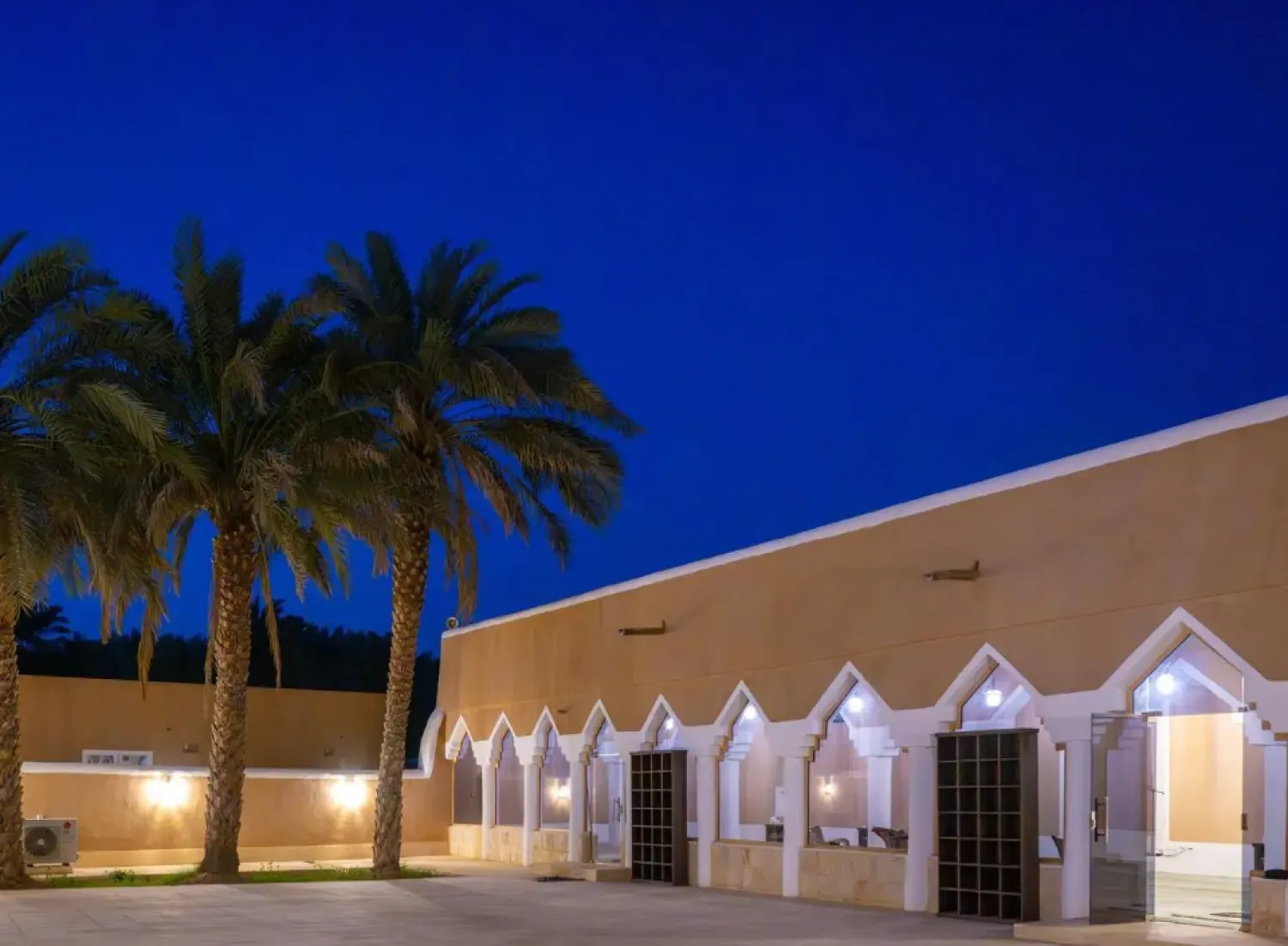

Prince Mohammed bin Salman Project Restores Historic Al-Qalaah Mosque in Riyadh Region

The mosque is a prime example of traditional Najdi architecture - SPA
TT

Prince Mohammed bin Salman Project Restores Historic Al-Qalaah Mosque in Riyadh Region

The mosque is a prime example of traditional Najdi architecture - SPA

The Prince Mohammed bin Salman Project for the Development of Historical Mosques continues its mission to preserve the Kingdom’s architectural heritage by restoring Al-Qalaah Mosque in Hawtat Bani Tamim, Riyadh Region. Built in 1250 AH (1834 CE), this historic landmark is situated within the fortress of Second Saudi State founder Imam Turki bin Abdullah.

The mosque is a prime example of traditional Najdi architecture, featuring stone foundations, mud walls constructed using molded brick techniques, and a roof of tamarisk trunks and palm fronds supported by stone-bead cylindrical columns, SPA reported.

Through the current renovation, the mosque’s area has expanded from 608.68 to 625.78 square meters while maintaining a capacity for 180 worshippers. Executed by specialized Saudi firms under expert engineering supervision, the project balances traditional standards with modern sustainability to ensure the mosque remains a living testament to Islamic and national history.

This initiative aligns with Vision 2030 objectives to rehabilitate historical sites for worship, highlight cultural heritage, and preserve the Kingdom’s authentic architectural identity for future generations.



New Tools Rescue Old Art at Madrid’s Prado Museum

A conservator works on the restoration of gilded moldings at the Prado museum's sculpture restoration department in Madrid on October 23, 2025. (Pierre-Philippe Marcou/ AFP)
TT

New Tools Rescue Old Art at Madrid’s Prado Museum

A conservator works on the restoration of gilded moldings at the Prado museum's sculpture restoration department in Madrid on October 23, 2025. (Pierre-Philippe Marcou/ AFP)

In a quiet space secluded from the throngs of daily visitors to Madrid's Prado art museum, a team of experts perpetuate an ancient tradition of restoring centuries-old European cultural treasures.

Creations by some of art's most illustrious names -- Goya, Velazquez, Rubens, Caravaggio, Bosch and El Greco -- are conserved in the vast, bright space at one of the world's most-visited museums.

The Prado has always put an emphasis on the conservation and restoration of art since it opened to the public in 1819.

Cutting-edge technology and modern tools to analyze and treat paintings and sculptures allow Almudena, Marta, Maria, Alvaro, Alicia, Elena, Sonia and Eva to maintain the tradition.

The team is capable of caring for the museum's most prized collections as well as works from other institutions.

In February, the Prado launched the restoration of "Pablo de Valladolid", an emblematic portrait that Spanish master Velazquez produced in the 17th century.

But the work will first undergo a deep technical analysis by new equipment, the museum said in a statement.

Scanning technology will allow the experts to identify and locate the materials used by the artist, while multispectral infrared reflectography will reveal details invisible to the naked eye.

Everything contributes to a deeper understanding of the artist's technique, the work's state of conservation and preparing its restoration.


Saudi Culture Ministry Launches Nonprofit Cultural Sector Forum with Wide Participation from Experts, Entities

The Saudi Culture Ministry will oversee the national pavilion with participation from several entities
TT

Saudi Culture Ministry Launches Nonprofit Cultural Sector Forum with Wide Participation from Experts, Entities

The Saudi Culture Ministry will oversee the national pavilion with participation from several entities

Under the patronage of Saudi Minister of Culture Prince Bader bin Abdullah bin Farhan, the sessions of the Nonprofit Cultural Sector Forum, organized by the Ministry of Culture in Riyadh, kicked off on Wednesday, SPA reported.

The first day featured eight panel sessions with a group of local and international experts and specialists, discussing several strategic themes related to the nonprofit cultural sector.


The sessions addressed the sector’s role in shaping the future in light of modern trends, the importance of empowering nonprofit cultural organizations to build sustainable cultural and economic impact, and the role of social responsibility in developing the nonprofit sector.

The forum is also witnessing the signing of a number of agreements and memoranda of understanding, as part of enhancing partnerships and enabling nonprofit cultural organizations to expand their scope of work and achieve sustainable cultural and societal impact.


AlUla’s Maraya Hall Highlights Creative Fusion of Art and Landscape

Maraya Hall reflects one aspect of the cultural transformation witnessed in AlUla - SPA
TT

AlUla’s Maraya Hall Highlights Creative Fusion of Art and Landscape

Maraya Hall reflects one aspect of the cultural transformation witnessed in AlUla - SPA

In AlUla Governorate, features of human creativity are manifested in their finest form, as Maraya Hall hosts an exceptional artistic and architectural experience that blends art and nature, in a scene that embodies the presence of arts as a universal language that transcends borders and cultures.

Maraya Hall is considered the largest mirrored building in the world by Guinness World Records, with its structure covered by around 9,740 reflective panels designed to mirror the beauty of the surrounding sandstone cliffs, giving visitors a unique visual experience that appears as a natural extension of the desert landscape, SPA reported.

The hall includes multiple spaces and halls equipped with the latest technologies, accommodating around 500 seats, making it an integrated platform for hosting concerts, artistic performances, conferences, and various cultural events.

Maraya Hall reflects one aspect of the cultural transformation witnessed in AlUla, within an integrated cultural and artistic ecosystem that enhances the governorate’s presence on the global arts map, coinciding with the celebration of World Art Day, which falls on April 15 each year, highlighting the importance of arts in building cultural bridges and promoting human dialogue.