
Al-Qaeda: Retreat of the ‘Global Project’

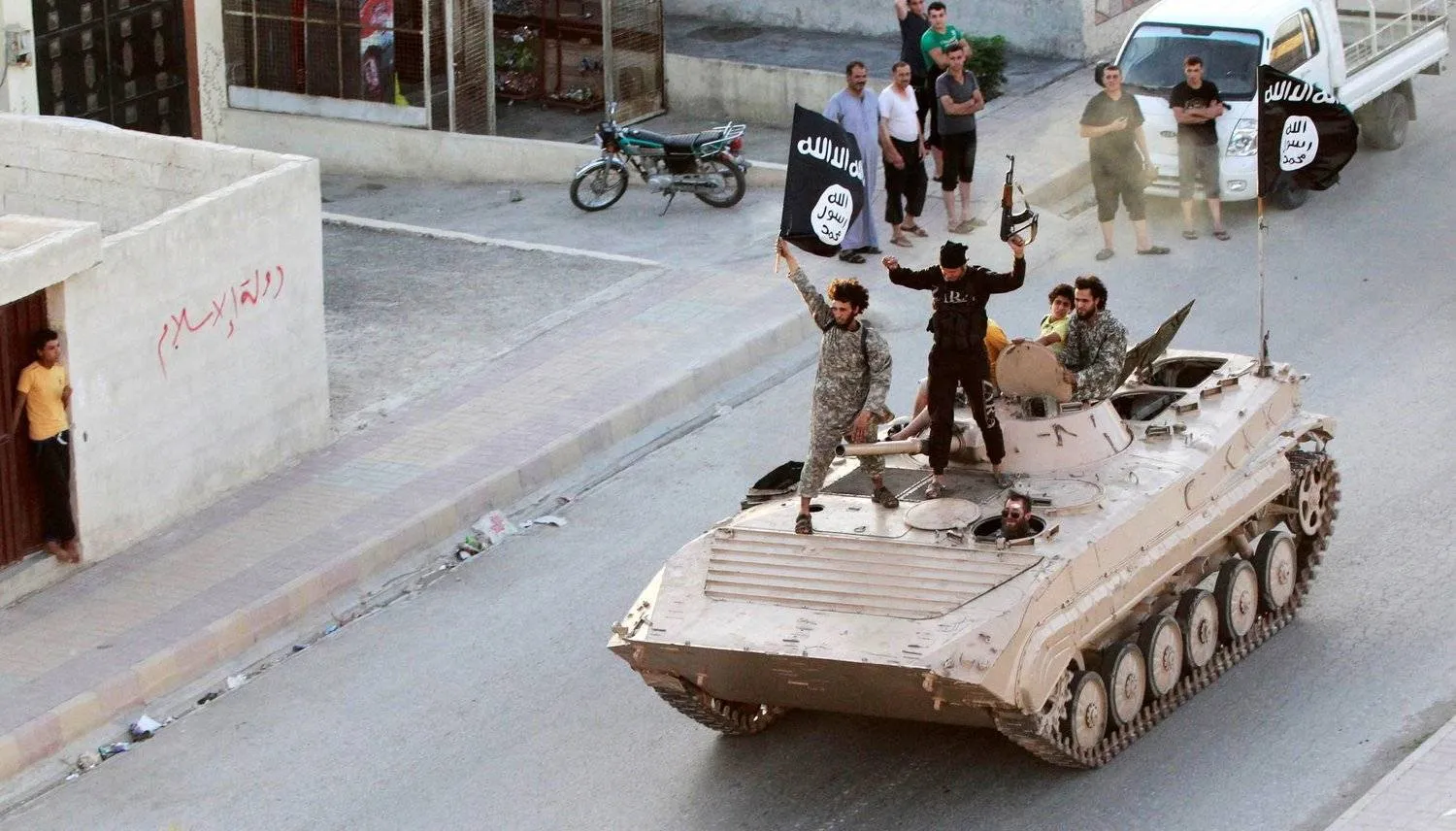
ISIS fighters after capturing the Syrian city of Raqqa on June 30, 2014 (Reuters)
TT

Al-Qaeda: Retreat of the ‘Global Project’

ISIS fighters after capturing the Syrian city of Raqqa on June 30, 2014 (Reuters)

With the approaching first anniversary of the US' announcement of Ayman al-Zawahiri’s death in an airstrike in the Afghan capital of Kabul, this report will analyze the present condition of Al-Qaeda, noting the organization’s apparent inability to replicate the large-scale terrorist attacks it executed during its prime in the late 1990s.

Additionally, this report notes a decrease in Al-Qaeda's branches following its previous strategy under former leader Osama bin Laden, which prioritized targeting what is referred to as the “distant enemy.”

It also brings attention to the growing demand from affiliated groups to dismantle “Al-Qaeda” following the assumption of leadership by Saif al-Adel, who is believed to be currently residing in Iran.

Armed Groups, Local Targets

The years following the new millennium witnessed a fundamental change in the modus operandi of extremist groups in several Arab countries.

In the 1990s, the primary objective of these groups was purely local: to overthrow the ruling regimes, accusing them of “apostasy.”

However, by the second half of that decade, it became evident that extremists had failed to achieve their goals. They suffered military defeats, their cells disintegrated, and many of their senior leaders were arrested or killed.

This was the case with the Armed Islamic Group in Algeria, the Libyan Islamic Fighting Group, as well as the Jihad Group and Islamic Group in Egypt.

Alongside those defeats, the emergence of Al-Qaeda took place. Bin Laden had relocated to Afghanistan in 1996 after losing favor in Sudan.

The same pattern repeated with the leader of the Egyptian Jihad Group, al-Zawahiri, who was also expelled from Sudan and found refuge in Afghanistan after failing to reach his initial target, Chechnya.

From his new headquarters in Afghanistan, bin Laden sought to persuade “defeated” groups to join him in a “global war” targeting Americans and the West in general, rather than local regimes.

This shift in strategy became known as the “distant enemy” approach, contrasting with the previous focus on the “near” enemy.

Al-Qaeda’s global project was launched in February 1998 with the establishment of the “International Islamic Front for Jihad Against Jews and Crusaders.”

In addition to Al-Qaeda, it included the Egyptian Jihad Group, a faction of the Egyptian Islamic Group (led by Rifa'i Taha), and other groups in Southeast Asia.

Within months, this alliance began implementing its plan to target Americans, starting with the bombings of the US embassies in Nairobi and Dar es Salaam in August 1998. The attacks continued with the bombing of the USS Cole off the coast of Yemen in 2000, culminating in the September 11, 2001 attacks in New York and Washington.

- Global Project

Naturally, new allies joined Al-Qaeda’s “global” project. Initially, the attacks were directly linked to Al-Qaeda’s leadership, as seen in the Indonesian Bali bombings in 2002, carried out by members of the “Islamic Group” under the leadership of Hambali, a prominent figure within Al-Qaeda.

In 2005, London experienced its worst terrorist attack, targeting train stations and a public bus.

Most of the suicide bombers in the London attacks were British individuals of Pakistani origin, some of whom had visited the Afghan-Pakistani border regions, where Al-Qaeda’s leadership was based.

Al-Qaeda claimed responsibility for the bloody London bombings.

In turn, Al-Qaeda’s branches joined this “global” effort.

Its Yemeni branch (Al-Qaeda in the Arabian Peninsula) attempted to send a suicide bomber, Umar Farouk Abdulmutallab, in 2009, to detonate an explosive device on an American passenger plane.

The following year, the organization made another attempt by sending explosive packages to destroy several planes bound for the US.

This global trajectory persisted for Al-Qaeda and its allies until the phase known as the “Arab Spring” in 2011, when several countries were engulfed in revolutions and internal unrest.

Al-Qaeda swiftly attempted to exploit this situation, taking advantage of the fall of regimes that had previously defeated extremist groups in the 1990s.

However, during that period, Al-Qaeda faced two fundamental problems.

The first problem was that the US had killed bin Laden after a 10-year manhunt following his escape from Tora Bora at the end of 2001. He was found hiding in a villa in Abbottabad, Pakistan, and was killed on the night of May 2, 2011.

Al-Zawahiri was swiftly announced as bin Laden’s successor, but the former leader of Egyptian Islamic Jihad did not enjoy authority over the terrorist organization and its branches the same way bin Laden did.

The second problem was the issue of ISIS.

This terrorist group, which emerged from the branches of Al-Qaeda, quickly found itself in conflict with al-Zawahiri, bin Laden’s successor.

Syria was the cause of their disagreement.

ISIS, led by Abu Bakr al-Baghdadi, sought to expand into Syria, taking advantage of the weakening of President Bashar al-Assad’s regime amid the revolution against him. However, al-Baghdadi soon faced internal rebellion.

The Decline of the ‘Global War’

Over time, it became noticeable that the “global war” launched by Al-Qaeda against the West in general and the Americans in particular since the 1990s has significantly receded, if not completely disappeared.

In recent years, Al-Qaeda has demonstrated its inability to replicate the major attacks it previously carried out, such as the bombings of the US embassies in Dar es Salaam and Nairobi, the USS Cole bombing, and the September 11 attacks in Washington and New York.

The end of “global attacks” did not just affect Al-Qaeda’s leaders, but also its branches that were supposed to target enemies far away.

These branches themselves stated that their activities were now only focused locally, which is a significant shift from the original idea of a global Al-Qaeda project.

Perhaps it is necessary to pause here and consider the situation of Al-Qaeda’s leadership, which found itself in recent years clearly isolated from its cells and branches due to the circumstances of al-Zawahiri’s hiding and his inability to communicate with his supporters.

He compensated for this by releasing occasional videos and audio recordings, in which he incited continued war against the West, alluding to “lone wolf” attacks.

The chaotic and sudden US withdrawal from Afghanistan in 2021 provided a golden opportunity for Al-Qaeda to regroup.

It appears that al-Zawahiri himself felt some reassurance in this new situation, relocating to Kabul, where he lived under the protection of the influential “Haqqani network’ within the Taliban.

However, the Americans managed to kill him in a drone strike in July 2022.

Despite months passing since al-Zawahiri’s killing, Al-Qaeda has not yet announced his successor. This may be linked to the Taliban, as acknowledging his death in Kabul would embarrass the Afghan movement that denied his presence.

The delay in announcing a successor to al-Zawahiri may also be associated with the fact that the most likely person to assume his role, Saif al-Adel, resides in Iran. This situation could potentially embarrass the organization in front of its members and defenders.

A former member of Al-Qaeda, who defected from the organization due to its extreme bloodshed, explains that there are two reasons for the shift towards fighting the “near enemy” rather than the distant one.

“The first reason is the inability,” explained the defector who requested anonymity.

“The problem with Al-Qaeda is that it has lost the ability to communicate with its cells and smuggle individuals to form cells and recruit members in distant countries like the US, Canada, Australia, Europe, and others,” they told Asharq Al-Awsat.

Moreover, the former Al-Qaeda member noted that the group has also lost the ability to finance these entities.

“It only has the ability to inspire lone wolves,” they added.

Moreover, the terrorist organization has even failed at times to operate within Arab countries, affirmed the defector.

Today, it appears that “lack of capability” is the same reason that prompted Al-Qaeda and its branches to cease launching attacks against the “distant enemy,” perhaps except for lone wolf attacks.

The problem will arise, of course, when the reason for the “lack of capability” disappears. Until then, it seems that the West’s priorities will remain focused on China and Russia.

Bleak Future for West Bank Pupils as Budget Cuts Bite

Private tutoring makes up some, but not all of the teaching shortfall for the Hajj twins. Jaafar ASHTIYEH / AFP
TT

Bleak Future for West Bank Pupils as Budget Cuts Bite

Private tutoring makes up some, but not all of the teaching shortfall for the Hajj twins. Jaafar ASHTIYEH / AFP

At an hour when Ahmad and Mohammed should have been in the classroom, the two brothers sat idle at home in the northern West Bank city of Nablus.

The 10-year-old twins are part of a generation abruptly cut adrift by a fiscal crisis that has slashed public schooling from five days a week to three across the Israeli-occupied Palestinian territory.

The Ramallah-based Palestinian Authority's deepening budget shortfall is cutting through every layer of society across the West Bank.

But nowhere are the consequences more stark than in its schools, where reduced salaries for teachers, shortened weeks and mounting uncertainty are reshaping the future of around 630,000 pupils.

Unable to meet its wage bill in full, the Palestinian Authority has cut teachers' pay to 60 percent, with public schools now operating at less than two-thirds capacity.

"Without proper education, there is no university. That means their future could be lost," Ibrahim al-Hajj, father of the twins, told AFP.

The budget shortfall stems in part from Israel's decision to withhold customs tax revenues it collects on the Palestinian Authority's behalf, a measure taken after the war in Gaza erupted in October 2023.

The West Bank's economy has also been hammered by a halt to permits for Palestinians seeking work in Israel and the proliferation of checkpoints and other movement controls.

- 'No foundation' for learning -

"Educational opportunities we had were much better than what this generation has today," said Aisha Khatib, 57, headmistress of the brothers' school in Nablus.

"Salaries are cut, working days are reduced, and students are not receiving enough education to become properly educated adults," she said, adding that many teachers had left for other work, while some students had begun working to help support their families during prolonged school closures.

Hajj said he worried about the time his sons were losing.

When classes are cancelled, he and his wife must leave the boys alone at home, where they spend much of the day on their phones or watching television.

Part of the time, the brothers attend private tutoring.

"We go downstairs to the teacher and she teaches us. Then we go back home," said Mohammad, who enjoys English lessons and hopes to become a carpenter.

But the extra lessons are costly, and Hajj, a farmer, said he cannot indefinitely compensate for what he sees as a steady academic decline.

Tamara Shtayyeh, a teacher in Nablus, said she had seen the impact firsthand in her own household.

Her 16-year-old daughter Zeena, who is due to sit the Palestinian high school exam, Tawjihi, next year, has seen her average grades drop by six percentage points since classroom hours were reduced, Shtayyeh said.

Younger pupils, however, may face the gravest consequences.

"In the basic stage, there is no proper foundation," she said. "Especially from first to fourth grade, there is no solid grounding in writing or reading."

Irregular attendance, with pupils out of school more often than in, has eroded attention spans and discipline, she added.

"There is a clear decline in students' levels -- lower grades, tension, laziness," Shtayyeh said.

- 'Systemic emergency' -

For UN-run schools teaching around 48,000 students in refugee camps across the West Bank, the picture is equally bleak.

The territory has shifted from "a learning poverty crisis to a full-scale systemic emergency," said Jonathan Fowler, spokesman for the UN agency for Palestinian refugees, UNRWA.

UNRWA schools are widely regarded as offering comparatively high educational standards.

But Fowler said proficiency in Arabic and mathematics had plummeted in recent years, driven not only by the budget crisis but also by Israeli military incursions and the lingering effects of the Covid-19 pandemic.

"The combination of hybrid schooling, trauma and over 2,000 documented incidents of military or settler interference in 2024-25 has resulted in a landscape of lost learning for thousands of Palestinian refugee students," he said.

UNRWA itself is weighing a shorter school week as it grapples with its own funding shortfall, after key donor countries - including the United States under President Donald Trump - halted contributions to the agency, the main provider of health and education services in West Bank refugee camps.

In the northern West Bank, where Israeli military operations in refugee camps displaced around 35,000 people in 2025, some pupils have lost up to 45 percent of learning days, Fowler said.

Elsewhere, schools face demolition orders from Israeli authorities or outright closure, including six UNRWA schools in annexed east Jerusalem.

Teachers say the cumulative toll is profound.

"We are supposed to look toward a bright and successful future," Shtayyeh said. "But what we are seeing is things getting worse and worse."


Security Issues Complicate Tasks of ‘Technocratic Committee’ in Gaza Strip

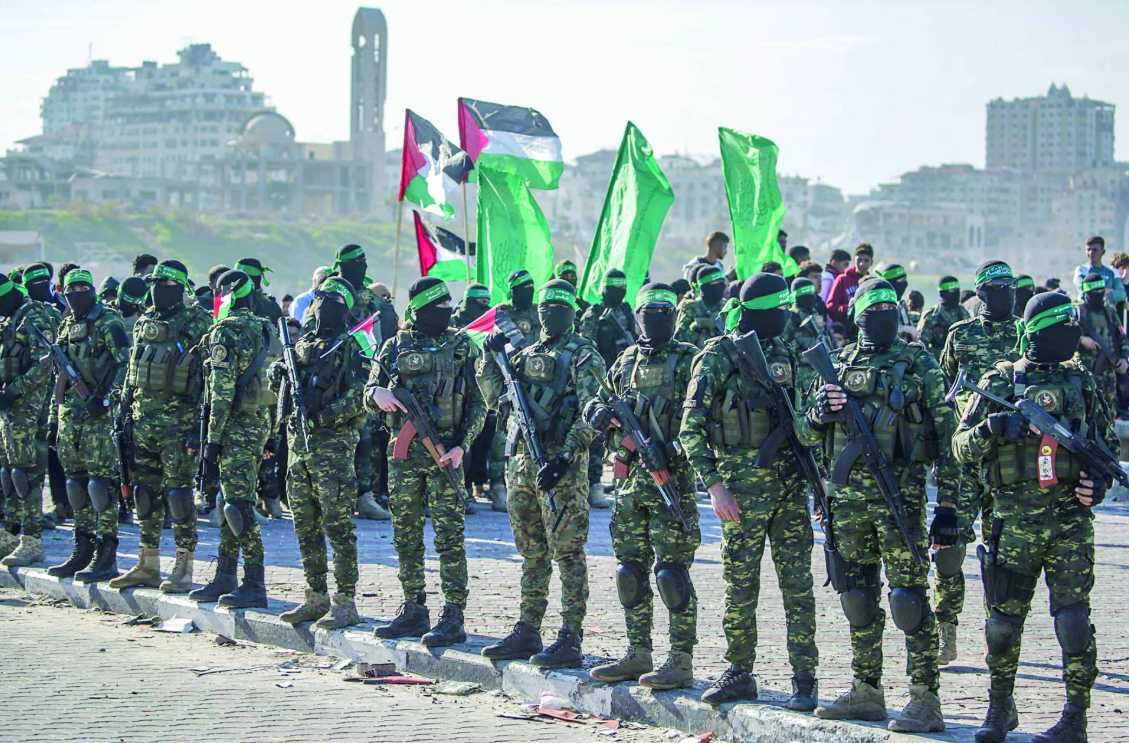
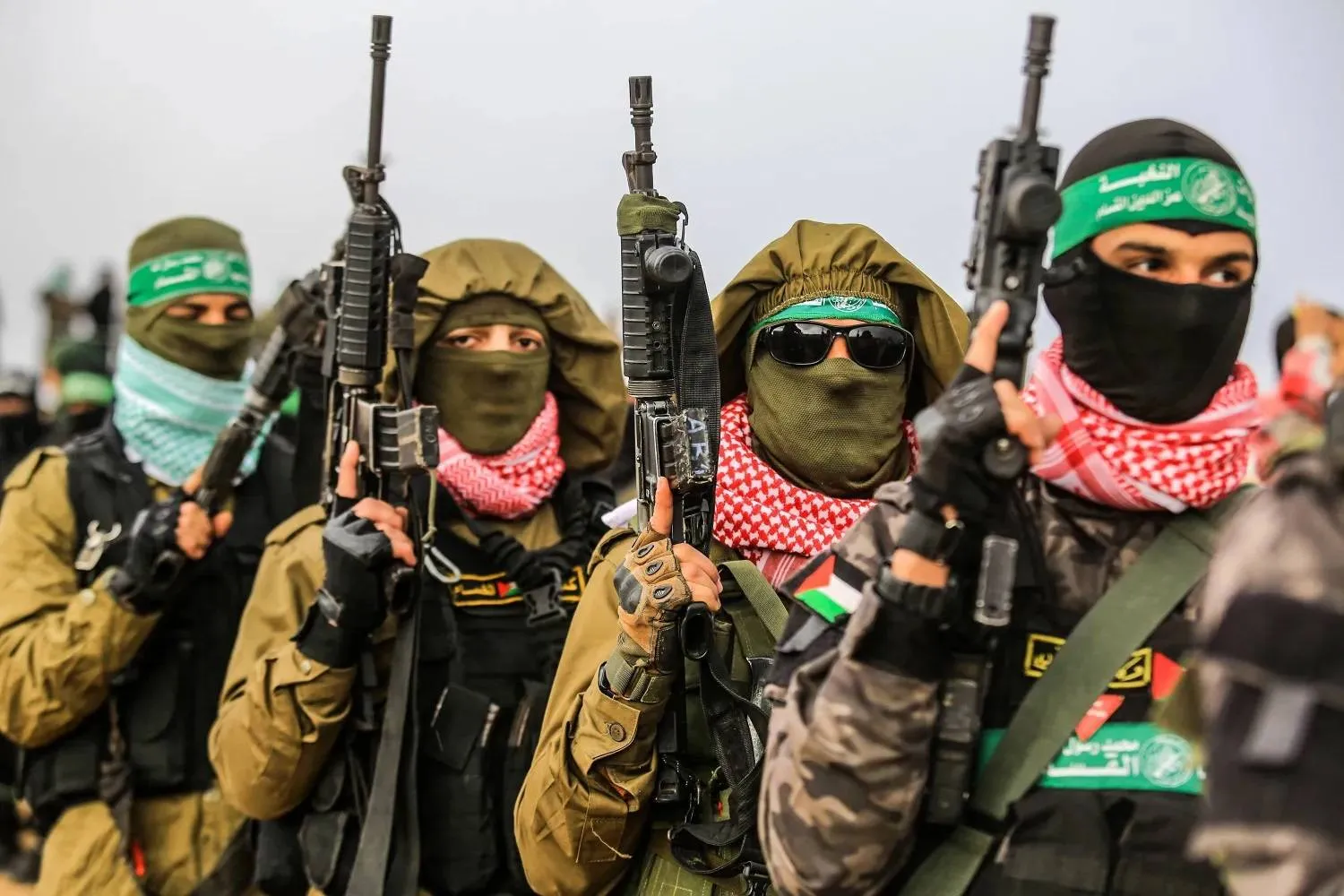
Fighters from the Izz ad-Din al-Qassam Brigades, the armed wing of Hamas, in Khan Younis, Gaza Strip, Feb. 20, 2025. (dpa)
TT

Security Issues Complicate Tasks of ‘Technocratic Committee’ in Gaza Strip

Fighters from the Izz ad-Din al-Qassam Brigades, the armed wing of Hamas, in Khan Younis, Gaza Strip, Feb. 20, 2025. (dpa)

The Palestinian National Committee tasked with administering the Gaza Strip is facing a number of challenges that go beyond Israel’s continued veto on its entry into the enclave via the Rafah crossing. These challenges extend to several issues related to the handover of authority from Hamas, foremost among them the security file.

Nasman and the Interior Ministry File

During talks held to form the committee, and even after its members were selected, Hamas repeatedly sought to exclude retired Palestinian intelligence officer Sami Nasman from the interior portfolio, which would be responsible for security conditions inside the Gaza Strip. Those efforts failed amid insistence by mediators and the United States that Nasman remain in his post, after Rami Hilles, who had been assigned the religious endowments and religious affairs portfolio, was removed in response to Hamas’s demands, as well as those of other Palestinian factions.

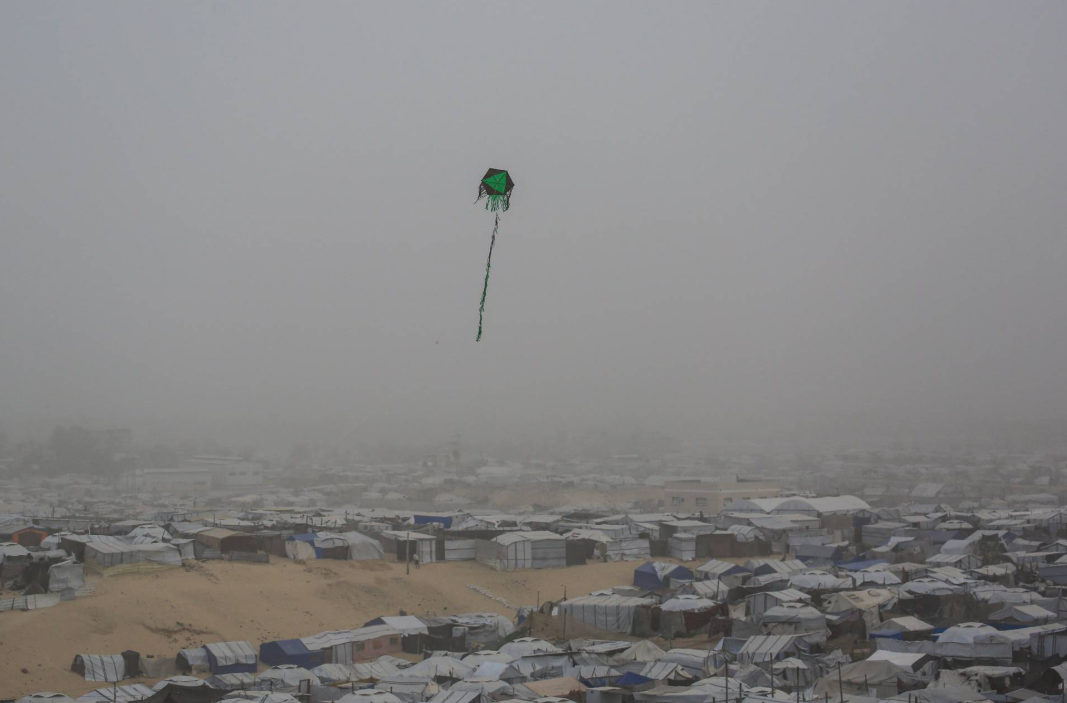
A kite flies over a camp for displaced people in Khan Younis, in the Gaza Strip, on Saturday. (AFP)

Sources close to the committee told Asharq Al-Awsat that Hamas continues to insist that its security personnel remain in service within the agencies that will operate under the committee’s supervision. This position is rejected not only by the committee’s leadership, but also by the executive body of the Peace Council, as well as other parties including the United States and Israel.

The sources said this issue further complicates the committee’s ability to assume its duties in an orderly manner, explaining that Hamas, by insisting on certain demands related to its security employees and police forces, seeks to impose its presence in one way or another within the committee’s work.

The sources added that there is a prevailing sense within the committee and among other parties that Hamas is determined, by all means, to keep its members within the new administrative framework overseeing the Gaza Strip. They noted that Hamas has continued to make new appointments within the leadership ranks of its security services, describing this as part of attempts to undermine plans prepared by Sami Nasman for managing security.

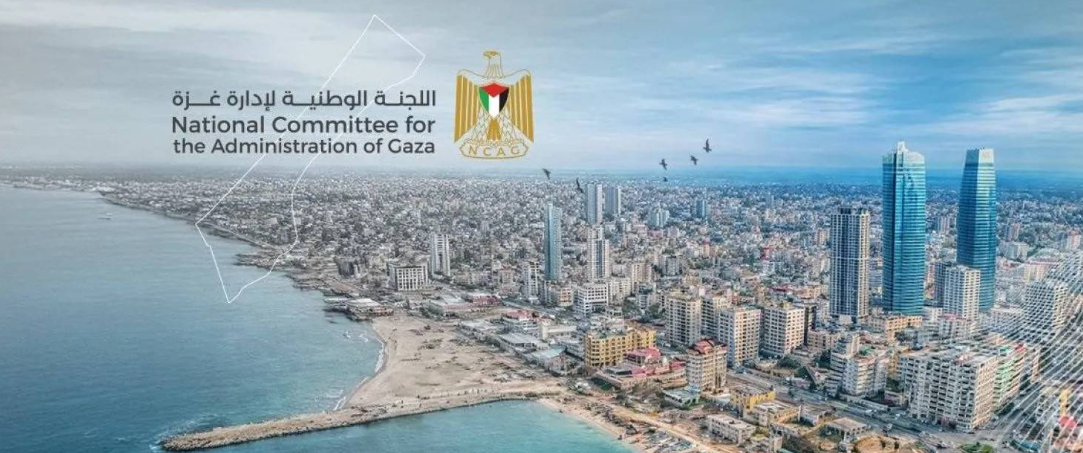
The new logo of the National Committee for the Administration of Gaza, published on its page on X.

Hamas Denies the Allegations

Sources within Hamas denied those accusations. They told Asharq Al-Awsat that Sami Nasman, “as we understand from multiple parties, does not plan to come to Gaza at this time, which raises serious questions about his commitment to managing the Interior portfolio. Without his presence inside the enclave, he cannot exercise his authority, and that would amount to failure.”

The sources said the movement had many reservations about Nasman, who had previously been convicted by Hamas-run courts over what it described as “sabotage” plots. However, given the current reality, Hamas has no objection to his assumption of those responsibilities.

The sources said government institutions in Gaza are ready to hand over authority, noting that each ministry has detailed procedures and a complete framework in place to ensure a smooth transfer without obstacles. They stressed that Hamas is keen on ensuring the success of the National Committee for the Administration of Gaza.

The sources did not rule out the possibility that overarching policies could be imposed on the committee, which would affect its work and responsibilities inside the Gaza Strip, reducing it to merely an instrument for implementing those policies.

Hamas has repeatedly welcomed the committee’s work in public statements, saying it will fully facilitate its mission.

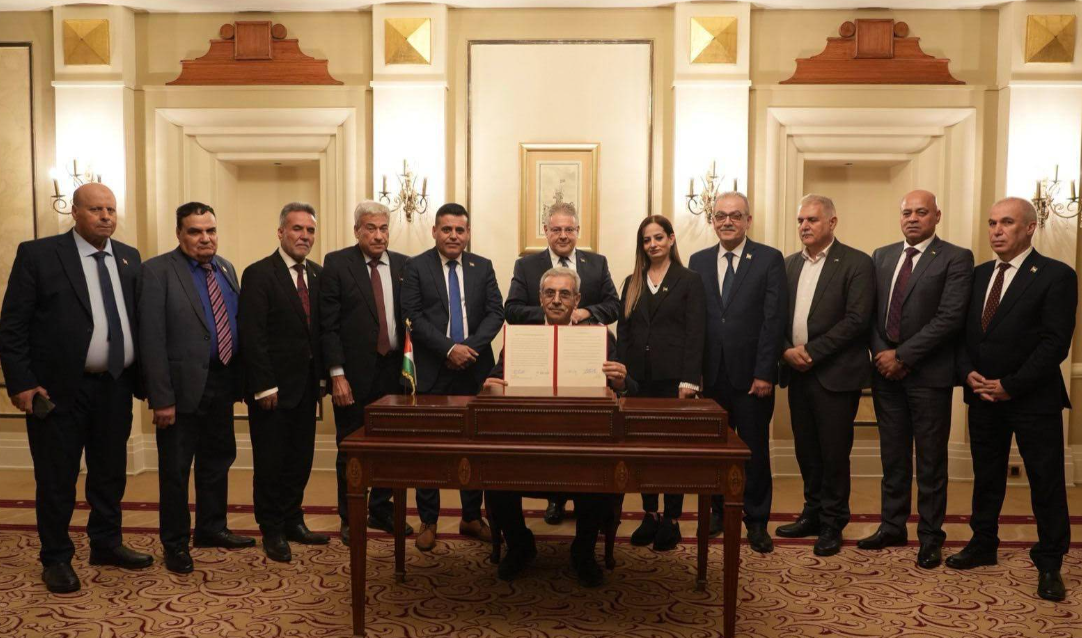
A meeting of the Gaza Administration Committee in Cairo. (File Photo – Egyptian State Information Service)

The Committee’s Position

In a statement issued on Saturday, the National Committee for the Administration of Gaza said that statements and declarations from inside the enclave regarding readiness to transfer the management of all institutions and public facilities represent a step in the interest of citizens and pave the way for the committee to fully assume its responsibilities during the transitional phase.

The committee said that the announcement of readiness for an orderly transition constitutes a pivotal moment for the start of its work as the interim administration of the Gaza Strip, and a real opportunity to halt the humanitarian deterioration and preserve the resilience of residents who have endured severe suffering over the past period, according to the text of the statement.

“Our current priority is to ensure the unimpeded flow of aid, launch the reconstruction process, and create the conditions necessary to strengthen the unity of our people,” the committee said. “This path must be based on clear and defined understandings characterized by transparency and implementability, and aligned with the 20-point plan and UN Security Council Resolution 2803.”

Fighters from Hamas ahead of a prisoner exchange, Feb. 1, 2025. (EPA)

The committee stressed that it cannot effectively assume its responsibilities unless it is granted full administrative and civilian authority necessary to carry out its duties, in addition to policing responsibilities.

“Responsibility requires genuine empowerment that enables it to operate efficiently and independently. This would open the door to serious international support for reconstruction efforts, pave the way for a full Israeli withdrawal, and help restore daily life to normal,” it said.

The committee affirmed its commitment to carrying out this task with a sense of responsibility and professional discipline, and with the highest standards of transparency and accountability, calling on mediators and all relevant parties to expedite the resolution of outstanding issues without delay.

Armed Men in Hospitals

In a related development, the Hamas-run Ministry of Interior and National Security said in a statement on Saturday that it is making continuous and intensive efforts to ensure there are no armed presences within hospitals, particularly involving members of certain families who enter them. The ministry said this is aimed at preserving the sanctity of medical facilities and protecting them as purely humanitarian zones that must remain free of any tensions or armed displays.

The ministry said it has deployed a dedicated police force for field monitoring and enforcement, and to take legal action against violators. It acknowledged facing on-the-ground challenges, particularly in light of repeated Israeli strikes on its personnel while carrying out their duties, which it said has affected the speed of addressing some cases. It said it will continue to carry out its responsibilities with firmness.

Local Palestinian media reported late Friday that Doctors Without Borders decided to suspend all non-urgent medical procedures at Nasser Hospital in Khan Younis starting Jan. 20, 2026, due to concerns related to the management of the facility and the preservation of its neutrality, as well as security breaches inside the hospital complex.

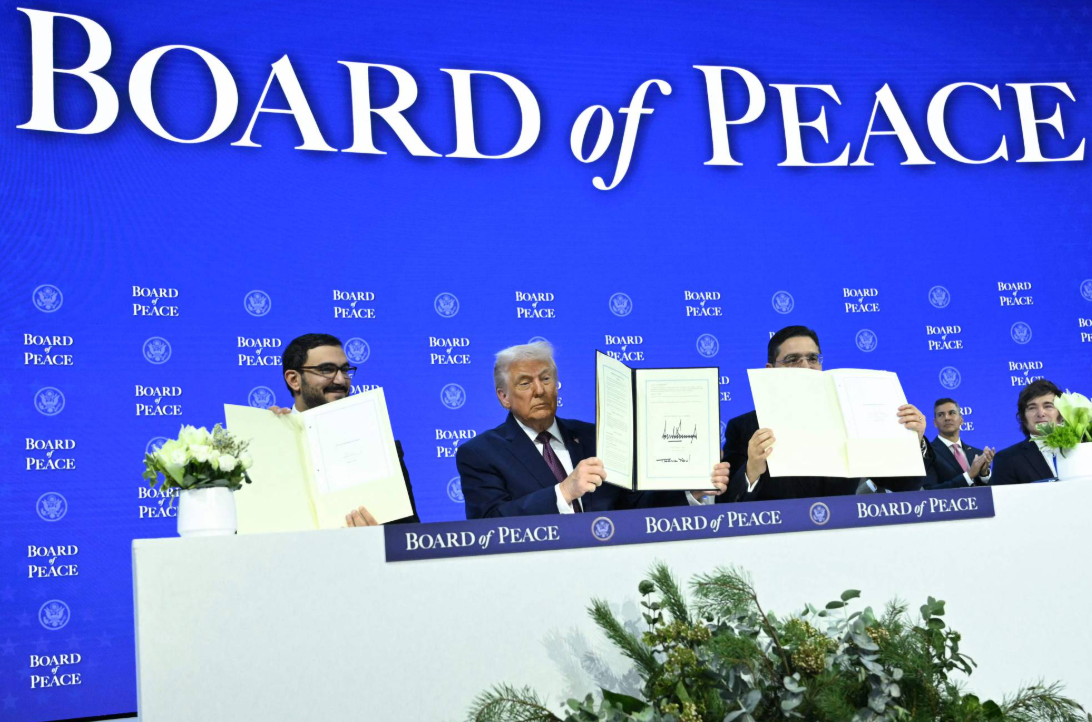
US President Donald Trump holds a document establishing the Peace Council for Gaza in Davos, Switzerland, Jan. 27, 2026. (Reuters)

The organization said in a statement attributed to it, not published on its official platforms or website, that its staff and patients had, in recent months, observed the presence of armed men, some masked, in various areas of the complex, along with incidents of intimidation, arbitrary arrests of patients, and suspected weapons transfers. It said this posed a direct threat to the safety of staff and patients.

Asharq Al-Awsat attempted to obtain confirmation from the organization regarding the authenticity of the statement but received no response.

Field Developments

On the ground, Israeli violations in the Gaza Strip continued. Gunfire from military vehicles and drones, along with artillery shelling, caused injuries in Khan Younis in the south and north of Nuseirat in central Gaza.

Daily demolition operations targeting infrastructure and homes also continued in areas along both sides of the so-called yellow line, across various parts of the enclave.


What is the Two-state Solution to the Israel-Palestinian Conflict?

FILE PHOTO: Smoke rises following an explosion, within the "yellow line" zone, which is controlled by Israel, in Khan Younis in the southern Gaza Strip, February 10, 2026. Picture taken with a phone. REUTERS/Haseeb Alwazeer/File Photo
TT

What is the Two-state Solution to the Israel-Palestinian Conflict?

FILE PHOTO: Smoke rises following an explosion, within the "yellow line" zone, which is controlled by Israel, in Khan Younis in the southern Gaza Strip, February 10, 2026. Picture taken with a phone. REUTERS/Haseeb Alwazeer/File Photo

Israel has taken steps ‌to help settlers acquire land in the occupied West Bank and widen its powers in parts of the territory where Palestinians have some self-rule - measures they said aimed to undermine the two-state solution.

It marks the latest blow to the idea of establishing a Palestinian state co-existing peacefully alongside Israel in territory Israel captured in the 1967 Middle East war. Long backed by world powers, this vision formed the bedrock of the US-backed peace process ushered in by the 1993 Oslo Accords.

But the obstacles have only grown with time. They include accelerating Jewish settlement on occupied land and uncompromising positions on core issues including borders, the fate of Palestinian refugees and the status of Jerusalem.

WHAT ARE ISRAEL'S NEW DECISIONS?

They would expedite settler land purchases by making public previously confidential West Bank land registries, and also repeal a Jordanian law governing land purchases in the West Bank, which was controlled by Jordan from 1948 until 1967.

Further, Israel would expand "monitoring and enforcement actions" to parts of the West Bank known as areas A and B, specifically "regarding water offences, damage to archaeological sites and environmental hazards that pollute the entire region", a statement by the finance and defense ministers said.

The West Bank was split into Areas A, B and C under the Oslo Accords. The Palestinian Authority has full administrative and security control in Area A - 18% of the territory. In Area B, around 22%, ‌the PA runs civil ‌affairs with security in Israeli hands. Most Palestinians in the West Bank live in areas A and B.

Israel ‌has ⁠full control over ⁠the remaining 60% - Area C, including the border with Jordan.

Palestinian President Mahmoud Abbas said the measures violate international law and aim to undermine Palestinian institutions and a future two-state solution.

Ultranationalist Israeli Finance Minister Bezalel Smotrich called the decision a "real revolution" and said, "We will continue to kill the idea of a Palestinian state."

WHAT ARE TWO-STATE SOLUTION'S ORIGINS?

Conflict ignited in British-ruled Palestine between Arabs and Jews who had migrated there, seeking a national home as they fled antisemitic persecution in Europe and citing biblical ties to the land throughout centuries in exile.

In 1947, the United Nations agreed on a plan partitioning Palestine into Arab and Jewish states with international rule over Jerusalem. Jewish leaders accepted the plan, which gave them 56% of the land. The Arab League rejected it.

The state of Israel was declared on May 14, 1948. A day later, five Arab states attacked. The war ended with ⁠Israel controlling 77% of the territory.

Some 700,000 Palestinians fled or were driven from their homes, ending up in Jordan, Lebanon ‌and Syria as well as in the Gaza Strip, the West Bank and East Jerusalem.

In the 1967 ‌war, Israel captured the West Bank, including East Jerusalem, from Jordan and Gaza from Egypt.

Although 157 of the 193 UN member states already recognize Palestine as a state, it is ‌not itself a UN member, meaning most Palestinians are not recognized by the world body as citizens of any state. About nine million live as ‌refugees in Syria, Lebanon, Jordan and territories captured by Israel in 1967. Another 2 million live in Israel as Israeli citizens.

HAS A DEAL EVER BEEN CLOSE?

The Oslo Accords, signed by Israeli Prime Minister Yizhak Rabin and Palestine Liberation Organization Chairman Yasser Arafat, led the PLO to recognize Israel's right to exist and renounce violence. Palestinians hoped this would be a step towards independence, with East Jerusalem as their capital.

The process suffered multiple reverses on both sides.

Hamas killed more than 330 Israelis in suicide attacks from 1994 to 2005, according ‌to Israel's government. In 2007, the group seized Gaza from the PA in a brief civil war. Hamas' 1988 charter advocates Israel's demise, though in recent years it has said it would accept a Palestinian state along 1967 borders. ⁠Israel says that stance is a ⁠ruse.

In 1995, Rabin was assassinated by an ultranationalist Jew seeking to derail any land-for-peace deal.

In 2000, US President Bill Clinton brought Arafat and Israeli Prime Minister Ehud Barak to Camp David to clinch a deal, but it failed, with the future of Jerusalem, deemed by Israel as its "eternal and indivisible" capital, the main obstacle.

The conflict escalated with a second Palestinian intifada (uprising) in 2000 to 2005. US administrations sought to revive peacemaking, to no avail, with the last bid collapsing in 2014.

HOW BIG ARE THE OBSTACLES TODAY?

While Israel withdrew settlers and soldiers from Gaza in 2005, settlements expanded in the West Bank and East Jerusalem, their population rising from 250,000 in 1993 to 700,000 three decades later, according to Israeli organization Peace Now. Palestinians say this undermines the basis of a viable state.

Jewish settlement in the West Bank accelerated sharply after the 2023 start of the Gaza war.

During the Second Intifada two decades ago, Israel also constructed a barrier in the West Bank it said was intended to stop Palestinian suicide bombers from entering its cities. Palestinians call the move a land grab.

The PA led by President Mahmoud Abbas administers islands of West Bank land surrounded by a zone of Israeli control comprising 60% of the territory, including the Jordanian border and the settlements, arrangements set out in the Oslo Accords.

Prime Minister Benjamin Netanyahu's government is the most right-wing in Israeli history and includes religious nationalists who draw support from settlers. Smotrich has said there is no such thing as a Palestinian people.

Hamas and Israel have fought repeated wars over the past two decades, culminating in the attacks on communities in southern Israel on October 7, 2023, that ignited the Gaza war.