From Buenos Aires to Rome: Key Dates in the Life of Pope Francis

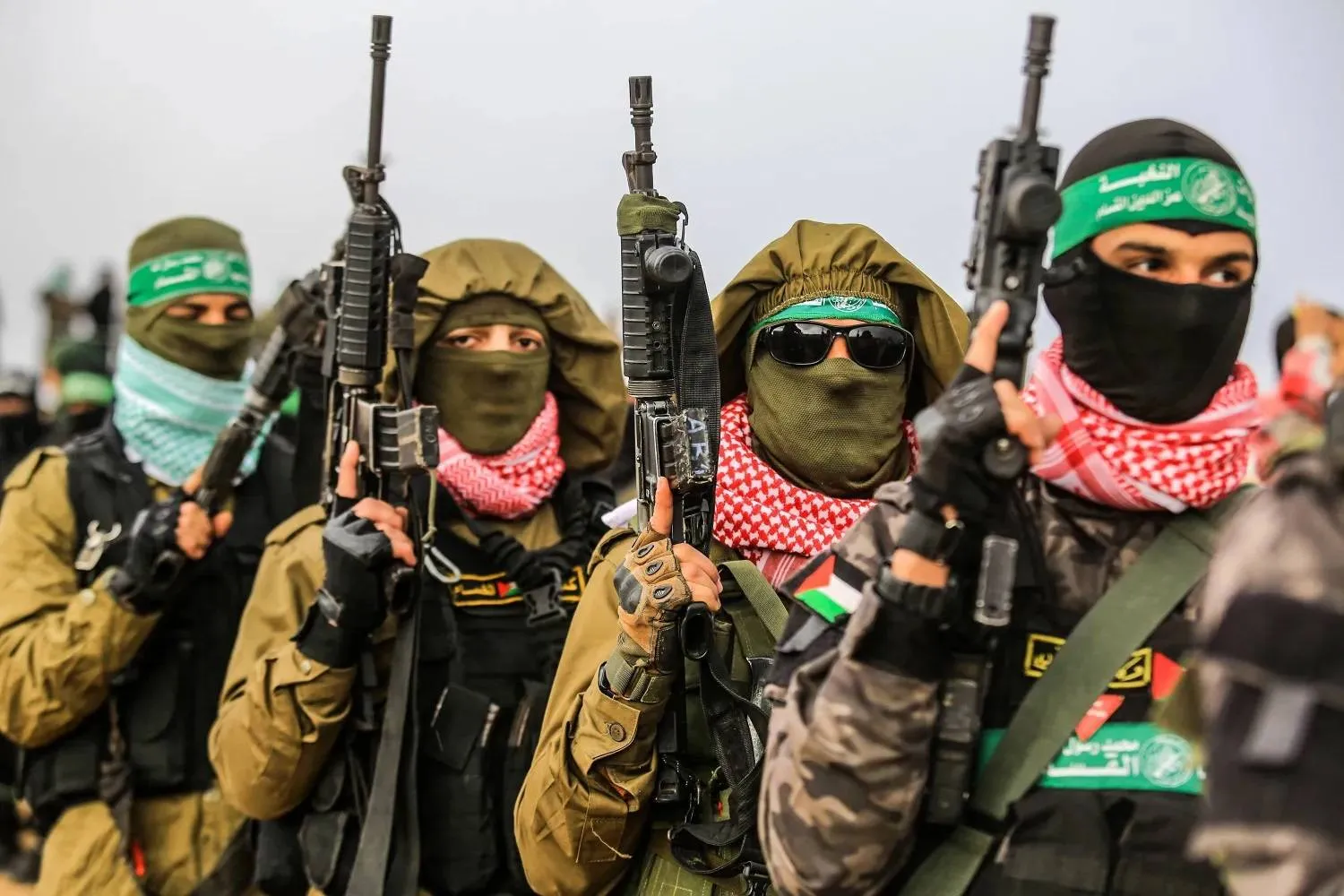
(FILES) Pope Francis waves to the crowd during the weekly general audience on March 20, 2024 at St Peter's square in The Vatican. Pope Francis had a quiet night, the Vatican said on March 12, 2025, amid hopes the 88-year-old might be able to return home soon, after almost four weeks in hospital with pneumonia. (Photo by Filippo MONTEFORTE / AFP)
TT

From Buenos Aires to Rome: Key Dates in the Life of Pope Francis

(FILES) Pope Francis waves to the crowd during the weekly general audience on March 20, 2024 at St Peter's square in The Vatican. Pope Francis had a quiet night, the Vatican said on March 12, 2025, amid hopes the 88-year-old might be able to return home soon, after almost four weeks in hospital with pneumonia. (Photo by Filippo MONTEFORTE / AFP)

Key events in the life of Jorge Mario Bergoglio, who became Pope Francis and died on Monday:
Dec. 17, 1936: Jorge Mario Bergoglio is born in Buenos Aires, Argentina, the eldest of five children to Mario Jose Bergoglio, an accountant from Italy, and Regina María Sívori, the daughter of Italian immigrants.
Dec. 13, 1969: Ordained a priest with the Jesuit religious order, which he would lead as Argentina provincial superior during the country’s murderous dictatorship that began in the 1970s.
May 20, 1992: Named auxiliary bishop of Buenos Aires and in 1998 succeeds Cardinal Antonio Quarracino as archbishop of the Argentine capital.
Feb. 21, 2001: Elevated to cardinal by St. John Paul II.
May 2007: Helps draft the final document of the fifth meeting of the Latin American bishops conference in Aparecida, Brazil, synthesizing what would eventually become his concerns as pope for the poor, Indigenous peoples and the environment and the need for a missionary church.
March 13, 2013: Elected 266th pope, the first from the Americas, the first Jesuit and the first to take the name of Francis, after St. Francis of Assisi.
April 13, 2013: Creates a kitchen cabinet of eight cardinals from around the globe to help him govern the church and reorganize its bureaucracy.
May 12, 2013: Canonizes the “Martyrs of Otranto,” 813 Italians slain in 1480. With one ceremony, Francis nearly doubled the 480 saints made by St. John Paul II over his quarter-century pontificate, which at the time was more than all his predecessors combined for 500 years.
July 8, 2013: Makes first trip outside Rome to the Sicilian island of Lampedusa to meet with newly arrived migrants and denounces the “globalization of indifference” shown to would-be refugees.
July 30, 2013: Declares “Who am I to judge?” when asked about a gay priest during a news conference, signaling a more welcoming stance toward LGBTQ+ community.
Nov. 26, 2013: Issues mission statement for his papacy in Evangelii Gaudium, (“The Joy of the Gospel”), denouncing the world financial system that excludes the poor and declaring the Eucharist is “not a prize for the perfect but a powerful medicine and nourishment for the weak.”
May 25, 2014: Makes an unscheduled stop to pray at wall separating Israel from West Bank town of Bethlehem, in a show of support for the Palestinian cause.
June 8, 2014: Hosts Israeli and Palestinian presidents for peace prayers in the Vatican gardens.
March 20, 2015: Accepts the resignation of the “rights and privileges” of Scottish Cardinal Keith O’Brien after adult men accuse him of sexual misconduct.
June 18, 2015: Issues his environmental manifesto “Laudato Si” (“Praised Be”), calling for a cultural revolution to correct the “structurally perverse” global economic system that exploits the poor and has turned Earth into “an immense pile of filth."
July 10, 2015: Apologizes in Bolivia for the sins and crimes of the Catholic Church against Indigenous peoples during the colonial-era conquest of the Americas.
Sept. 8, 2015: Overhauls the annulment process to make it faster, cheaper and simpler so divorced Catholics can remarry in the church.
Sept. 24, 2015: Challenges Congress to rediscover America’s ideals by acting on climate change, immigration and poverty reduction in the first speech by a pope at the U.S. Capitol.
Nov. 29, 2015: Inaugurates the Jubilee of Mercy by opening the Holy Door of the cathedral in Bangui, Central African Republic, rather than at the Vatican.
Feb. 12, 2016: Meets Russian Orthodox Patriarch Kirill during a stopover in Havana and declares “We are brothers,” in first such meeting between a pope and patriarch in over 1,000 years.
Feb. 18, 2016: Prays for dead migrants at the U.S.-Mexico border, later says then-presidential candidate Donald Trump is “not a Christian” for wanting to build a border wall.
April 8, 2016: Opens the way to letting divorced and civilly remarried Catholics receive Communion in a footnote to the document “Amoris Laetitia” (“The Joy of Love”).
April 16, 2016: Visits a refugee camp in Lesbos, Greece, and brings 12 Syrian Muslims to Rome aboard his papal plane in an appeal for solidarity toward migrants.
Sept. 19, 2016: Is questioned in a letter by four conservative cardinals seeking clarification of his opening to divorced and remarried Catholics.
Dec. 1, 2017: Declares at a meeting in Bangladesh with Myanmar Rohingya refugees that, “The presence of God today is also called Rohingya.”
Jan. 19, 2018: Accuses sex abuse victims of slander during a visit to Chile, further undermining Catholic Church’s credibility. Subsequently orders a Vatican investigation into Chile’s abuse crisis.
April 12, 2018: Admits to “grave errors” in judgment in Chile’s sex abuse scandal. Later summons Chilean bishops to Rome to secure their resignations and invites abuse victims to Vatican to apologize.
Aug. 3, 2018: Declares capital punishment “inadmissible” under all circumstances in a change to official church teaching.
July 28, 2018: Accepts the resignation of Cardinal Theodore McCarrick from the College of Cardinals, orders him to penance and prayer pending an investigation into allegations of sexual misconduct with minors and adults.
Aug. 26, 2018: Retired Vatican ambassador Archbishop Carlo Maria Vigano publishes bombshell accusation claiming U.S. and Vatican officials for two decades covered up McCarrick’s sexual misconduct, demands Francis resign.
Sept. 22, 2018: Vatican and China sign landmark agreement over bishop nominations.
Oct. 14, 2018: Canonizes slain Salvadoran Archbishop Óscar Romero after his saint-making process was held up for decades by conservative cardinals.
Feb. 4, 2019: Signs the “Human Fraternity” document with the imam of Al Azhar, establishing collaborative relations between Catholics and Muslims.
Feb. 16, 2019: Defrocks McCarrick after Vatican investigation finds he sexually abused minors and adults.
Feb. 21, 2019: Opens first Vatican summit on child protection, warns bishops the faithful demand action, not just condemnation of clergy sexual abuse.
May 9, 2019: Issues new church law requiring clergy sex abuse to be reported in-house, although not to police; establishes procedures for investigating accused bishops, cardinals and religious superiors.
Oct. 25, 2019: Apologizes to Amazonian bishops, tribal leaders after conservative activists steal Indigenous statues from Vatican-area church and throw them into Tiber River in show of opposition to the pope.
Nov. 24, 2019: Declares the use and possession of nuclear weapons “immoral” during a visit to Hiroshima and Nagasaki, Japan.
Dec. 17, 2019: Abolishes use of “pontifical secret” in clergy sex abuse cases, allowing bishops to share internal documentation about abusers with law enforcement.
Feb. 12, 2020: Declines to approve ordination of married men as priests after appeals from Amazonian bishops, sidestepping issue in document “Querida Amazonia” (“Beloved Amazon”).
March 27, 2020: Delivers solitary evening prayer to the world facing the coronavirus pandemic from the promenade of St. Peter’s Square.
Oct. 4, 2020: Issues encyclical “Fratelli Tutti” (“Brothers All,”), arguing the pandemic proves theories of market capitalism failed and a new type of politics is needed to promote human fraternity.
Nov. 10, 2020: Vatican report into McCarrick finds Vatican, U.S. bishops, cardinals and popes played down or dismissed reports of sexual misconduct but spares Francis.
March 5-8, 2021: Becomes first pope to visit Iraq, meeting with its top Shiite Muslim cleric.
July 4, 2021: Undergoes intestinal surgery at Rome’s Gemelli hospital, has 33 centimeters (13 inches) of colon removed.
Jan. 5, 2023: Presides at funeral Mass for Pope Benedict XVI.
Jan. 24, 2023: Declares in an Associated Press interview that “Being homosexual is not a crime.”
March 29, 2023: Is admitted to Rome's Gemelli hospital for respiratory infection; is released April 1.
June 7, 2023: Undergoes surgery to remove intestinal scar tissue and repair a hernia in the abdominal wall.
Oct. 4, 2023: Opens a synod on making the church more responsive to ordinary faithful during which women are allowed to vote alongside bishops for the first time.
Nov. 28, 2023: Cancels visit to Dubai to address U.N. climate conference and outline a new ecological manifesto “Laudate Deum” ("Praise God") because of a new case of acute bronchitis.
Dec. 16, 2023: Vatican tribunal convicts Cardinal Angelo Becciu of embezzlement and sentences him to 5½ years in prison in one of several verdicts in a complicated financial trial that aired the city state’s dirty laundry and tested its justice system.
Dec. 19, 2023: Approves blessings for same-sex couples provided they don't resemble marriage, sparking fierce opposition from conservative bishops in Africa, Asia and elsewhere.
July 5, 2024: Vatican excommunicates leading Francis critic Archbishop Carlo Maria Vigano for schism.
Sept. 10, 2024: Some 600,000 people, half of East Timor's population, attend Francis' Mass in Dili in what is believed to be the biggest turnout for a papal event in terms of the proportion of the population.
Dec. 26, 2024: Opens the holy door of Rome's Rebibbia prison, two days after formally inaugurating the 2025 Jubilee.
Jan. 16, 2025: Appears wearing a sling after a fall that bruised his right arm, just weeks after another apparent fall bruised his chin.
Feb. 14, 2025: Is hospitalized after a bout of bronchitis worsens and then develops into a complex lung infection and double pneumonia.
Feb. 28, 2025: His doctors briefly consider suspending treatment after a breathing crisis but decides instead on an aggressive course that risks organ damage.
March 13, 2025: Marks the 12th anniversary of his election as pope while hospitalized.
March 23, 2025: Is released from the hospital after 38 days of treatment but looked weak and frail earlier that day when appearing on a balcony to greet the crowd below.
April 17, 2025: Still recovering from double pneumonia, Francis keeps his Holy Thursday tradition of spending time with the least fortunate, visiting inmates at Rome's Regina Caeli prison. Although he says he couldn’t perform the ritual of washing the feet of 12 people in a gesture of humility, he adds he wanted to be with them and “do what Jesus did on Holy Thursday.”



Iraq’s Dreams of Wheat Independence Dashed by Water Crisis 

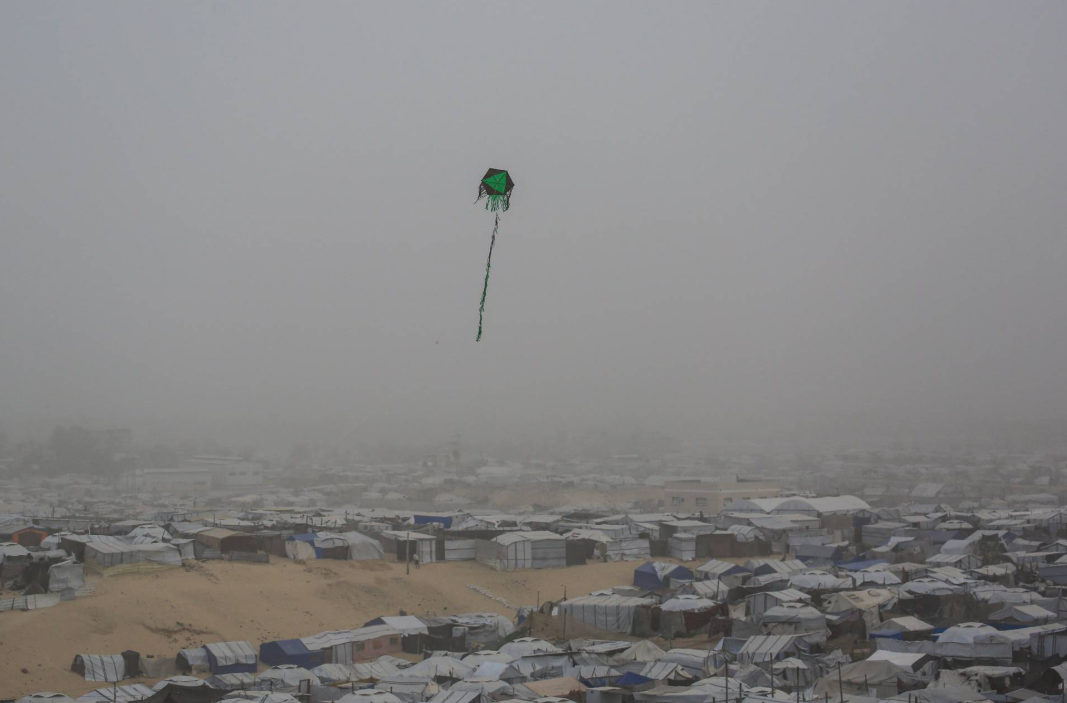
A drone view shows a circular wheat field in the desert of Basra, Iraq, November 27, 2025. (Reuters)
TT

Iraq’s Dreams of Wheat Independence Dashed by Water Crisis 

A drone view shows a circular wheat field in the desert of Basra, Iraq, November 27, 2025. (Reuters)

Iraqi wheat farmer Ma'an al-Fatlawi has long depended on the nearby Euphrates River to feed his fields near the city of Najaf. But this year, those waters, which made the Fertile Crescent a cradle of ancient civilization 10,000 years ago, are drying up, and he sees few options.

"Drilling wells is not successful in our land, because the water is saline," al-Fatlawi said, as he stood by an irrigation canal near his parched fields awaiting the release of his allotted water supply.

A push by Iraq - historically among the Middle East's biggest wheat importers - to guarantee food security by ensuring wheat production covers the country's needs has led to three successive annual surpluses of the staple grain.

But those hard-won advances are now under threat as the driest year in modern history and record-low water levels in the Tigris and Euphrates rivers have reduced planting and could slash the harvest by up to 50% this season.

"Iraq is facing one of the most severe droughts that has been observed in decades," the UN Food and Agriculture Organization's Iraq representative Salah El Hajj Hassan told Reuters.

VULNERABLE TO NATURE AND NEIGHBORS

The crisis is laying bare Iraq's vulnerability.

A largely desert nation, Iraq ranks fifth globally for climate risk, according to the UN's Global Environment Outlook. Average temperatures in Iraq have risen nearly half a degree Celsius per decade since 2000 and could climb by up to 5.6 C by the end of the century compared to the period before industrialization, according to the International Energy Agency. Rainfall is projected to decline.

But Iraq is also at the mercy of its neighbors for 70% of its water supply. And Türkiye and Iran have been using upstream dams to take a greater share of the region's shared resource.

The FAO says the diminishing amount of water that has trickled down to Iraq is the biggest factor behind the current crisis, which has forced Baghdad to introduce rationing.

Iraq's water reserves have plunged from 60 billion cubic meters in 2020 to less than 4 billion today, said El Hajj Hassan, who expects wheat production this season to drop by 30% to 50%.

"Rain-fed and irrigated agriculture are directly affected nationwide," he said.

EFFORTS TO END IMPORT DEPENDENCE UNDER THREAT

To wean the country off its dependence on imports, Iraq's government has in recent years paid for high-yield seeds and inputs, promoted modern irrigation and desert farming to expand cultivation, and subsidized grain purchases to offer farmers more than double global wheat prices.

It is a plan that, though expensive, has boosted strategic wheat reserves to over 6 million metric tons in some seasons, overwhelming Iraq's silo capacity. The government, which purchased around 5.1 million tons of the 2025 harvest, said in September that those reserves could meet up to a year of demand.

Others, however, including Harry Istepanian - a water expert and founder of Iraq Climate Change Center - now expect imports to rise again, putting the country at greater risk of higher food prices with knock-on effects for trade and government budgets.

"Iraq's water and food security crisis is no longer just an environmental problem; it has immediate economic and security spillovers," Istepanian told Reuters.

A preliminary FAO forecast anticipates wheat import needs for the 2025/26 marketing year to increase to about 2.4 million tons.

Global wheat markets are currently oversupplied, offering cheaper options, but Iraq could once again face price volatility.

A person walks along the edge of uncultivated farmland on the outskirts of Najaf, where dry soil stretches across fields left unplanted due to water shortages, in Najaf, Iraq, November 29, 2025. (Reuters)

Iraq's trade ministry did not respond to a request for comment on the likelihood of increased imports.

In response to the crisis, the ministry of agriculture capped river-irrigated wheat at 1 million dunams in the 2025/26 season - half last season's level - and mandated modern irrigation techniques including drip and sprinkler systems to replace flood irrigation through open canals, which loses water through evaporation and seepage.

A dunam is a measurement of area roughly equivalent to a quarter acre.

The ministry is allocating 3.5 million dunams in desert areas using groundwater. That too is contingent on the use of modern irrigation.

"The plan was implemented in two phases," said Mahdi Dhamad al-Qaisi, an advisor to the agriculture minister. "Both require modern irrigation."

Rice cultivation, meanwhile, which is far more water-intensive than wheat, was banned nationwide.

RURAL LIVELIHOODS AT RISK

One ton of wheat production in Iraq requires about 1,100 cubic meters of water, said Ammar Abdul-Khaliq, head of the Wells and Groundwater Authority in southern Iraq. Pivoting to more dependence on wells to replace river water is risky.

"If water extraction continues without scientific study, groundwater reserves will decline," he said.

Basra aquifers, he said, have already fallen by three to five meters.

Groundwater irrigation systems are also expensive due to the required infrastructure like sprinklers and concrete basins. That presents a further economic challenge to rural Iraqis, who make up around 30% of the population.

Some 170,000 people have already been displaced in rural areas due to water scarcity, the FAO's El Hajj Hassan said.

"This is not a matter of only food security," he said. "It's worse when we look at it from the perspective of livelihoods."

At his farm in Najaf, al-Fatlawi is now experiencing that first-hand, having cut his wheat acreage to a fifth of its normal level this season and laid off all but two of his 10 workers.

"We rely on river water," he said.


Report: Assad Returns to Ophthalmology, His Family Lives in Russian Luxury  

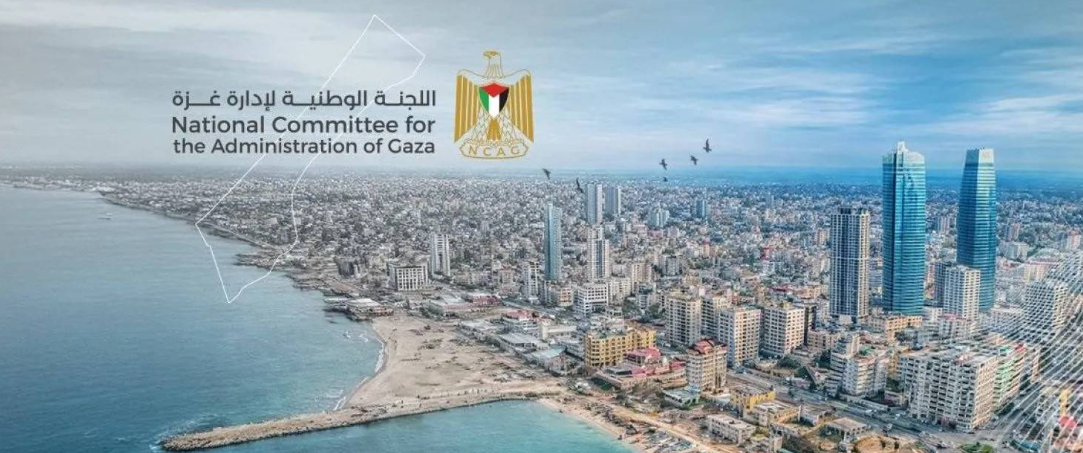
Bashar al-Assad with his wife, Asma, walk with their children in the northern Syrian city of Aleppo in 2022. (Former Syrian presidency Facebook page/AFP/Getty Images)
TT

Report: Assad Returns to Ophthalmology, His Family Lives in Russian Luxury  

Bashar al-Assad with his wife, Asma, walk with their children in the northern Syrian city of Aleppo in 2022. (Former Syrian presidency Facebook page/AFP/Getty Images)

A year after his regime was toppled in Syria, Bashar al-Assad's family is living an isolated, quiet life of luxury in Moscow.

A friend of the family, sources in Russia and Syria, as well as leaked data, helped give rare insight into the lives of the now reclusive family who once ruled over Syria with an iron fist.

Bashar now sits in the classroom, taking ophthalmology lessons, according to a well-placed source.

“He’s studying Russian and brushing up on his ophthalmology again,” a friend of the Assad family, who has kept in touch with them, told The Guardian.

“It’s a passion of his, he obviously doesn’t need the money. Even before the war in Syria began, he used to regularly practice his ophthalmology in Damascus,” they continued, suggesting the wealthy elite in Moscow could be his target clientele.

The family are likely to reside in the prestigious Rublyovka, a gated community of Moscow’s elite, according to two sources with knowledge of the situation. There they would rub shoulders with the likes of the former Ukrainian president Viktor Yanukovych, who fled Kyiv in 2014 and is believed to live in the area, according to The Guardian.

The Assads are not wanting for money. After being cut off from much of the world’s financial system by western sanctions in 2011 after Assad’s bloody crackdown on protesters, the family put much of their wealth in Moscow, where western regulators could not touch it.

Despite their cushy abode, the family are cut off from the elite Syrian and Russian circles they once enjoyed. Bashar’s 11th-hour flight from Syria left his cronies feeling abandoned and his Russian handlers prevent him from contacting senior regime officials.

Assad fled with his sons out of Damascus in the early hours of December 8, 2024, as Syrian opposition fighters approached the capital from the north and the south. They were met by a Russian military escort and were taken to the Russian Hmeimim airbase, where they were flown out of the country.

Assad did not warn his extended family or close regime allies of the impending collapse, instead leaving them to fend for themselves.

A friend of Maher al-Assad, Bashar’s brother and a top military official, who knows many former members of the palace said: “Maher had been calling Bashar for days but he wouldn’t pick up.”

“He stayed in the palace until the last second, opposition fighters found his shisha coals still warm. It was Maher, not Bashar, who helped others escape. Bashar only cared about himself.”

“It’s a very quiet life,” said the family friend. “He has very little, if any, contact with the outside world. He’s only in touch with a couple of people who were in his palace, like Mansour Azzam [former Syrian minister of presidency affairs] and Yassar Ibrahim [Assad’s top economic crony].”

‘Irrelevant’ to Putin

A source close to the Kremlin said Assad was also largely “irrelevant” to Putin and Russia’s political elite. “Putin has little patience for leaders who lose their grip on power, and Assad is no longer seen as a figure of influence or even an interesting guest to invite to dinner,” the source said.

In the first months after the Assads’ escape, his former regime allies were not on Bashar’s mind. The family gathered in Moscow to support Asma, the British-born former first lady of Syria, who had had leukemia for years and whose condition had become critical. She had been receiving treatment in Moscow before the fall of the Assad regime.

According to a source familiar with the details of Asma’s health, the former first lady has recovered after experimental therapy under the supervision of Russia’s security services

With Asma’s health stabilized, the former dictator is keen to get his side of the story out. He has lined up interviews with RT and a popular rightwing American podcaster, but is waiting for approval from Russian authorities to make a media appearance.

Russia appears to have blocked Assad from any public appearance. In a rare November interview with Iraqi media about Assad’s life in Moscow, Russia’s ambassador to Iraq, Elbrus Kutrashev, confirmed that the toppled dictator was barred from any public activity.

“Assad may live here but cannot engage in political activities ... He has no right to engage in any media or political activity. Have you heard anything from him? You haven’t, because he is not allowed to – but he is safe and alive,” Kutrashev said.

Assad children dazed

Life for the Assad children in contrast seems to continue with relatively little disruption, as they adjust to a new life as Moscow elite.

The family friend, who met some of the children a few months ago, said: “They’re kind of dazed. I think they’re still in a bit of a shock. They’re just kind of getting used to life without being the first family.”

The only time the Assad family – without Bashar – have been seen together in public since the end of their regime was at his daughter Zein al-Assad’s graduation on June 30, where she received a degree in international relations from MGIMO, the elite Moscow university attended by much of Russia’s ruling class.

A photograph on MGIMO’s official website shows the 22-year-old Zein standing with other graduates. In a blurry separate video from the event, members of the Assad family, including Asma and her two sons Hafez, 24, and Karim, 21, can be seen in the audience.

Two of Zein’s classmates who attended the ceremony confirmed that parts of the Assad family were present, but said they kept a low profile. “The family did not stay long and did not take any pictures with Zein on stage like other families,” said one of the former classmates, speaking on condition of anonymity.

Hafez, once groomed as Bashar’s potential successor, has largely withdrawn from public view since posting a Telegram video in February in which he offered his own account of the family’s flight from Damascus, denying they had abandoned their allies and claiming it was Moscow that ordered them to leave Syria.

Syrians quickly geolocated Hafez, who took the video while walking the streets of Moscow.

Hafez has closed most of his social media, instead registering accounts under a pseudonym taken from an American children’s series about a young detective with dyslexia, according to leaked data. The children and their mother spend much of their time shopping, filling their new Russian home with luxury goods, according to the source close to the family.


Rebuilding the Army: One of the Syrian Govt’s Greatest Challenges

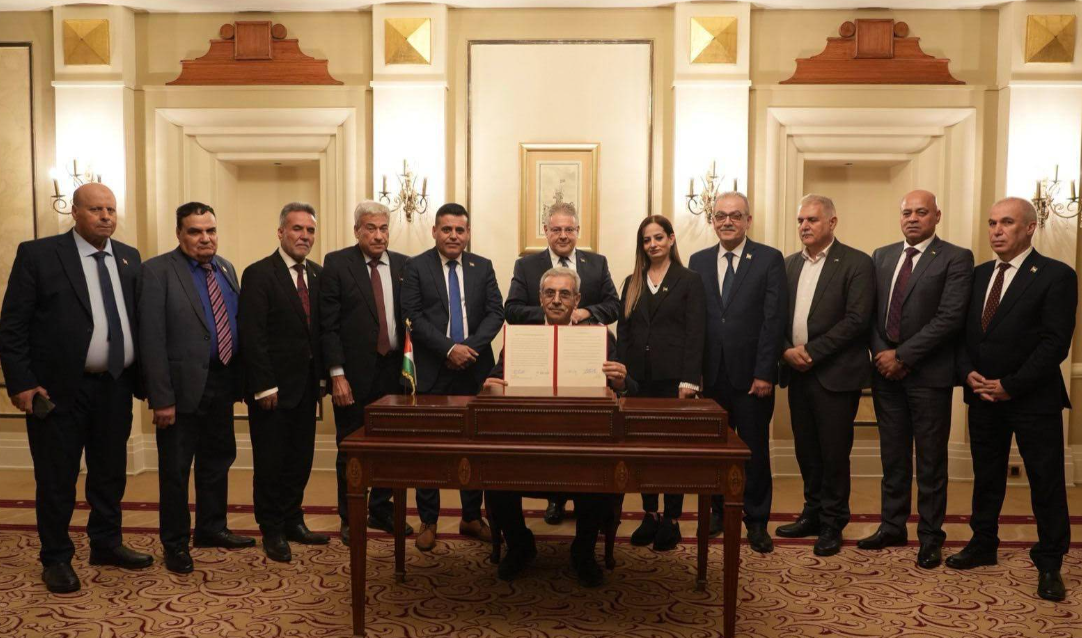
Soldiers and police officers from the former Syrian regime handing in weapons last year to new security forces in Latakia, Syria. (Ivor Prickett for The New York Times)
TT

Rebuilding the Army: One of the Syrian Govt’s Greatest Challenges

Soldiers and police officers from the former Syrian regime handing in weapons last year to new security forces in Latakia, Syria. (Ivor Prickett for The New York Times)

When opposition factions in Syria came to power a year ago, one of their first acts was to dismiss all of the country’s military forces, which had been used as tools of repression and brutality for five decades under the rule of Bashar al-Assad and his family.

Now, one of the biggest challenges facing the nascent government is rebuilding those forces, an effort that will be critical in uniting this still-fractured country.

But to do so, Syria’s new leaders are following a playbook that is similar to the one they used to set up their government, in which President Ahmed al-Sharaa has relied on a tightknit circle of loyalists.

The military’s new command structure favors former fighters from Sharaa’s former Hayat Tahrir al-Sham group.

The Syrian Defense Ministry is instituting some of the same training methods, including religious instruction, that Sharaa’s former opposition group used to become the most powerful of all the factions that fought the Assad regime during Syria’s civil war.

The New York Times interviewed nearly two dozen soldiers, commanders and new recruits in Syria who discussed the military training and shared their concerns. Nearly all spoke on the condition of anonymity because the Defense Ministry bars soldiers from speaking to the media.

Several soldiers and commanders, as well as analysts, said that some of the government’s rules had nothing to do with military preparedness.

The new leadership was fastidious about certain points, like banning smoking for on-duty soldiers. But on other aspects, soldiers said, the training felt disconnected from the needs of a modern military force.

Last spring, when a 30-year-old former opposition fighter arrived for military training in Syria’s northern province of Aleppo, instructors informed roughly 1,400 new recruits that smoking was not permitted. The former fighter said one of the instructors searched him and confiscated several cigarette packs hidden in his jacket.

The ban pushed dozens of recruits to quit immediately, and many more were kicked out for ignoring it, according to the former fighter, a slender man who chain-smoked as he spoke in Marea, a town in Aleppo Province. After three weeks, only 600 recruits had made it through the training, he said.

He stuck with it.

He said he was taken aback by other aspects of the training. The first week was devoted entirely to Islamic instruction, he said.

Soldiers and commanders said the religious training reflected the ideology that the HTS espoused when it was in power in Idlib, a province in northwestern Syria.

A Syrian defense official, who spoke on the condition of anonymity because he was not authorized to speak publicly, said the government had not decided whether minorities would be allowed to enlist.

Syria’s leaders are relying on a small circle of trusted comrades from HTS to lead and shape the new military, several soldiers, commanders and recruits said.

The Syrian Defense Ministry did not respond to a detailed list of questions or repeated requests for comment.

After abolishing conscription, much hated under the Assad regime, the new military recruited volunteers and set qualifications like a ninth-grade education, physical fitness and the ability to read.

But soldiers who had fought with the opposition in the civil war were grandfathered into the ranks, even if they did not fulfill all the criteria, according to several soldiers and commanders.

“They are bringing in a commander of HTS who doesn’t even have a ninth-grade education and are putting him in charge of a battalion,” said Issam al-Reis, a senior military adviser with Etana, a Syrian research group, who has spoken to many former opposition fighters currently serving in the military. “And his only qualification is that he was loyal to Ahmed al-Sharaa.”

Former HTS fighters, like fighters from many other factions, have years of guerrilla-fighting experience from the war to oust the Assad dictatorship. But most have not served as officers in a formal military with different branches such as the navy, air force and infantry and with rigid command structures, knowledge that is considered beneficial when rebuilding an army.

“The strength of an army is in its discipline,” Reis added.

Most soldiers and commanders now start with three weeks of basic training — except those who previously fought alongside Sharaa’s group.

The government has signed an initial agreement with Türkiye to train and develop the military, said Qutaiba Idlbi, director of American affairs at the Syrian Foreign Ministry. But the agreement does not include deliveries of weapons or military equipment, he said, because of American sanctions remaining on Syria.

Col. Ali Abdul Baqi, staff commander of the 70th Battalion in Damascus, is among the few high-level commanders who was not a member of the HTS. Speaking from his office in Damascus, Abdul Baqi said that had he been in Sharaa’s place, he would have built the new military in the same way.

“They aren’t going to take a risk on people they don’t know,” said the colonel, who commanded another opposition group during the civil war.

Some senior commanders said the religious instruction was an attempt to build cohesion through shared faith, not a way of forcing a specific ideology on new recruits.

“In our army, there should be a division focused on political awareness and preventing crimes against humanity and war crimes,” said Omar al-Khateeb, a law graduate, former opposition fighter and current military commander in Aleppo province. “This is more important than training us in religious doctrine we already know.”

*Raja Abdulrahim for The New York Times