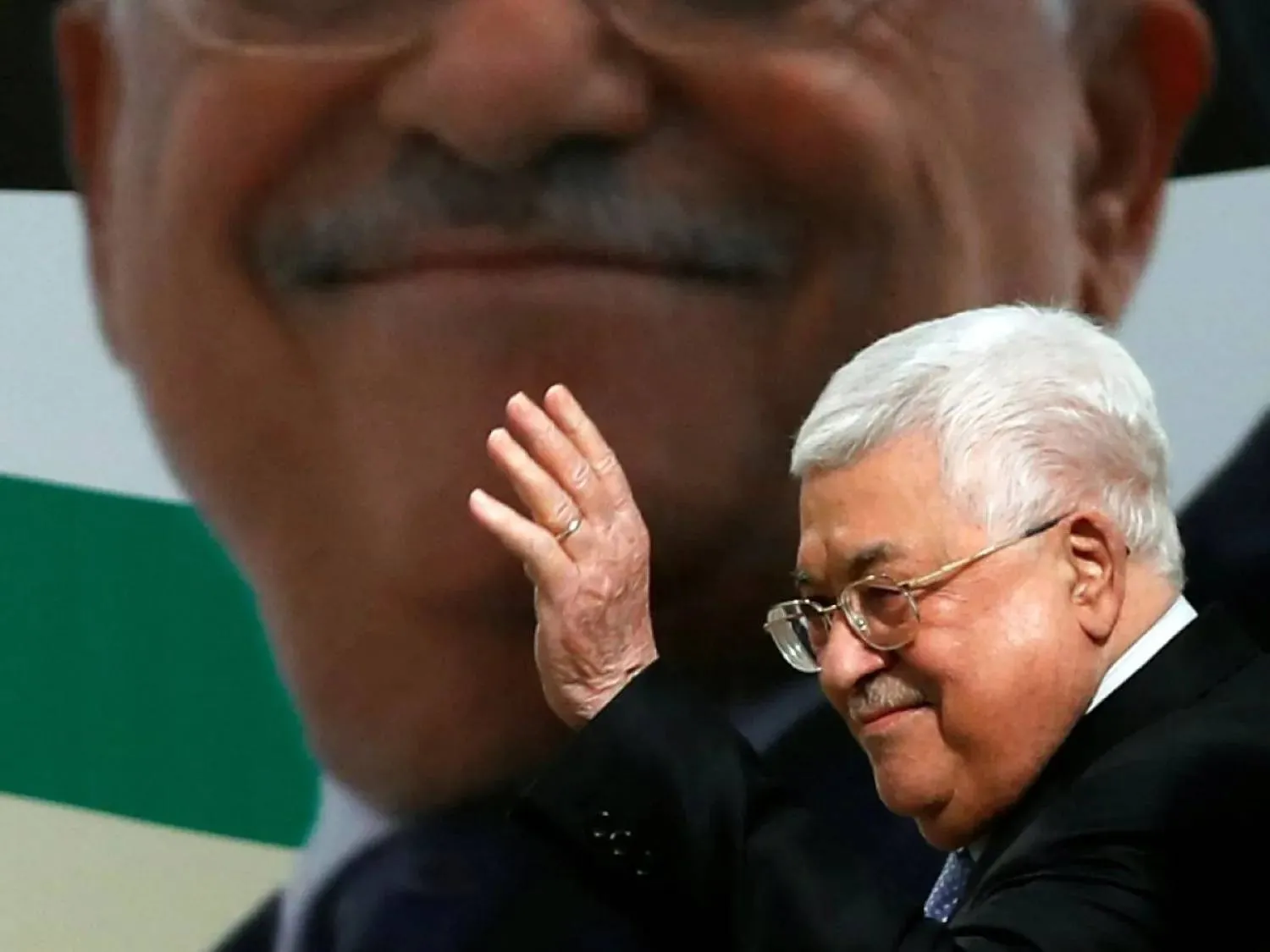

Soon after becoming Palestinian Authority president in 2005, Mahmoud Abbas met Fatah cadres in Bethlehem. They had accused a particular official of corruption over his support for Israeli projects. Abbas asked for any evidence so he could hold the official to account at once.
His message was clear: he had come to reform the authority, which he too had accused of corruption as prime minister. And he had his own way of doing it.
Over the years, Abbas repeated that pledge to leaders near and far, to the Fatah movement he leads, to other factions, to the international community and to local civil society groups. He set up an anti-corruption commission, but there were no clear results on the ground.
Reform was underway, without doubt. But it was long, slow, difficult and complicated, like everything else in the Palestinian territories. Then came Oct. 7, 2023, after 18 years of Abbas's rule. Everything changed.
Reform as the price of survival
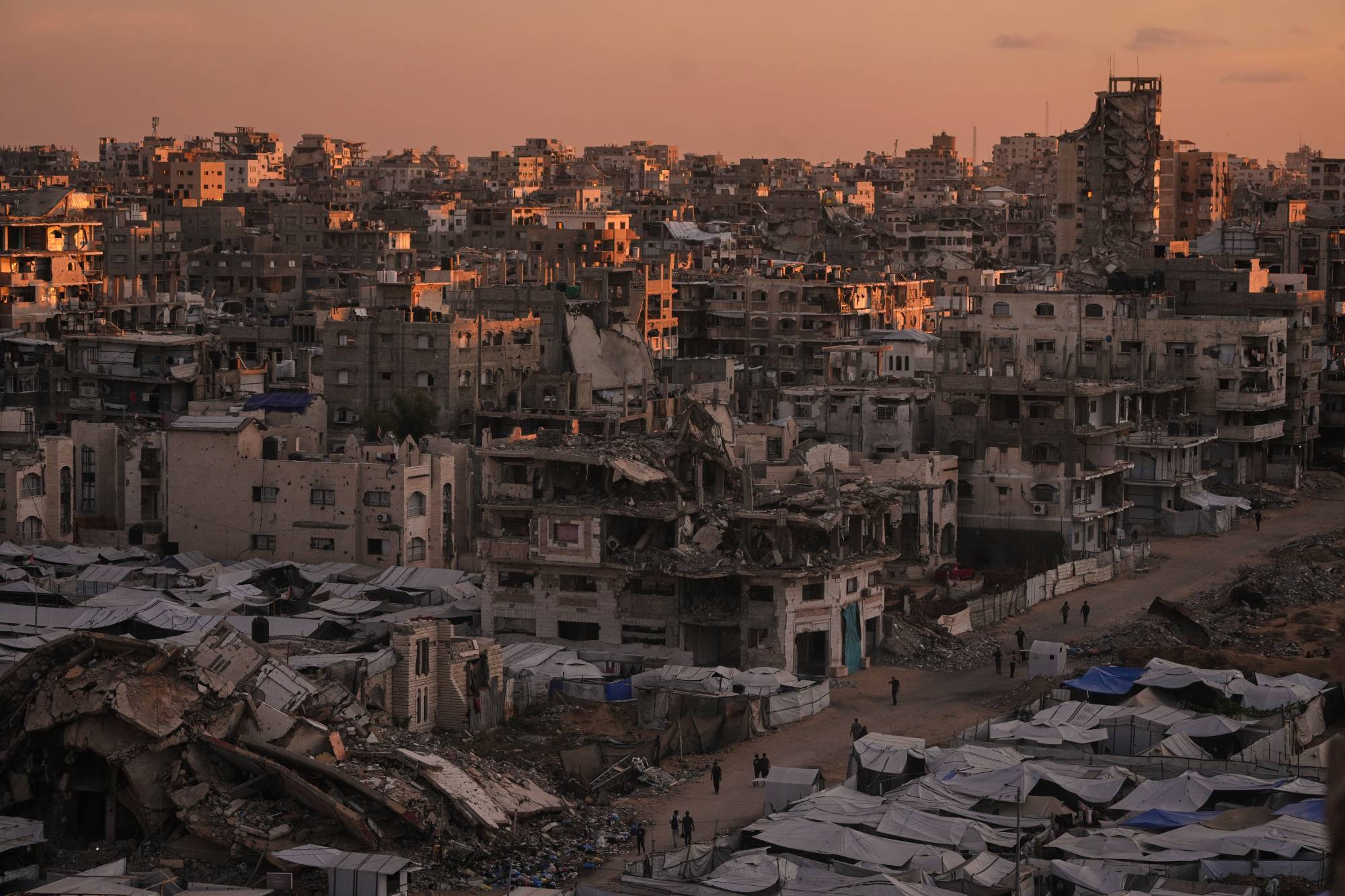
Abbas had spoken of reform thousands of times and promised it thousands more. After Oct. 7, he faced a different demand for the first time: sweeping, difficult reforms as the price of survival.
"They asked for a lot of reforms," a senior Palestinian official told Asharq Al-Awsat. "After the war in the Gaza Strip, they used that label — reforms — to include demands that had nothing to do with real reform ... cutting salaries and changing curricula. They also demanded presidential and legislative elections. All of this was a condition for engaging with the authority and supporting it ... and we said ‘yes’."
"We have a thousand objections to US President Donald Trump's plan for the Gaza Strip, and we said ‘yes’. We have a thousand objections to the reform plan linked to it, and we said ‘yes’," he added.
"They treat us as if we are the only country that needs reforms. And we accepted. We went ahead because we want to stop the war, remove the pretexts and launch a political process. This was not a situation we chose. But we agreed and moved forward. Will they now move forward and fulfill their obligations?"
Abbas needed little pressure. He understood the implications of Oct. 7 and soon launched sweeping reforms that began to reshape the entire Palestinian Authority.
After the war, everyone disagreed on everything except one thing: the authority had to be reformed.
A source familiar with the matter said Abbas began making major changes early, seeking to present the Palestinian Authority as a new administration and a credible political partner in a changing region.
Securing a role after the war
The question of the day after the war loomed large. According to the source, everyone told Abbas that without reform and change, he would have no role as a partner or participant in anything. No authority. No Gaza. No future state.
That was precisely what Israeli Prime Minister Benjamin Netanyahu wanted. After Oct. 7, he sought to get rid of Abbas, the PA and Oslo Accords.
Abbas understood this from more than his conversations with others. Netanyahu's war against the PA and in the West Bank, followed by his declaration that the Oslo Accords were "Israel's big mistake," confirmed it. Since Oct. 7, 2023, Israel has effectively treated the PA as if it did not exist.
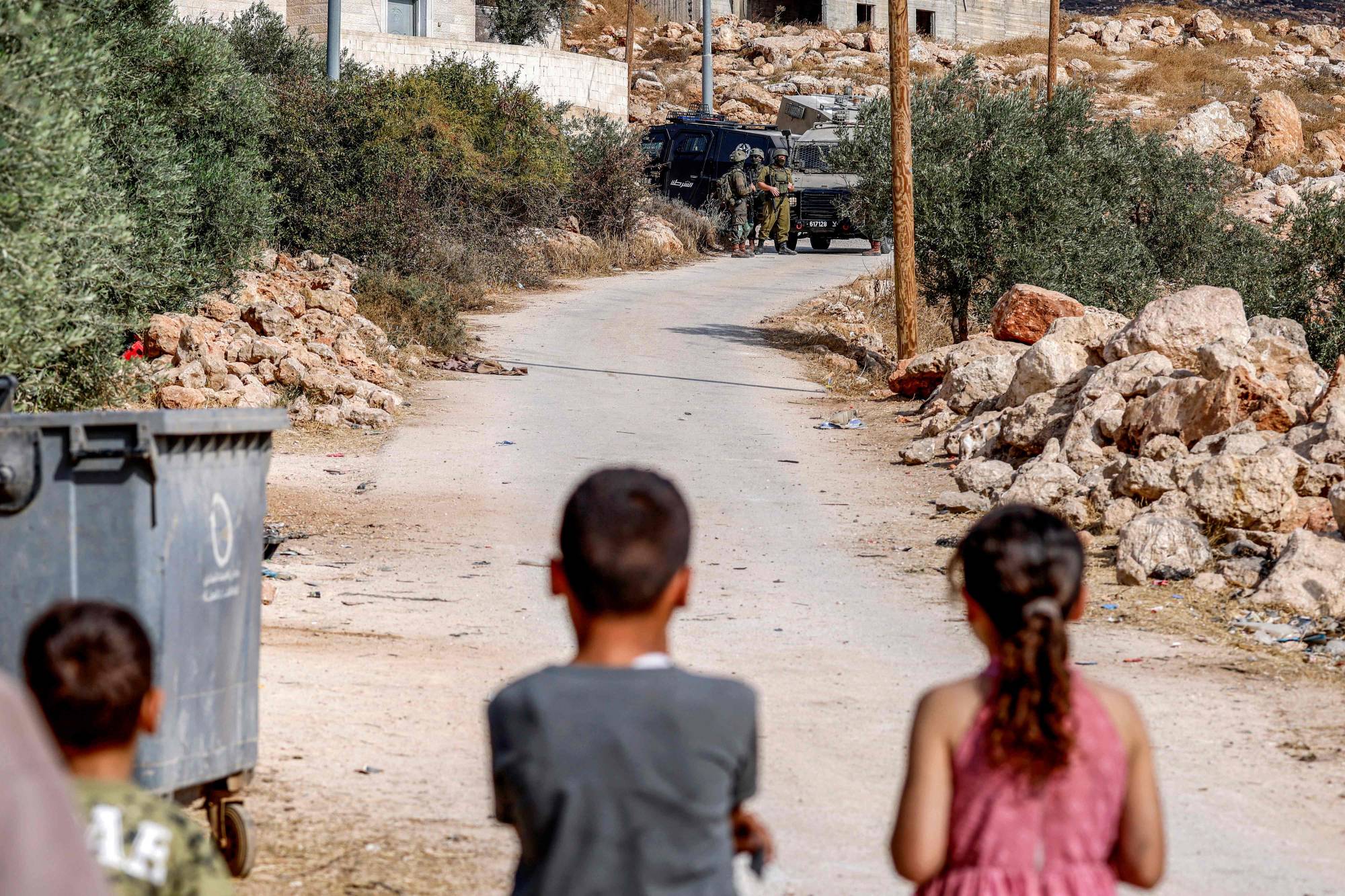
Israel escalated its operations in the West Bank. The army attacked cities, refugee camps and towns, permanently occupying some. It killed Palestinians in airstrikes, made arrests and destroyed infrastructure. Settlers were given free rein to kill, attack and seize vast areas by force.
Israel then withheld funds from the PA and amended laws on control, governance and jurisdiction in several areas in the heart of the West Bank. The aim was to eliminate its role and reshape control of the territory.
The PA was at its lowest point. Its very survival was at stake. Abbas had few choices: fight Israel, dissolve the authority or respond to the world and his allies.
From 'authority' to 'state'
War was off the agenda. The PA was not considering dissolving itself. Abbas set about changing what he could. In February 2024, just four months after the war began, he accepted the resignation of Mohammad Shtayyeh's government. He later formed a government headed by Mohammad Mustafa.
It immediately pledged institutional reform, a fight against corruption, greater transparency and accountability, and reforms of the judiciary, public finances and security. It also promised to unify institutions in the West Bank and Gaza Strip.
That was Abbas's first step toward reform. It soon grew into a broader transformation of the PA.
He issued a decree reconstituting the Central Elections Commission, then a constitutional declaration governing the transfer of the PA presidency if the post became vacant.
Next came a decree-law restructuring social assistance, including ending salary payments to Palestinian prisoners and fighters. He then created the posts of deputy chairman of the Palestine Liberation Organization's Executive Committee and vice president of the State of Palestine.
He formed a committee to draft an interim constitution for the transition from "authority" to "state."
A new constitutional declaration followed. It stipulated that, if the PA presidency became vacant, the deputy chairman of the PLO Executive Committee, who also serves as vice president of the State of Palestine, would temporarily assume presidential duties.
Abbas then initiated local elections in the West Bank and Gaza, called for Palestinian National Council elections and set legislative elections for Nov. 28. Presidential elections were scheduled for the first quarter of 2027.
Fatah elections and sweeping change
Fatah's elections were part of the wider push for change. One of the most significant steps came last year, when Abbas elevated Hussein al-Sheikh to vice president of the State of Palestine and deputy chairman of the PLO Executive Committee.
This year, he also elevated Sheikh to Fatah's deputy leadership after the movement held its eighth congress and elected a new Central Committee.
His rise to all these posts in just two years established Sheikh as a potential successor to Abbas. He is acceptable to the Americans, who contact him regularly. He is also very close to influential Arab officials and leaders and has channels of communication with Israeli officials.
His rise followed major changes within the PA. The heads of almost all its security agencies were replaced, and hundreds of officers holding the rank of brigadier general were retired by presidential decree.
Work is also underway to change Palestinian school curricula.
"Abbas wanted to put the internal house in order while responding to demands for reform," a source familiar with the matter said. "To put the PA's affairs in order and ensure a peaceful, smooth transition. That serves everyone — those at home first, then others.”
If Abbas follows through and holds legislative and presidential elections, he will have kept his promises on democratic renewal and reform. But whether the elections will be held or postponed remains unclear.
Sources said any postponement would be agreed through consultations with the Arab group.
"It would not be an open-ended postponement, but one tied to another specific date," the sources told Asharq Al-Awsat.
‘We kept our promises. What about you?’
Whatever happens with the elections, the PA is trying to make its case: it has met every demand for political and financial reform and the transfer of power, down to salaries and curricula. What more is required?
In a recorded address to the United Nations last month, after the Americans barred him from entering their country, Abbas told the world: “We completed the national reform program to which we had committed before our people and the international community. We strengthened institutional governance, public financial management, transparency, accountability, anti-corruption measures, and the rule of law.”
“We established a unified needs-based national system for social protection and social welfare, abolished the previous laws and regulations on this matter, and obtained an independent international audit confirming the validity of our measures,” he added.
“We also continue to reform the education system and develop criteria and curricula in accordance with international standards and in cooperation with UNESCO in a manner that promotes the values of peace, tolerance, and respect for others while preserving our national identity and the rights of our people,” he said. “We also proceeded along the path of democratic revival and the empowerment of women and youth.”
“We have held local council elections and elections for the General Union of Palestinian Students. We are headed towards our legislative elections on November 28. And this will be followed by the completion of the renewal of the institutions of the Palestinian National Council, followed by the Palestinian presidential elections.”
It was as if Abbas were saying: “I have done everything you asked. Will you now give me something I am asking for?”