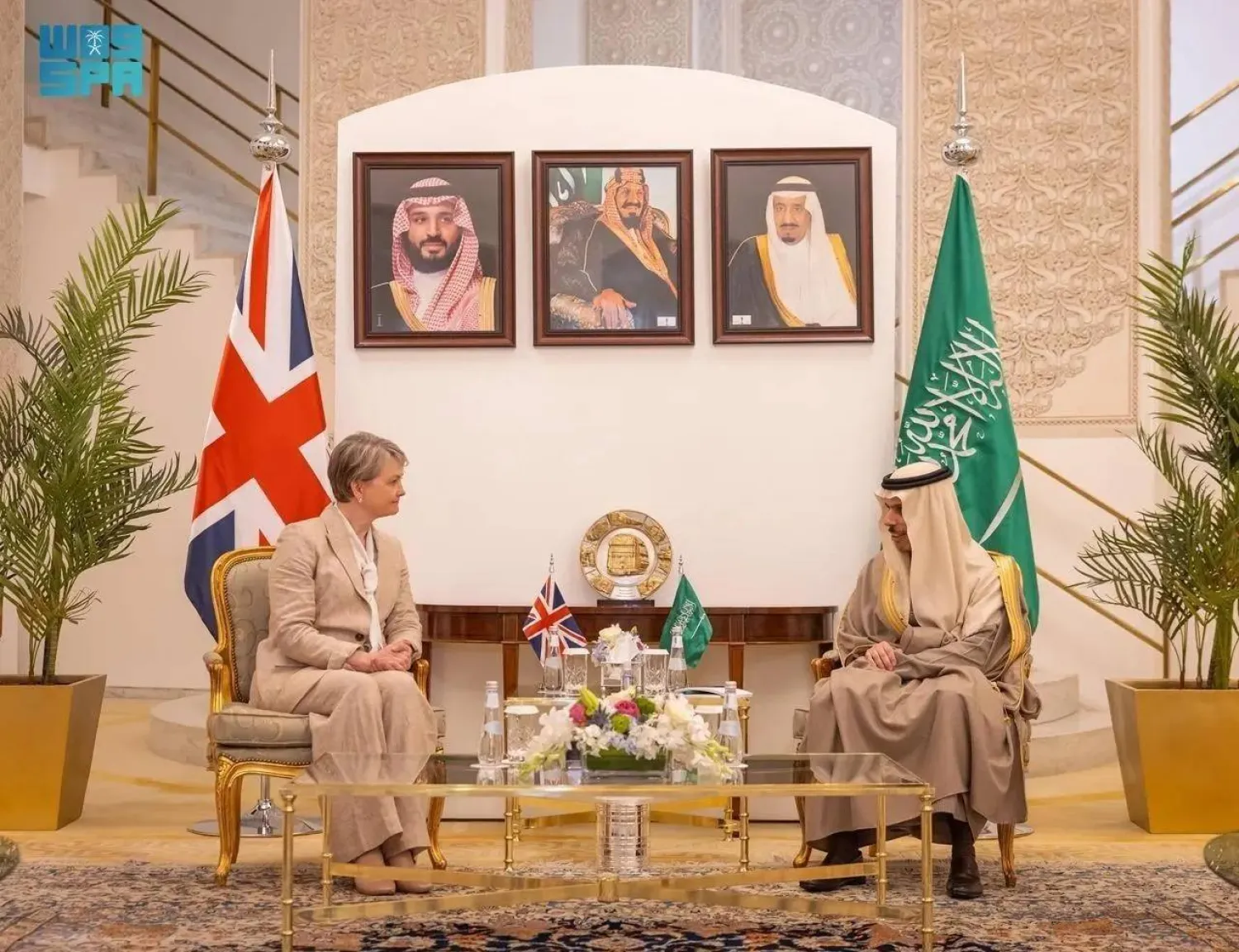
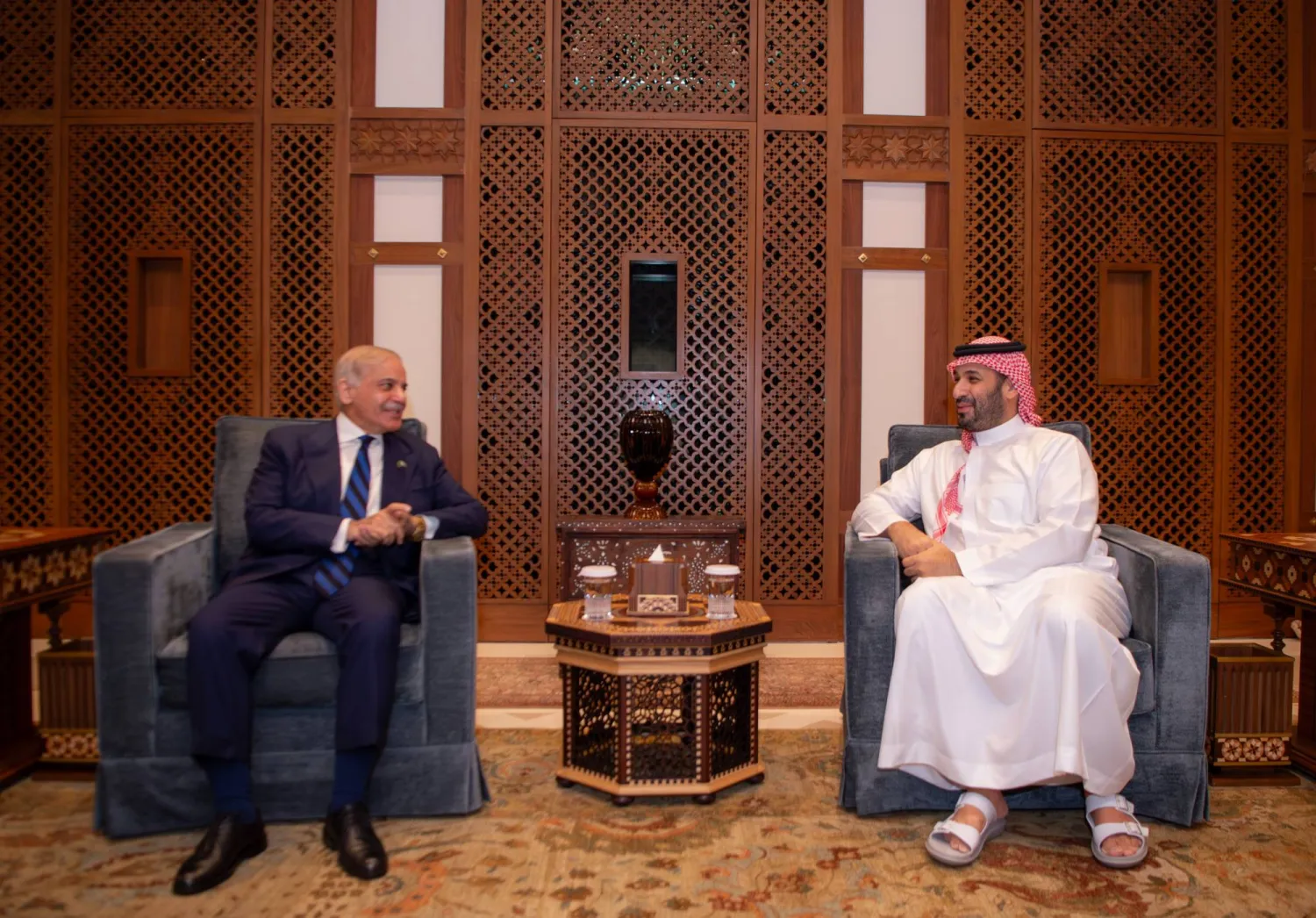
Saudi Minister of Health Fahad bin Abdurrahman Al-Jalajel discussed with his Syrian counterpart Dr. Hassan al-Ghobash aspects of cooperation between the two countries in the health sector.
Discussions were held on the sidelines of the 76th World Health Assembly (WHA) at the United Nations headquarters in Geneva, Switzerland, on 21–30 May, under the slogan “saving lives, driving health for all” as World Health Organization turns 75, in which Al-Jalajel headed the Saudi delegation.
The Saudi Health Minister welcomed Syria's return to the meeting of the Council of Arab Ministers of Health, the first ministerial meeting held since the Jeddah Summit, in which the Kingdom welcomed the Arab League's (AL) resolution to readmit Syrian government delegations in the meetings of the AL and expressed its hopes that it contributes to supporting the stability of Syria, state news agency SPA reported.
The two sides also discussed aspects of health cooperation in the aftermath of the earthquake in Syria, which claimed thousands of lives.