


Islamabad Declaration for Girls’ Education Launched at Conclusion of Global Conference

MWL Secretary General and Chairman of the Organization of Muslim Scholars Sheikh Dr. Mohammed Al-Issa
TT

Islamabad Declaration for Girls’ Education Launched at Conclusion of Global Conference

MWL Secretary General and Chairman of the Organization of Muslim Scholars Sheikh Dr. Mohammed Al-Issa

The Muslim World League's (MWL) global conference on Girls' Education in Muslim Communities concluded in Islamabad on Monday with the launch of the “Islamabad Declaration for Girls’ Education,” receiving widespread approval from senior scholars, Islamic jurisprudence councils, international organizations, and activists.

The event also saw the establishment of a platform for international partnerships, acting as the initiative's executive arm, with over 20 agreements and pledges signed by scholars, United Nations organizations, and leaders from academic, media, and civil institutions.

The announcement was attended by MWL Secretary General and Chairman of the Organization of Muslim Scholars Sheikh Dr. Mohammed Al-Issa, alongside representatives from Pakistan’s government and parliament.

The conference also featured global education activist Malala Yousafzai, senior muftis and scholars from the Islamic world, ministers of education from Islamic countries, and representatives from the United Nations University for Peace and the League of Islamic Universities.

The Islamabad Declaration drew inspiration from two landmark documents, the “Charter of Makkah” and the “Charter of Building Bridges between Islamic Schools of Thought and Sects,” both issued by MWL under the patronage of Custodian of the Two Holy Mosques King Salman bin Abdulaziz Al Saud.

These charters emphasize the empowerment of women in education across all levels, aligning with the goals of the MWL’s initiative.

Key partnerships formed during the conference included a memorandum of understanding between the MWL and the Organization of Islamic Cooperation (OIC) to establish a strategic alliance supporting the education of girls.

The conference also prioritized providing scholarships to Muslim girls, enhancing their leadership and problem-solving skills.

Agreements were reached between the MWL and Islamic and international universities, the League of Islamic Universities, the United Nations University for Peace, the United Nations High Commissioner for Refugees (UNHCR), and UNICEF.

In addition, the MWL partnered with international organizations to conduct research and publish reports on women's issues. Media campaigns aimed at raising awareness about girls' right to education were also launched.

The conference concluded with pledges from global academic institutions and organizations to support girls' education through scholarships, grants, and programs designed to improve access to quality education.

This initiative underscores the MWL’s commitment to empowering girls in Muslim communities and fostering international cooperation for sustainable development.

Saudi Foreign Minister, Egyptian Counterpart Discuss Regional Developments

Saudi Minister of Foreign Affairs Prince Faisal bin Farhan bin Abdullah/File Photo
TT

Saudi Foreign Minister, Egyptian Counterpart Discuss Regional Developments

Saudi Minister of Foreign Affairs Prince Faisal bin Farhan bin Abdullah/File Photo

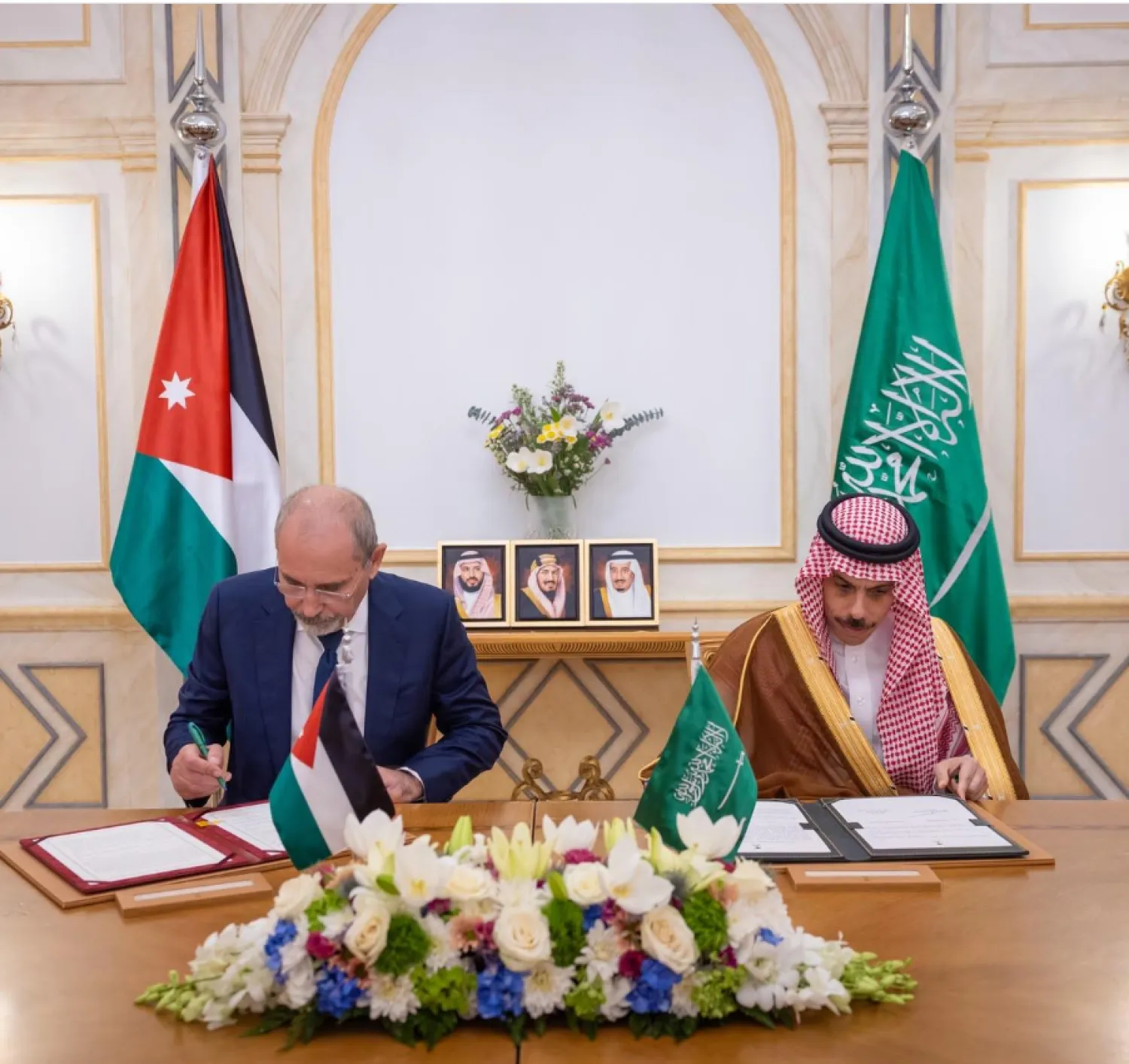
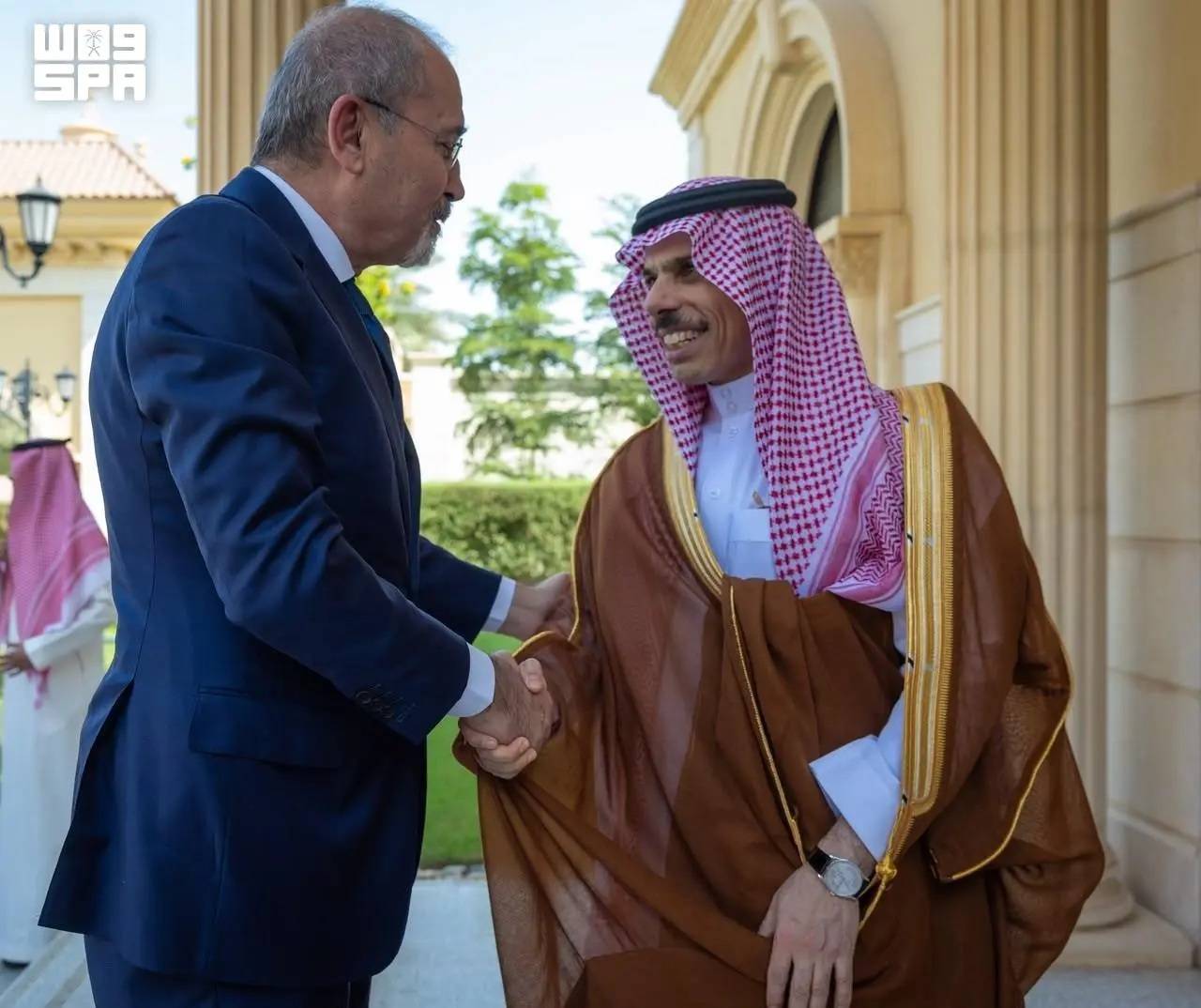
Saudi Minister of Foreign Affairs Prince Faisal bin Farhan bin Abdullah received a phone call on Monday from Egypt's Minister of Foreign Affairs, Emigration and Egyptian Expatriates Dr. Badr Abdelatty.

During the call they discussed the latest developments in the region and stressed the importance of continuing bilateral coordination and consultation in this regard.


GCC Secretary-General Meets with Uzbekistan’s Foreign Minister

Secretary-General of the Gulf Cooperation Council (GCC) Jasem Albudaiwi. SPA
TT

GCC Secretary-General Meets with Uzbekistan’s Foreign Minister

Secretary-General of the Gulf Cooperation Council (GCC) Jasem Albudaiwi. SPA

Secretary-General of the Gulf Cooperation Council (GCC) Jasem Albudaiwi met on Sunday with Uzbekistan’s Minister of Foreign Affairs Bakhtiyor Saidov at the General Secretariat headquarters in Riyadh.

During the meeting, they reviewed the strategic relations between the GCC and Central Asian states. They also discussed ways to strengthen GCC-Uzbekistan relations and enhance investment and economic cooperation.

Additionally, they exchanged views on international and regional issues, including developments related to Iran and their implications for regional security, underlining the significance of intensifying joint efforts to enhance stability both regionally and globally.


Development Projects at Holy Sites Seek to Improve Services for Pilgrims

Green spaces tripled by planting of 40,000 trees to reduce heat stress (Kidana)
TT

Development Projects at Holy Sites Seek to Improve Services for Pilgrims

Green spaces tripled by planting of 40,000 trees to reduce heat stress (Kidana)

Saudi Arabia’s holy sites are undergoing a wide range of development projects for this year’s Hajj, including infrastructure upgrades as well as service and digital initiatives aimed at ensuring pilgrims can perform their rituals with ease and comfort in a safe and spiritual environment.

The projects include expanding green spaces, upgrading rest areas along pedestrian routes, building new two-story restroom complexes in Mina and improving drinking water systems. Together, they are designed to enhance infrastructure efficiency and service facilities in line with pilgrims’ needs and to deliver a more comfortable Hajj experience to the highest standards.

Kidana Development Company, the executive arm of the Royal Commission for Makkah City and Holy Sites, announced Sunday the completion of the second phase of a project to build two-story restroom complexes in Mina.

The phase included replacing existing single-story restroom facilities with 18 new two-story complexes in the Al-Shuaibain area, adding to 61 complexes completed and upgraded during last year’s Hajj season.

With the completion of the second phase, the total number of upgraded complexes has reached 79, comprising 7,838 restrooms - a fourfold increase compared with last year - while reducing waiting times by 75 percent without affecting pilgrims’ accommodation space.

Al-Shuaibain, located in the northern part of Mina, is considered a key area that has seen major development projects to expand capacity and improve services. It is a strategic accommodation zone for pilgrims, with both its eastern and western sections featuring housing complexes and upgraded tents.

The two-story restroom project aims to double the capacity of sanitary facilities in line with the number of pilgrims, reducing waiting times and easing pressure on existing infrastructure while ensuring high-quality, clean and sustainable services.

The initiative is part of broader efforts to develop an integrated system of health services capable of meeting the heavy operational demands of the Hajj season, in line with Saudi Vision 2030 and the Pilgrim Experience Program, which aim to improve public facilities and provide a smoother, more comfortable pilgrimage.

Green spaces and integrated facilities

Green areas at the holy sites have also been tripled through the planting of 40,000 trees to reduce heat stress, building on an initial phase that saw more than 20,000 trees planted during last year’s Hajj. The total number of trees has now exceeded 60,000 as part of a project aimed at enhancing vegetation cover, supporting environmental sustainability and improving pilgrims’ experience.

Authorities have also developed 36,000 square meters of rest areas along pedestrian routes, adding to more than 30,000 square meters completed in the first phase last year. These areas are equipped with integrated facilities to provide shaded, comfortable environments for pilgrims as they move between ritual sites.

Rest areas include seating zones, service kiosks and modern canopies fitted with misting fans, along with advanced rubber flooring designed to improve comfort. These upgrades are part of broader infrastructure improvements aimed at easing movement and supporting efforts to provide a more comfortable and seamless Hajj journey.

Rubber flooring and modern cooling systems

Traditional misting columns have been replaced with 400 advanced misting fan units in the western plaza of the Jamarat facility, following the replacement of 200 columns last year and the installation of an additional 200 units for this Hajj season.

The new technology provides enhanced cooling capacity, helping to moderate temperatures for up to 180,000 pilgrims per hour as they head to perform the stoning ritual.

Rubber flooring has also been introduced across the holy sites as an innovative engineering solution to improve pilgrims’ comfort, particularly along long pedestrian routes and in high-density areas. The material absorbs shock, reduces strain on ankles and feet, and is designed to be environmentally friendly by lowering surface temperatures, creating cooler and more comfortable walking conditions.
