


MWL Organizing Conference for Building Bridges Between Islamic Schools of Thought, Sects 

MWL Organizing Conference for Building Bridges Between Islamic Schools of Thought, Sects 
TT

MWL Organizing Conference for Building Bridges Between Islamic Schools of Thought, Sects 

MWL Organizing Conference for Building Bridges Between Islamic Schools of Thought, Sects 

Under the patronage of Custodian of the Two Holy Mosques King Salman bin Abdulaziz Al Saud, the Muslim World League (MWL) will host the second edition of the Global Conference for Building Bridges Between Islamic Schools of Thought and Sects in Makkah next month.

The conference, themed "towards an effective Islamic convergence," will bring together leading muftis, scholars, intellectuals, and representatives from senior Islamic councils, jurisprudential academies, and religious institutions across different sects and denominations on the sixth and seventh days of the holy fasting month of Ramadan.

The conference serves as a unified platform for fostering constructive dialogue among diverse Islamic traditions and coordinating efforts and resources to strengthen Islamic unity while ensuring mutual respect for doctrinal diversity. It aims to overcome sectarian disputes that have historically led to division and conflict, promoting fraternity and cohesion through practical, impactful initiatives.

This year's conference marks a critical step in transforming the principles outlined in the inaugural conference—through the "Building Bridges Between Islamic Schools of Thought and Sects" Charter—into actionable programs. Discussions will address pressing issues, particularly enhancing intra-Islamic dialogue and cooperation.

A key highlight of the conference will be the launch of the encyclopedia of Islamic intellectual convergence, prepared by the intellectual protection center (Feker) in Saudi Arabia at the request of the scholars of the Building Bridges Charter. The encyclopedia, developed with contributions from 60 distinguished Islamic scholars and thinkers, aims to serve as a comprehensive guide to common Islamic principles.

Additionally, the event will witness the unveiling of the strategic and implementation plan for the "Building Bridges Between Islamic Schools of Thought and Sects" Charter, along with several key initiatives and programs designed to advance its objectives.


Jeddah Summit Stresses Importance of Restoring Navigation Security in Hormuz

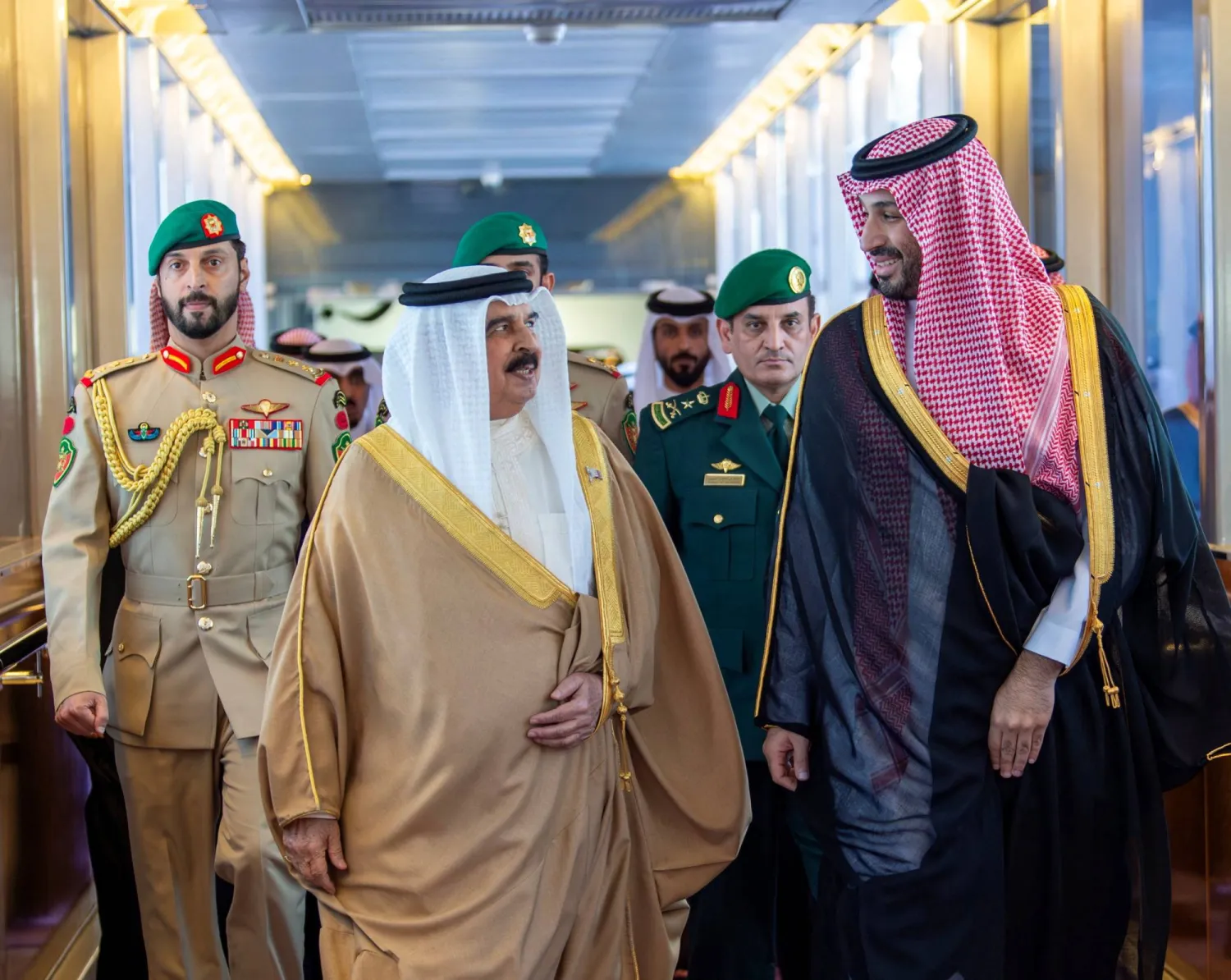
Saudi Crown Prince Mohammed bin Salman receives Bahrain's King Sheikh Hamad bin Isa al-Khalifa ahead of the Gulf Cooperation Council (GCC) meeting in Jeddah, Saudi Arabia, April 28, 2026. Bandar Algaloud/Courtesy of Saudi Royal Court/Handout via REUTERS
TT

Jeddah Summit Stresses Importance of Restoring Navigation Security in Hormuz

Saudi Crown Prince Mohammed bin Salman receives Bahrain's King Sheikh Hamad bin Isa al-Khalifa ahead of the Gulf Cooperation Council (GCC) meeting in Jeddah, Saudi Arabia, April 28, 2026. Bandar Algaloud/Courtesy of Saudi Royal Court/Handout via REUTERS

The Gulf summit, which was chaired on Tuesday by Saudi Crown Prince Mohammed bin Salman, discussed the regional situation.

It affirmed the necessity of restoring navigation security in the Strait of Hormuz and strongly condemned the flagrant Iranian aggressions against the Gulf Cooperation Council (GCC) states and Jordan.

GCC Secretary-General Jasem Albudaiwi affirmed in a statement that the summit was held at the invitation of the Saudi leadership and discussed ways to find a diplomatic path to end the crisis and pave the way for agreements and understandings that address the concerns of the Gulf states and enhance long-term security and stability.

He clarified that the leaders expressed strong condemnation and denunciation of the flagrant Iranian aggressions against the Gulf states and Jordan, emphasizing that these treacherous attacks have led to a sharp loss of confidence by the Gulf states in Iran.

Albudaiwi noted that the leaders praised the ability demonstrated by the Gulf states to deal with the challenges they faced due to this crisis, pointing out that the leaders expressed their categorical rejection of illegal Iranian measures to close the Strait of Hormuz and obstruct navigation in it, affirming the necessity of restoring navigation security and freedom and returning the situation in the Strait to what it was before February 28.

Albudaiwi also highlighted that the leaders of the Gulf states directed the urgency of completing the requirements for achieving access to all joint Gulf projects, including transport and logistics services, along with accelerating the implementation of the GCC railway project.

The Secretary-General of the Council further noted the leaders' affirmation of the importance of promptly taking steps towards establishing an oil and gas pipeline project, a water linkage project between the Gulf states, and moving forward with studying the creation of strategic Gulf reserve areas, in addition to the importance of intensifying military integration among the Council's states and accelerating the completion of the ballistic missile early warning system project.


Faisal bin Farhan, Guterres Discuss Regional Developments

Saudi Minister of Foreign Affairs Prince Faisal bin Farhan bin Abdullah
TT

Faisal bin Farhan, Guterres Discuss Regional Developments

Saudi Minister of Foreign Affairs Prince Faisal bin Farhan bin Abdullah

Saudi Minister of Foreign Affairs Prince Faisal bin Farhan bin Abdullah received a telephone call on Tuesday from UN Secretary-General António Guterres.

During the call, they discussed areas of cooperation between the two sides and a number of developments in the region and the world.


Jeddah Summit Highlights Saudi Push for Gulf Coordination

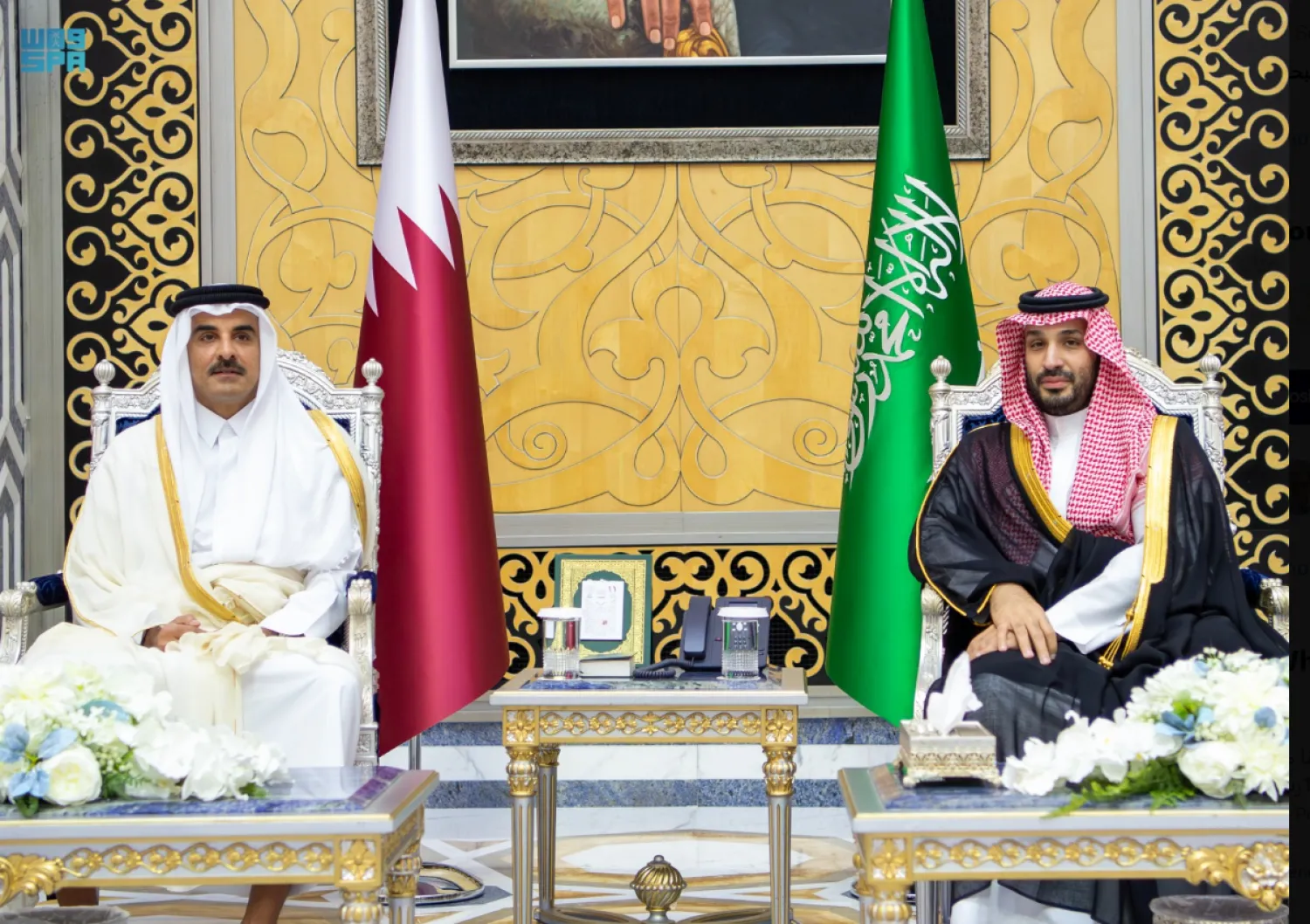
Prince Mohammed bin Salman, Saudi Crown Prince and Prime Minister, holds talks with Emir of Qatar Sheikh Tamim bin Hamad Al Thani in Jeddah on Tuesday. (SPA)
TT

Jeddah Summit Highlights Saudi Push for Gulf Coordination

Prince Mohammed bin Salman, Saudi Crown Prince and Prime Minister, holds talks with Emir of Qatar Sheikh Tamim bin Hamad Al Thani in Jeddah on Tuesday. (SPA)

Observers said Saudi Arabia’s hosting of a consultative meeting of the Gulf Cooperation Council (GCC) in Jeddah on Tuesday underscores a push by Prince Mohammed bin Salman, Saudi Crown Prince and Prime Minister, to bolster joint Gulf work, contain the fallout of the current security and economic crisis, and ensure that solutions to the conflict ensure the interests of the GCC.

Recent developments and their unprecedented repercussions have exposed a major shift in the regional security order, underscoring the need for stronger Gulf cooperation and a more integrated crisis-response strategy.

Containing fallout

Informed sources said Saudi Arabia, alongside fellow Gulf states, has led diplomatic efforts to avoid escalation in the region.

GCC countries have repeatedly stressed their territories will not be used to launch attacks against Iran, seeking to prevent a wider conflict and its economic and security consequences.

Despite this, Iran and allied militias have expanded the conflict through unjustified attacks on GCC states.

Political analyst Munif Al-Harbi told Asharq Al-Awsat that Saudi Arabia has condemned Iranian attacks targeting the Kingdom, GCC states, and several Arab and Islamic countries, warning of escalation, breaches of international law, and threats to regional stability.

He said Riyadh considers GCC security indivisible, with any attack on one member treated as an attack on all, underscoring the need to protect shared interests.

Al-Harbi said the crisis has reinforced the urgency of deeper Gulf integration and stronger defense coordination. He said GCC states have shown a strong ability to intercept most missile and drone attacks, reflecting the resilience of their defense systems.

He added that economic and logistical coordination has also intensified, with Saudi Arabia helping stabilize global markets by maintaining oil exports.

Fragile ceasefire

Political analyst Khaled Al-Habbas agreed, saying the summit came at a sensitive moment shaped by stalled negotiations and a fragile ceasefire.

He underscored the consistent GCC stance since the start of the war, including support for the Pakistani mediation and efforts to ensure a Gulf voice at the negotiating table, even without direct participation, given the damage Gulf states have sustained from the Iranian attacks, including the closure of the Strait of Hormuz.

Al-Habbas said the summit is expected to reaffirm Gulf unity, condemn Iranian attacks, and back ongoing mediation efforts.

He said it would likely stress reopening the Strait of Hormuz in line with international law, reject any unilateral Iranian arrangements, and highlight risks linked to Iran’s nuclear and missile programs and its regional proxies, as well as continued attacks on some Gulf states even after the ceasefire.

Both analysts said the summit will stress tighter coordination across defense, logistics, and supply chains, which they said has helped limit the war’s impact on GCC states.

The summit is also expected to back regional and international efforts toward a political settlement addressing all aspects of the conflict and Gulf concerns over Iran’s conduct.

Any deal reached must reflect those concerns and be backed by firm international guarantees.