

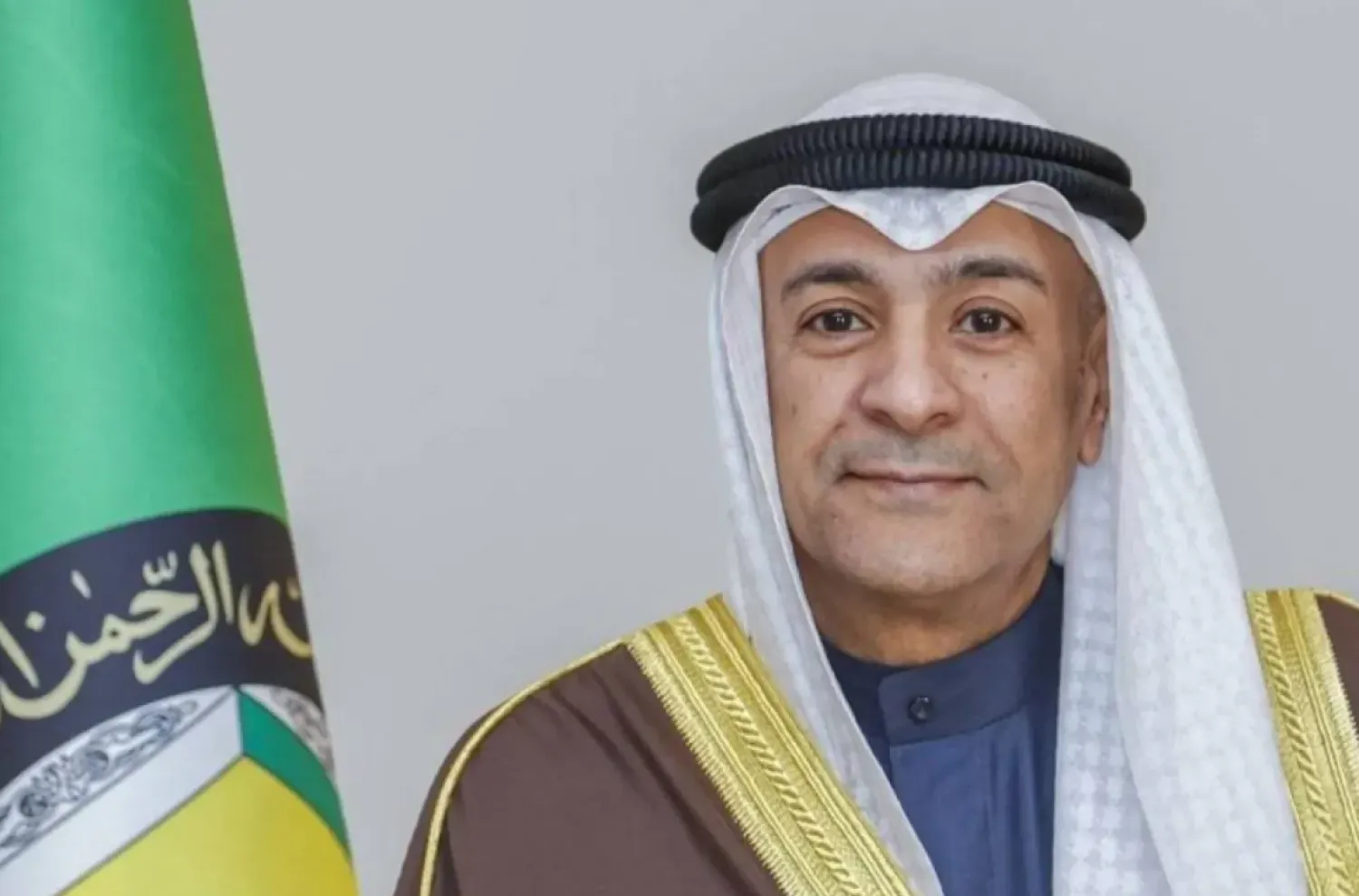

GCC Sec-Gen Urges Global Recognition of Palestine

Secretary-General of the Gulf Cooperation Council (GCC) Jasem Mohamed Albudaiwi
TT

GCC Sec-Gen Urges Global Recognition of Palestine

Secretary-General of the Gulf Cooperation Council (GCC) Jasem Mohamed Albudaiwi

Gulf Cooperation Council (GCC) Secretary-General Jasem Albudaiwi called on all countries to join the Global Alliance for the Implementation of the Two-State Solution and to recognize the State of Palestine as a prelude to rebuilding trust and establishing genuine peace.

Speaking at the high-level ministerial session of the United Nations Conference on the Peaceful Settlement of the Question of Palestine and the Implementation of the Two-State Solution, held at the UN Headquarters in New York City and co-chaired by Saudi Arabia and France, Albudaiwi thanked the Saudi leadership for launching the Global Alliance for the Implementation of the Two-State Solution.


He emphasized that this initiative represents a strategic vision that refocuses the international community on the core of the Palestinian-Israeli conflict.
He commended France for co-chairing the conference with the Kingdom and acknowledged the efforts of President Emmanuel Macron and United Nations Secretary-General António Guterres in defending the legitimate rights of the Palestinian people.

"The Palestinian cause will remain a top priority for the GCC as a non-negotiable matter of right and justice," he stressed.

He noted that 2002 marked a turning point when the GCC endorsed the Arab Peace Initiative, proposed by the Kingdom of Saudi Arabia, which offered a comprehensive strategic vision for a just and lasting peace. He stated: “The initiative laid a solid foundation for viable peace by explicitly calling for an independent Palestinian state on the June 4, 1967, borders, with East Jerusalem as its capital — a fundamental condition for any realistic settlement that could restore balance and stability in the region.”

Albudaiwi praised the countries that made the sovereign decision to recognize Palestine, reflecting a historic sense of responsibility and a clear commitment to international justice and principles. He also condemned Israeli aggression in Gaza, rejected settlement policies that undermine the two-state solution, and emphasized the vital role of the UN Relief and Works Agency for Palestine Refugees (UNRWA), calling for continuous humanitarian aid, reconstruction efforts, and international accountability.

Shehbaz Sharif, Tamim bin Hamad Support Path of De-escalation

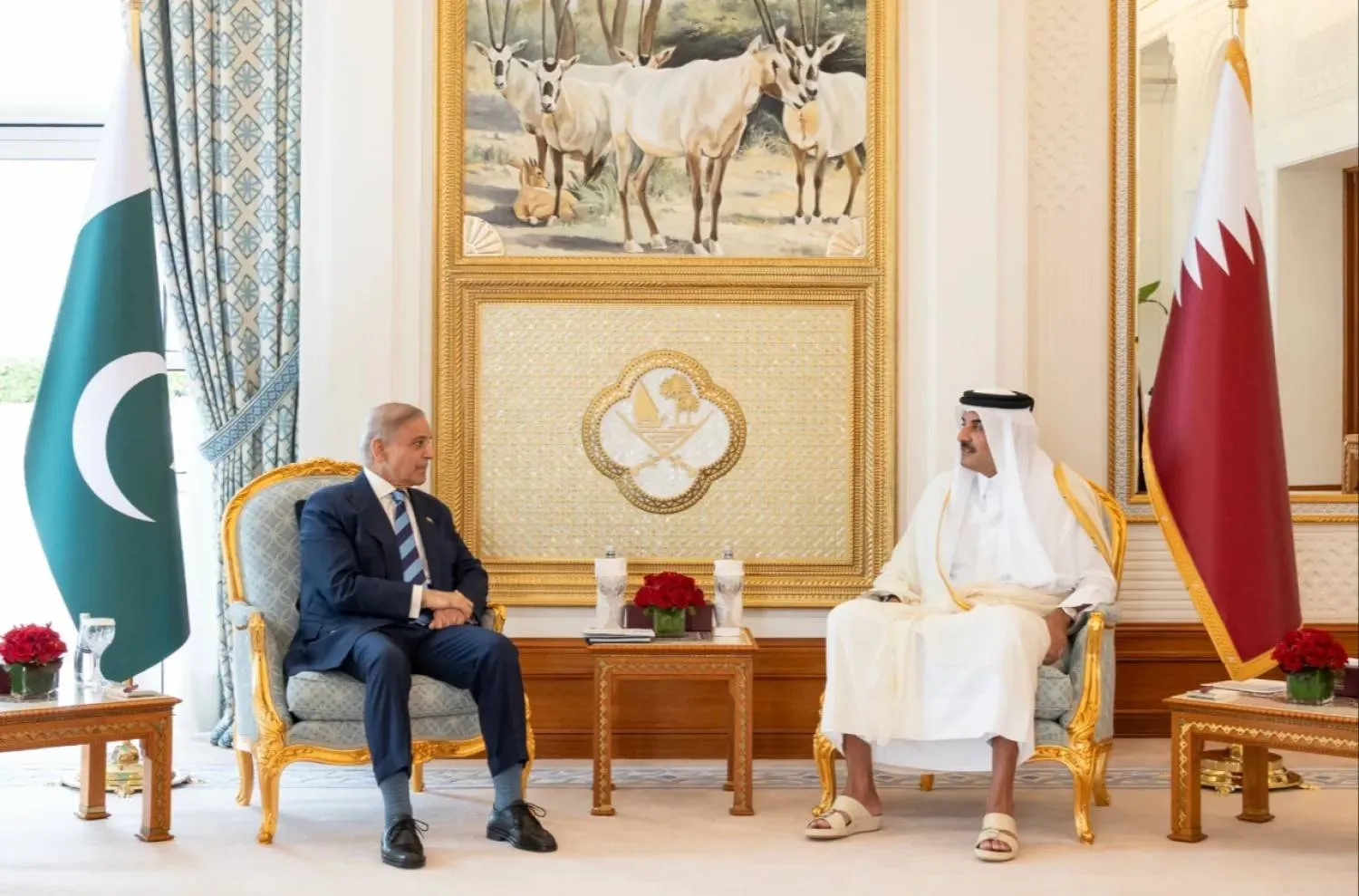
The Emir of Qatar, Sheikh Tamim bin Hamad Al Thani meets Pakistan’s Prime Minister Shehbaz Sharif in Doha, Qatar, April 16, 2026. (QNA)
TT

Shehbaz Sharif, Tamim bin Hamad Support Path of De-escalation

The Emir of Qatar, Sheikh Tamim bin Hamad Al Thani meets Pakistan’s Prime Minister Shehbaz Sharif in Doha, Qatar, April 16, 2026. (QNA)

Following his shuttle tour that kicked off in Saudi Arabia, Pakistan’s Prime Minister Shehbaz Sharif discussed with Qatar’s Emir Sheikh Tamim bin Hamad Al Thani the latest regional and international developments, particularly those in the Middle East, during a meeting held Thursday at the Amiri Diwan.

The Pakistani Prime Minister reiterated his country's condemnation of the attacks targeting Qatar and other countries in the region, affirming Pakistan's full solidarity with Doha and support for the measures it takes to protect its sovereignty and safeguard its security and stability, the Amiri Diwan said in a statement.

During the meeting, Qatar’s Emir expressed his appreciation for Pakistan's role in supporting efforts to deescalate tensions and promote diplomatic dialogue in the service of regional peace and security.

According to official sources, both sides stressed the necessity of supporting the path of deescalation and strengthening international coordination to ensure the security and stability of the region, especially maintaining the smooth flow of energy supply chains through vital maritime routes.

They further discussed the cooperation and friendship relations between the two countries and ways to develop them, aiming to strengthen the partnership and open new horizons for bilateral cooperation.

The Qatari Emir and the Prime Minister also held a bilateral meeting, where they exchanged views on current developments of mutual interest and emphasized the importance of continued coordination and consultation between the two countries, particularly amidst current events and their repercussions on the region's security and stability.

Sharif arrived in Doha on Thursday morning for a working visit to the country. The PM and the accompanying delegation were welcomed upon arrival at Doha International Airport by Minister of State for Foreign Affairs Sultan bin Saad Al Muraikhi.


Sultan of Oman, Qatari Emir Discuss Regional Developments, Means to Contain Escalation

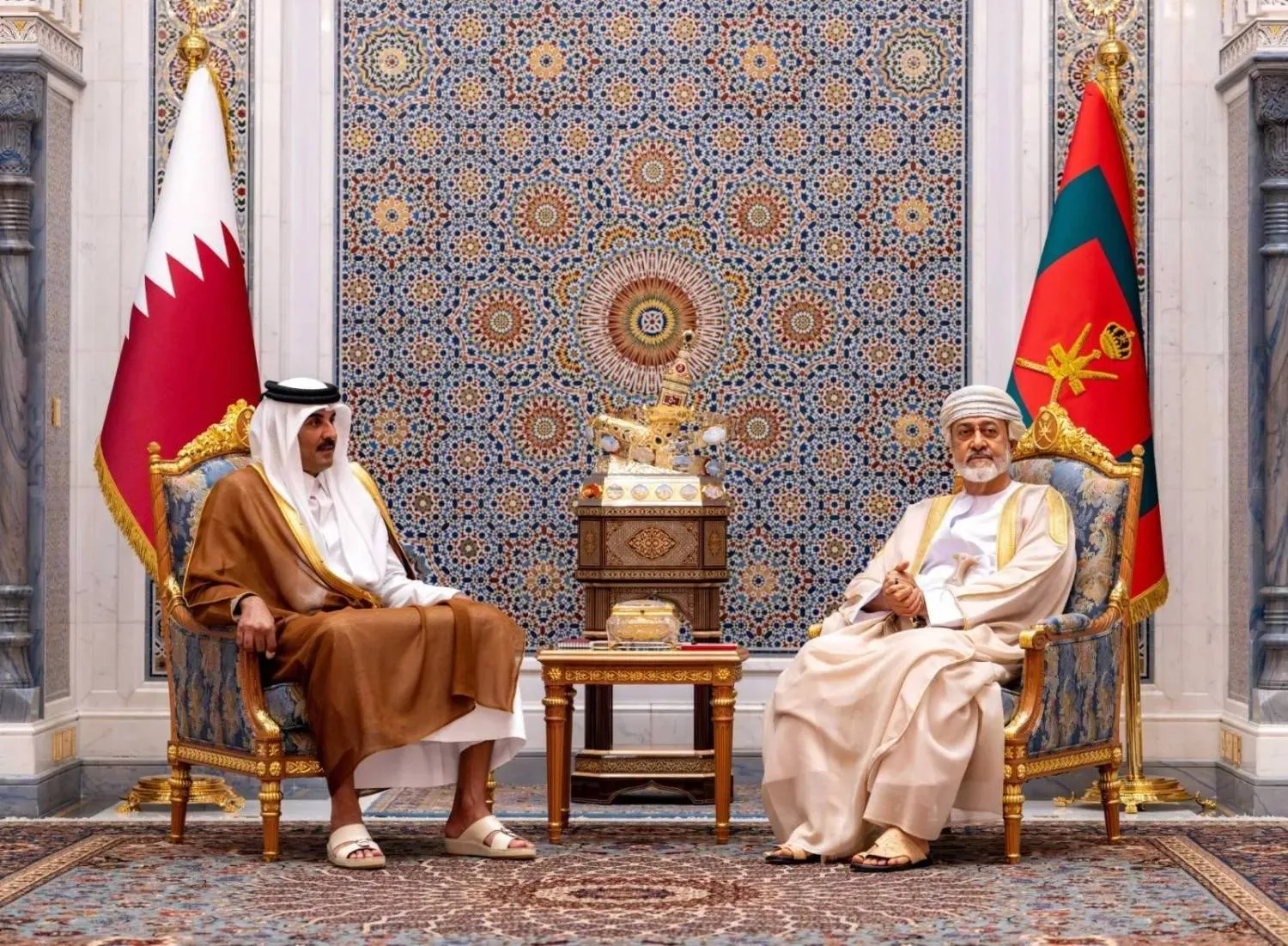
Sultan Haitham bin Tariq of Oman, and Sheikh Tamim bin Hamad Al Thani, Emir of Qatar met at Al Baraka Palace in Muscat on Thursday (Omani News Agency)
TT

Sultan of Oman, Qatari Emir Discuss Regional Developments, Means to Contain Escalation

Sultan Haitham bin Tariq of Oman, and Sheikh Tamim bin Hamad Al Thani, Emir of Qatar met at Al Baraka Palace in Muscat on Thursday (Omani News Agency)

Sultan Haitham bin Tariq of Oman, and Sheikh Tamim bin Hamad Al Thani, Emir of Qatar, discussed in Muscat on Thursday the developments in the region amid rising tensions.

Qatar’s Emir arrived in Muscat in a visit to Oman, where he held talks with Sultan Haitham at Al Baraka Palace.

The two leaders exchanged views on current developments, particularly their implications for regional security and stability, as well as their impact on energy supplies and international shipping, according to a statement from the Qatari Diwan.

They stressed the importance of intensifying regional and international efforts to deescalate tensions and the need to prioritize diplomatic solutions and dialogue to resolve disputes, contributing to regional and international security and stability.

The two leaders also emphasized continued coordination and consultation on issues of mutual interest in addition to the strong fraternal ties between the two countries and ways to further develop them across various fields.

Later, Sultan Haitham and Sheikh Tamim bin Hamad held a private meeting during which they discussed the deep-rooted relations between the two countries and ways to develop them in various domains for the mutual benefit of their peoples.


OIC Lauds US President’s Ceasefire Announcement in Lebanon

OIC Lauds US President’s Ceasefire Announcement in Lebanon
TT

OIC Lauds US President’s Ceasefire Announcement in Lebanon

OIC Lauds US President’s Ceasefire Announcement in Lebanon

The General Secretariat of the Organization of Islamic Cooperation (OIC) commended the diplomatic efforts of US President Donald Trump that led to a 10-day truce in Lebanon, the Saudi Press Agency reported.

The OIC stressed the need that all parties adhere to the ceasefire agreement and refrain from undermining it.

The General Secretariat also expressed its support for and solidarity with the Republic of Lebanon in preserving its unity, sovereignty, and territorial integrity.

Trump announced Thursday evening a 10-day truce in Lebanon that could pause fighting between Israel and Hezbollah, and boost attempts to extend the ceasefire between Iran, the United States and Israel after weeks of devastating war.