


Kuwait to Launch Biggest Judicial Reform Plan in Its History

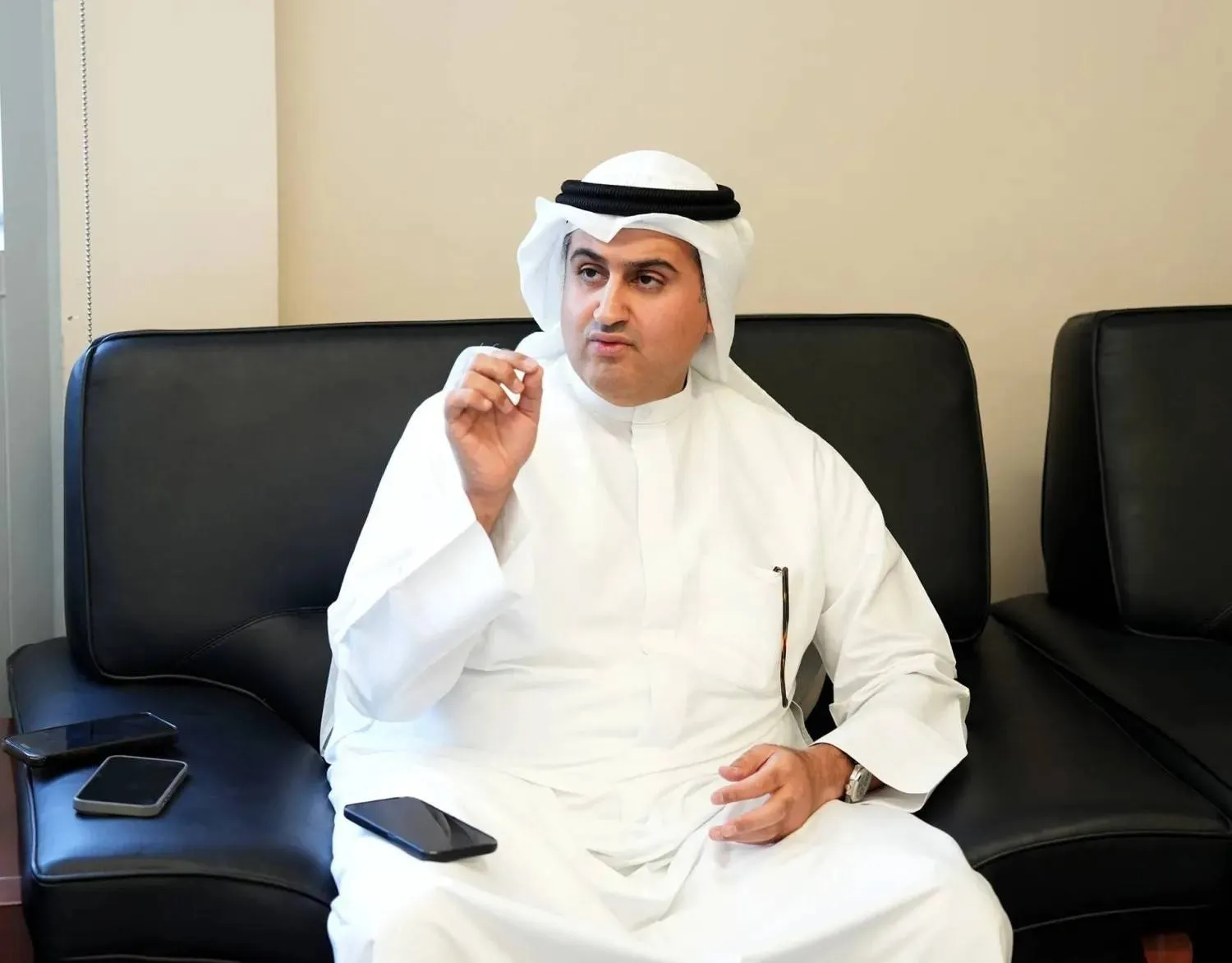
Kuwaiti Justice Minister Nasser al-Sumait
TT

Kuwait to Launch Biggest Judicial Reform Plan in Its History

Kuwaiti Justice Minister Nasser al-Sumait

Kuwait will soon launch its largest legislative reform plan in history to modernize the judicial system and ease court backlogs, Justice Minister Nasser al-Sumait said on Wednesday.

Speaking during an inspection tour of the Reggae court complex, Sumait said the reform drive will involve “the combined efforts of all state bodies and civil society institutions,” harnessing digital technology to make justice more efficient and accessible.

He said all core laws will be reviewed and updated, with eight working committees currently examining legislation including the economic courts law, tenancy and landlords law, penal code, criminal procedure law and labor law, to simplify litigation.

The plan also seeks to expand alternative dispute resolution mechanisms, including judicial mediation panels staffed by seconded judges, arbitration, and technological upgrades to court systems.

Sumait said a new judiciary law was in its final stages and expected to be completed soon, describing it as “a gateway” to the most extensive judicial reform in Kuwait’s history.

Kuwait has 983 laws in force, he said, adding that since taking office he pledged to review 10% of them within a year, but committees had already examined 118 laws in eight months – surpassing the target. The goal is now to review 25% of all laws within a year.

Sumait praised the contribution of judges, prosecutors, legal scholars, the Fatwa and Legislation Department, and civil society groups. Committees are consulting experts and studying best practices in the Gulf, Arab states and beyond.

Kuwait has seen two major waves of legislative reform – from 1959 to 1965, before the constitution was adopted, and from 1978 to 1984, when most of the laws still in effect today, such as the civil code, litigation law and personal status law, were issued, Sumait said.

Citing World Bank standards that recommend eight judges per 100,000 people for swift justice, Sumait said Kuwait has 33 judges per 100,000, one of the highest ratios globally. But court caseloads far exceed those in other Gulf states – up to 10 times higher in some comparisons – meaning judges handle even the simplest disputes.

He blamed delays partly on outdated systems, noting serious flaws in notarization and power-of-attorney procedures. The only obstacle now, he said, is time. “There is no other excuse... What has been achieved is exceptional, and you will see the results soon,” he added.


Saudi Crown Prince Receives Message on Bilateral Ties from President of Kazakhstan

Prince Mohammed bin Salman bin Abdulaziz Al Saud, Saudi Crown Prince and Prime Minister. (SPA file)
TT

Saudi Crown Prince Receives Message on Bilateral Ties from President of Kazakhstan

Prince Mohammed bin Salman bin Abdulaziz Al Saud, Saudi Crown Prince and Prime Minister. (SPA file)

Prince Mohammed bin Salman bin Abdulaziz Al Saud, Saudi Crown Prince and Prime Minister, received on Tuesday a written message from President of Kazakhstan Kassym-Jomart Tokayev on bilateral relations between their two countries.

The message was received by Minister of Foreign Affairs Prince Faisal bin Farhan bin Abdullah during a meeting with his Kazakh counterpart Yermek Kosherbayev in Riyadh.


Princes and Officials Take Oath Before Custodian of the Two Holy Mosques

Custodian of the Two Holy Mosques King Salman bin Abdulaziz Al Saud and other officials are seen during the ceremony in Riyadh on Tuesday. (SPA)
TT

Princes and Officials Take Oath Before Custodian of the Two Holy Mosques

Custodian of the Two Holy Mosques King Salman bin Abdulaziz Al Saud and other officials are seen during the ceremony in Riyadh on Tuesday. (SPA)

Princes and officials appointed by royal orders to their new positions took the oath of office before Custodian of the Two Holy Mosques King Salman bin Abdulaziz Al Saud in Riyadh on Tuesday.

They included Deputy Governor of Al-Baha Region Prince Fahd bin Saad bin Abdullah bin Abdulaziz bin Turki; Member of the Shura Council Prince Dr. Saad bin Saud bin Mohammed bin Abdulaziz; Deputy Governor of Madinah Region Prince Saud bin Nahar bin Saud; Deputy Governor of Northern Borders Region Prince Mohammed bin Abdullah bin Abdulaziz; and Minister of Investment Fahd Al-Saif.

They swore to be faithful to their religion, then their King and country, not to reveal any of the state’s secrets, to preserve its interests and regulations, and to perform their duties with honesty, trustworthiness, and sincerity.


Saudi Arabia Reiterates Its Categorical Rejection of Israel’s ‘State Land’ Decision in West Bank

Custodian of the Two Holy Mosques King Salman bin Abdulaziz Al Saud chairs the Cabinet meeting in Riyadh. (SPA)
TT

Saudi Arabia Reiterates Its Categorical Rejection of Israel’s ‘State Land’ Decision in West Bank

Custodian of the Two Holy Mosques King Salman bin Abdulaziz Al Saud chairs the Cabinet meeting in Riyadh. (SPA)

The Saudi government condemned on Tuesday Israel’s decision to West Bank lands as "state lands."

Reiterating its absolute rejection of these illegal measures, the Cabinet warned that they undermine peace efforts and violate the Palestinian people's inherent right to establish an independent, sovereign state within the 1967 borders, with East Jerusalem as its capital.

Custodian of the Two Holy Mosques King Salman bin Abdulaziz Al Saud chaired the Cabinet session that was held in Riyadh.

The Cabinet congratulated citizens and Muslims on the advent of the holy month of Ramadan, expressing gratitude for the Kingdom's honor in caring for the two holy mosques and their visitors.

The Cabinet highlighted the success of the Hajj and Umrah seasons, noting that the Kingdom welcomed 19.5 million international pilgrims and Umrah performers in 2025, setting new records that reflect rapid progress toward the goals of Vision 2030 and the Pilgrim Experience Program.

The Cabinet described the Kingdom's Founding Day celebration on February 22 as an expression of pride in the Saudi state's nearly three-century history, underscoring the foundations of justice, unity, and development established by leaders and citizens throughout history to ensure the nation remains a global leader in all fields.

The Cabinet was briefed on recent talks between Saudi Arabia and various nations, which focused on strengthening bilateral and multilateral cooperation and boosting coordination to foster regional and international security, stability, and prosperity.

The session further reviewed the Kingdom's economic, cultural, and social activities, stressing the state's commitment to social solidarity and giving. This includes continued support for the sixth National Campaign for Charitable Work, set to begin on Friday.

The Cabinet commended the success of the third World Defense Show held in Riyadh under the Custodian of the Two Holy Mosques' patronage, during which strategic partnerships, agreements, and memoranda of understanding were signed to localize military technologies and strengthen local supply chains in alignment with Vision 2030 objectives.
