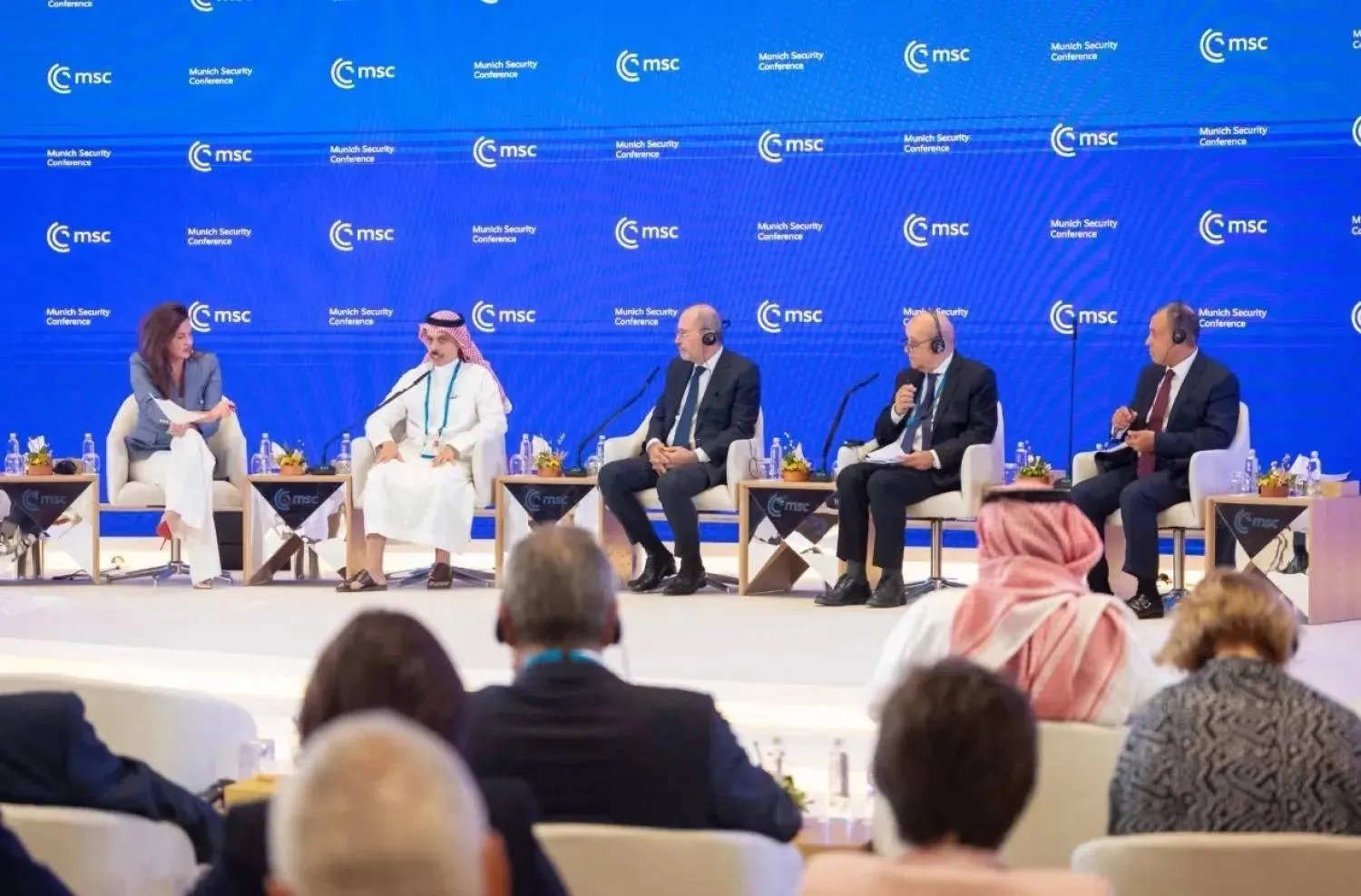

Amid a turbulent global landscape marked by conflicts and geopolitical tensions, AlUla hosted the Munich Security Conference Leaders’ Meeting, bringing together around 100 senior international leaders and decision-makers. The two-day forum aims to tackle pressing security challenges and explore solutions to regional and global conflicts.
The conference, held at AlUla’s Maraya Concert Hall, opened with a session titled “Middle East Issues in a Multipolar World.” Discussions focused on a range of regional issues, including Saudi Arabia’s support for Gaza and US President Donald Trump’s proposed plan to halt hostilities there, with participants exploring practical steps for its implementation.
Saudi Foreign Minister Prince Faisal bin Farhan inaugurated the meeting alongside counterparts from Jordan, Yemen, Egypt, and Syria, underscoring the Kingdom’s active diplomatic engagement in the region.
A dedicated session on Red Sea security featured Yemeni Foreign Minister Dr. Shaya Al-Zindani as a keynote speaker. Al-Zindani highlighted the Red Sea as a “high-risk zone” due to attacks by the Iran-backed Houthi militia on commercial vessels and international shipping, disrupting global trade, raising shipping and insurance costs, and affecting food security and humanitarian aid delivery.
He warned that these threats are interconnected with networks across the Horn of Africa, including arms and human trafficking, extremist groups, and maritime piracy, turning the Red Sea and Bab al-Mandeb Strait into hotspots for organized crime and transnational terrorism.
Al-Zindani called for international support for the Yemeni government to enhance regional security and stability. He emphasized that any comprehensive political solution in Yemen depends on halting Iranian interference, which continues to empower the Houthis. He also urged collective global action, including designating the Houthis as an international terrorist organization, as a key step toward restoring security in the Red Sea and fostering hope for Yemen and the broader region.
The conference will continue to address global security challenges, including energy security, food security, climate risks, nuclear non-proliferation, the future of Syria and Palestine, the war in Ukraine, economic integration, and the strategic corridor linking India, the Middle East, and Europe.
Saudi Arabia’s hosting of the conference underscores its commitment to the principles of international dialogue and to strengthening cooperation on regional and global issues. The move also reflects the Kingdom’s support for cross-cultural engagement and its role in hosting conferences and international platforms.
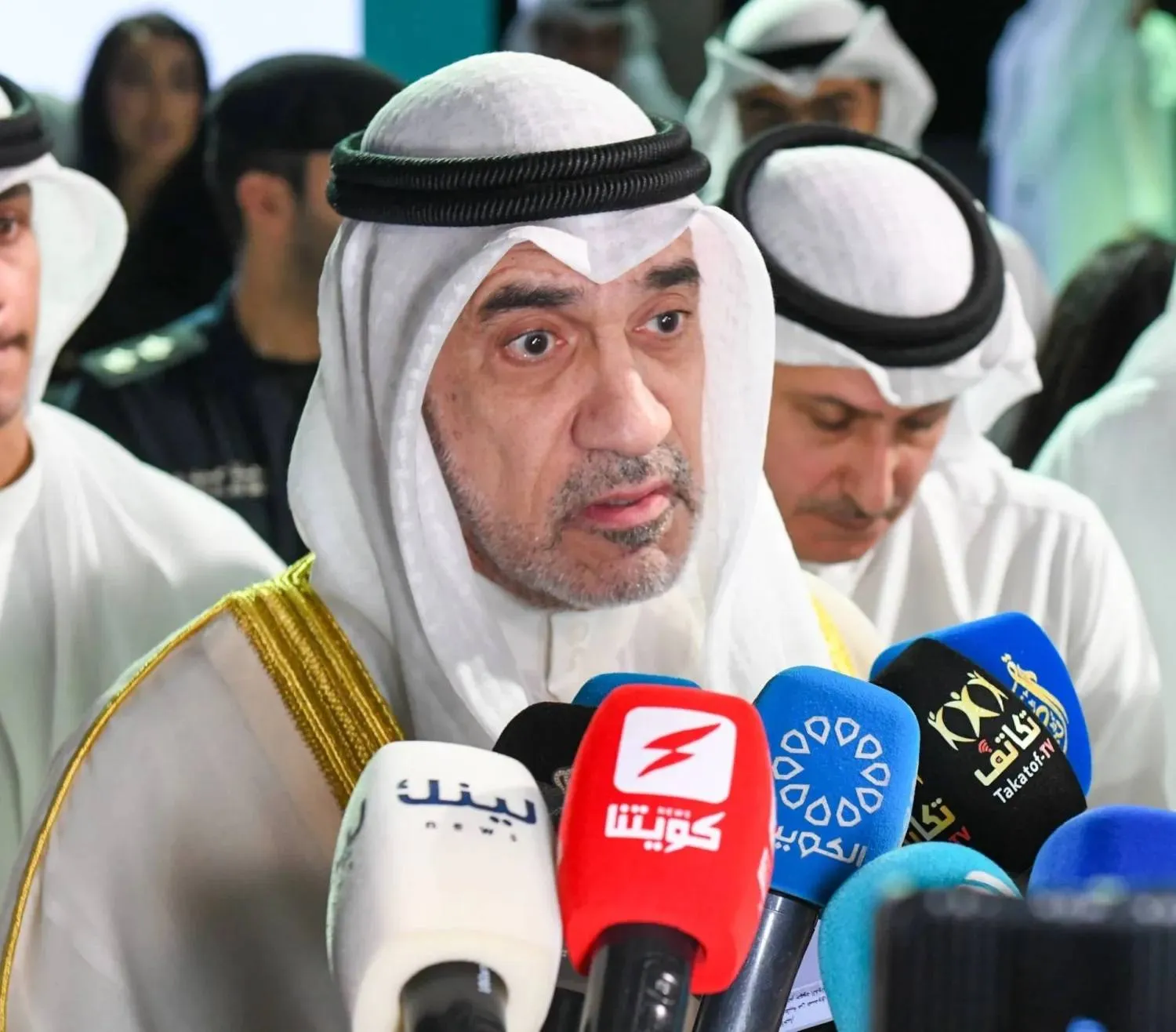
GCC Secretary-General Jasem Albudaiwi emphasized that Saudi Arabia’s hosting of the Munich Security Conference Leaders' Meeting highlights its pivotal role in promoting international security and its dedication to supporting multilateral dialogue aimed at addressing regional and global challenges.
Speaking at the opening of the meeting, Albudaiwi expressed gratitude to the Saudi leadership and Foreign Minister Prince Faisal bin Farhan for their exceptional organization, preparation, and hospitality, which brought together numerous senior officials from countries around the world.