


Saudi Arabia Becomes 21st Member of the World’s Most Advanced Fighter Jet Club 

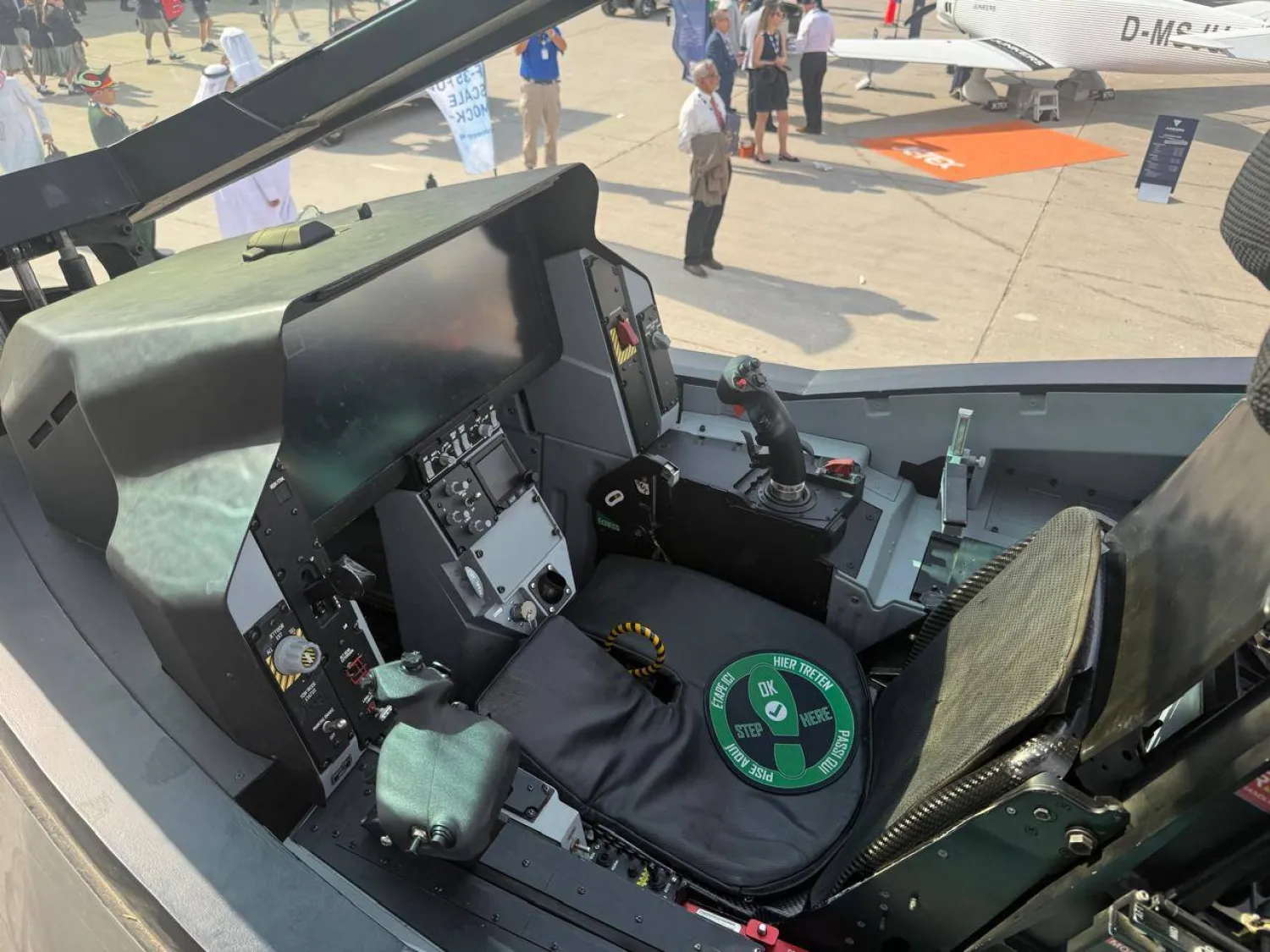
An F-35 fighter jet displayed by Lockheed Martin at the Dubai Airshow. (Asharq Al-Awsat)
TT

Saudi Arabia Becomes 21st Member of the World’s Most Advanced Fighter Jet Club 

An F-35 fighter jet displayed by Lockheed Martin at the Dubai Airshow. (Asharq Al-Awsat)

US President Donald Trump’s announcement approving the sale of F-35 fighter jets to Saudi Arabia has made the Kingdom the 21st nation to join the select group operating what is widely regarded as the world’s most advanced combat aircraft.

The American manufacturer Lockheed Martin describes its stealth F-35 as “the most advanced fighter jet in the world,” citing performance data and operational figures that highlight the aircraft’s expanding global presence and its central role in 21st Century air-defense architecture.

According to the latest figures as of November 2025, the F-35 program has widened to include 20 partner countries, with more than 1,255 aircraft delivered so far.

Data shows that the fighter - examined by Asharq Al-Awsat during an exclusive tour at the Dubai Airshow - has entered widespread operational service, with 50 air and naval bases activated to host and operate it. A total of 11 countries are now flying the jet from their own soil.

Lockheed Martin estimates that by 2035, Europe alone will operate more than 700 F-35s, while the Indo-Pacific will field more than 300, underscoring the aircraft’s pivotal role in the modernization strategies of US allies.

The company positions the F-35 as a highly versatile, multi-role fighter featuring an extremely low radar cross-section. Its stealth characteristics rely on precision shaping, reduced engine heat signature, and internal carriage of weapons and fuel to maintain low observability and minimize detection by conventional sensors.

Technically, the jet carries an advanced suite of sensors, including an AESA radar, the Distributed Aperture System (DAS), the Electro-Optical Targeting System (EOTS), and sophisticated electronic-warfare capabilities.

Through data-fusion technology, the pilot receives a unified, real-time operational picture of the battlespace, improving situational awareness, accelerating decision-making, and increasing the effectiveness of engagements.

Lockheed Martin stresses that the F-35 is built to function within a broad, integrated combat network. The aircraft serves as a secure communications and information-sharing platform, transmitting imagery and data simultaneously with air, land, and sea assets, reinforcing modern concepts of network-centric warfare.

The F-35 can carry a broad array of munitions, whether inside its two internal bays for maximum stealth or on external hardpoints in permissive environments, with a total payload capacity exceeding 18,000 pounds.

Program data shows that the aircraft has become a mainstay of 16 air forces and military services worldwide, completing more than 691,000 sorties since entering service and participating in numerous major international exercises.



Makkah Deputy Governor Carries Out Field Inspection of Grand Mosque Readiness for Ramadan 

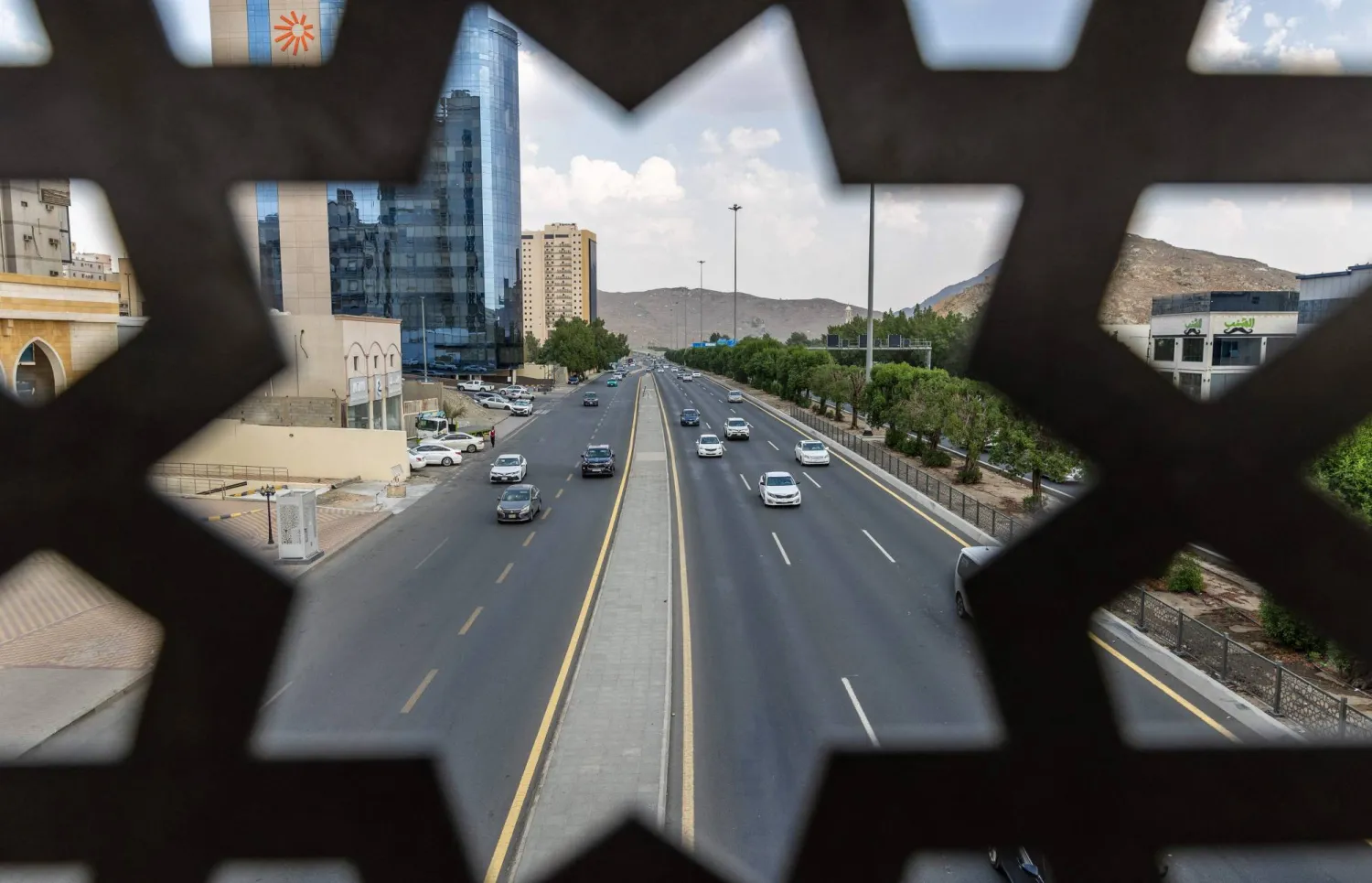
Deputy Governor of the Makkah Region Prince Saud bin Mishaal bin Abdulaziz is seen during his inspection tour at the Grand Mosque in the holy city of Makkah. (SPA)
TT

Makkah Deputy Governor Carries Out Field Inspection of Grand Mosque Readiness for Ramadan 

Deputy Governor of the Makkah Region Prince Saud bin Mishaal bin Abdulaziz is seen during his inspection tour at the Grand Mosque in the holy city of Makkah. (SPA)

Deputy Governor of the Makkah Region Prince Saud bin Mishaal bin Abdulaziz inspected the readiness of the Grand Mosque and its facilities, conducting a field tour to review operational and service preparations for receiving worshippers and Umrah performers during the holy month of Ramadan, reported the Saudi Press Agency on Tuesday.

Prince Saud was briefed on the operational plans implemented by the relevant authorities, including crowd management mechanisms, service enhancements, and facility preparations aimed at ensuring smooth movement and enhancing comfort and safety levels for visitors to the Grand Mosque, particularly during peak times.

He reviewed developmental initiatives and smart services supporting the operational system, notably electric mobility carts for transporting the elderly, persons with disabilities, and those in need of assistance within the Grand Mosque.

The tour also included an overview of the efforts of guidance teams deployed across the corridors and courtyards of the Grand Mosque, providing multilingual assistance and direction.

Prince Saud reviewed the interactive map and digital mobility platform, which allows visitors to plan their routes in advance and identify service locations, entrances and exits, and less crowded pathways.

He was briefed on crowd management systems, including the visitor density sensor platform that measures human density in real time, and the Tawaf and Sa’i crowd status display service, which allows worshippers to select appropriate times to perform rituals with ease. Models of the modern multilingual guidance system were also reviewed.

Prince Saud also visited the Smart Engineering Command and Control Center, which serves as an advanced central platform linking operational systems and monitoring performance in real time, boosting operational efficiency and raising readiness levels during Ramadan.


Saudi Leadership Provides Two Donations Worth SAR150 Mln Through Jood Eskan Platform

Custodian of the Two Holy Mosques King Salman bin Abdulaziz Al Saud and Prince Mohammed bin Salman bin Abdulaziz Al Saud, Crown Prince and Prime Minister. (SPA)
TT

Saudi Leadership Provides Two Donations Worth SAR150 Mln Through Jood Eskan Platform

Custodian of the Two Holy Mosques King Salman bin Abdulaziz Al Saud and Prince Mohammed bin Salman bin Abdulaziz Al Saud, Crown Prince and Prime Minister. (SPA)

Custodian of the Two Holy Mosques King Salman bin Abdulaziz Al Saud and Prince Mohammed bin Salman bin Abdulaziz Al Saud, Crown Prince and Prime Minister, have provided two generous donations amounting to SAR150 million through the Jood Eskan platform.

The move aligns with the leadership's commitment to supporting all national efforts and initiatives to provide suitable housing for deserving families.

Minister of Municipalities and Housing and Chairman of the Board of Trustees of the Developmental Housing Foundation (Sakan) Majed Al-Hogail expressed his deep gratitude to the leadership for its unwavering support to all national efforts and initiatives aimed at providing suitable housing for eligible families across the Kingdom.

He noted the effective impact of previous generous donations in achieving the goals of housing development, and motivating individuals and institutions to donate through the Jood Eskan platform that is based on community giving that helps provide decent housing and boosts stability and quality of life for deserving families.


Saudi Crown Prince Receives Message on Bilateral Ties from President of Kazakhstan

Prince Mohammed bin Salman bin Abdulaziz Al Saud, Saudi Crown Prince and Prime Minister. (SPA file)
TT

Saudi Crown Prince Receives Message on Bilateral Ties from President of Kazakhstan

Prince Mohammed bin Salman bin Abdulaziz Al Saud, Saudi Crown Prince and Prime Minister. (SPA file)

Prince Mohammed bin Salman bin Abdulaziz Al Saud, Saudi Crown Prince and Prime Minister, received on Tuesday a written message from President of Kazakhstan Kassym-Jomart Tokayev on bilateral relations between their two countries.

The message was received by Minister of Foreign Affairs Prince Faisal bin Farhan bin Abdullah during a meeting with his Kazakh counterpart Yermek Kosherbayev in Riyadh.