
Falling debris from a missile intercept killed one person on Tuesday in the Emirati capital of Abu Dhabi and injured two medical staff in Kuwait, authorities said, as Iran pressed its attacks against Gulf countries.
The Gulf has borne the brunt of Iran's attacks in response to US-Israeli strikes that sparked the Middle East war, with Tehran targeting US assets but also civilian infrastructure.
Debris fell in the Bani Yas area "following the interception of a ballistic missile by air defenses", the Abu Dhabi Media Office said on X.
The day before a Palestinian national was killed on the edge of the city when a missile hit his car.
As well as hitting ports, airports, residential buildings and hotels along with military sites across the region, Iran has also struck energy facilities across the Gulf.
On the east coast of the country, the oil industrial zone of Fujairah was hit on Tuesday morning, sparking a fire but causing no injuries, local authorities said.
It was the second day in a row that the site was hit, with a source telling AFP on Monday that oil storage loading had been shut down by an attack.
In Kuwait, two medical staff were injured when shrapnel fell on an emergency medical center where they were working, the state's health ministry said.
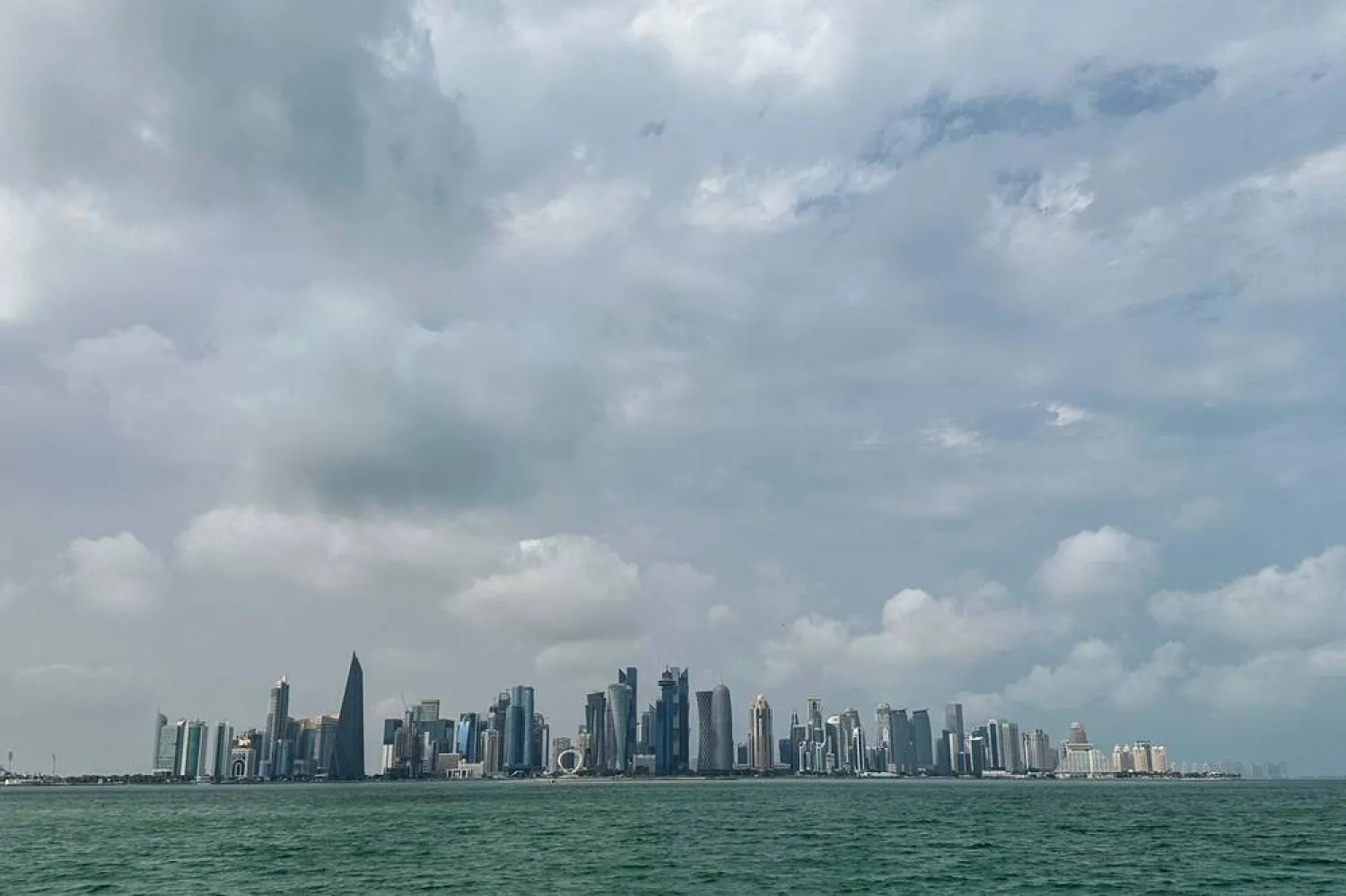
An AFP journalist heard several explosions in Doha on Tuesday and Qatar's defense ministry said it had intercepted a missile attack.
Later, the country's civil defense said it was dealing with a minor fire in an industrial area following the interception, with no injuries reported.
In nearby Dubai, an AFP journalist heard three explosions after a mobile phone alert warned residents of the United Arab Emirates' most populous city to "immediately seek a safe place" because of "potential missile threats".
Iran has fired more than 1,900 missiles and drones at the UAE, more than any other country targeted by Tehran since the start of the war.
The strikes have upended travel plans in the financial hub, despite its air defense intercepting the vast majority of projectiles.