


Albudaiwi: GCC Countries Activate Several Alternative Logistics Corridors

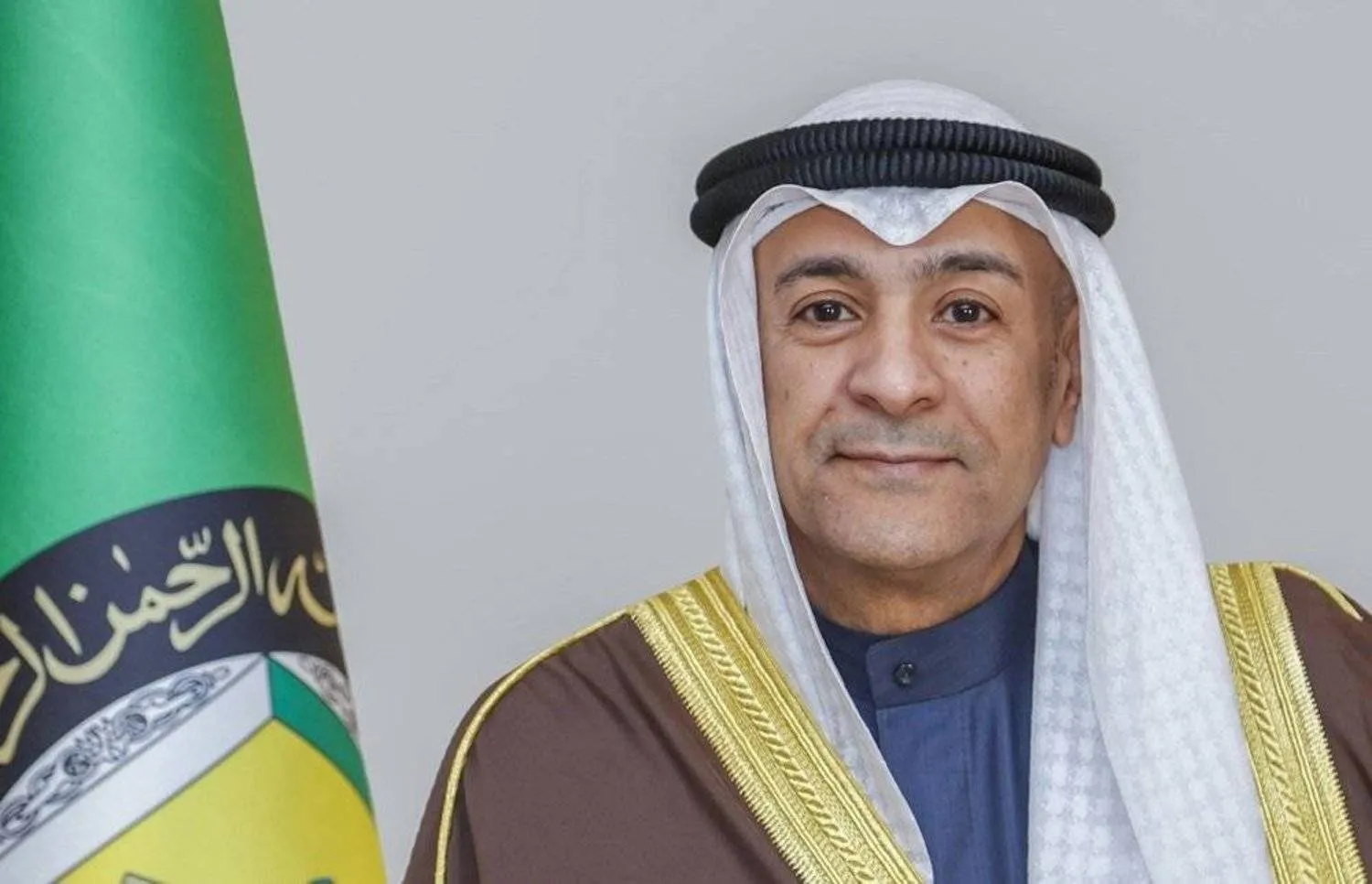
Secretary-General of the Gulf Cooperation Council (GCC) Jasem Albudaiwi. SPA
TT

Albudaiwi: GCC Countries Activate Several Alternative Logistics Corridors

Secretary-General of the Gulf Cooperation Council (GCC) Jasem Albudaiwi. SPA

Secretary-General of the Gulf Cooperation Council (GCC) Jasem Albudaiwi affirmed that the GCC countries moved immediately to protect supply chains and ensure their continuity by activating a number of alternative logistics corridors and redirecting shipments from the Arabian Gulf ports to alternative ports on the Red Sea and the Arabian Sea, supported by customs and logistics facilitation that ensures the flow of supplies and meets international demand for energy and fertilizers during the current circumstances.

This came during a speech delivered by Albudaiwi at the meeting dedicated to discussing a new political initiative entitled “Supporting Food Security and Access to Fertilizers”, held today via videoconference, in the presence of Deputy Prime Minister and Minister of Foreign Affairs of the Italian Republic Antonio Tajani and Minister of Foreign and European Affairs of the Republic of Croatia and current chair of the Mediterranean Group Gordan Grlić Radman.

According to a press release issued by the GCC Secretariat General today, the GCC secretary-general stated that this meeting is being held at a highly critical juncture, in light of the blatant Iranian attacks targeting the GCC countries, and Iran’s continued disruption of navigation in the Strait of Hormuz, which has clearly revealed the depth of interconnection between regional security issues and the challenges of global food security, SPA reported.

“Since February 28, 2026, Iran and its proxies in the region have launched approximately 7,000 attacks using ballistic missiles and drones against the GCC countries over 45 consecutive days, targeting civilian facilities, infrastructure and energy facilities, including oil and gas, resulting in loss of life and significant material damage, and directly affecting the stability of global energy markets and supply chains, particularly food commodities and agricultural inputs, foremost among them chemical fertilizers,” he said in his speech.

Albudaiwi further stated that the Iranian aggression against the sovereignty of the GCC countries, the disruption of maritime navigation, and the closure of the Strait of Hormuz constitute blackmail against the entire world and a clear violation of the 1982 United Nations Convention on the Law of the Sea, as well as a blatant breach of international law and the Charter of the United Nations.

The GCC secretary-general commended the adoption of United Nations Security Council Resolution 2817, which condemned these attacks, called for their immediate cessation, and urged refraining from threatening or disrupting maritime navigation in the Arabian Gulf, the Strait of Hormuz or adjacent areas, with an unprecedented level of co-sponsorship in the history of the Security Council; nevertheless, Iran has not complied with it to date.

"The damages resulting from the disruption of maritime navigation are not confined to the borders of the GCC states but extend to impact the entire global economy. The world is currently suffering from shortages in the supply of oil, gas, and petrochemical derivatives, including agricultural fertilizers, with urea prices rising by 30% to 40%. This constitutes a direct threat to global food security, where developing nations reliant on energy and food imports will bear the greatest burden of this escalation while already facing inflationary pressures and high sovereign debt obligations," he explained.

The release added that Albudaiwi highlighted the harsh economic measures many countries have been forced to take to mitigate these repercussions, stressing that addressing these challenges requires collective action to develop practical tools, such as supporting price stability and intensifying logistical coordination to ensure the uninterrupted flow of essential goods.

“Today’s meeting serves as a vital opportunity to translate discussions into practical initiatives that enhance connectivity between our countries and support the stability of the region and the world as a space for cooperation and joint development," he stated, underscoring that dialogue and diplomacy remain the optimal means for addressing crises, while emphasizing that Iran must respect the sovereignty of neighboring states and refrain from interfering in the internal affairs of GCC countries.

The GCC secretary-general called for considering all necessary measures to achieve the security and stability of supply chains, ensure the continuity of international maritime navigation, and realize global food security, underlining that these measures include ensuring a permanent cessation of Iranian attacks on the territories, ports and interests of GCC states in the waters of the Arabian Gulf and guaranteeing their non-recurrence.

He also highlighted the importance of taking all necessary measures to protect maritime corridors and ensure the continuity of international navigation in all straits, particularly the Strait of Hormuz and Bab al-Mandeb, as maintaining maritime and regional security is a fundamental pillar of international peace and security.

Finally, he stressed the significance of committing to the provisions of international law and the concerted efforts of the international community to protect energy security, supply chains and the freedom of navigation in maritime passages in accordance with relevant international resolutions and treaties.



Saudi Hajj Minister Discusses Improvements, Preparations for Next Season

Dr. Tawfiq Al-Rabiah reviewed key opportunities and development initiatives for the Hajj season during the meeting. (SPA)
TT

Saudi Hajj Minister Discusses Improvements, Preparations for Next Season

Dr. Tawfiq Al-Rabiah reviewed key opportunities and development initiatives for the Hajj season during the meeting. (SPA)

Saudi Minister of Hajj and Umrah Dr. Tawfiq Al-Rabiah met on Friday with representatives of Hajj companies in Mina to evaluate performance, discuss areas for improvement, and begin early preparations for next year’s Hajj.

Al-Rabiah praised the support provided to the Hajj by Custodian of the Two Holy Mosques King Salman bin Abdulaziz and Prince Mohammed bin Salman, Crown Prince and Prime Minister, saying their backing has helped in improving services for pilgrims and boosting their overall experience.

He commended the ongoing supervision and follow-up by Interior Minister Prince Abdulaziz bin Saud bin Naif bin Abdulaziz, chairman of the Supreme Hajj Committee, which he said helped strengthen coordination and improve operational efficiency during the Hajj season.

Al-Rabiah stressed that preparations for next year’s pilgrimage begin before the current season ends, reflecting the Hajj system’s continuous-work approach aimed at improving service quality and elevating the experience of pilgrims.

The minister stressed the importance of building on the successes achieved during this year’s Hajj and benefiting from lessons learned, performance indicators, and pilgrim satisfaction surveys.

Continuous development remains a core principle of the system serving the pilgrims, he declared.

The meeting reviewed several development initiatives related to digital services, contracting mechanisms, improving the pilgrim experience, and increasing the efficiency of services in housing, transportation, crowd movement, and support services.

The meeting falls within the ministry’s broader efforts to prepare early for the next Hajj season in line with the leadership’s directives to care for pilgrims and continue developing the Hajj system in a way that supports the objectives of the Pilgrim Experience Program, one of the initiatives of Saudi Vision 2030, and enhances the pilgrim experience throughout every stage of the spiritual journey.


Iraq Condemns Rocket Attacks against Kuwait

Kuwait blamed Iran for the attack, saying it was a dangerous escalation and violation of its sovereignty. (KUNA)
TT

Iraq Condemns Rocket Attacks against Kuwait

Kuwait blamed Iran for the attack, saying it was a dangerous escalation and violation of its sovereignty. (KUNA)

Iraq condemned on Friday the rocket and drone attacks against Kuwait earlier this week.

Kuwait blamed Iran for the attack, saying it was a dangerous escalation and violation of its sovereignty and security.

The Iraqi Foreign Ministry underscored Iraq’s “rejection of all acts that threaten the security and stability of countries in the region.”

In a statement, it urged the need for restraint and avert escalation in the region, calling for dialogue and diplomacy to resolve crises.

Iraq supports all international and regional efforts aimed at preventing the circle of violence from expanding, it added.

It also backs efforts to reach peaceful solutions that preserve the security and stability of the peoples of the region.

Iraq did not pin blame on Iran. Kuwait condemned “the Iranian attacks” that targeted its territories, saying they were a “direct threat to civilians and vital installations.”

The US military on Thursday accused Iran of violating the fragile ceasefire in the region following the attack.


Saudi Interior Minister Receives Syrian Counterpart

Saudi Minister of Interior and Chairman of the Supreme Hajj Committee Prince Abdulaziz bin Saud bin Naif bin Abdulaziz met with Syrian Minister of Interior Anas Khattab. (SPA)
TT

Saudi Interior Minister Receives Syrian Counterpart

Saudi Minister of Interior and Chairman of the Supreme Hajj Committee Prince Abdulaziz bin Saud bin Naif bin Abdulaziz met with Syrian Minister of Interior Anas Khattab. (SPA)

Saudi Minister of Interior and Chairman of the Supreme Hajj Committee Prince Abdulaziz bin Saud bin Naif bin Abdulaziz received on Friday Syrian Minister of Interior Anas Khattab at the ministry’s headquarters in Makkah, the Saudi Press Agency said.

During the meeting, the two sides reviewed areas of existing cooperation and security coordination between the two brotherly countries and discussed a number of topics of mutual interest.

The Syrian interior minister praised this year’s Hajj season, which reflects the level of care the Kingdom extends to pilgrims, as well as its advanced organizational and operational capabilities that have contributed to providing a safe and smooth environment for pilgrims. He also commended the season’s integrated services and efficient crowd management.

Several senior officials attended the meeting.