


Bahrain Sentences Three to Life for Spying for Iran’s IRGC

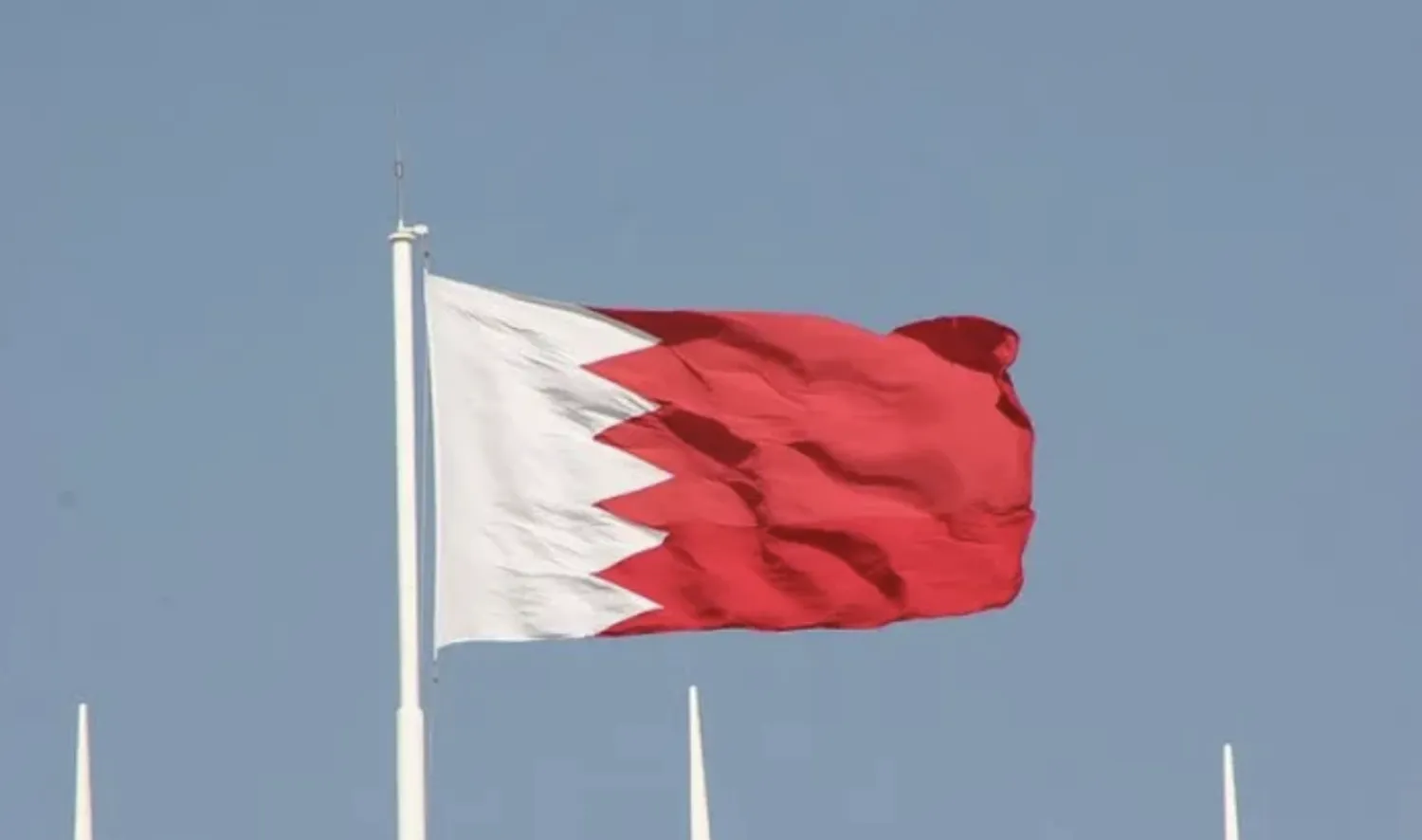
The flag of the Kingdom of Bahrain (BNA)
TT

Bahrain Sentences Three to Life for Spying for Iran’s IRGC

The flag of the Kingdom of Bahrain (BNA)

Bahrain’s High Criminal Court on Tuesday sentenced 24 defendants in separate cases tied to espionage for Iran’s Revolutionary Guard Corps (IRGC), support for Iranian attacks against the Kingdom, and acts of violence and sabotage linked to those attacks.

The rulings included life sentences for three defendants, prison terms of up to 10 years for others, financial penalties, confiscation of seized materials, and the permanent deportation of three convicts after serving their sentences.

According to the head of the Terror Crimes Prosecution, the first case involved a woman convicted of spying for the IRGC through a social media account used to publish photographs and coordinates of strategic sites and key facilities inside Bahrain, along with content deemed harmful to the country’s military, political, and economic interests. The court sentenced her to life imprisonment.

He added that the defendant admitted using her account to assist hostile entities by sharing images and coordinates of sensitive locations, accompanied by comments suggesting they could be targeted. She also posted videos and images of previously attacked sites with the intent of glorifying and promoting those attacks.

In a second case, investigations by the General Directorate of Criminal Investigation and Forensic Science uncovered an Iranian intelligence and IRGC-backed network tasked with monitoring critical infrastructure in Bahrain in preparation for terrorist attacks aimed at undermining national security and stability.

The Bahraini official said the first defendant, who fled to Iran, recruited a second defendant inside Bahrain to carry out terrorist operations, transfer funds to extremist elements, and collect intelligence on strategic facilities for transmission to the IRGC and Iranian intelligence agencies. Both men were sentenced to life in prison and fined 10,000 Bahraini dinars each — about $26,500 — in addition to the confiscation of seized items.

The court also issued rulings in nine additional cases involving praise for the Iranian attacks, dissemination of prohibited sensitive information, and photographing restricted sites. Ten defendants received prison terms of up to 10 years, while some were fined 2,000 dinars and ordered deported after completing their sentences.

In four separate cases linked to unrest during the Iranian attacks in March, 11 defendants were sentenced to prison terms of up to five years for violence and sabotage. Some were also fined 500 dinars.

Bahrain’s Public Prosecution said offenses involving espionage for foreign entities, justification of terrorism, dissemination of prohibited information, and acts of sabotage constitute crimes against state security and civil peace, warning that strict legal action would continue against anyone involved in such activities.



Saudi Arabia, UK Stress Importance of Ensuring Freedom of Navigation Through Strait of Hormuz

Saudi Foreign Minister Prince Faisal bin Farhan during his meeting with his British counterpart, Yvette Cooper in London on Tuesday (SPA)
TT

Saudi Arabia, UK Stress Importance of Ensuring Freedom of Navigation Through Strait of Hormuz

Saudi Foreign Minister Prince Faisal bin Farhan during his meeting with his British counterpart, Yvette Cooper in London on Tuesday (SPA)

Saudi Minister of Foreign Affairs Prince Faisal bin Farhan bin Abdullah met on Tuesday in London with UK Secretary of State for Foreign, Commonwealth and Development Affairs Yvette Cooper.

During the meeting, both sides reviewed bilateral relations and discussed the latest developments in the Middle East and their security and economic implications.

The two ministers also stressed the need to intensify efforts to steer the region toward stability and peace. They underscored the importance of ensuring freedom of navigation in the Strait of Hormuz and rejecting its use as a tool of political or economic pressure, which would undermine international order and law and negatively affect global trade flows.

The meeting was attended by Saudi Ambassador to the United Kingdom Prince Abdullah bin Khalid bin Sultan, Director General of the Foreign Minister’s Office Walid Al-Samaeel, and Advisor to the Foreign Minister Mohammed Alyahya.

Prince Faisal also held talks with the UK’s National Security Adviser, Jonathan Powell.

During the meeting, the two sides reviewed areas of cooperation and discussed the latest developments in the region. They also stressed the importance of ensuring freedom of navigation through the Strait of Hormuz and the need to strengthen efforts to maintain the region’s security and stability.


Saudi Crown Prince, UAE President Discuss Efforts to Enhance Regional Security and Stability

Saudi Crown Prince Mohammed bin Salman and UAE President Mohamed bin Zayed Al Nahyan (Saudi Foreign Ministry)
TT

Saudi Crown Prince, UAE President Discuss Efforts to Enhance Regional Security and Stability

Saudi Crown Prince Mohammed bin Salman and UAE President Mohamed bin Zayed Al Nahyan (Saudi Foreign Ministry)

Prince Mohammed bin Salman bin Abdulaziz Al Saud, Saudi Crown Prince and Prime Minister, made a phone call on Tuesday to President of the United Arab Emirates Sheikh Mohamed bin Zayed Al Nahyan, during which they discussed areas of bilateral cooperation.

They also reviewed the latest regional developments and ongoing efforts to enhance security and stability in the region.


Qatar, Türkiye Back Pakistan’s Efforts to End Iran War

Emir of Qatar Sheikh Tamim bin Hamad Al-Thani and Turkish FM Hakan Fidan meet in Doha on Tuesday. (QNA)
TT

Qatar, Türkiye Back Pakistan’s Efforts to End Iran War

Emir of Qatar Sheikh Tamim bin Hamad Al-Thani and Turkish FM Hakan Fidan meet in Doha on Tuesday. (QNA)

Qatar and Türkiye stressed on Tuesday “their rejection of unilateral measures that could undermine the security of the Strait of Hormuz or threaten the stability of international navigation.”

Emir of Qatar Sheikh Tamim bin Hamad Al-Thani received in Doha on Tuesday Turkish Foreign Minister Hakan Fidan for talks on regional developments, most notably the ceasefire between the United States and Iran, and efforts to de-escalate tensions and reach a diplomatic solution to boost international security and stability.

They also reviewed the strategic cooperation relations between their countries and ways to support and strengthen them.

Qatari Prime Minister and Minister of Foreign Affairs Sheikh Mohammed bin Abdulrahman bin Jassim Al-Thani later received Fidan for talks on regional developments and tensions surrounding the Strait of Hormuz.

They reaffirmed the importance of safeguarding freedom of navigation in the strait, condemning any attacks against commercial vessels or threats to maritime security in the region.

They described such acts “as a clear violation of international law and a threat to the stability of international trade and vital supply chains.”

The officials agreed that “the next phase requires enhanced coordination and consultation, as well as building on the strategic partnership between Qatar and Türkiye in support of regional security and stability.”

They underscored support for the mediation efforts by Pakistan, hoping they will help bring the crisis to an end.

Discussions further covered the latest developments in the Gaza Strip, the occupied Palestinian territories and Lebanon.