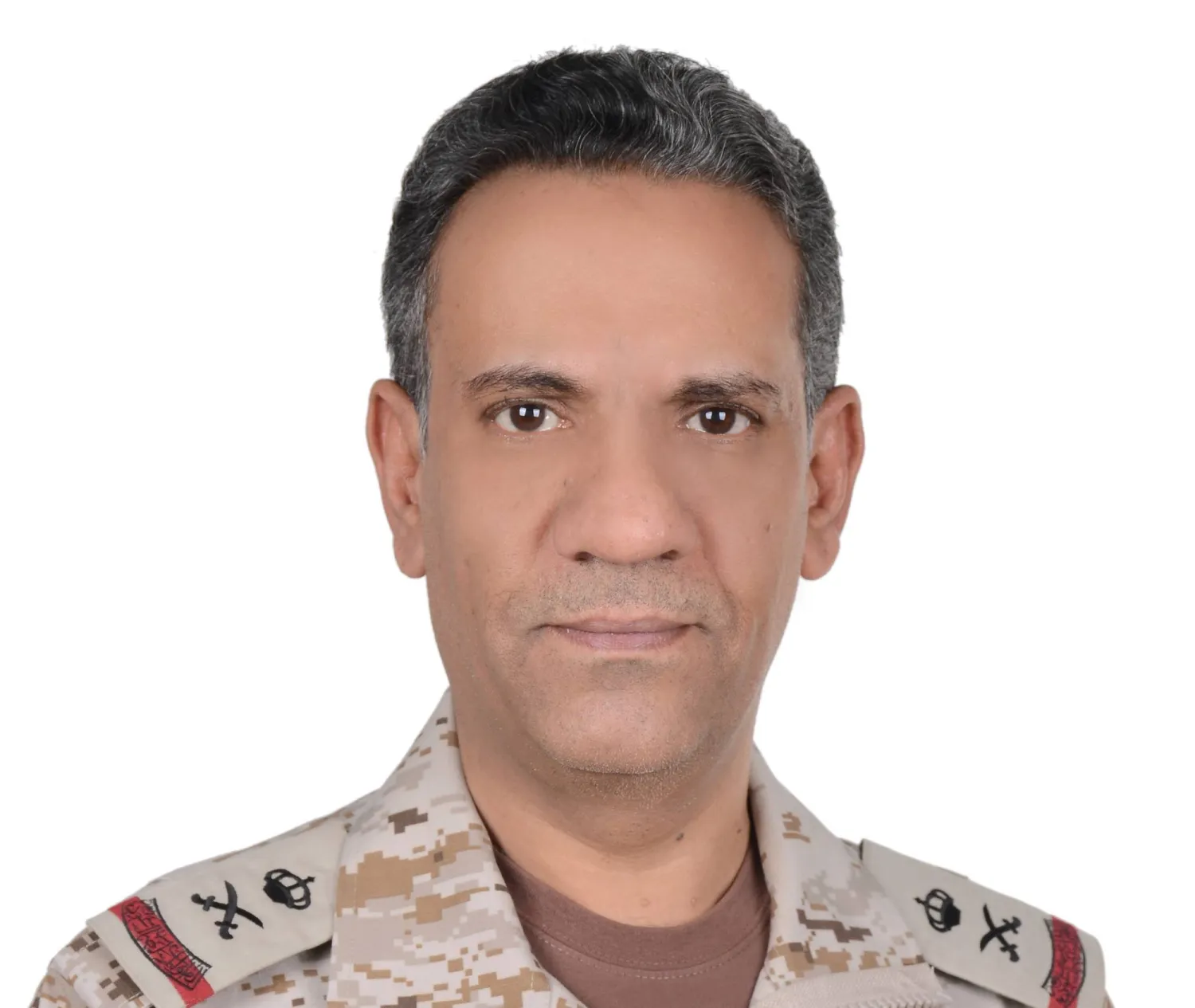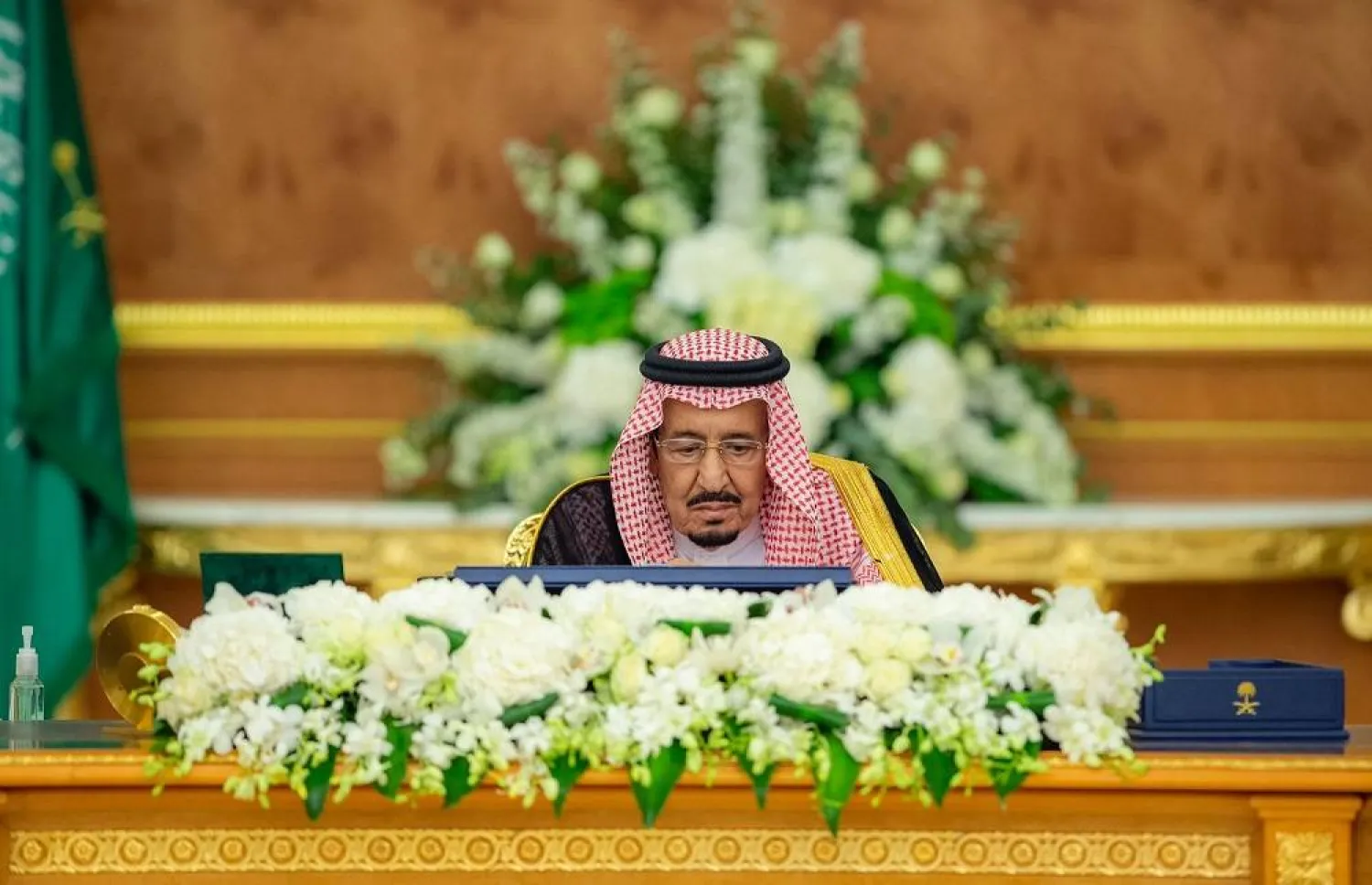

Saudi Minister of Interior and Chairman of the Supreme Hajj Committee Prince Abdulaziz bin Saud bin Naif bin Abdulaziz received in Makkah on Thursday his Jordanian counterpart Mazen Al-Faraya and Minister of Home Affairs of Malaysia Datuk Seri Saifuddin Nasution bin Ismail.
The separate meetings discussed security cooperation and coordination between their countries. The ministers also reviewed several issues of mutual interest.
The Jordanian and Malaysian ministers praised the capabilities and integrated services provided by the Kingdom of Saudi Arabia to serve Hajj pilgrims. They commended the high level of organization and coordination within the Hajj system, which allowed pilgrims to perform their rituals with ease and tranquility.
Also on Thursday, Prince Abdulaziz bin Saud reviewed the workflow at several health facilities operated by the Ministry of Interior’s medical services at the holy sites.
He inspected the Ministry of Interior Medical Services Clinics Complex and reviewed its specialized medical, pharmaceutical, and laboratory clinics, in addition to critical-care units and support services operating within the healthcare system provided to pilgrims under the supervision of specialized medical, technical, and administrative personnel.
The minister viewed a visual presentation highlighting the efforts of the ministry’s medical services during the Hajj season, the healthcare-provider network, field and seasonal teams and clinics, as well as hospitals and medical centers operating in Makkah, Madinah, and the holy sites.
Prince Abdulaziz bin Saud further reviewed the Medical Services Command and Control Center during the Hajj and its real-time monitoring capabilities for health-facility readiness, case movement, deployment of field teams, and operational-performance indicators. The capabilities support rapid decision-making and boost the efficiency of field medical response.
The tour included the Ministry of Interior Medical Services Field Hospital in Arafat, where the minister reviewed the medical and treatment services provided, including emergency, intensive-care, and resuscitation departments, heat-exhaustion and heatstroke treatment units, as well as preventive, laboratory, and pharmaceutical services.
The minister reviewed efforts by the medical services in operating mobile clinics, medical vehicles, and field teams to provide first aid, health awareness, and preventive guidance and reduce health risks associated with heat exhaustion and infectious diseases.
The efforts included employing modern technologies to enhance field healthcare through the smart health bracelet, visual communication technologies supporting field teams medically, and the use of drones to deliver medical supplies when needed.