

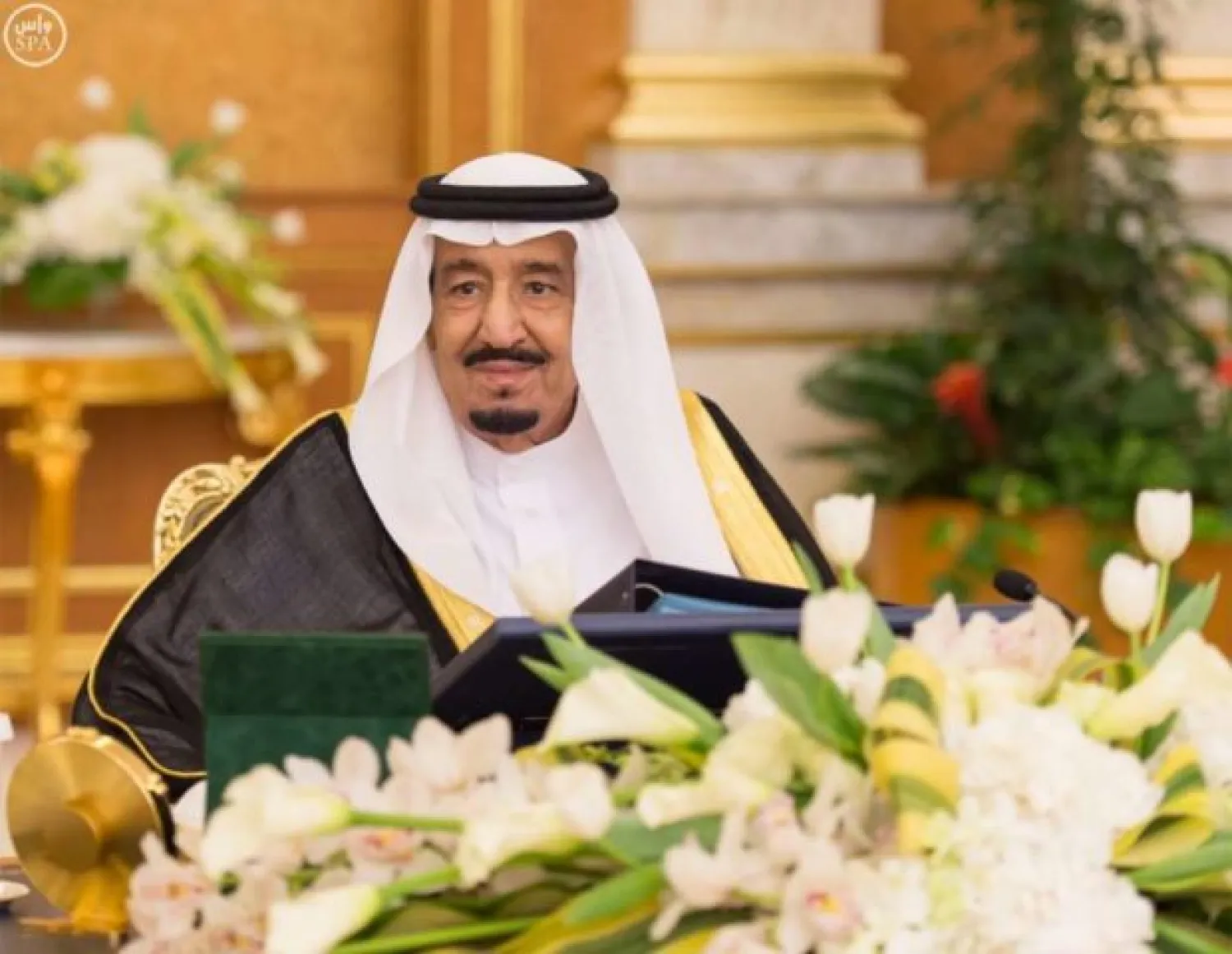

King Salman Grants Saudi Women Right to Drive

King Salman bin Abdulaziz Al Saud. SPA
TT

King Salman Grants Saudi Women Right to Drive

King Salman bin Abdulaziz Al Saud. SPA

Custodian of the Two Holy Mosques King Salman bin Abdulaziz Al Saud issued on Tuesday a Supreme Order that allows Saudi women to drive cars in the Kingdom.

The decree said that women would not be allowed to drive immediately as the new order is scheduled to take effect in June 23, 2018.

The Supreme Order, addressed by the King to the Interior Minister, said a high-level committee of the internal affairs, finance, labor and social development ministries should be formed to study the necessary arrangements for enforcing the decision and should issue their recommendations in a one month period.

Saudi sources told Asharq Al-Awsat on Tuesday that the delay in implementing the decision “is linked to the need of providing all the suitable elements and the needed infrastructure for women to safely drive their cars.”

The sources added that the royal decree received on Tuesday the approval of the majority of the members of the senior scholars council, who considered the legitimacy of this issue to be “in terms of origin,” and agreed that the decision does not contradict with the principles of the Islamic Sharia adopted by Saudi Arabia.

Saudi Ambassador to Washington Prince Khaled bin Salman said women would not need permission from their guardians to get a license or have a guardian in the car and would be allowed to drive anywhere in the kingdom, including the holy cities of Mecca and Medina, according to Reuters.

The ambassador said that women with a license from any of the Gulf Cooperation Council countries would be allowed to drive in Saudi Arabia.

According to the King’s Order, the decision will be effective in accordance with the approved Sharia and regulations and completion of what is required by it.

The decision received a wide support inside and outside Saudi Arabia.

On Tuesday, the US Secretary of State praised the King’s decision and described it as “a great step in the right direction.”

In his decision, Custodian of the Two Holy Mosques also referred to the negative consequences of not allowing women to drive vehicles and the positive aspects of allowing them to do so, taking into consideration the application of the necessary legal controls and adherence to them.

“The state - with the help of God- is guardian of the values and of legitimacy, it is the preservation and care in the list of priorities, whether in this matter or another, will not hesitate to take all that would maintain the security and safety of society,” King Salman said in the Order.

He added: “We adopt the application of the provisions of the Traffic Law and its Executive Regulations - including the issuance of driving licenses - to both males and females.”


Arab Coalition Carries out 'Limited' Airstrike on Military Shipment at Yemen's Mukalla Port

A screengrab shows of the airstrike on Al-Mukalla port. (Arab coalition)
TT

Arab Coalition Carries out 'Limited' Airstrike on Military Shipment at Yemen's Mukalla Port

A screengrab shows of the airstrike on Al-Mukalla port. (Arab coalition)

The Joint Forces Command of the Arab coalition to support legitimacy in Yemen announced that it had carried out a "limited" airstrike targeting a military shipment that had arrived in Yemen's Al-Mukalla port.

In a statement, coalition spokesman Major General Turki al-Malki said the forces detected on Saturday and Sunday the arrival of two vessels from the Port of Fujairah to Mukalla without obtaining any permits from the Joint Forces Command.

"The crew had disabled the tracking devices aboard the vessels, and unloaded a large amount of weapons and combat vehicles in support of the Southern Transitional Council’s forces in Hadhramaut and Al-Mahra governorates in eastern Yemen," it added.

It described the actions as "flagrant violations" of peace efforts and United Nations Security Council resolution 2216.

In response to a request of the president of the Presidential Leadership Council in Yemen that the coalition "take all necessary military measures to safeguard civilians in Hadhramaut and Mahra and considering that the aforementioned weapons are an imminent threat, and an escalation that threatens peace and stability," the Coalition Air Force conducted on Tuesday a limited airstrike targeting the weapons and military vehicles offloaded in Mukalla.

"The airstrike took place following close surveillance and documentation of the cargo, and was conducted in accordance with the Customary International Humanitarian Law, and in a manner that guarantees no collateral damage."

"The Joint Forces Command of the Coalition will continue its de-escalation and pacification in Hadhramaut and Mahra, and will maintain its blocking of any and all military support from whichever country that does so without coordinating with the legitimate Yemeni Government and the coalition, in order to ensure the success of Saudi Arabia and coalition’s efforts to achieve security and stability, and prevent further expansion of the conflict."


Crown Prince of Kuwait Meets with GCC Secretary-General

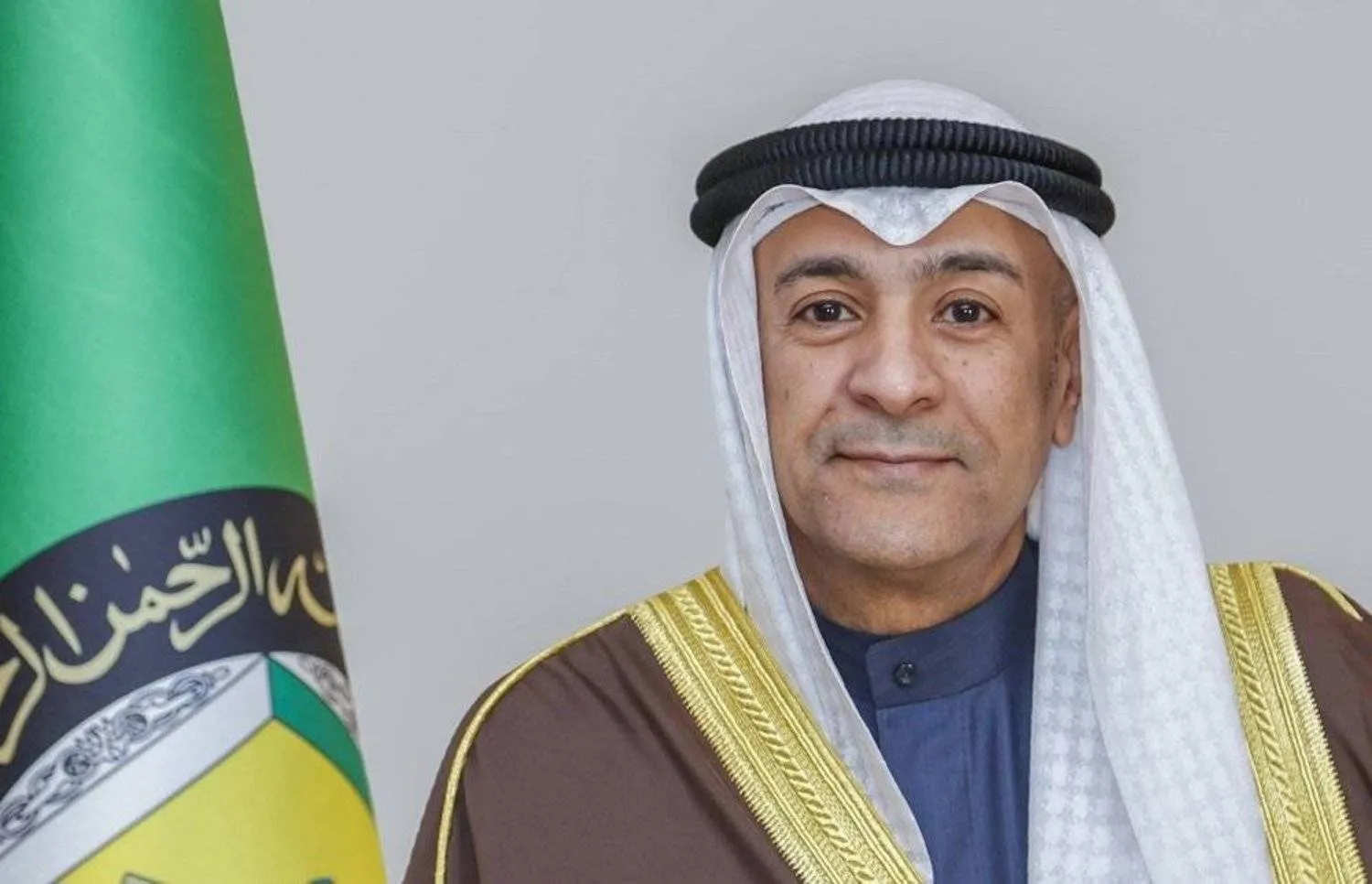
Secretary General of the Gulf Cooperation Council Jasem Mohamed Albudaiwi. GCC
TT

Crown Prince of Kuwait Meets with GCC Secretary-General

Secretary General of the Gulf Cooperation Council Jasem Mohamed Albudaiwi. GCC

Kuwaiti Crown Prince Sheikh Sabah Khaled Al-Hamad Al-Sabah met with Secretary-General of the Gulf Cooperation Council (GCC) Jasem Albudaiwi on Monday at the Bayan Palace in Kuwait.

Albudaiwi presented a comprehensive report to Sheikh Sabah regarding Kuwait’s presidency of the 45th session of the GCC Supreme Council, and expressed his appreciation for the generous support and steadfast commitment Kuwait provides to the GCC's journey, SPA reported.

He underscored that such support serves as a powerful catalyst for continued efforts toward achieving greater integration and cooperation, ultimately fostering prosperity and well-being for the GCC member states and their peoples.


Botanical Facility Inaugurated at Saudi King Salman Royal Reserve to Boost Ecosystem Sustainability

Saudi  Minister of Interior and Chairman of the Board of Directors of the King Salman bin Abdulaziz Royal Reserve Development Authority Prince Abdulaziz bin Saud bin Naif bin Abdulaziz (R) is seen at the inauguration. (SPA)
TT

Botanical Facility Inaugurated at Saudi King Salman Royal Reserve to Boost Ecosystem Sustainability

Saudi  Minister of Interior and Chairman of the Board of Directors of the King Salman bin Abdulaziz Royal Reserve Development Authority Prince Abdulaziz bin Saud bin Naif bin Abdulaziz (R) is seen at the inauguration. (SPA)

Saudi Minister of Interior and Chairman of the Board of Directors of the King Salman bin Abdulaziz Royal Reserve Development Authority Prince Abdulaziz bin Saud bin Naif bin Abdulaziz inaugurated a central nursery and wild seed research and production station in Al-Jouf, reported the Saudi Press Agency on Monday.

The project aims to boost vegetation cover and sustainability within the reserve. Spanning 1,600 hectares, the project includes advanced botanical facilities, including parent seed fields, seed storage, nurseries, and a wild plant garden, to support local seed and seedling production.

The parent seed fields consist of 14 areas with over 400,000 trees and shrubs from more than 30 local species.

The central nursery covers 60,000 square meters and contains 30 greenhouses, with an annual production capacity of 1.5 million seedlings across 15 plant species. The project boasts a botanical garden spanning 12,000 square meters, featuring over 280 species of trees, shrubs, and perennial grasses.

The central nursery and seed station have contributed to planting over four million seedlings and dispersing more than 8,000 kilograms of seeds across 10 locations within the reserve, resulting in five million wild plants. This reflects the reserve’s commitment to restoring ecosystems and expanding vegetation cover.