US War on Terror in 76 Countries Cost $6.5 Trillion

US soldiers in Afghanistan. (AFP)
TT

US War on Terror in 76 Countries Cost $6.5 Trillion

US soldiers in Afghanistan. (AFP)

A US study published earlier this week revealed that the United States’ war on terrorism has cost $6.5 trillion, reported The National magazine based on report by the Watson Institute for International and Public Affairs at Brown University.

The ongoing war on terror began in October 2001, a month after the September 11 attacks in the US.

US President Donald Trump revealed in one of his tweets that his country has spent 7 trillion dollars on the Middle East alone.

Estimates predict that US loans to fund the war will result in an 8 trillion dollar debt by 2025.

The number of countries involved in the war has reached 76 or 39 percent of the countries in the world. The tally also lists regions where US forces are deployed on the ground, such as Yemen, Somalia, Libya, Iraq and Afghanistan. It also lists where American advisors are training local forces on counter-terrorism methods.

Experts said there are currently no real discussions in the United States on the cost of the war due to the nature of the conflict that lacks no stable fronts or boundaries.

A map presented by the study of the 76 countries linked to the war raised questions over the effectiveness of Washington’s approach on the conflict. They explained that the approach has turned many major cities into rubble and forced the displacement of millions of people, which has destabilized many host countries.

The map also showed the extent in which terrorist groups have spread across the world, turning the conflict against extremists into a worldwide phenomenon. The conflict stretches from as far as Southeast Asia, the Philippines, passes through the Middle East and reaches North Africa and Niger in the west of the continent.

The National said that the ongoing US war on Afghanistan is the longest in American history and it is predicted to go on even longer, especially under Trump’s administration. The current president had unveiled a national defense strategy two months ago in which he agreed to send more troops to Kabul and increase airstrikes against terrorist groups, including the Taliban.

The magazine said that the situation in Afghanistan indicates that the war will continue for a long time and it will extend beyond the country’s borders. A US Secretary of Defense report spoke of some 20 terrorist and radical groups operating in Afghanistan and Pakistan.

The National traced back the beginnings of the war on terror. It said that the US initially launched the war by attacking Afghanistan in order to eliminate Taliban, which had great control over the country. The beginning of the war seemed promising and American forces were able to make advances in Kabul. The Taliban had incurred enough defeats that its fighters had asked US troops to allow them to lay down their arms and return to their homes.

This initial success led senior officials in the administration of then President George W. Bush to raise their expectations and ambitions. Bush and his Vice President Donald Rumsfeld then believed that there was a need to extend this success in countering terrorism to 60 other countries.

At the time, Washington saw the war on terror as being restricted to one country at a time. It then began preparing for extending this war, setting Iraq as its next target.

The war led to the toppling of Iraqi leader Saddam Hussein, but the National said that the US had not only intended for his ouster, but it had also set its sights on the country’s oil wealth.

A British official, who was close to the Bush administration at the time, was quoted by the magazine as saying: “Everyone wants to go to Baghdad, but real men want to go to Tehran.”

He implied that the US invasion of Iraq was not really aimed at combating terrorism, but its real target was Iraq’s oil and Washington should have shifted its attention to Iran, which had transformed into an extremist state after the 1978 Khomeini revolution.

What Does Trump Want in Iran? 

An anti-US mural on a building in Tehran, Iran, January 24, 2026. Majid Asgaripour/WANA (West Asia News Agency) via Reuters
TT

What Does Trump Want in Iran? 

An anti-US mural on a building in Tehran, Iran, January 24, 2026. Majid Asgaripour/WANA (West Asia News Agency) via Reuters

President Donald Trump's threats to attack Iran provide little detail on what the long-term US goal would be in the event of a sustained or even brief conflict.

Trump sent warships and dozens of fighter planes to the Middle East and has several options to choose from that could destabilize the region.

Will Trump order surgical strikes targeting Iran's Revolutionary Guard Corps, the backbone of the clerical regime in power, try to take out its missile program -- as Israel wants him to do -- or even try to force regime change in Tehran?

Iran has threatened severe reprisal if it is attacked.

- What are the options? -

Trump said Thursday he would decide in 10 or 15 days whether to order strikes on Iran if no nuclear deal is reached.

The news outlet Axios has reported that Trump was presented with an array of military options that include a direct attack on Iran's supreme leader, Ali Khamenei.

Trump has said many times he prefers a diplomatic route leading to an agreement that addresses not only Iran's nuclear program but also its ballistic missile capability and its support for armed groups such as Hezbollah and Hamas. Iran has said no to making such concessions.

The United States and Iran recently held two rounds of indirect talks, in Oman and Switzerland. They have not brought the two sides' position closer, with talks set to resume Thursday in Switzerland.

Trump is "surprised" that Iran has not "capitulated" given the massive US military buildup, his envoy Steve Witkoff has said.

"The Trump administration most likely aims for a limited conflict that reshapes the balance of power without trapping it in a quagmire," said Alex Vatanka, an analyst at the Middle East Institute in Washington.

Vatanka said Iran is now expecting "a short, high-impact military campaign that would cripple Iran's missile infrastructure, undermine its deterrent, and reset the balance of power after the 12-day war with Israel in June 2025."

- What is the justification? -

Trump has insisted US forces destroyed Iran's nuclear program in attacks targeting uranium enrichment facilities.

Things changed with the January protest movement in Iran that security forces put down with huge loss of life.

Trump threatened several times to intervene to "help" the Iranian people, but did not act.

Trump boasts often of having brought peace to the Middle East, citing the oft-violated ceasefire he engineered in Gaza between Hamas and Israel.

And he has argued that regime change in Iran would strengthen what he calls a dynamic toward peace in the region.

But opposition Democrats are worried that Trump is leading America into a violent mess and demanding that he consult Congress, the only body in the United States with the authority to declare war.

- US firepower in the region? -

The US military now has 13 warships stationed in the Middle East: the aircraft carrier USS Abraham Lincoln, which arrived late last month, nine destroyers and three frigates.

More warships are on the way. The world's largest vessel, the US aircraft carrier USS Gerald Ford, was photographed sailing through the Strait of Gibraltar to enter the Mediterranean on Friday.

Besides the many planes parked on the aircraft carriers, the United States has sent a powerful force of dozens of warplanes to the Middle East, and tens of thousands of US troops are stationed across the Middle East.

These are potential targets for attack by Iran.

- To what end? -

Richard Haas, the former president of the Council on Foreign Relations, said it is not clear what impact a conflict of any duration and scale would have on Iran's government.

"It could just as easily strengthen it as weaken it. And it is impossible to know what would succeed this regime if it were to fall," Haas wrote recently on Substack.

Secretary of State Marco Rubio told a Senate hearing late last month that no one really knows what will happen if Iran's Supreme leader falls "other than the hope that there would be some ability to have somebody within their systems that you could work towards a similar transition."

Mona Yacoubian, of the Center for Strategic and International Studies, recently told AFP that Iran is much more complex than Venezuela, which the United States attacked January 3 as it captured its leader Nicolas Maduro.

She said Iran has more diffuse centers of power and a "decapitation strike" could end up "really unleashing a mess inside of Iran."


Saudi Arabia Revives Centuries of Heritage in Founding Day Celebrations

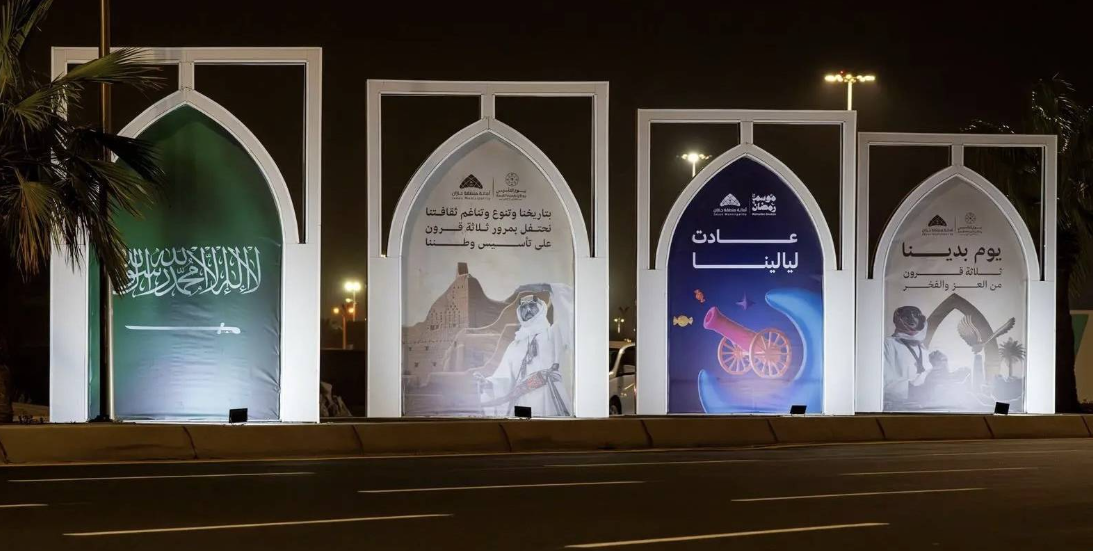
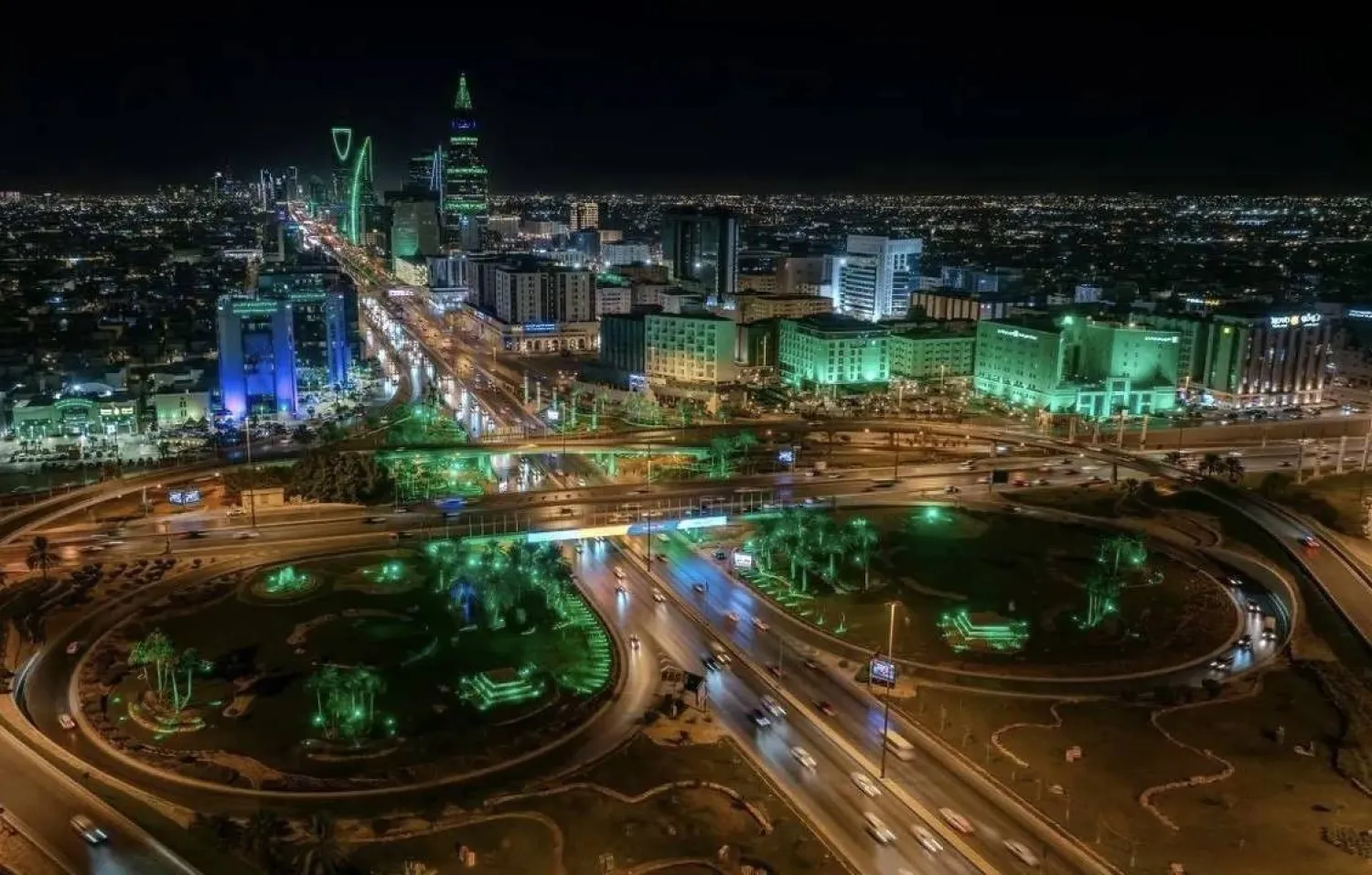
The Riyadh Municipality decorates the capital's roads and squares with more than 5,000 aesthetic illuminations in celebration of Founding Day (SPA)
TT

Saudi Arabia Revives Centuries of Heritage in Founding Day Celebrations

The Riyadh Municipality decorates the capital's roads and squares with more than 5,000 aesthetic illuminations in celebration of Founding Day (SPA)

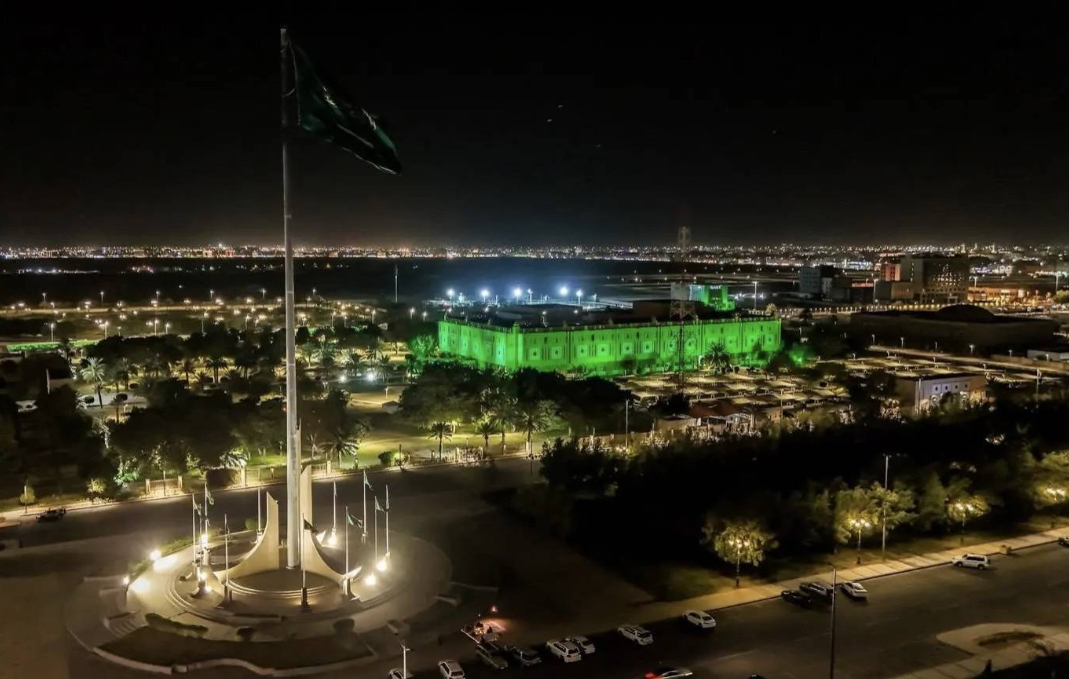
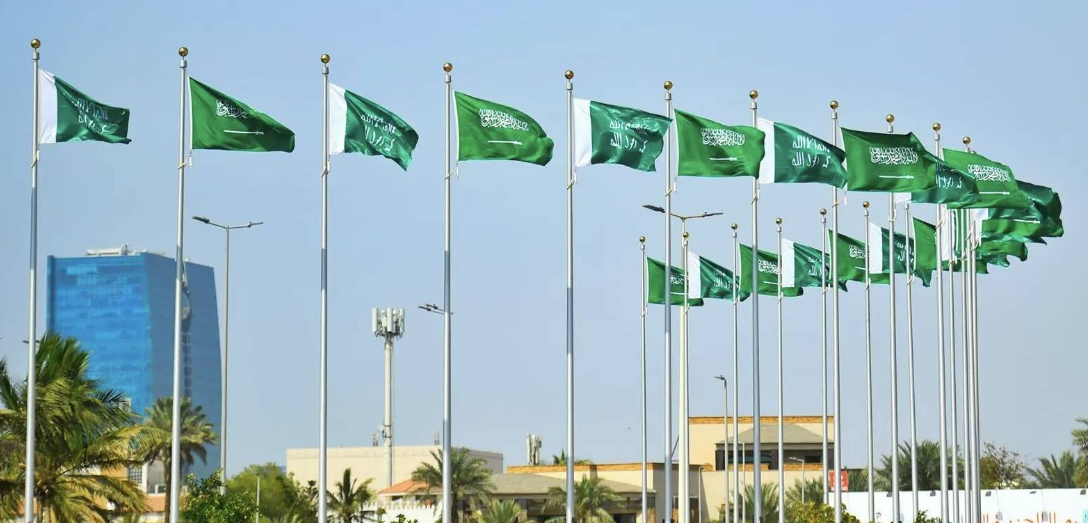
As streets across Saudi cities were adorned in green and traditional attire, a series of major cultural and entertainment events were under way on Sunday across the Kingdom to mark Founding Day. Riyadh and cities nationwide were transformed into cultural and tourism destinations, attracting thousands of citizens, residents, and visitors who came to witness the legacy and impact of the epic nation-building journey that shaped the history of the Arabian Peninsula.

This year’s Founding Day coincided with the nights of the holy month of Ramadan, giving the celebrations a distinct national and cultural character, with evening events held in a Ramadan atmosphere. Cities across Saudi Arabia commemorated Founding Day by expressing pride in the state’s deep-rooted origins, its historical depth, and the enduring bond between citizens and their leaders since the establishment of the First Saudi State three centuries ago.

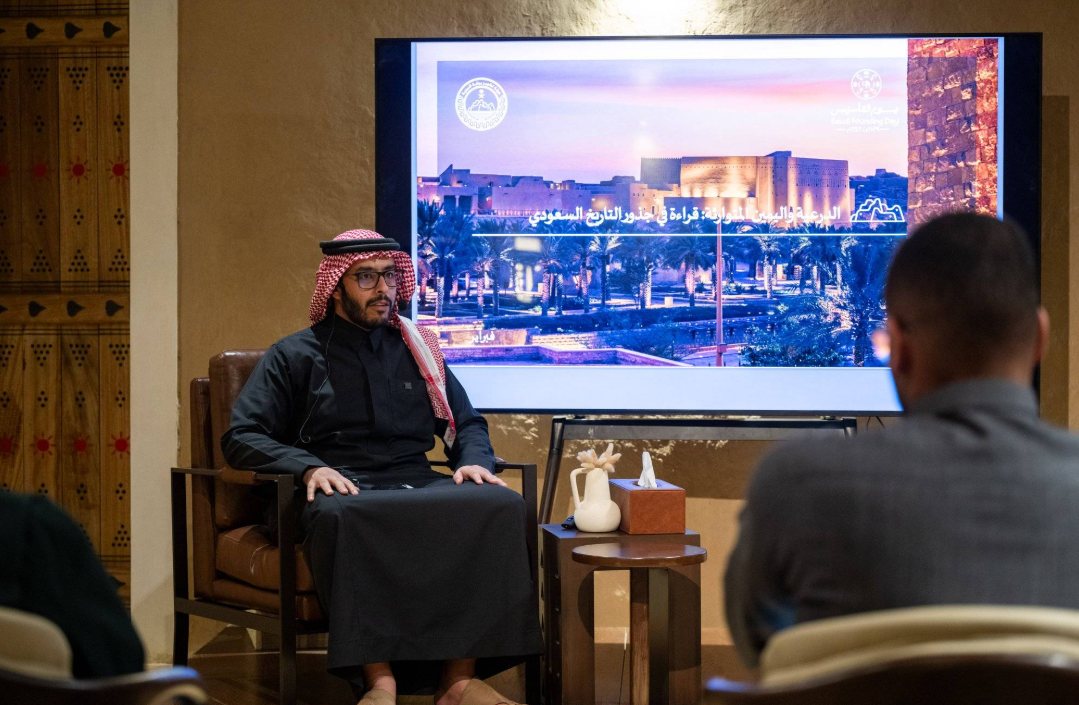
Academic sessions on the history of the Saudi state (Diriyah Development Authority)

Diriyah...The Beating Heart of History

Historic Diriyah took center stage in the celebrations, as the At-Turaif district, listed as a UNESCO World Heritage Site, hosted a range of distinctive events organized by the Diriyah Gate Development Authority.

Founding Day activities in At-Turaif brought visitors closer to history through immersive experiences set in the birthplace of the Saudi state. At the At-Turaif Majlis, children were introduced to the stories of Diriyah through dedicated workshops, while storyteller Nawaf Al-Huwaimil captivated audiences with rich historical narratives delivered in a distinctive style.

In the “Misyan Sessions,” Dr. Faisal Al-Amer led in-depth academic discussions on Diriyah’s legacy and the expansion of the Saudi state. The program also included Arabian horse displays and specialized Founding Day guided tours along a historical route highlighting leadership, community partnership, and collective contribution during the founding era.

Saudi regions decorated in celebration of Founding Day (SPA)

The Capital...Where Modernity Meets Heritage

In the heart of Riyadh, the Qasr Al-Hukm district and Al-Adl Square hosted national events under the patronage of the Royal Commission for Riyadh City. Activities included the “Mikhayal Hal Al-Awja” exhibition, which showcased the stages of state formation using contemporary visual techniques.

Prince of Hail sponsors the region’s education sector celebration of Founding Day (SPA).

The Riyadh Municipality decorated streets and major roads to mark Founding Day, installing more than 5,000 decorative light features across key routes, squares, and public spaces. The initiative enhanced the visibility of the occasion across neighborhoods, creating a cohesive visual identity that reflects pride in the Kingdom’s history and underscores the significance of Founding Day.

Street decorations conveyed a deep sense of belonging and pride, as light blended with national identity across the capital. Roads and squares became living canvases of national pride, marking 299 years of building and achievement and expressing loyalty to the leadership and the nation’s enduring journey.

Saudi regions decorated in celebration of Founding Day (SPA)

The municipality also continued its Founding Day activities in parks and public squares, reinforcing the occasion’s presence in communal spaces, strengthening pride in historical roots, and encouraging community engagement across Riyadh

Celebrations across the Kingdom

Celebrations were not limited to the capital. Festivities took place across 13 regions of Saudi Arabia as the country marked Founding Day for the fifth time since King Salman issued a royal order designating February 22 each year as Founding Day.

In Jeddah, a multi-day program was launched, featuring decorations across main roads, squares, gates, and parks throughout the city. Prince Majed Park hosted on-the-ground events on February 22, including falconry and horse displays, handicrafts, children’s activities, drawing, and henna.

The celebrations reflected the historical depth of Founding Day and reinforced pride in national identity.

In the Tabuk region, Founding Day was marked through 23 national, cultural, and heritage events across cities and governorates, with participation from government and private entities. The activities highlighted the historical significance of the occasion and strengthened values of belonging and pride in Saudi identity.


The Saudi Riyal: Tracing Three Centuries from Diriyah’s Markets to Global Financial Icon

The Saudi riyal serves as a living record of three centuries of progress, representing not merely a unit of value but a document of the nation’s journey and renaissance. (SPA)
TT

The Saudi Riyal: Tracing Three Centuries from Diriyah’s Markets to Global Financial Icon

The Saudi riyal serves as a living record of three centuries of progress, representing not merely a unit of value but a document of the nation’s journey and renaissance. (SPA)

The history of the Saudi riyal is deeply intertwined with the evolution of the Saudi state, evolving from its early days as a fluctuating medium of exchange to its modern, regulated form through significant political, social, and economic transformations, reported the Saudi Press Agency on Saturday.

A comprehensive overview of this trajectory begins with the diverse currencies of the First Saudi State, passes through the regulatory milestones of the unification era, and culminates in today’s sophisticated monetary structure.

First Saudi State: Vibrant markets and multiple currencies

With the establishment of the First Saudi State in the mid-12th century AH (mid-18th century CE), the Arabian Peninsula lacked a unified monetary system, and a variety of currencies circulated, driven by trade across a vast geography.

According to the historical guide for Founding Day published by the King Abdulaziz Foundation for Research and Archives (Darah), First Saudi State founder Imam Muhammad bin Saud bin Muhammad bin Muqrin focused on building a robust economic foundation by securing financial resources and encouraging trade between Diriyah and other regions. Consequently, markets in Diriyah and Najd flourished, attracting merchants who traded in gold, silver, and barter.

As noted in Dr. Abdullah Al-Saleh Al-Uthaimin’s "History of the Kingdom of Saudi Arabia," popular currencies included the Austrian silver Maria Theresa thaler, locally known as Al-Riyal Al-Fransi (literally the French riyal), which became a staple due to its consistent purity and weight.

According to Dr. Mohammed Al-Manshat’s "Organizations of the First Saudi State," Diriyah’s markets reached a peak of prosperity during the reign of Imam Saud bin Abdulaziz. Political and security stability allowed merchants to move freely, facilitating smooth and reliable financial transactions.

The history of the Saudi riyal is deeply intertwined with the evolution of the Saudi state. (SPA)

Regional diversity and variety of coins

Monetary patterns varied by region. In Najd, denominations such as Al-Jadeeda, Al-Khurda, Al-Muhammadiya, and Al-Mushakhas were used according to market needs. Al-Khurda served as the smallest unit, while Al-Jadeeda was used for everyday transactions.

In Al-Ahsa, an agriculturally vital hub, a local currency called Al-Tawila, a bent copper bar combined with silver, was commonly used. Meanwhile, the Hijaz experienced a high degree of currency diversification, as Makkah and Madinah welcomed pilgrims carrying various coins from across the Muslim world.

The reign of King Abdulaziz: Foundations of organization

The entry of King Abdulaziz bin Abdulrahman Al Saud into Riyadh in 1319 AH (1902) marked a pivotal economic turning point. Initially, he maintained the existing currencies to preserve market stability while gradually introducing a unified currency.

According to the Saudi Central Bank (SAMA), an early significant step was counterstamping circulating coins with the word "Najd" to indicate official adoption. After the unification of the Hijaz and Najd in 1343 AH (1925), the word "Hijaz" was added to reflect the expanding political unity.

By 1343 AH, monetary reform shifted from stamping to minting. SAMA records show the issuance of the first Saudi copper coins in half- and quarter-qirsh denominations, bearing King Abdulaziz’s name and the mint location, Umm Al-Qura. These were the first legal-tender coins of the Saudi state.

In 1346 AH (1927), King Abdulaziz abolished all foreign circulating currencies and introduced the first pure Saudi silver riyal. To support this, he issued a royal decree - published in the Umm Al-Qura gazette - outlining the state’s new monetary policies. After the formal unification of the Kingdom in 1351 AH (1932), the riyal became the official currency. By 1354 AH (1935), a new silver riyal bearing the name "Kingdom of Saudi Arabia" was issued, symbolizing national unity and stability.

Saudi Arabian Monetary Agency: Regulation and supervision

To manage the expansion of economic activity, King Abdulaziz issued two royal decrees in 1371 AH (1952) establishing the Saudi Arabian Monetary Agency (SAMA), now the Saudi Central Bank. SAMA was tasked with regulating currency issuance, maintaining its value, and supervising the banking system. It began operations in 1372 AH (1953), focusing on introducing the Saudi gold pound and completing the minting of the silver riyal.

With the establishment of the First Saudi State in the mid-18th century CE, the Arabian Peninsula lacked a unified monetary system. (SPA)

Pilgrim receipts and paper currency

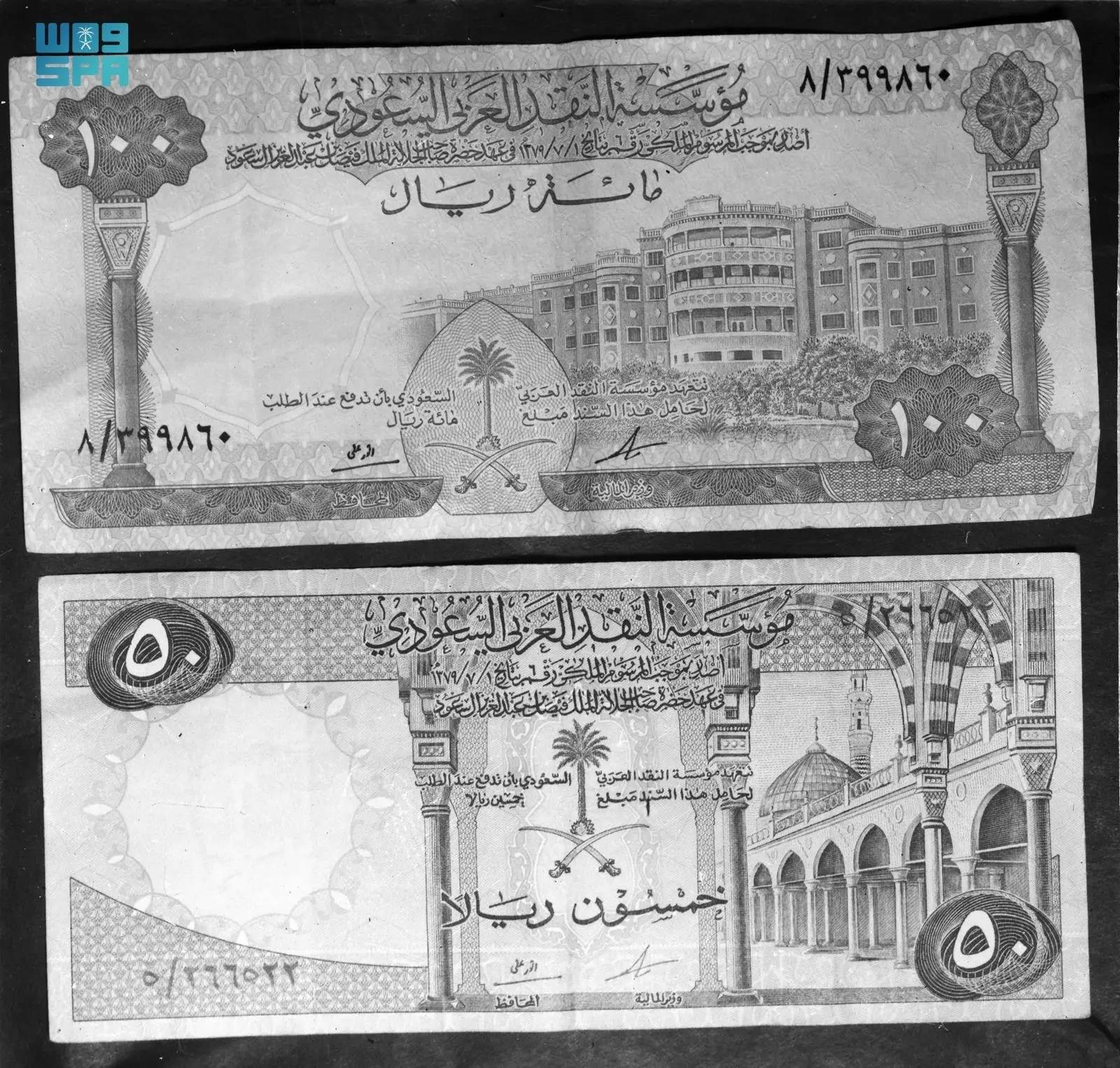
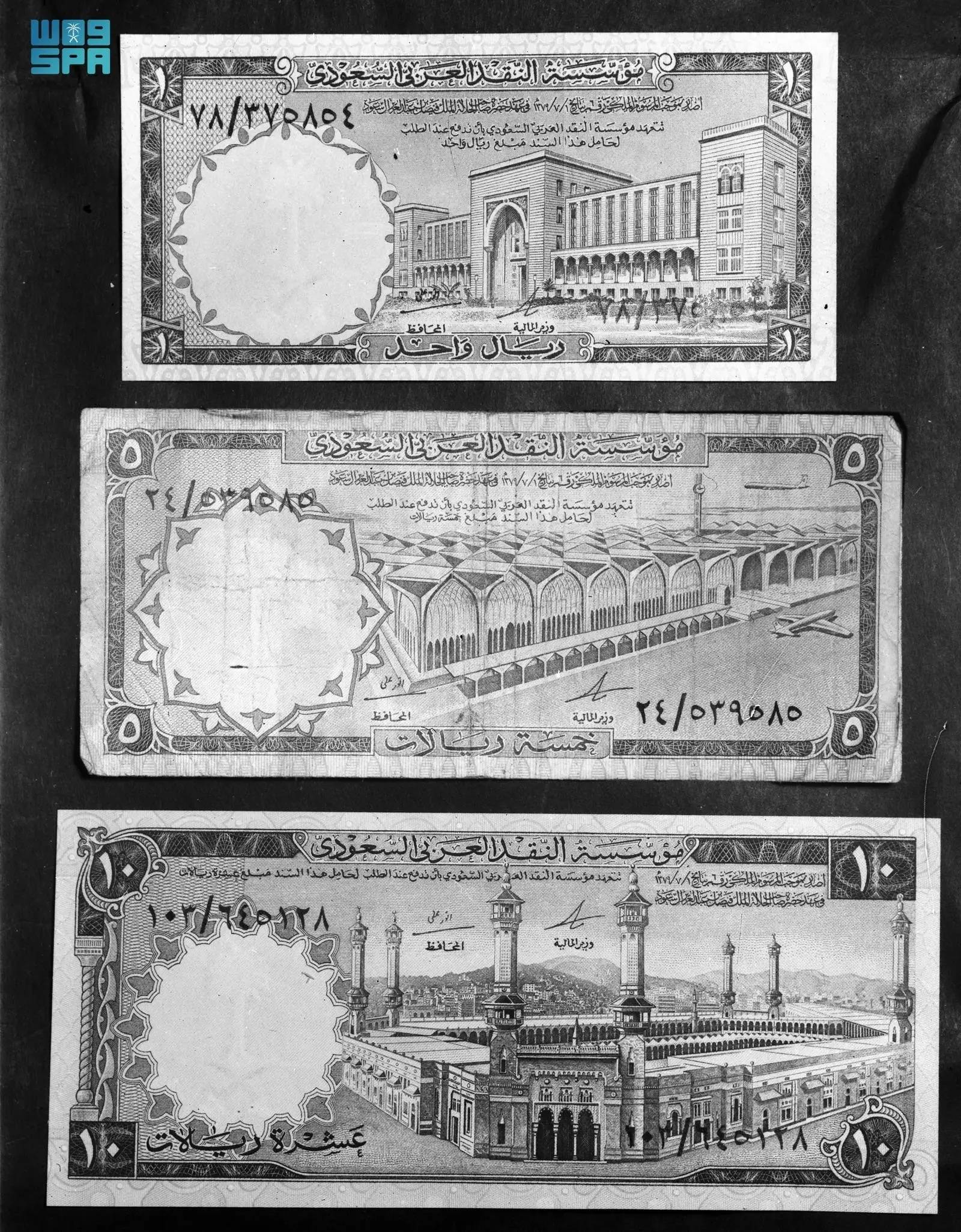
Recognizing that heavy coins were becoming impractical for a modernizing economy and burdensome for pilgrims, King Abdulaziz sought a more efficient solution. This led to the introduction of "pilgrim receipts" by SAMA in 1372 AH (1953). Initially issued in 10-riyal denominations, these receipts were printed in Arabic, Persian, English, Urdu, Turkish, and Malay.

Though intended as a temporary convenience to be exchanged for silver, the receipts quickly gained the trust of merchants, citizens, and pilgrims alike. This success led SAMA to issue five-riyal notes in 1373 AH (1954) and one-riyal notes in 1375 AH (1956).

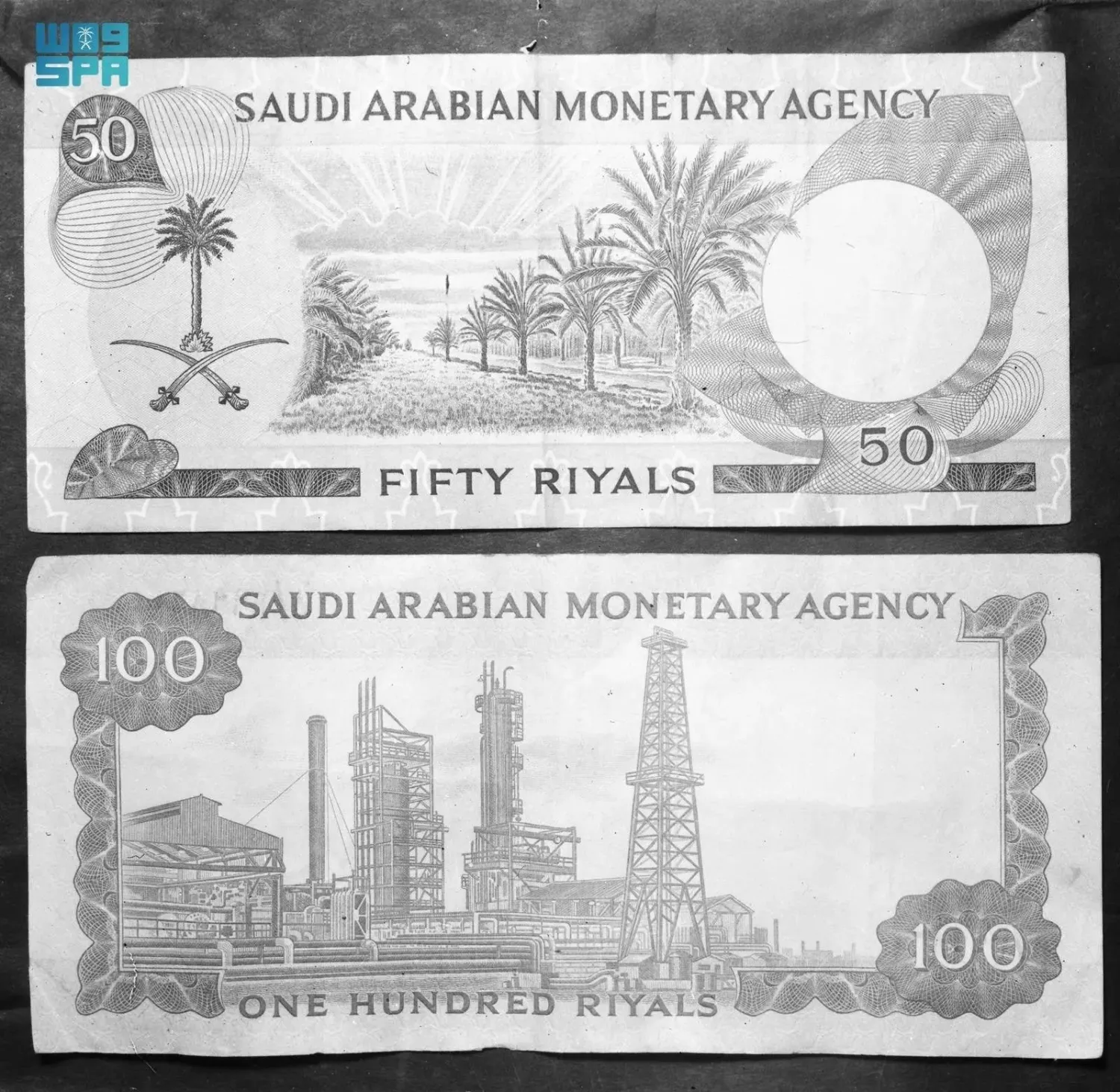
The public’s preference for these receipts over heavy coins paved the way for a permanent transition to paper currency. In 1381 AH (1961), the first official paper issue of the Saudi riyal was released during the reign of King Saud bin Abdulaziz, featuring enhanced security and depictions of historical landmarks.

The sixth issue: Trust and security

The sixth issue of the Saudi currency was released in 1438 AH (2016) under the reign of Custodian of the Two Holy Mosques King Salman bin Abdulaziz Al Saud, bearing the slogan "Trust and Security." This series incorporated the latest global technologies and security standards for both paper and metal denominations.

Furthermore, the adoption of the official Saudi Riyal Symbol on February 20, 2025, reinforced the Kingdom’s financial and national identity. The symbol’s design, inspired by Arabic calligraphy, reflects pride in the cultural heritage that defines the nation.

From the barter systems of Diriyah to the internationally recognized symbol of today, the Saudi riyal serves as a living record of three centuries of progress, representing not merely a unit of value but a document of the nation’s journey and renaissance.