




Lebanon is awaiting the repercussions of a possible confrontation between Iran and Israel, in the wake of the US withdrawal from the nuclear agreement and the recent Israeli escalation in Syria.
The director of the Middle East Institute for Strategic Affairs, Dr. Sami Nader, said that dissociating Lebanon in any war could be impossible.
“The results of the elections devoted the influence of Hezbollah. The war can naturally extend to Lebanon, as the party now links the two Lebanese and Syrian fronts together and has relations with Iran,” Nader told Asharq Al-Awsat.
He warned that the whole country would pay the price of any war between Israel and Iran on Syrian territories.
“Given that the confrontation will be comprehensive, Lebanon will be part of the battle, in view of the party’s nature and its Lebanese base,” Nader explained.
He told Asharq Al-Awsat that the repercussions of a comprehensive battle on Lebanon would be more extreme than in the 2006 war, stressing that the risks of a possible strike are economic, because the Lebanese economy has reached a delicate stage, which Israel is aware of. He noted that Israel will be able to use this weakness to exert pressure on Lebanon, which will in turn pressure Hezbollah.
“The European safety net that the Europeans are trying to find for Lebanon has its limits,” Nader said.
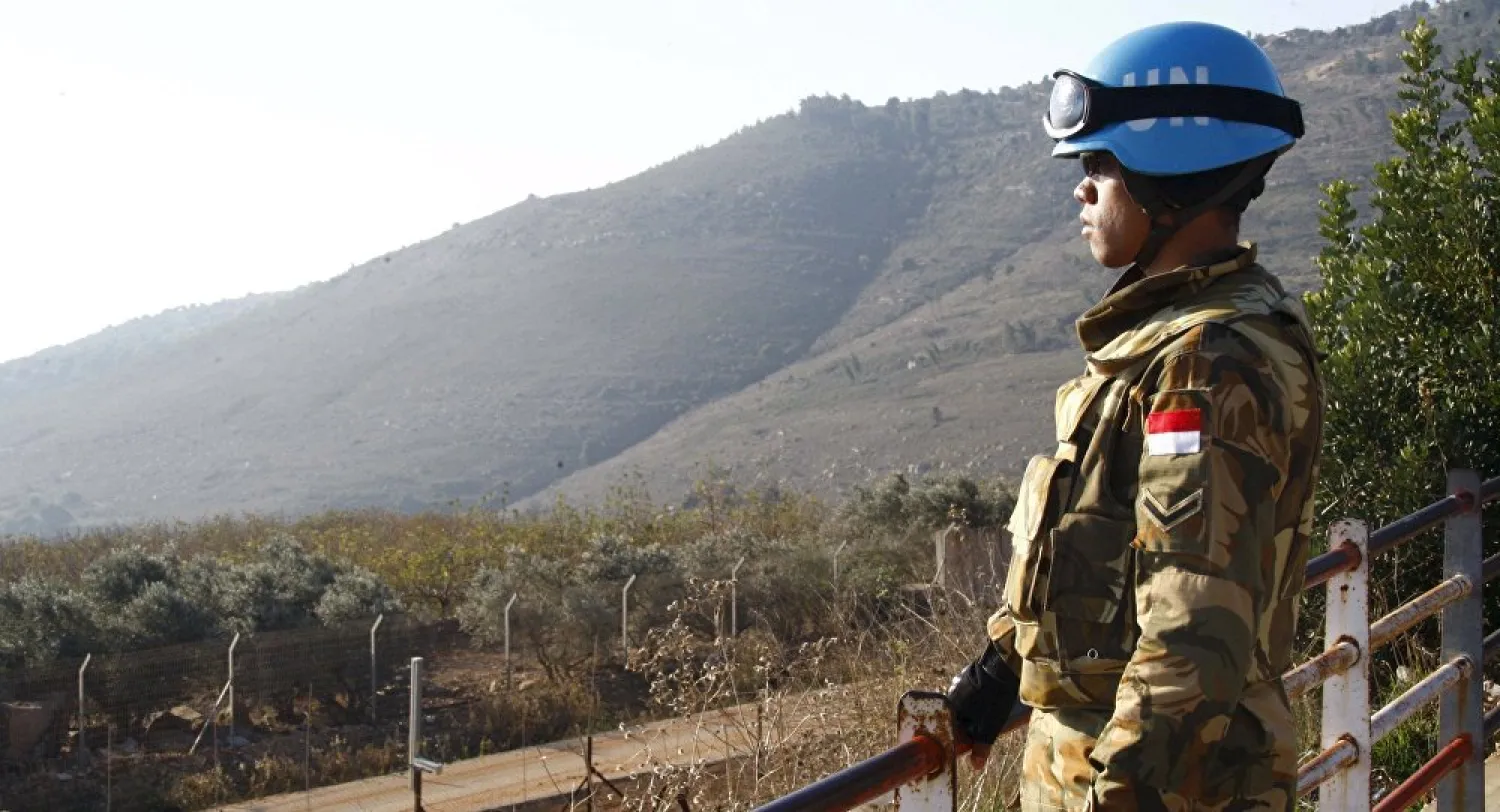
“They cannot provide a lot of protection measures if the confrontation is comprehensive,” he added, pointing out that they were “trapped within the European troops operating within the Peacekeeping forces in southern Lebanon [UNIFIL].”
The Lebanese are betting on a European role to spare the country a direct conflict with Israel, knowing that Rome hosted a conference last March to empowering the Lebanese Army and security forces and called for strengthening the presence of the Lebanese Army along the southern border.
International Law Professor at Paris-Sud University, Dr. Khattar Abou Diab, said that the possibility to dissociate Lebanon from any direct confrontation “is not known at present”, noting that the Europeans “will make an effort to meet with Iranian Foreign Minister Mohammed Javad Zarif, this week, as well as with French President Emmanuel Macron and Russian President Vladimir Putin to prevent any possible confrontation.”
On his assessment of a confrontation in Syria, Abu Diab said that it will depend on the possibility of a compromise between Israeli Prime Minister Benjamin Netanyahu and Putin, based on the de-escalation agreement reached in July 2017, and the Iranian presence in Syria.
Lebanese researcher in strategic affairs, Ali Shehab, expressed his belief that “the geography of the conflict is currently concentrated in Syria, and there is no interest or need of any of the parties to expand its scope.”
Speaking to Asharq Al-Awsat, Shehab said: “The Israeli internal front is not ready yet for a war at every development or Israeli raid on Syrian territory.”


