
What has happened to my country? An English summer Sunday is usually spent complaining about the weather while sitting on a crowded rail-replacement bus. But not last weekend. An early England kick-off at a World Cup could have been the harbinger of a miserable day, yet by half-time, the sun was shining and the country felt different. , 82.9% of the TV audience at the time – on a par with the share for the London Olympics 2012 opening ceremony. Suddenly, we found ourselves experiencing something unexpected: a moment of collective joy. (Don’t worry Scotland, Wales and Northern Ireland – it is very, very early days, the opposition has not been up to much and the newly raised expectations are sure to lead to a hefty dollop of schadenfreude in a week or so.)
It has been a while since England had a start to a World Cup like this. It is not simply that this year’s tournament is the first to take place in an autocratic country. It is also the first time in 20 years that England’s reputation has not been tarnished by some sort of scandal. For a whole generation, it is their first experience of a country united behind a squad, roaring them on to a glorious penalty shootout defeat in the knockout stages.
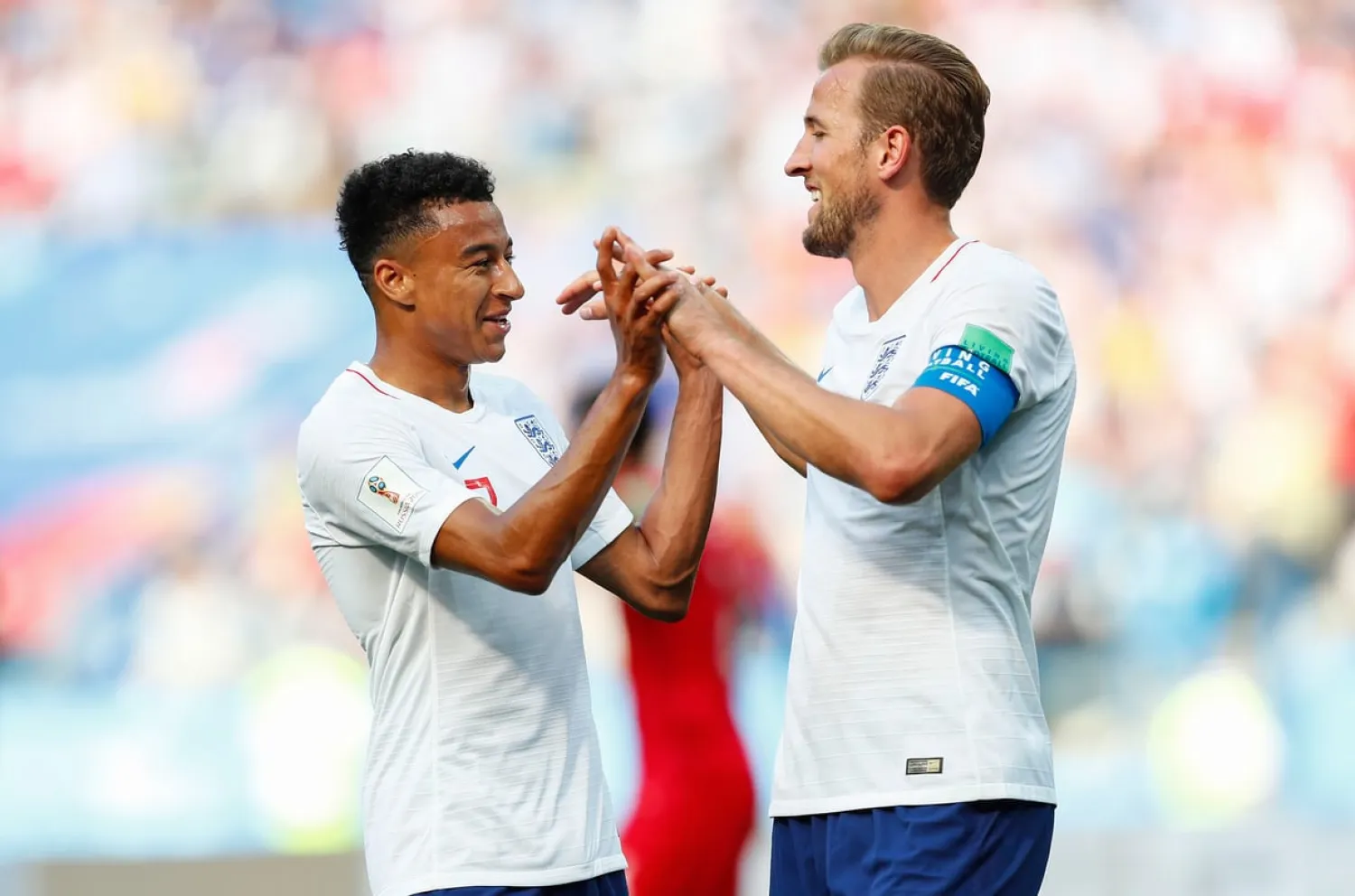
The first big sign that this year would be different was the announcement that there would not be a World Cup anthem. Let’s face it, there has not been a decent one since. Abandoning the idea showed that this was a serious England team for serious times, not to be embarrassed by out-of-tune caterwauling or . The old “golden generation” has gone. No more Frank Lampard, John Terry and Wayne Rooney, with all the baggage they brought. In has come a bunch of fresh-faced young talent, without the name recognition one usually expects. Jordan Pickford, Harry Maguire, Eric Pope – are you even sure which of these is not a real England international? More people had heard of Fortnite than Jesse Lingard before his fabulous goal against Panama and . That exuberant reaction, the innocence of it, the playground spirit, perfectly illustrated this new generation of England player – unsullied by years of scandal and failure.
Even the one player who has attracted front pages for the wrong reasons has the public on his side. Piers Morgan and the tabloids may love berating Raheem Sterling for his gun tattoo (on the leg he uses for “shooting” and a tribute to his father, who was gunned down in Jamaica), but the nation has seen through the racialized double standards and has stood behind a talented young footballer. Today’s media landscape is such that Sterling has been able to speak for himself, writing online about his difficult childhood. This unfiltered access to the players has been a real boon. Before the tournament, Danny Rose was startlingly frank about his mental health struggles, Trent Alexander-Arnold endeared himself to fans by giving a shirt with his long name on it to a fan disappointed by the price it would have cost to buy. Even the press have written about the refreshing openness of the England camp.
More people had heard of Fortnite than Jesse Lingard before his fabulous goal against Panama
It is this unity, calmness and joy that appeals. The squad seems to represent its generation – a group of millennials who face their difficulties head on, without complaint, who are disciplined, hardworking and resilient. In doing so, this squad is proving far more relatable than footballers of recent generations. Today’s players may still be multimillionaires – but they have the same hobbies as the rest of us, they enjoy the same video games, they post on the same websites and they play the same pranks.
That has not been the case for some time. It was 2000 when the malaise began. Frank Lampard and Rio Ferdinand are respected older heads now, offering sage advice to today’s youngsters from the TV studio, but back then they popularised the phrase “spit-roasting” as a result of a sex tape filmed in Ayia Napa, Cyprus. That tape haunted the three players involved, but there was no obvious contrition. Kieron Dyer, the third player, has since said: “I wasn’t as prolific as some of the lads, mainly because I was too pissed … My actions didn’t show a lot of respect to the woman involved [but] … no one was tricked into anything they didn’t want to do.”
One might have imagined that appointing a cultured Swede as manager in 2001 would have helped to tone down some of England’s worst excesses. But while Sven-Goran Eriksson clamped down on the team’s drinking, he was seemingly unaware that his more “European” attitude to relationships would be met with such outrage by the press and the public. The reaction to his affair with Ulrika Jonsson in the run up to the 2002 World Cup fundamentally undermined his image as a calm, safe pair of hands. Nobody had expected the bespectacled, balding Eriksson to be such a lothario – and the papers could not get enough.
Facebook Twitter Pinterest Down and almost out ... Members of the 2014 World Cup squad after losing to Uruguay at that tournament. Photograph: Tom Jenkins for the Guardian
Perhaps that could have been written off as a bit of fun, tabloid fodder to take off the pressure. But it was not the end of the scandal. In 2004, the Football Association’s then chief executive, Mark Palios, got in on the act with a sex scandal of his own. The same year, Wayne Rooney, the next big thing for England, was caught visiting a prostitute, a 48-year-old grandmother, to the delight of the tabloids.
The misogyny did not stop there. In 2006, the term wags – “wives and girlfriends” – rose to prominence, as a celebrated group of players, David Beckham among them, arrived in Baden-Baden, Germany, with their partners in tow. What followed was a media obsession with Cheryl Cole’s latest shoes and Victoria Beckham’s new haircut. Their husbands barely warranted a mention – before a limp exit at the hands of Portugal in the quarter-finals. Who was to blame? The women, of course, neatly encapsulating the squad’s apparent attitude towards 50% of the population. The squad as a whole seemed content to leave their partners hanging out to dry as they became a poisonous nation’s latest scapegoat.
Rooney was to cement his relationship with the country in 2010, when he was filmed aiming some choice words at England fans while leaving the pitch, following an embarrassing draw with Algeria at the World Cup. It was ahead of that tournament that John Terry – “captain, leader, legend”, as Chelsea fans refer to him – was revealed to be having an affair with one of his team-mates’ wives and thus stripped of the captaincy. He followed that up two years later by being accused (and then found not guilty) of aiming racial abuse at Anton Ferdinand, the brother of his national-team defensive partner, Rio. Again, the captaincy was removed – with the manager, Fabio Capello, resigning in solidarity. To say it was hard to love a team with stars such as these is an understatement. It was no surprise that the team crashed out in 2014 before most of the country even realised the World Cup had begun.
Facebook Twitter Pinterest Short lived ... Sam Allardyce announces his resignation in 2016. Photograph: Oli Scarff/AFP/Getty Images
How different it all feels four years later. We have already qualified from the group stage and the biggest star, with a chance of being top scorer at the tournament, is Harry Kane. The pictures of little, chubby Kane as a kid speak to the possibility that he really is one of us, just a fan who was very good at football, worked hard and is now living the dream. His football trajectory backs that up – he burst on to the scene in 2014-15 only due to a personnel crisis at Tottenham Hotspur and he has spent time at Leyton Orient and Millwall in the lower leagues. He certainly is not one of those pampered man-children, handed a multimillion-pound contract at the age of 16. He is even engaged to his childhood sweetheart and refrains from drinking alcohol during the season. In other words, he is more Cliff Richard than Paul Gascoigne – and England loves him for it.
The man responsible for it all is Gareth Southgate, parachuted into the manager’s job after Sam Allardyce got caught in an undercover sting appearing to advocate slightly dodgy practices (allegations he has always denied). But there is nothing dodgy about Southgate – from his immaculate waistcoats to his precise set-piece routines, the new manager has remained resolute in his determination to keep a relaxed environment around his squad. He was a member of the last England team to feel such universal love from the country and it was his missed penalty at Euro 96 that ended that particular dream. But his self-awareness in the face of that failure – appearing in a Pizza Hut ad that referenced his pariah status – spoke to an all-too-rare intelligence in a footballer, an intelligence that has managed to rally the country behind an unheralded group of players to whom nobody gave a chance.
No one should get too excited just yet, but at least there is no need to feel guilty if you are this time. The prospect of an unlikely World Cup success offers a glimmer of hope at a time that often feels devoid of it: hope not only of a victory against the odds, but also that a country as divided as England is still capable of coming back together to celebrate, even if just for one sunny afternoon.