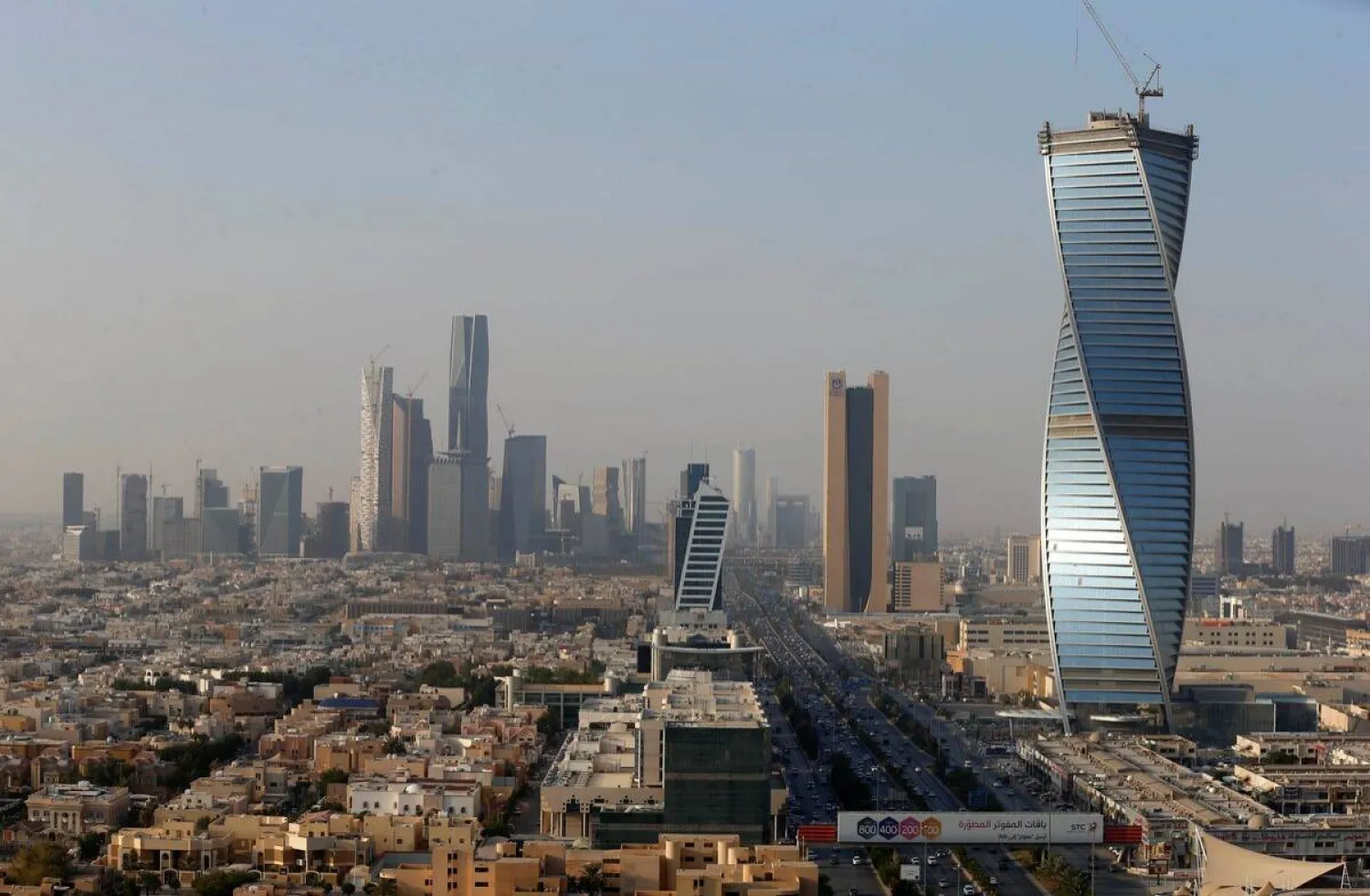

A report issued by the National Bank of Kuwait expected the Saudi economy to restore its strength this year given the expected oil production increase after a decision by OPEC and its partners to increase output starting July.
Reforms
Reforms aimed at achieving financial sustainability and economic diversification, through reducing fuel subsidies and services and increasing taxes on selective goods- such as tobacco- and fees on non-nationals, as well as value-added tax.
Quarterly Growth
The report added that the recently released quarterly GDP data contributed to positive forecasts of economic recovery. Actual growth extended 1.2 percent on an annual basis in the first quarter. The non-oil sector grew 1.6 percent in the same quarter driven by growth in the public and private sectors.
Oil Output
The kingdom’s oil output is expected to record huge rise in the second half of 2018, especially after OPEC increased its average output around one million barrels per day to confront the market tightness and control fluctuations in oil prices.
Expenses, Revenues
At the same time, the boom witnessed by the sectors of manufacturing, financial services, real-estate sector, and the government sector contributed to the revival of the non-oil sector performance in the first quarter of 2018 compared to the fourth quarter of 2017.
Inflation
Inflation has been on average since authorities started imposing a 5 percent value-added tax and increasing energy prices in January for the second time. The consumer’s prices rose 5.6 percent on a monthly basis and 6.8 percent on annual basis.
Public Finance
On the level of public financial conditions, progress is anticipated in tandem with targeted gains achieved in the Saudi financial balance program. With the government postponing the goal of achieving balance until 2023 in order to avoid the severe impact of a tightening policy on demand, the deficit is expected to continue to fall from 9 percent of GDP last year to 6 percent in 2018 and 46 percent in 2019.
Monetary Policy
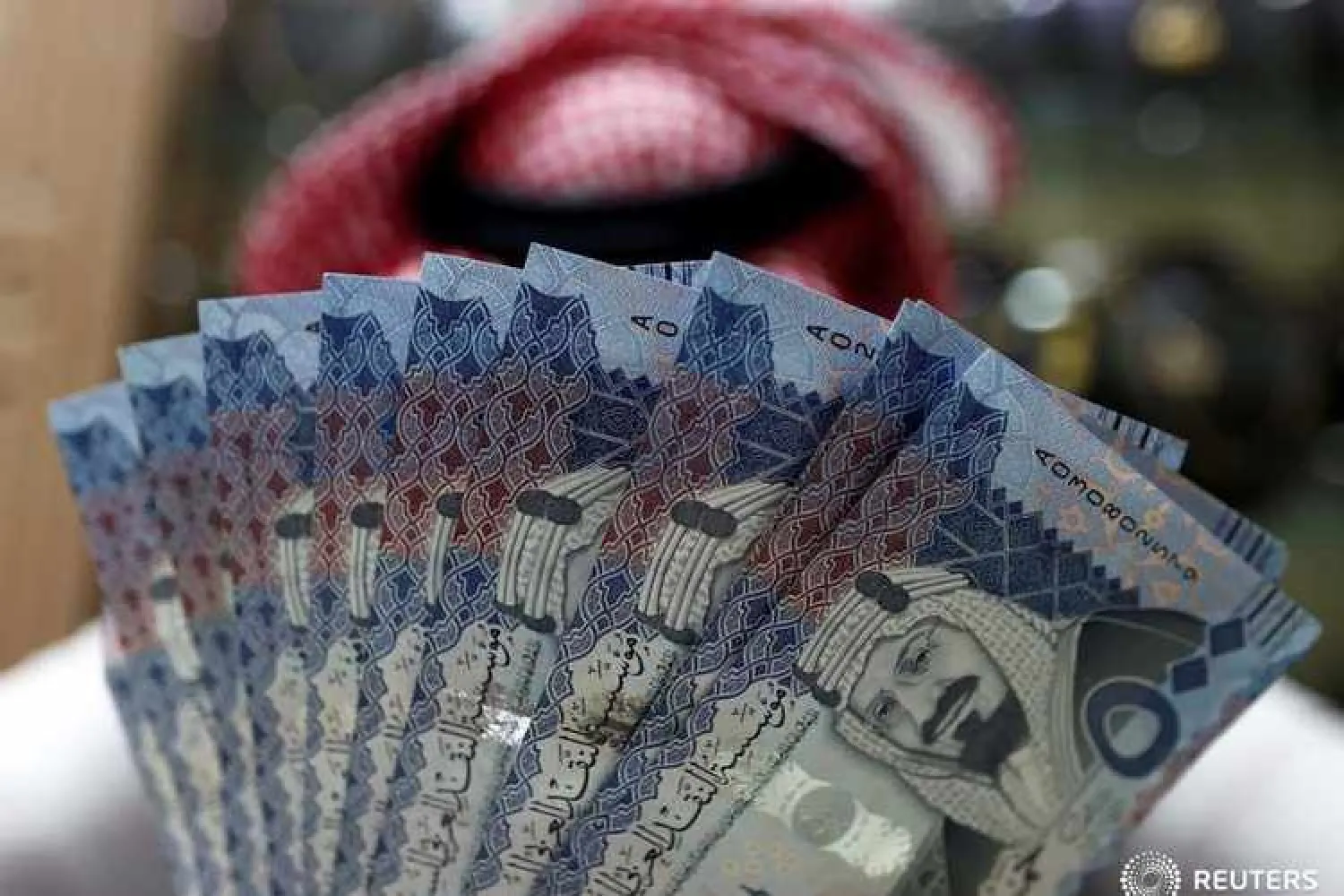
In terms of monetary policy, which is based on the continued peg of the riyal to the dollar and the pace of US interest, Saudi Arabian Monetary Authority (SAMA) has raised its benchmark interest rate and repurchase twice this year by 25 basis points each time.