Recession Indicators Threaten Qatar’s Economy

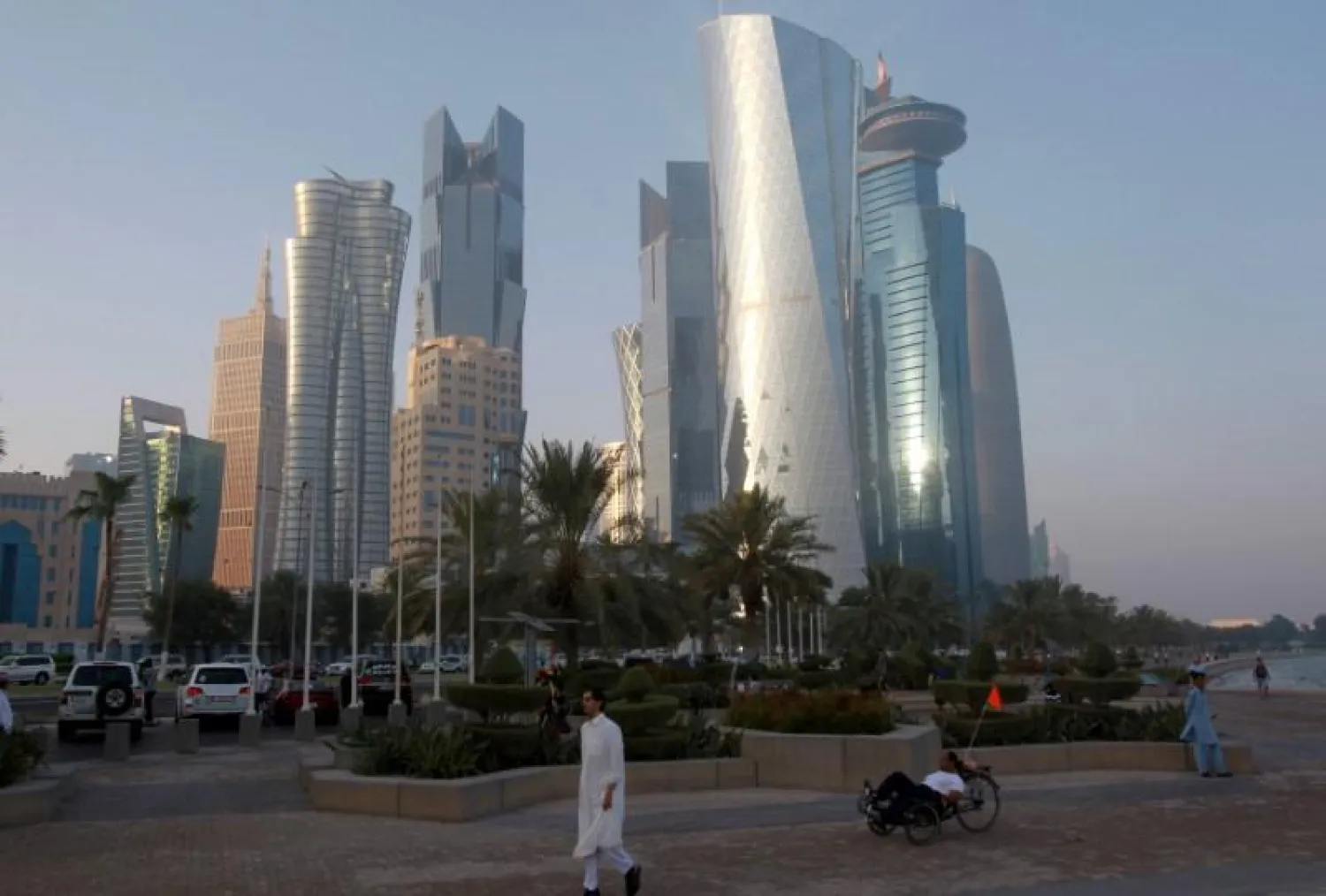
A man walks on the corniche in Doha, Qatar, June 15, 2017. REUTERS/Naseem Zeitoon/File Photo
TT

Recession Indicators Threaten Qatar’s Economy

A man walks on the corniche in Doha, Qatar, June 15, 2017. REUTERS/Naseem Zeitoon/File Photo

Qatar is facing an anticipated recession that would possibly beat the national economy during the coming period. The government's efforts to address the potential recession through interim solutions remain ineffective on the medium and long term.

The private sector senses the symptoms of the paralysis in some influential economic activities due to some new projects shutting down.

Reliable sources revealed to Asharq Al-Awsat newspaper that the Qatari government stopped subsidies of imported goods to cover the domestic markets’ need from exporters in Turkey and Iran, noting that the government used to bear around 40 percent of the importing cost from Turkey and Iran.

However, this support exhausted the government during the past period for some reasons, such as Turkish and Iranian firms exploiting the Qatari need for importing food and construction products.

Among the indicators of recession are the challenges the real estate market is facing. These challenges are represented by the vacancy of residential and commercial units as well as the drop in prices.

Sources revealed that among the adopted solutions by the Qatari government was to stop the allowances, which has led to decreased salaries and therefore has affected the purchasing power and retails sector movement.

Emir Sheikh Tamim bin Hamad Al Thani said two years ago Qatar planned to boost several sectors to support the national economy, yet this requires decades and years to reach self-sufficiency.

In this regard, economist Sulaiman al-Assaf said that the Qatari economy was suffering in some sectors in which the importing cost is high. Assaf added that the continuous Arab boycott would cost Qatar high, and inflation was likely to scale due to the current conditions.


Gold Rises over 1% as Softer Oil Prices Ease Inflation Worries

The People's Bank of China's gold holdings increased by 830,000 ounces in October (Reuters)
TT

Gold Rises over 1% as Softer Oil Prices Ease Inflation Worries

The People's Bank of China's gold holdings increased by 830,000 ounces in October (Reuters)

Gold rose more than 1% on Monday as softer oil prices eased inflation concerns, while investors awaited key US inflation data and fresh signals from the Federal Reserve on its policy outlook.

Spot gold climbed 1.2% to $4,112.90 per ounce by 0630 GMT, while US gold futures for December delivery also rose 1.2% to $4,122.00. Bullion ‌gained about 5% ‌last week, Reuters reported.

Oil prices fell after US ‌President ⁠Donald Trump said ⁠he was highly unlikely to order further attacks on Iran as talks to end the conflict continued, easing concerns about potential supply disruptions.

Lower oil prices can ease inflationary pressures and reduce expectations that interest rates will stay higher for longer, lowering the opportunity cost of holding non-yielding bullion.

"Trump's more conciliatory tone toward ⁠Iran is helping keep a lid on oil ‌prices, which in turn eases ‌some of the inflation pressure that had been weighing on the metal ‌along with a modest pullback in the dollar," said Tim ‌Waterer, chief market analyst at KCM Trade.

The dollar softened, making greenback-priced bullion more affordable for buyers overseas.

Meanwhile, US job growth accelerated in October and the unemployment rate fell to 4.1%, reinforcing expectations that the labor ‌market remains resilient and keeping the Fed on track for a December interest-rate increase.

Traders currently ⁠see a ⁠79% chance that the Fed will raise rates in December, up from 71% prior to the payrolls data, according to CME's FedWatch tool.

Market participants now await the US Consumer Price Index data due on Tuesday and the Producer Price Index on Friday to further gauge the Fed's monetary policy stance.

"Any hot readings would likely firm the dollar and lift the odds of a December rate hike, which would quickly put gold back on the defensive," Waterer said.

Among other metals, spot silver climbed 1.4% to $52.57 per ounce, platinum gained 0.7% to $1,546.83 and palladium rose 1.4% to $1,037.58.


Gulf Railway Enters Implementation Phase, Targets 2030 Completion

Members of the GCC Transport and Communications Ministers Committee pose for an official photo in Manama (GCC). 
TT

Gulf Railway Enters Implementation Phase, Targets 2030 Completion

Members of the GCC Transport and Communications Ministers Committee pose for an official photo in Manama (GCC). 

Gulf Cooperation Council (GCC) countries signed an agreement in Manama on Sunday to advance a 2,117-kilometer railway linking all six member states by 2030, as shipping disruptions in the Strait of Hormuz underscore the need to diversify trade and supply routes.

The agreement establishes a common framework for building and operating the network and integrating national transport systems, amid regional tensions that have disrupted cargo movements, raised shipping and insurance costs, and highlighted the importance of alternative routes.

The Gulf railway is intended to strengthen regional logistics rather than replace maritime transport, which remains essential to Gulf and international trade.

The signing ceremony was held under the patronage and in the presence of Bahrain’s Crown Prince and Prime Minister Prince Salman bin Hamad Al Khalifa, with GCC transport ministers and Secretary-General Jasem Mohamed Albudaiwi attending.

The planned network will connect Kuwait, Saudi Arabia, Bahrain, Qatar, the United Arab Emirates and Oman, with full operations targeted for December 2030.

The agreement sets out member states’ obligations, coordination mechanisms, technical and operational standards, and safety requirements to ensure compatibility with national railway systems.

Bahrain’s Minister of Transportation and Telecommunications, Dr. Sheikh Abdulla bin Ahmed Al Khalifa, told Asharq Al-Awsat that each country would finance and implement the section within its territory.

He explained that GCC states had not signed prior agreements with international partners to finance or execute the project, although global companies could provide expertise and technical and technological services according to national requirements.

Project 55.9% Complete

Albudaiwi announced that the Gulf railway project had reached 55.9% completion, describing the agreement as a framework governing member states’ commitment, implementation procedures and the timetable for bringing the network into service.

While full operations are scheduled for December 2030, cross-border connections between neighboring countries could open individually once the necessary infrastructure and operational requirements are met.

This would allow completed sections to enter service progressively rather than waiting for the entire 2,117-kilometer network to be finished.

Projections indicate that the railway will carry approximately 6 million passengers and 200 million tons of freight in 2030, rising to more than 8 million passengers and 271 million tons by 2045.

Passenger trains are expected to reach speeds of 200 kilometers per hour, while freight services will operate at 80 to 120 kilometers per hour.

The network will connect economic and industrial centers, ports and logistics hubs across the Gulf, facilitating trade and the movement of passengers and goods while creating investment and employment opportunities in transport and related services.

National Financing and Potential Partnerships

Earlier estimates put the cost of the project’s core infrastructure at between $15.4 billion and $16 billion.

The Bahraini minister explained that these figures were under review because of rising costs for construction materials, services and building works. No revised estimate for the overall project has been announced.

Although each country will fund its own section, private-sector participation remains possible in certain components, subject to economic and financial feasibility studies.

The minister added that potential partnerships would depend on the requirements of individual sections, with no single financing or implementation model envisaged for the entire network.

Bahrain’s connection to the Gulf railway depends on the proposed King Hamad Causeway, which would link the island kingdom to Saudi Arabia through a railway alongside a road connection.

The project would connect Bahrain’s international passenger terminal with the Saudi railway network, providing a direct link to the wider GCC system.

Bahrain currently relies on the King Fahd Causeway for road transport to Saudi Arabia. Studies and procedures concerning the proposed King Hamad Causeway, including its railway component, remain underway as part of efforts to complete the cross-border connection.

Shipping Disruptions Highlight Logistics Challenges

The agreement has taken on added significance following recent disruptions to regional shipping, particularly reduced vessel traffic at Bahrain’s Khalifa bin Salman Port, which has increased reliance on road transport and alternative ports in neighboring countries.

Albudaiwi praised Saudi Arabia, the UAE and Oman for their cooperation during the period of Iranian attacks, citing logistical facilities, coordination and alternative cargo routes that helped maintain supply chains to other GCC countries.

He stressed the need for greater integration among transport systems, more diversified supply routes and stronger preparedness and coordination to manage future crises.

The GCC’s transport and storage sector recorded real growth of 5.7% in 2025, making it one of the fastest-growing non-oil economic activities, he noted.

At the 19th consultative meeting of the GCC Supreme Council in Jeddah on April 28, 2026, Gulf leaders called for a study on strengthening logistics integration among member states as part of broader efforts to develop transport networks and diversify trade and supply routes.

Rail and Maritime Transport to Work Together

Despite the renewed focus on rail connectivity amid shipping disruptions, the project is designed to complement maritime transport rather than compete with it.

Rail services could move goods from ports to industrial centers and domestic markets while providing additional distribution routes between GCC countries. Ships would continue to carry the bulk of international freight over long distances.

Integrating the railway into wider international logistics corridors would require further studies, agreements and coordination among governments and relevant authorities, beyond completing the rail infrastructure within the GCC.

The network is also expected to stimulate intra-Gulf trade, improve connections between production and consumption centers, and attract investment in transportation, logistics and related industries.

Additional employment opportunities are anticipated in construction, operations, maintenance and supporting services.

From a 2009 Proposal to Regional Implementation

The Gulf railway initiative dates to December 2009, when the GCC Supreme Council approved plans for a network connecting member states to facilitate trade, improve mobility for citizens and residents, and strengthen regional economic integration.

In December 2021, the council approved the establishment of the GCC Railways Authority to coordinate national efforts, monitor connectivity and operational requirements, and provide an institutional framework for cooperation.

Implementation has since progressed across member states, with completion exceeding 50% by May 2026.


Saudi Gold Refinery Obtains 10 Gold Exploration Licenses in Tanzania

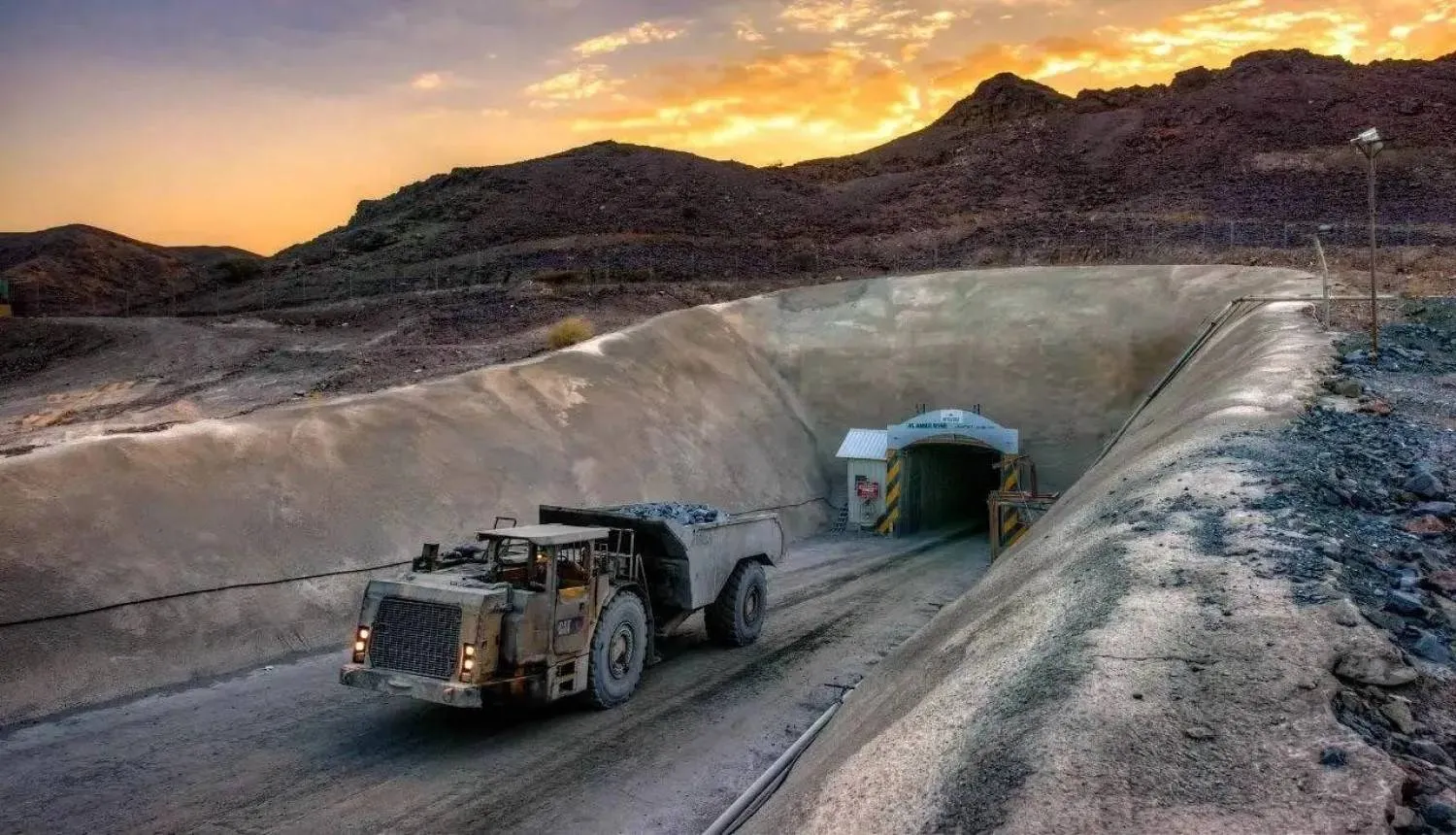
A gold mine in Saudi Arabia (SPA) 
TT

Saudi Gold Refinery Obtains 10 Gold Exploration Licenses in Tanzania

A gold mine in Saudi Arabia (SPA) 

Saudi Gold Refinery Company (SGR) announced Sunday it has secured 10 licenses to explore gold in the Republic of Tanzania, covering a total area of nearly 1,000 square kilometers, in a move aimed at expanding the company’s mining operations outside the Kingdom.

The company said it has allocated an initial investment of $10 million to carry out exploration activities, within an ambitious plan to gradually increase total investments to $100 million. These investments will support the development, establishment, and operation of gold mines, with commercial production targeted to commence by 2030.

The announcement follows a visit to Tanzania by Faisal Suliman Al-Othaim, Deputy Chairman of the Board of Directors at SGR.

According to the company, this milestone is supported by the Ministry of Investment and the Saudi Embassy in Tanzania, highlighting the importance of strengthening Saudi investments abroad and creating new opportunities for national companies in the global mining industry.

SGR continues to advance its global expansion strategy through its international investment arm, UGM Tanzania co, which oversees its operations and investment activities in Tanzania and Ethiopia.

The company also maintains ongoing projects and business activities in Egypt and the Sultanate of Oman, while actively exploring opportunities in additional markets to further expand its global footprint and create sustainable value across the mining sector.

In the Saudi market, the company plans to develop six to ten mines before 2030, at an average rate of two mines per year. These plans are supported by the Ministry of Industry and Mineral Resources, the Saudi Industrial Development Fund, financial institutions and other relevant authorities and stakeholders.