


Conservation Study Shows Lemurs, Whales Nearing Extinction

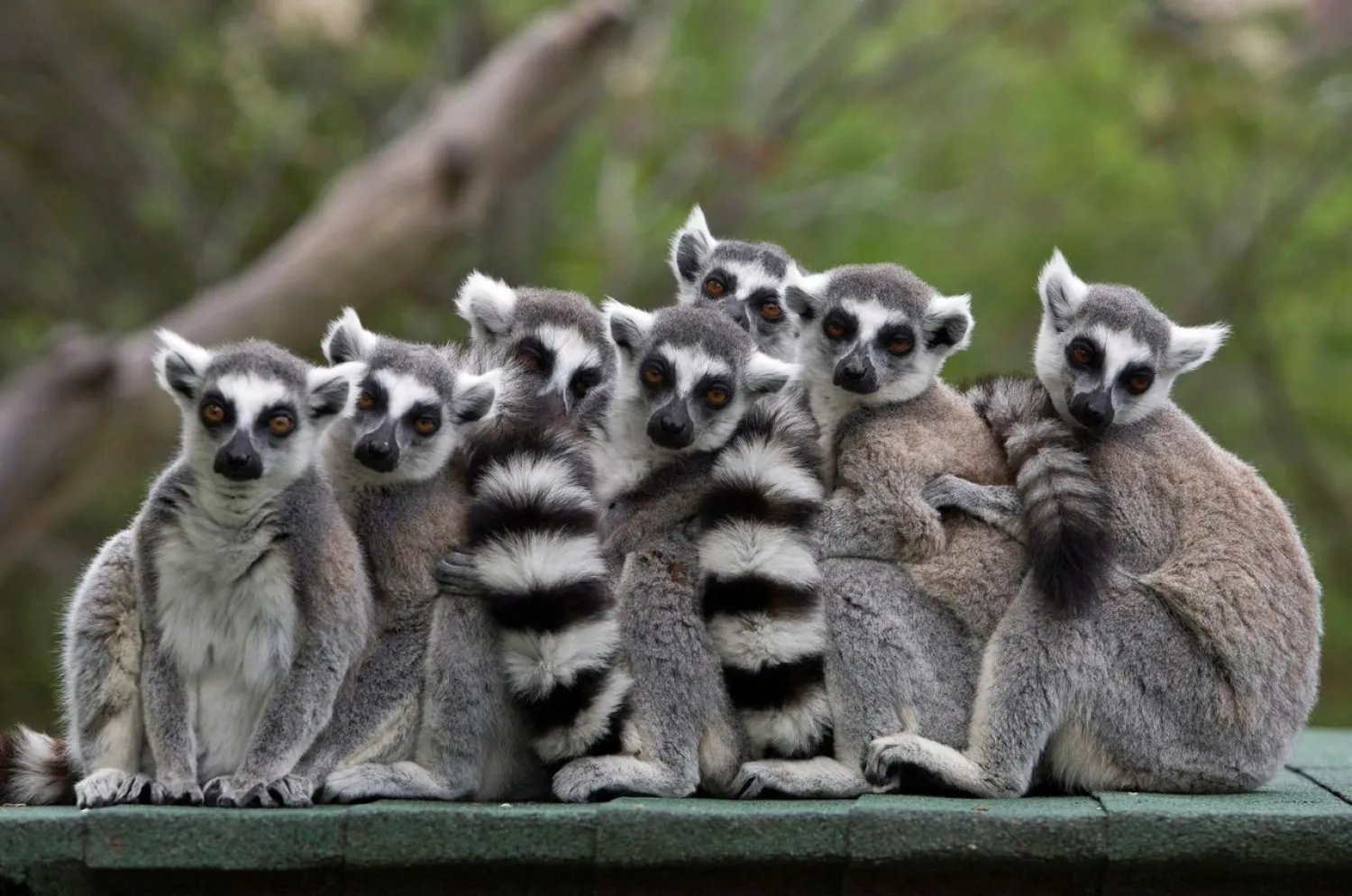
A group of lemurs | REUTERS
TT

Conservation Study Shows Lemurs, Whales Nearing Extinction

A group of lemurs | REUTERS

Nearly all of Madagascar's much-loved lemurs are under threat, and almost one-third are just one step away from extinction, largely due to deforestation and hunting on the giant island off eastern Africa, conservationists said Thursday.

The International Union for Conservation of Nature, updating its "red list" of threatened species, said the lemurs are increasingly imperiled - a key finding in a broad warning about the impacts of human activity on fauna and flora across the globe.

The Swiss-based conservancy also warns that North Atlantic Right Whales are nearing extinction: Not only are they increasingly ensnared in fishing gear but they´re colliding more with ships, possibly a result of climate change that drives their migratory patterns northward into shipping lanes.

The "red list" highlights the plight of some 6,000 species that are in the most danger, but also notes that of the 120,000 species of plants, animals, and fungi assessed, more than a quarter are threatened with extinction.

"It just helps underline the fact that we are moving into a sixth extinction era. It is all due to human activities," said Craig Hilton-Taylor, the head of the IUCN red list in a video interview from Cambridge, England. He cited human impacts like the introduction of species to places where they don´t belong; the overuse of species; clearing of forests to make way for agriculture; urbanization; pollution; "and of course, climate change."

The red list breaks down threatened species into vulnerable, endangered and critically endangered categories, the last involving those closest to extinction. Some 33 of the species of lemurs, which live only in Madagascar, are critically endangered - and 98 percent are threatened.

"We now have less than 10 percent of the original forest in Madagascar left. So naturally, this has a huge impact on species that are dependent on those forests, like lemurs," Hilton-Taylor said, alluding to "slash and burn" agriculture there. He said more lemur species are being hunted for their meat, too.

He recommended efforts to help improve farmers' livelihoods so they can avoid forest-depleting agricultural techniques.

IUCN also said fewer than 250 mature North Atlantic Right Whales were believed to be alive in 2018, marking a 15-percent drop since 2011. Nearly all of the 30 confirmed human-caused deaths or serious injuries to the whales between 2012 and 2016 were due to entanglement.

Hilton-Taylor said the whales' reproduction rates are falling, and cited a theory that warming sea temperatures could be driving the whales northward into the shipping lanes of the Gulf of St Lawrence in the northern hemisphere summer.

He said the Canadian and US governments have presented recovery plans for the whales, such as by warning ships when the creatures are present in the area and devising fishing systems that run a lower risk of entanglement.

Overall, Hilton-Taylor said, the report suggested the COVID-19 crisis has demonstrated a pause from the usually frenetic economic and human activity that impacts wildlife.

"We need to take a hard, long, hard look at ourselves," he said, saying species can be saved. "This is our opportunity to really transform society."


Iran Says Nuclear Doctrine Unlikely to Change, Hormuz Strait Needs New Protocol

09 September 2025, Egypt, Cairo: Iranian Foreign Minister Abbas Araqchi attends a joint press conference in Cairo. (dpa)
TT

Iran Says Nuclear Doctrine Unlikely to Change, Hormuz Strait Needs New Protocol

09 September 2025, Egypt, Cairo: Iranian Foreign Minister Abbas Araqchi attends a joint press conference in Cairo. (dpa)

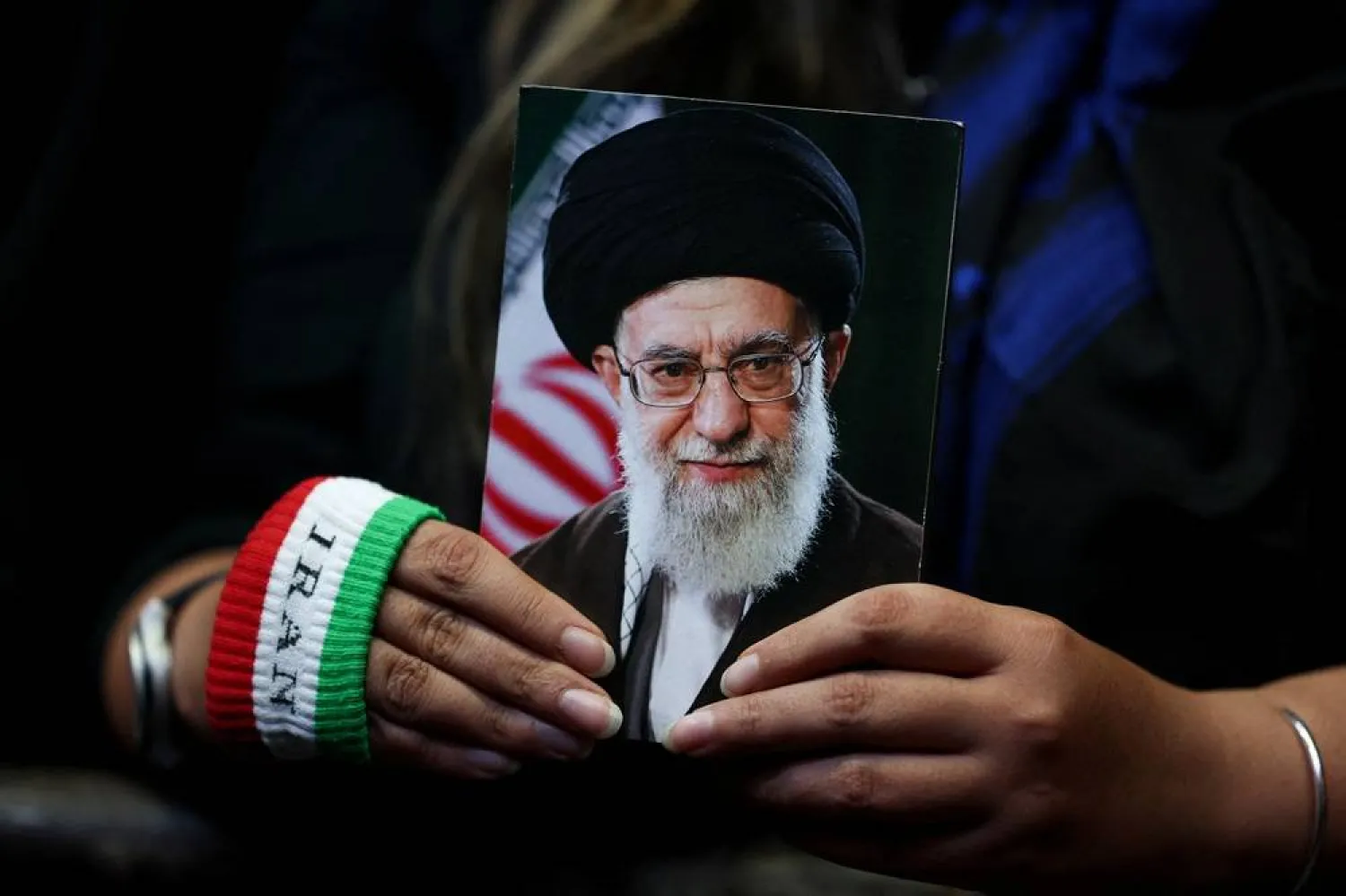
Iran's stance against the development of nuclear weapons will not significantly change, Foreign Minister Abbas Araqchi told Al Jazeera in remarks relayed by Iranian media on Wednesday, cautioning that the new supreme leader is yet to publicly express his view on the matter.

Former Supreme Leader Ali Khamenei, who was killed early in the US-Israeli war against Iran, opposed the development of weapons of mass destruction in a fatwa, or religious edict, issued in the early 2000s.

Western countries, including the US and Israel, have for years accused Tehran of seeking nuclear weapons, while Iranian authorities have said their nuclear program is solely for civilian purposes.

Araqchi ‌said fatwas depend ‌on the Islamic jurist issuing them and added he ‌was ⁠not yet in ⁠a position to judge the jurisprudential or political views of Mojtaba Khamenei, Iran's new supreme leader.

A NEW PROTOCOL FOR THE STRAIT OF HORMUZ

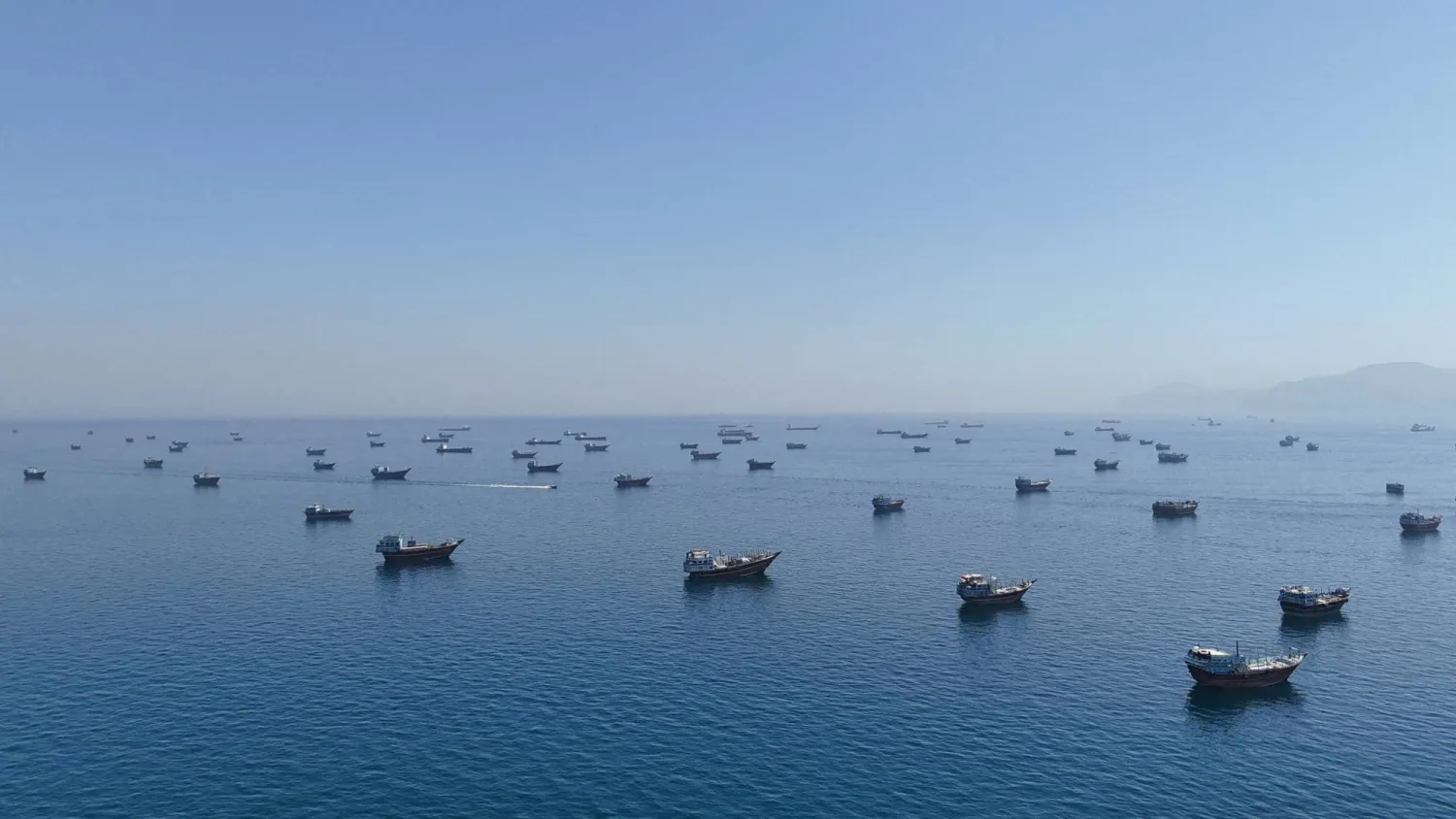
Iran's foreign minister said he believed that after the war comes to an end, countries that border the Gulf should draft a new protocol for the Strait of Hormuz, to ensure that safe passage through the narrow waterway is carried out under certain conditions aligned ⁠with Iranian and regional interests.

Iran shut the vital energy ‌gateway, through which a fifth of global oil ‌and liquefied gas passes, saying it "won't even allow a liter of oil" to reach ‌the US, Israel and their partners.

On Tuesday, Iran's parliament speaker tweeted ‌that the Strait of Hormuz' situation won't return to its pre-war conditions.

The US has sought to build a naval coalition to escort vessels navigating the strait, with most NATO allies saying they don't want to get involved in military operations against Iran.

NATO-member France said ‌it would only consider a joint international coalition to secure passage through the strait following a ceasefire and prior negotiations ⁠with Tehran.

Araqchi ⁠said an end to the war was only conceivable if the conflict is permanently over throughout the region and Iran receives compensation for damages incurred.

STRIKES NEAR URBAN AREAS BLAMED ON US RELOCATION

Asked about Iranian strikes in the Gulf not only targeting US military bases but also impacting residential or commercial areas, Iran's foreign minister said this was because US forces relocated to urban areas.

"Wherever there were American forces gathering, wherever there were facilities belonging to them, they were targeted. It is possible some of these places were near urban areas," the top Iranian diplomat said.

Araqchi acknowledged that regional countries are "upset and their people have been harmed or bothered" by Iranian strikes, but added that the blame lay entirely with the US for starting the war on February 28.


UN Watchdog Says Projectile Struck Iran Nuclear Power Plant

 This satellite image from Planet Labs PBC shows the Bushehr Nuclear Power Plant in Bushehr, Iran, Dec. 7, 2025. (Planet Labs PBC via AP)
This satellite image from Planet Labs PBC shows the Bushehr Nuclear Power Plant in Bushehr, Iran, Dec. 7, 2025. (Planet Labs PBC via AP)
TT

UN Watchdog Says Projectile Struck Iran Nuclear Power Plant

 This satellite image from Planet Labs PBC shows the Bushehr Nuclear Power Plant in Bushehr, Iran, Dec. 7, 2025. (Planet Labs PBC via AP)
This satellite image from Planet Labs PBC shows the Bushehr Nuclear Power Plant in Bushehr, Iran, Dec. 7, 2025. (Planet Labs PBC via AP)

The UN nuclear watchdog said Wednesday that Iranian authorities had reported projectile impact at the country's only operational nuclear power plant that caused no damage.

The International Atomic Energy Agency (IAEA) "has been informed by Iran that a projectile hit the premises of the Bushehr NPP on Tuesday evening", the Vienna-based agency posted on social media. "No damage to the plant or injuries to staff reported."

Agency head Rafael Grossi "reiterates his call for restraint during the conflict to avoid any risk of a nuclear accident", the statement said.

The Bushehr plant in southwestern Iran has the country's only operational nuclear power reactor and was first connected to the grid in 2011, according to the IAEA.

Tehran has been under biting US sanctions since 2018, when Washington withdrew from a deal that granted Iran sanctions relief in return for curbs on its nuclear activities designed to prevent it from developing an atomic warhead.

Iran has always denied any ambition to develop nuclear weapons, insisting that its activities are entirely peaceful.


Iran Executes Man it Accused of Spying for Mossad

A man walks past an Iranian flag fluttering above the wreckage of a car in central Tehran, on March 4, 2026. (Photo by AFP)
TT

Iran Executes Man it Accused of Spying for Mossad

A man walks past an Iranian flag fluttering above the wreckage of a car in central Tehran, on March 4, 2026. (Photo by AFP)

Iran’s judiciary said Wednesday it executed a man it accused of spying for Israel’s Mossad intelligence agency.

The judiciary’s Mizan news agency identified the man as Kourosh Keyvani.

It alleged he “provided images and information on sensitive locations” to the Mossad. Keyvani was the first publicly announced execution for spying during the current war.

Activists and rights groups have warned since Iran’s nationwide protests in January that the country could begin conducting mass executions.

Iran violently suppressed the protests through violence that killed thousands and saw tens of thousands detained.