


US Military Sticks With Microsoft for $10 BN Cloud Contract

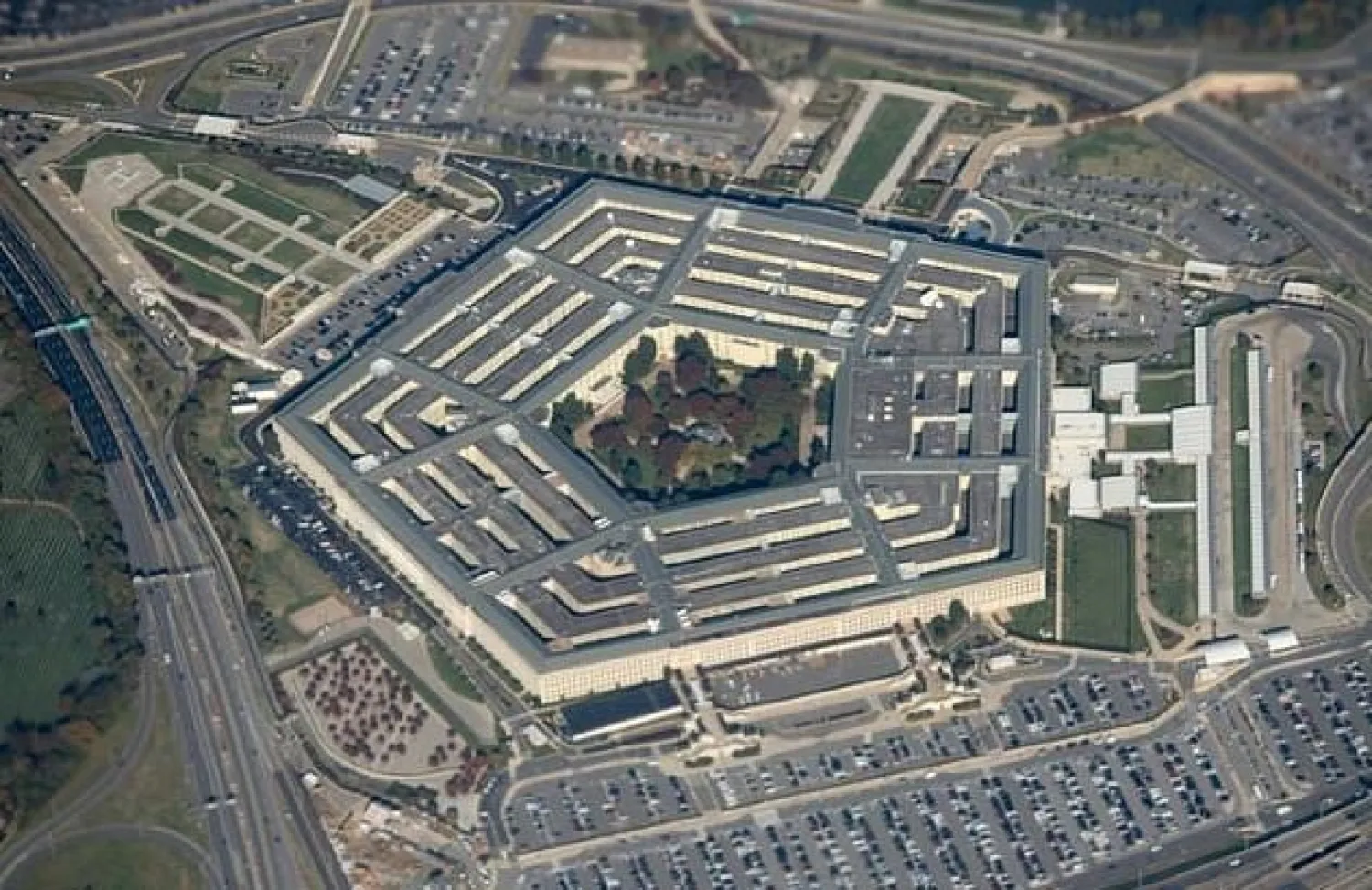
The 10-year, $10 billion Joint Enterprise Defense Infrastructure (JEDI) program will ultimately see all military branches sharing information in a cloud-based system boosted by artificial intelligence . AFP
TT

US Military Sticks With Microsoft for $10 BN Cloud Contract

The 10-year, $10 billion Joint Enterprise Defense Infrastructure (JEDI) program will ultimately see all military branches sharing information in a cloud-based system boosted by artificial intelligence . AFP

The US Department of Defense said Friday it is sticking with its decision to award a $10 billion cloud computing contract to Microsoft, despite Amazon's claims that President Donald Trump improperly influenced the process.

After a second look at proposals for the "JEDI" cloud computing contract, the Pentagon concluded anew that Microsoft is the preferred choice.

"Microsoft's proposal continues to represent the best value to the Government," the department said in a statement, adding it is "eager to begin delivering this capability to our men and women in uniform."

However, the contract can't move forward yet due to a federal court's order putting it on hold while Amazon pursues a lawsuit over how the bidding was handled, the Pentagon noted.

"We appreciate that after careful review, the DoD confirmed that we offered the right technology and the best value," Microsoft said, AFP reported.

"We're ready to get to work and make sure that those who serve our country have access to this much needed technology."

The 10-year Joint Enterprise Defense Infrastructure (JEDI) program will ultimately see all military branches sharing information in a cloud-based system boosted by artificial intelligence.

Amazon has alleged it was shut out of the deal because of Trump's vendetta against the company and its chief executive Jeff Bezos.

The entrepreneur, who also owns The Washington Post, is a frequent target of the US president, who claims the newspaper is biased against him.

Amazon is seeking testimony from Trump and other top officials on the reasons for awarding the lucrative deal to Microsoft.

Amazon contended in a blog post that the DoD's re-evaluation of bids was a "do-over" to let Microsoft fix a flawed proposal so US officials could "validate a flawed, biased, and politically corrupted decision."

"There is a recurring pattern to the way President Trump behaves when he's called out for doing something egregious: first he denies doing it, then he looks for ways to push it off to the side, to distract attention from it and delay efforts to investigate it," Amazon said in the post.

"And then he ends up doubling down on the egregious act anyway."

According to AFP, Amazon was considered the lead contender to provide technology for JEDI, with Amazon Web Services dominating the cloud computing arena and the company already providing classified servers for other government agencies including the CIA.

Amazon argued in court documents that the Pentagon's choice of Microsoft was mystifying if not for Trump's repeated "expressed determination to, in the words of the president himself, 'screw Amazon.'"

The protest filed in the US Court of Federal Claims urges that the rival JEDI bids be re-evaluated.



Japan's Tech Business SoftBank Rolls Out OpenAI 'Patches' Against Cyberattacks

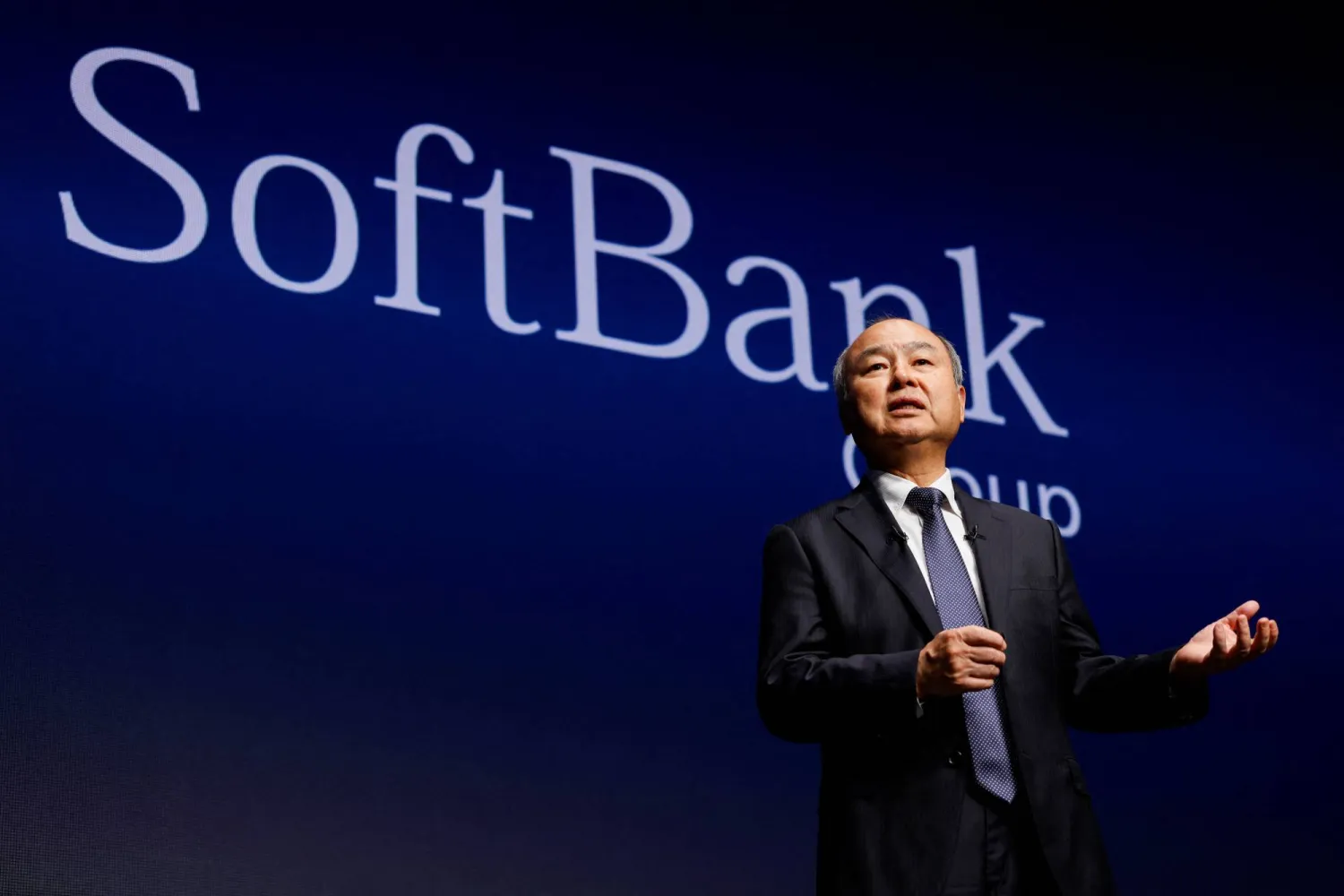
SoftBank Chairman and CEO Masayoshi Son speaks during an event to pitch AI for businesses, in Tokyo, Japan June 16, 2026. REUTERS/Manami Yamada
TT

Japan's Tech Business SoftBank Rolls Out OpenAI 'Patches' Against Cyberattacks

SoftBank Chairman and CEO Masayoshi Son speaks during an event to pitch AI for businesses, in Tokyo, Japan June 16, 2026. REUTERS/Manami Yamada

Japanese technology giant SoftBank Group Corp. is launching a service using OpenAI technology to protect against the looming threat of cyberattacks, both companies said Tuesday.

Chief Executive Masayoshi Son called Japan’ s vulnerability to cyberattacks “a crisis,” comparing it to a potential assault by machine guns instead of the rifle shots of the past.

SoftBank will offer “a patching service,” targeting the nation’s top 3,000 companies behind crucial infrastructure like airports, power systems and transportation, The Associated Press quoted Son as saying.

“I feel it is our duty,” Son said, repeatedly referring to the criminal attackers as “the bad guys.”

The service involves first diagnosing any weaknesses to attacks, and then analyzing what needs to be done to patch up such “holes," Son said.

Sam Altman, chief of OpenAI, was scheduled to attend the launch, but instead appeared only in a short video. He said he couldn’t make it because his baby daughter was born earlier than expected. Mark Chen, OpenAI’s chief researcher, was present in his place.

SoftBank and OpenAI, behind the popular chatbot ChatGPT, set up a 50:50 joint venture named SB OAI Japan last year to develop and exclusively market an AI service for the Japanese market.

Tuesday’s announcement was a key update, highlighting the rollout. No monetary value was announced. But SoftBank said everyone who came to the presentation in Tokyo Tuesday can apply for a free diagnosis.

The use of AI has caused the number of attacks to balloon exponentially and grow more complex, meaning defenses have had to become more AI-savvy and versatile.


France to Invest €655 Mln in AI, Set Up Common Chatbot for All State Services

France's Prime Minister Sebastien Lecornu gestures as he speaks during a press conference. (Photo by STEPHANE DE SAKUTIN / AFP)
TT

France to Invest €655 Mln in AI, Set Up Common Chatbot for All State Services

France's Prime Minister Sebastien Lecornu gestures as he speaks during a press conference. (Photo by STEPHANE DE SAKUTIN / AFP)

French Prime Minister Sebastien Lecornu said on Tuesday the government will invest €655 million ($758.29 million) in artificial intelligence and will set up a common chatbot for all the state services.

The French government will create a public ⁠health chatbot for state-owned ⁠health insurance Ameli agency.

"We can either be ⁠subjected to this (Artificial intelligence) revolution, or we can lead it," he said in a post on X.

"The question is not whether the state will use the artificial intelligence anymore, but the question is how fast will it ⁠transform," ⁠Lecornu said.

"We cannot rely on tools developed by foreign powers. France must have its own tools," he said.

He made the announcement as the "Viva Tech" conference was set to start in Paris.


AI-referred US Shoppers Browse Longer, Spend More per Visit, Data Shows

 The ChatGPT logo is displayed on a mobile phone in Liverpool, Britain, 09 June 2026. (EPA)
The ChatGPT logo is displayed on a mobile phone in Liverpool, Britain, 09 June 2026. (EPA)
TT

AI-referred US Shoppers Browse Longer, Spend More per Visit, Data Shows

 The ChatGPT logo is displayed on a mobile phone in Liverpool, Britain, 09 June 2026. (EPA)
The ChatGPT logo is displayed on a mobile phone in Liverpool, Britain, 09 June 2026. (EPA)

US shoppers who use large language models, including Google's Gemini or OpenAI's ChatGPT, for purchase recommendations are lingering more on retailers' websites and are more likely to spend, according to May data from Adobe Analytics.

Consumers who are referred to retail websites from LLMs generated ‌53% more ‌revenue per visit than ‌shoppers ⁠from non-AI sources, the ⁠data firm said, emphasizing the need for brands to invest in AI-readable webpages.

Retailers whose products show up in LLM suggestions are able to "drive more personalization" to ⁠shoppers who leave the platforms to ‌complete their ‌purchases on the native websites, Vivek Pandya, ‌director of digital insights at ‌Adobe, said.

AI traffic to retail websites increased 138% in May from last year, the highest share of ‌total retail visits since Adobe Analytics began tracking in October 2024.

⁠Retail ⁠website visitors recommended by AI converted at a rate 54% higher than online shoppers from non-AI sources did in May.

Shoppers referred to e-commerce websites spent 53% more time on the sites than visitors from other sources.

AI-referred shoppers also visit more retail webpages than non-AI referred visitors.