October 10, 2026, marks one year since the announcement of an end to the war in Gaza, even as Israel continues to wage it on a smaller scale, killing more Palestinians and destroying their homes on the grounds that Hamas refuses to disarm.
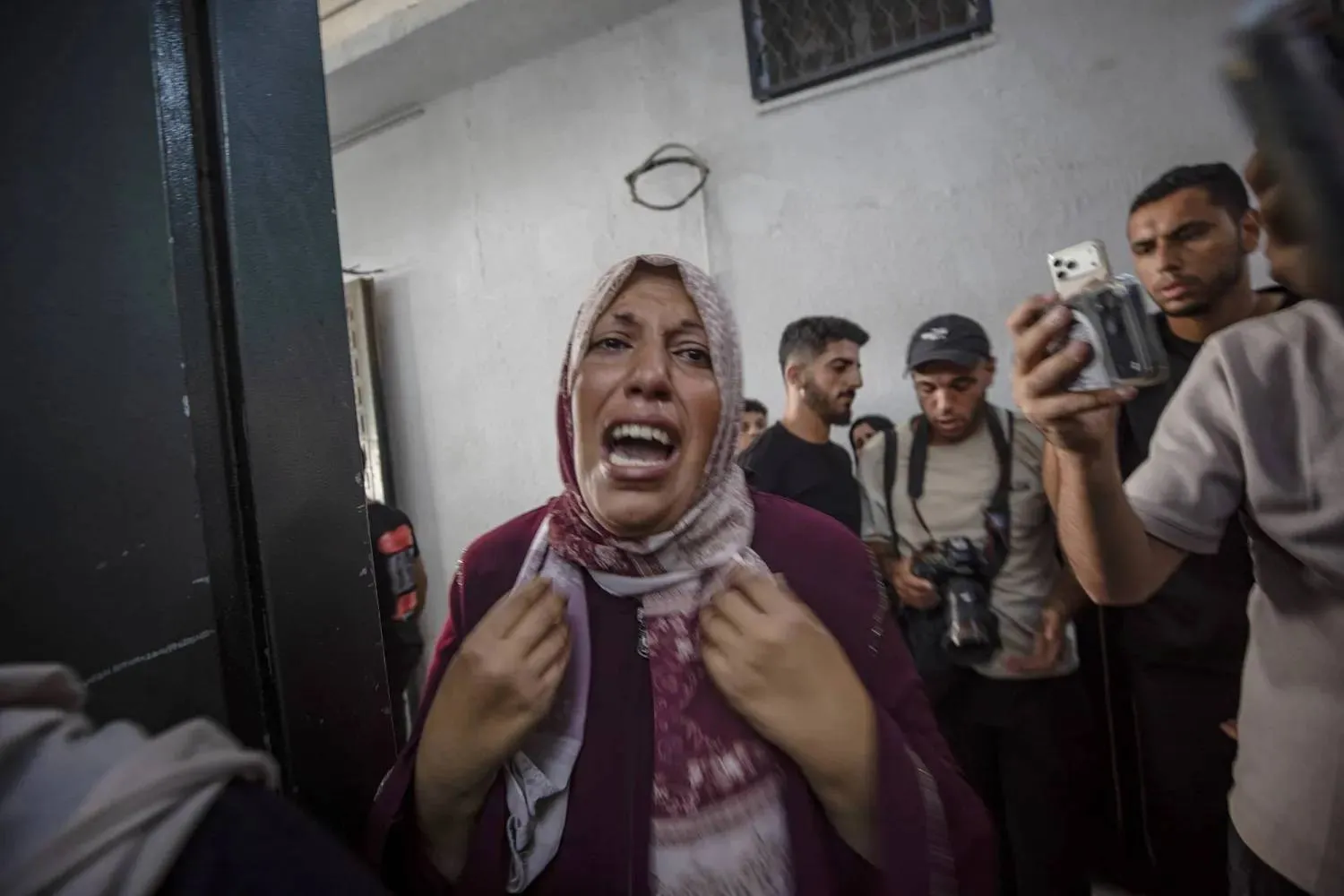
On the eve of the fragile ceasefire’s first anniversary, Gaza endured a night of intense attacks that reminded thousands of residents of the war’s harshest days.
The Israeli military ordered residential blocks evacuated at night before bombing and destroying homes and apartment buildings in Gaza City and Khan Younis. A child and a woman were killed while trying to evacuate homes where families had sought refuge.
Shortly before midnight on Thursday, Israeli warplanes twice bombed homes in a residential block in the Katiba area, north of the al-Amal neighborhood in Khan Younis, in southern Gaza. The strikes destroyed or severely damaged several homes, displacing hundreds of Palestinians who lost their only shelter.
Israeli warplanes also destroyed two residential buildings in Gaza City. One housed displaced people in apartments in the Sabra neighborhood in the city’s south.
The Israeli military ordered the entire surrounding residential block evacuated, but some families did not have enough time to leave.
A child and a woman from the Abu Asr family, displaced from the Shujaiya neighborhood, were killed. At least seven people were wounded, including a journalist who put down his camera to help residents evacuate their homes.
The second building was destroyed in Gaza City’s Old City, west of Shujaiya and north of Zeitoun, after orders to evacuate it and the entire surrounding area.
Palestinians observed that Israeli warplanes fired several missiles at the targeted buildings, particularly in Gaza City, that failed to explode, prompting repeated attacks.
The strikes displaced hundreds of Palestinians living in those residential blocks. Unable to find alternative shelter, they had to spend the night in hospital courtyards, at shelters or with relatives.
The Israeli military said the strikes aimed to destroy four weapons storage facilities belonging to Hamas and Islamic Jihad. It has offered the same explanation in statements about similar strikes in the past.
Palestinian factions have repeatedly denied those claims, accusing Israel of deliberately destroying the homes and buildings still standing in Gaza.
Targeted killings and ground operations
The nighttime strikes came hours after six Palestinians were killed in a series of airstrikes in two separate incidents. Those killed included a woman and two members of the Al-Quds Brigades, Islamic Jihad’s armed wing, whose vehicle was attacked by an Israeli drone in the industrial area south of Gaza City.
A third member was killed in a targeted strike on a tent in the Tawam area northwest of the city.
On Friday morning, a Palestinian was killed and five others, including two women and a child, were wounded by gunfire from Israeli military vehicles that advanced into al-Masdar and the Maghazi refugee camp in the eastern part of central Gaza.
Two Palestinians were also wounded in a strike on al-Mawasi in Khan Younis.
For the third time in less than a week, Israeli military vehicles advanced from the Abu Hamam military position east of Deir al-Balah toward areas north of al-Masdar village, firing as engineering vehicles bulldozed land.
Israel is digging a wide trench and erecting an earth embankment in that area near the Yellow Line, as part of a broader plan being implemented along Gaza’s borders.
Figures covering the fragile ceasefire’s first year show that more than 1,478 Palestinians have been killed and more than 5,000 wounded since it took effect, according to Gaza’s Health Ministry and government media office.
The government media office said Israel had committed 5,223 violations on the ground since the agreement began, including bombing, gunfire, the demolition of homes and buildings, and incursions. More than 200 Palestinians have also been detained.
Israel controls more than 63% of Gaza’s territory after expanding the area within the so-called Yellow Line over the past year of the ceasefire. The agreement announced at the time designated it as an initial withdrawal line.
The UN Office for the Coordination of Humanitarian Affairs (OCHA) said 196 Palestinians, including 18 women and 43 children, were killed near that line between the start of the ceasefire and early April 2026.
OCHA said areas subject to access restrictions accounted for about 64.9% of Gaza’s territory. It said those areas were under tighter and more direct Israeli control, with Palestinians barred from entering most of them and humanitarian organizations required to coordinate access in advance.