

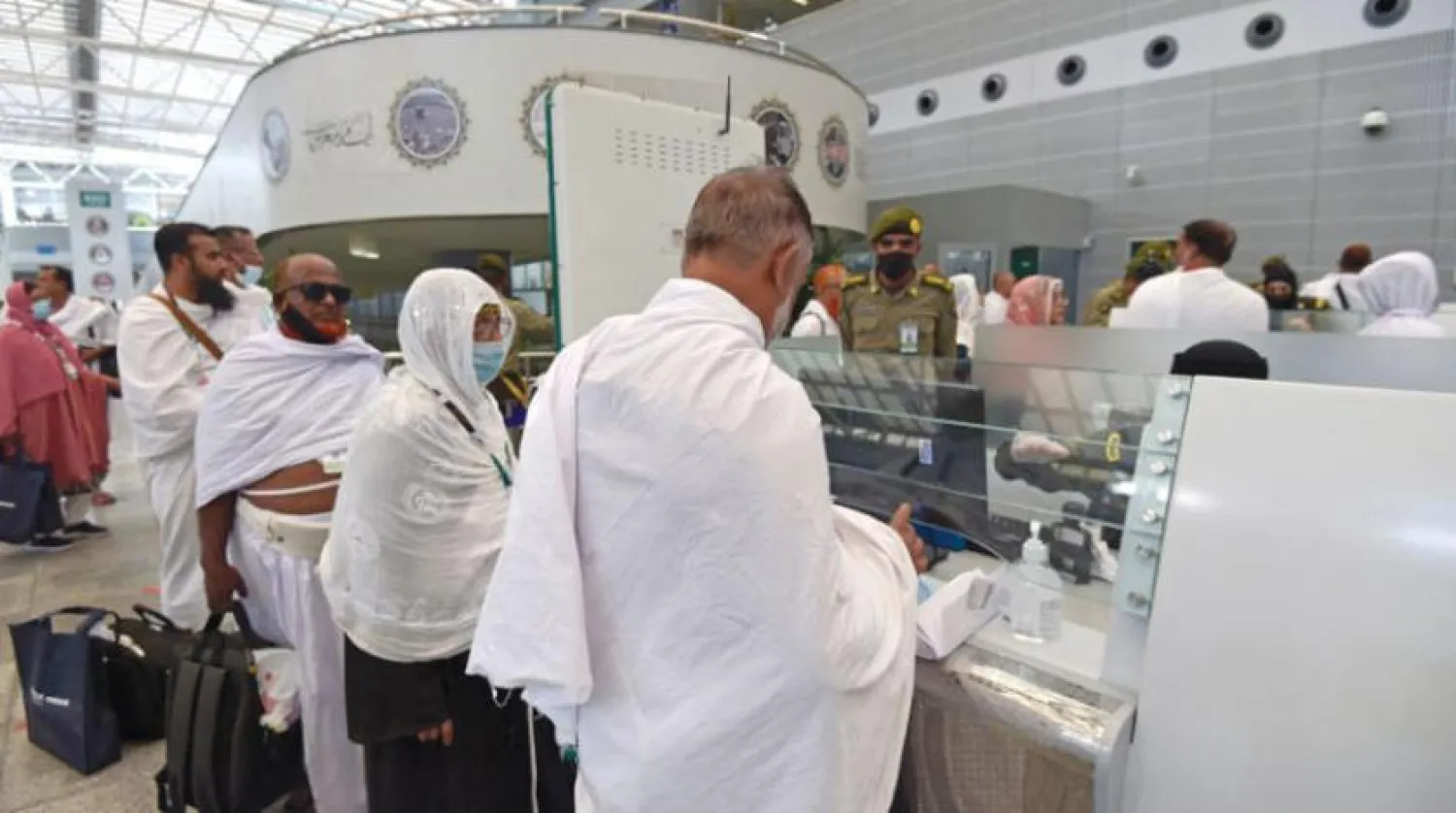

Saudi Launches Major Operational Plan to Serve Hajj Pilgrims

Pilgrims flock to Saudi Arabia to perform Hajj this year (AFP)
TT

Saudi Launches Major Operational Plan to Serve Hajj Pilgrims

Pilgrims flock to Saudi Arabia to perform Hajj this year (AFP)

Saudi Arabia’s General Presidency for the Affairs of the Two Holy Mosques on Sunday launched its operational plan for this year’s Hajj season, which mobilizes 10,000 male and female employees and workers to serve the worshippers.

Sheikh Abdulrahman Al-Sudais, president of the General Presidency for the Affairs of the Two Holy Mosques, launched the plan in the presence of the minister of Hajj and Umrah, Tawfiq Al-Rabiah, and the director of the General Directorate of Public Security, Lt. Gen. Mohammed Abdullah Al-Bassami.

Al-Sudais pointed to the plan being based on ten main axes related to strategic goals stemming from Saudi Arabia’s national transformation plan, Vision 2030.

Moreover, he said that the presidency has allocated King Abdulaziz Gate, King Fahd Gate, and Bab Al-Salam Gate for the entry of pilgrims and visitors, adding that the presidency has allocated a total of 144 gates for the entry of worshippers to the Grand Mosque.

Al-Sudais said that the presidency had launched smart applications and electronic platforms that would facilitate and enrich visitors’ experiences, revealing that the number of beneficiaries of this digital service had reached more than 160 million.

Al-Sudais said that all services and programs were being followed up minute by minute to ensure the highest quality, through a set of indicators supervised by the presidency around the clock.

In addition, the presidency is working on distributing 3 million Zamzam water bottles a day in the Grand Mosque.

Al-Sudais said that 2,000 electric vehicles had been provided to serve the elderly and people with disabilities, in addition to providing 500 engineering staff, and that the sermon of Arafah would be translated into 10 different languages.

He noted that this year’s Hajj season follows two exceptional seasons in which Saudi Arabia showed resounding success in crisis management under the effects of the coronavirus pandemic.

Somalia Cancels All UAE Deals

A meeting of the Somali government. (Somali National News Agency)
TT

Somalia Cancels All UAE Deals

A meeting of the Somali government. (Somali National News Agency)

Somalia cancelled all agreements with the United Arab Emirates on Monday.

"Having carefully assessed recent developments and exercising its constitutional authority, the Council of Ministers has annulled all agreements concluded with the United Arab Emirates... including bilateral security and defense cooperation agreements," the Somali government said in a statement.

It said the decision was "based on credible reports and compelling evidence concerning hostile actions undermining national sovereignty, territorial unity, and the political independence of the country".

The UAE would no longer be permitted to operate in Berbera, it added.

It said partnerships with the UAE at two other ports in Somalia -- at Bosaso and Kismayo -- were also cancelled.


Somali Foreign Minister: Any Unilateral Recognition of Breakaway Regions Is Unviable

Somali Foreign Minister Abdisalam Abdi Ali (Somali Foreign Ministry)
TT

Somali Foreign Minister: Any Unilateral Recognition of Breakaway Regions Is Unviable

Somali Foreign Minister Abdisalam Abdi Ali (Somali Foreign Ministry)

At a highly sensitive regional juncture, Somali Foreign Minister Abdisalam Abdi Ali issued a clear warning against any unilateral recognition of breakaway regions, describing such moves as unviable and politically irresponsible, with negative repercussions for bilateral relations and regional stability.

In an interview with Asharq Al-Awsat, Ali stressed the alignment between Mogadishu and Riyadh on the need to shield the Red Sea and the Gulf of Aden from militarization, illicit activities and geopolitical rivalries.

He said his second visit to Saudi Arabia within two weeks reflects the depth of coordination with the Kingdom amid rapidly evolving regional developments, particularly those related to maritime security and the Horn of Africa.

Objectives of the Saudi visit

Ali said the primary aim of his visit was close consultation with Saudi Arabia on accelerating regional developments, notably those affecting the Red Sea, the Horn of Africa and maritime navigation security.

He added that discussions also focused on strengthening bilateral cooperation across political, economic, security and development fields, while ensuring full coordination on issues touching on Somalia’s sovereignty, unity and stability.

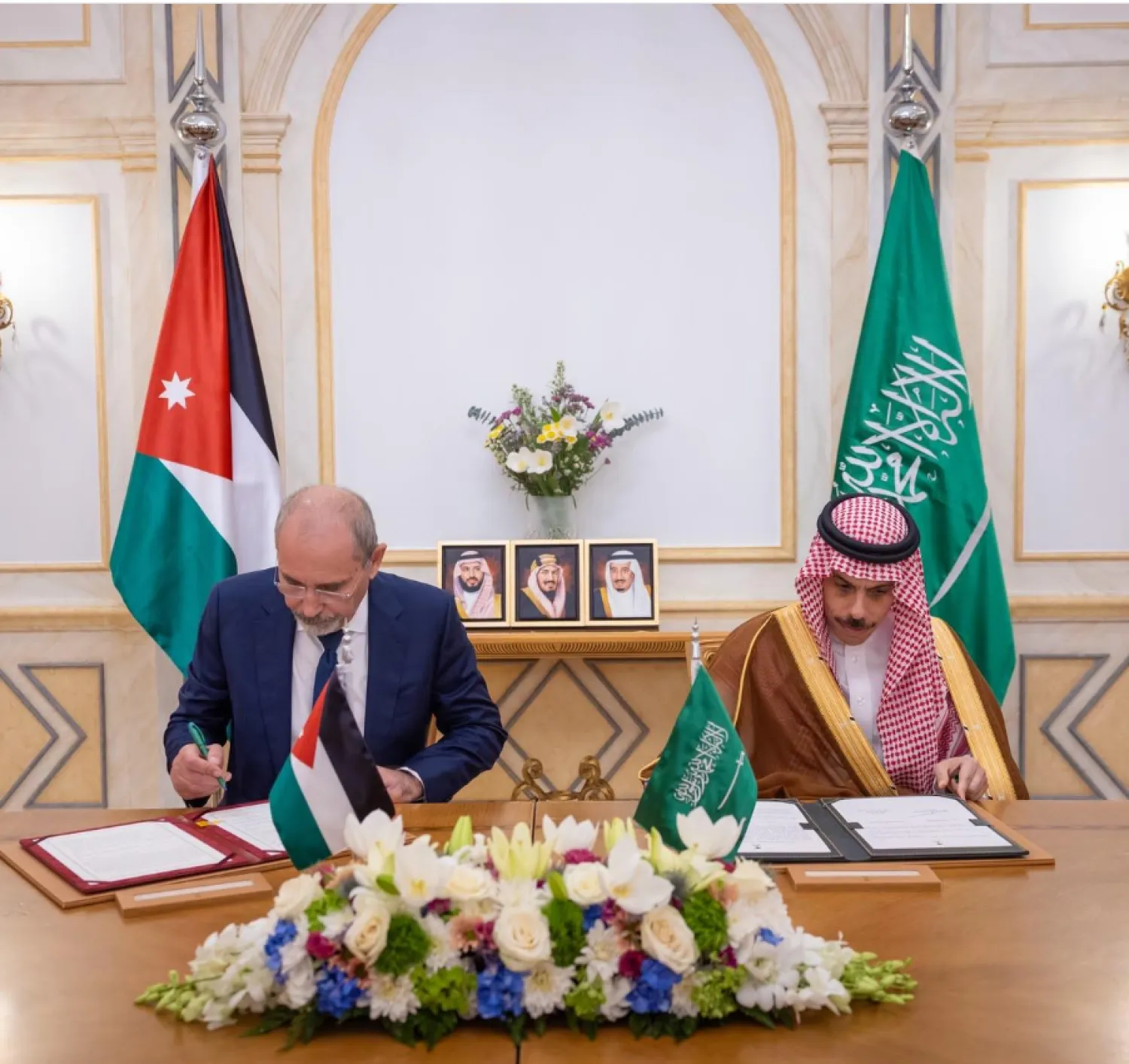
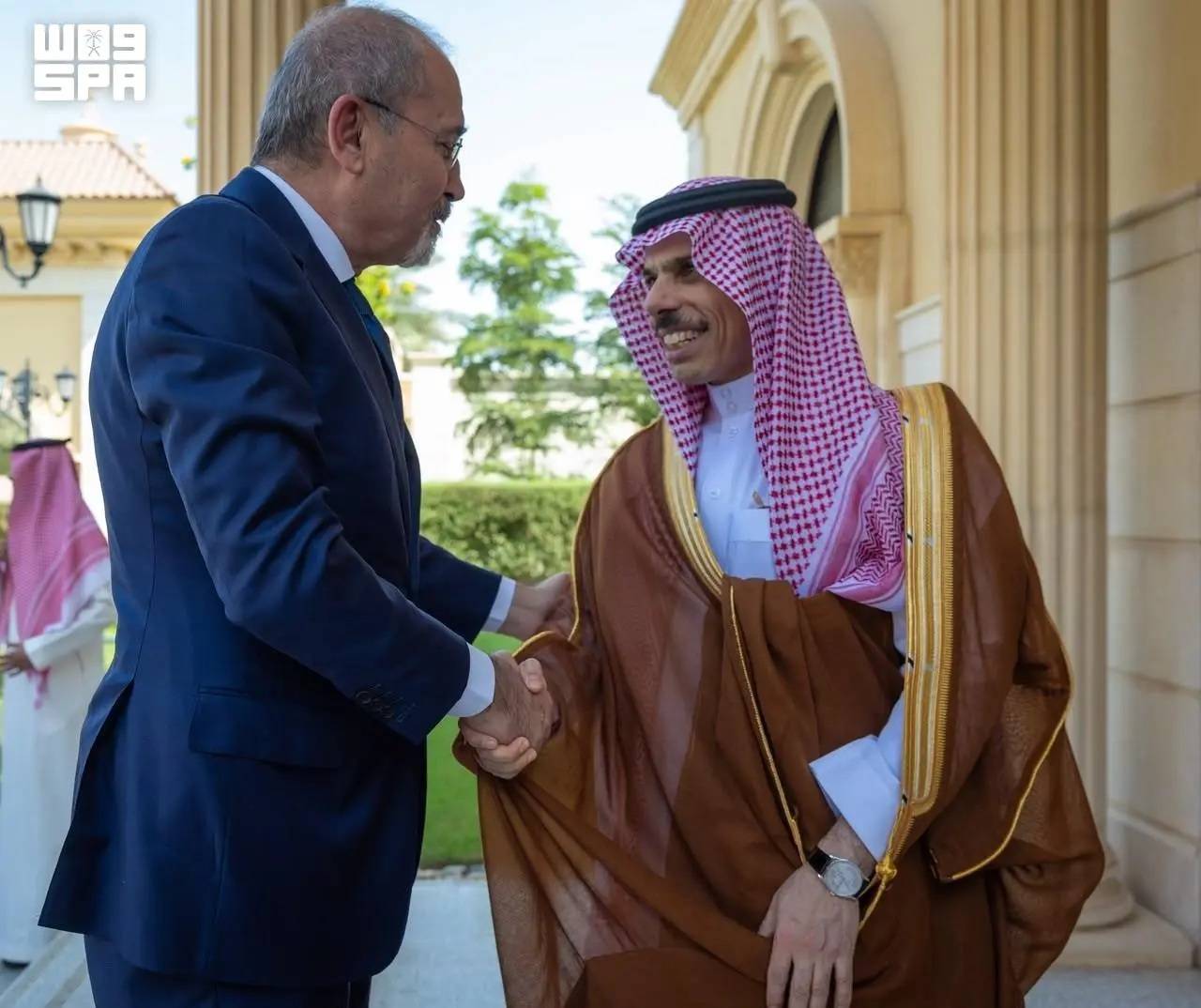
He noted that the visit — his second to Riyadh in less than two weeks — underscored the intensity of engagement with the Kingdom at a delicate moment, saying that his previous meeting with Saudi Foreign Minister Prince Faisal bin Farhan featured frank and constructive talks aimed at preventing escalation, maintaining regional balance and upholding international law.

Ali also highlighted the convening of an emergency meeting of foreign ministers of the Organization of Islamic Cooperation (OIC) to address what he described as the “illegal violation of Somalia’s sovereignty, unity and territorial integrity,” calling it further evidence of Saudi Arabia’s pivotal role in supporting regional stability.

Historic relations

The foreign minister described relations between Somalia and Saudi Arabia as “strong, historic and strategic,” grounded in shared faith, longstanding people-to-people ties and converging regional interests.

He said Somalia views the Kingdom as a key partner in national recovery, security-sector reform, economic stabilization and regional diplomacy, adding that current discussions are focused on translating this partnership into tangible outcomes that benefit both countries and reinforce wider regional stability.

Firm rejection of recognition of “Somaliland”

Ali stressed that the Somali federal government “categorically rejects” any declaration or action aimed at recognizing any part of Somalia as a separate entity. Such steps, he said, lack any legal basis, violate Somalia’s sovereignty and territorial integrity, and contravene international law, the UN Charter, the OIC charter and African Union principles.

He expressed Somalia’s appreciation for Saudi Arabia’s principled stance in support of Somali unity, as well as for regional and international partners that have voiced solidarity with Mogadishu.

He warned that unilateral recognition would not merely be a political position but a “destabilizing precedent” threatening the regional order. He added that Somalia is addressing the issue through balanced diplomacy and close coordination with regional and international partners.

A pivotal and constructive Saudi role

Ali said Saudi Arabia plays a “pivotal and constructive” role in promoting stability and security in the Arab world, the Red Sea region and the Horn of Africa, noting that its leadership in diplomacy, de-escalation and maritime security is widely recognized and appreciated.

Potential repercussions

The foreign minister warned that any unilateral recognition of Somaliland would be “legally and practically null and void,” further exacerbating fragility in a region already facing serious security, humanitarian and climate challenges. He said that such moves encourage fragmentation, fuel proxy conflicts and open the door to external interference, undermining the security of the Horn of Africa and international maritime navigation.

Militarization of the Red Sea

Ali said Mogadishu and Riyadh share a vital interest in protecting one of the world’s most strategic maritime corridors, stressing the need to keep the Red Sea and the Gulf of Aden free from militarization and illegal activities.

“We agree on the necessity of keeping the Red Sea and the Gulf of Aden away from militarization, illicit activities and geopolitical brinkmanship,” he underlined.


New KSrelief Aid Convoy Crosses Rafah to Deliver Food Baskets to Gaza

The latest KSrelief convoy was carrying food baskets for the people of Gaza. (SPA)
TT

New KSrelief Aid Convoy Crosses Rafah to Deliver Food Baskets to Gaza

The latest KSrelief convoy was carrying food baskets for the people of Gaza. (SPA)

A new humanitarian aid convoy from the King Salman Humanitarian Aid and Relief Center (KSrelief) crossed the Rafah border into Gaza on Friday with essential food baskets for Palestinians affected by the ongoing crisis, as part of the Saudi fundraising campaign to aid the Palestinian people.

The Saudi Center for Culture and Heritage, KSrelief’s implementing partner, has established several new camps in Al-Qarara area of southern Gaza and Al-Mawasi area of Khan Younis in preparation for winter.

Through these efforts, KSrelief aims to alleviate the severe suffering caused by the dire living conditions in Gaza, ensuring that vital food and shelter reach those in the most vulnerable areas.
