


Saudi Crown Prince Launches National Industrial Strategy

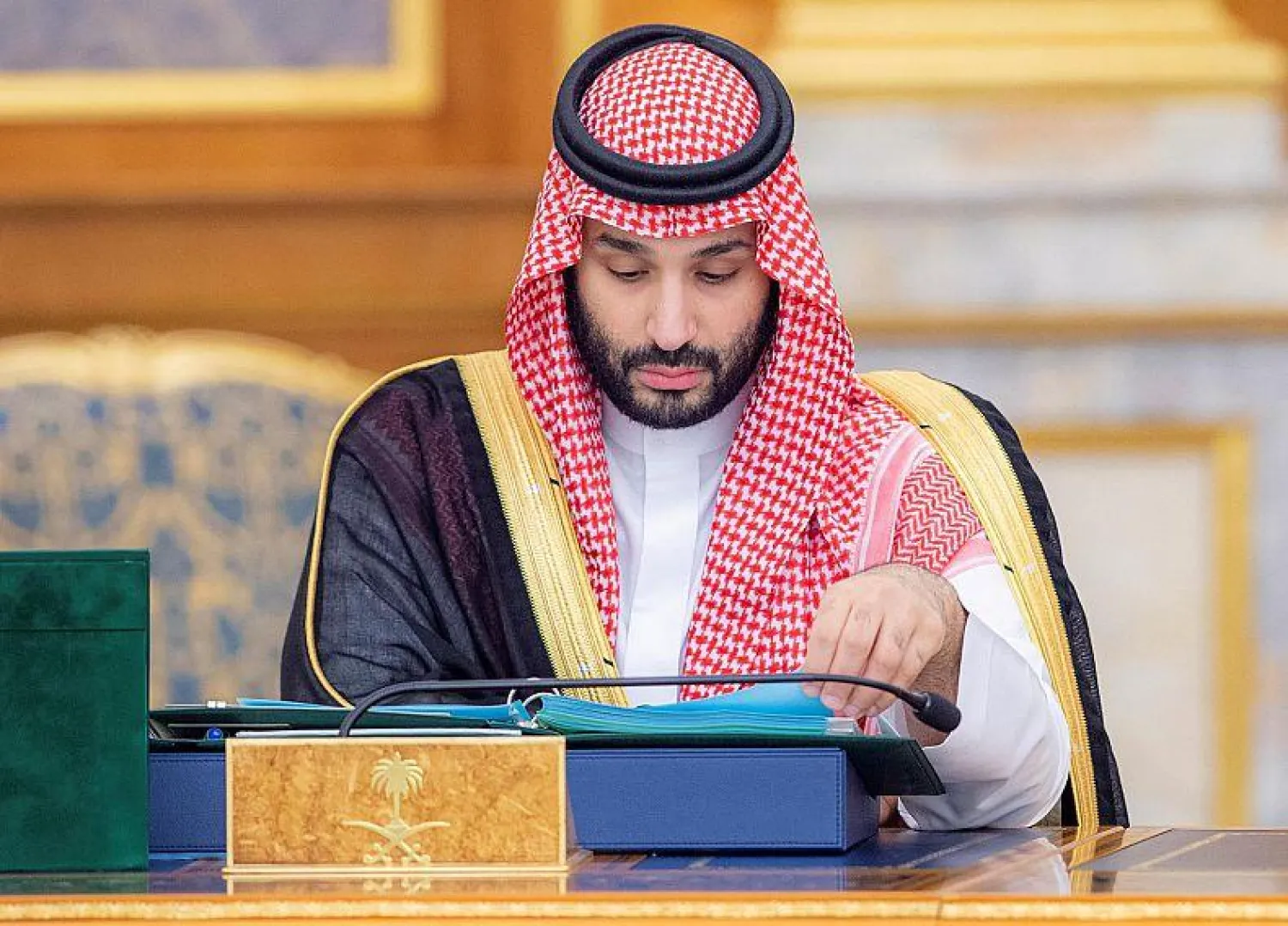
Saudi Crown Prince Mohammed bin Salman bin Abdulaziz (SPA)
TT

Saudi Crown Prince Launches National Industrial Strategy

Saudi Crown Prince Mohammed bin Salman bin Abdulaziz (SPA)

Saudi Crown Prince Mohammed bin Salman bin Abdulaziz launched the National Strategy for Industry, which aims to promote industry and attract investment, leading to economic diversification and growth of non-oil exports and GDP.

The Crown Prince, also Prime Minister and Chairman of the Council of Economic Affairs and Development, said Saudi Arabia has all the capabilities to reach a competitive and sustainable industrial economy, from ambitious young talents, a prominent geographic location, rich natural resources, and leading national industrial companies.

"Through the National Industrial strategy and in partnership with the private sector, the kingdom will become a leading industrial powerhouse that contributes to securing global supply chains and export high-tech products to the world," said the Crown Prince.

The industrial sector is one of the pillars of Vision 2030 and received significant attention from the Saudi leadership.

The National Industrial Development and Logistics Program (NIDLP) was launched, and an independent ministry was established to care for the sector and several other programs and entities.

It doubled the industrial establishments, which did not exceed 7,206 factories within 42 years. The number jumped more than 50 percent after Vision 2030 to reach 10.64 thousand industrial facilities in 2022.

The National Strategy for Industry will increase growth in the sector, bringing the number of factories to about 36,000 by 2035.

The Strategy focuses on 12 sub-sectors to diversify the industrial economy in the Kingdom while identifying more than 800 investment opportunities worth $266 billion, beginning a new chapter of sustainable growth for the sector.

It seeks to achieve ambitious economic returns for the Kingdom by 2030, including increasing industrial GDP threefold and doubling the value of industrial exports to reach $148.5 billion.

The National Strategy aims to bring the total value of additional investments in the sector to $346.6 billion, increase exports of advanced technology products by about six times, and create tens of thousands of quality jobs of high value.

Saudi Arabia aspires to empower the private sector, increase the flexibility and competitiveness of the industrial sector, which guarantees the continuity of access to essential commodities for the welfare of the citizens, and achieve global leadership in a group of selected items by investing in promising new technologies.

According to information released, a governance model for the industrial sector was developed through the formation of the Supreme Committee for Industry, chaired by the Crown Prince, which will help achieve these ambitious national goals.

It will help supervise the development of the sector and the formation of the Industrial Council with the participation of the private sector to ensure the involvement of industrial investors in decision-making and policy development.

The Kingdom's industrial sector is based on solid industrial foundations and successes built over 50 years, adding more than $90.6 billion to the GDP and providing many quality jobs and entrepreneurship opportunities in various industrial fields.

The Kingdom enjoys the presence of leading national industrial companies, which have placed the Saudi industry in the ranks of advanced industries regionally and globally.

Saudi Arabia is the fourth largest manufacturer of petrochemical products in the world, while its industrial outputs contribute to providing global supply and manufacturing chains involved in the production of many industries.

The launch of the Strategy is in line with global trends in the sector, such as the Fourth Industrial Revolution, the objectives of Saudi Arabia, and the competitive advantages it enjoys through its geographic location, an abundance of natural resources and energy sources, human capabilities, purchasing power, and stable monetary policies.



Saudi Finance Minister Says New Financial Control System Protects Public Funds

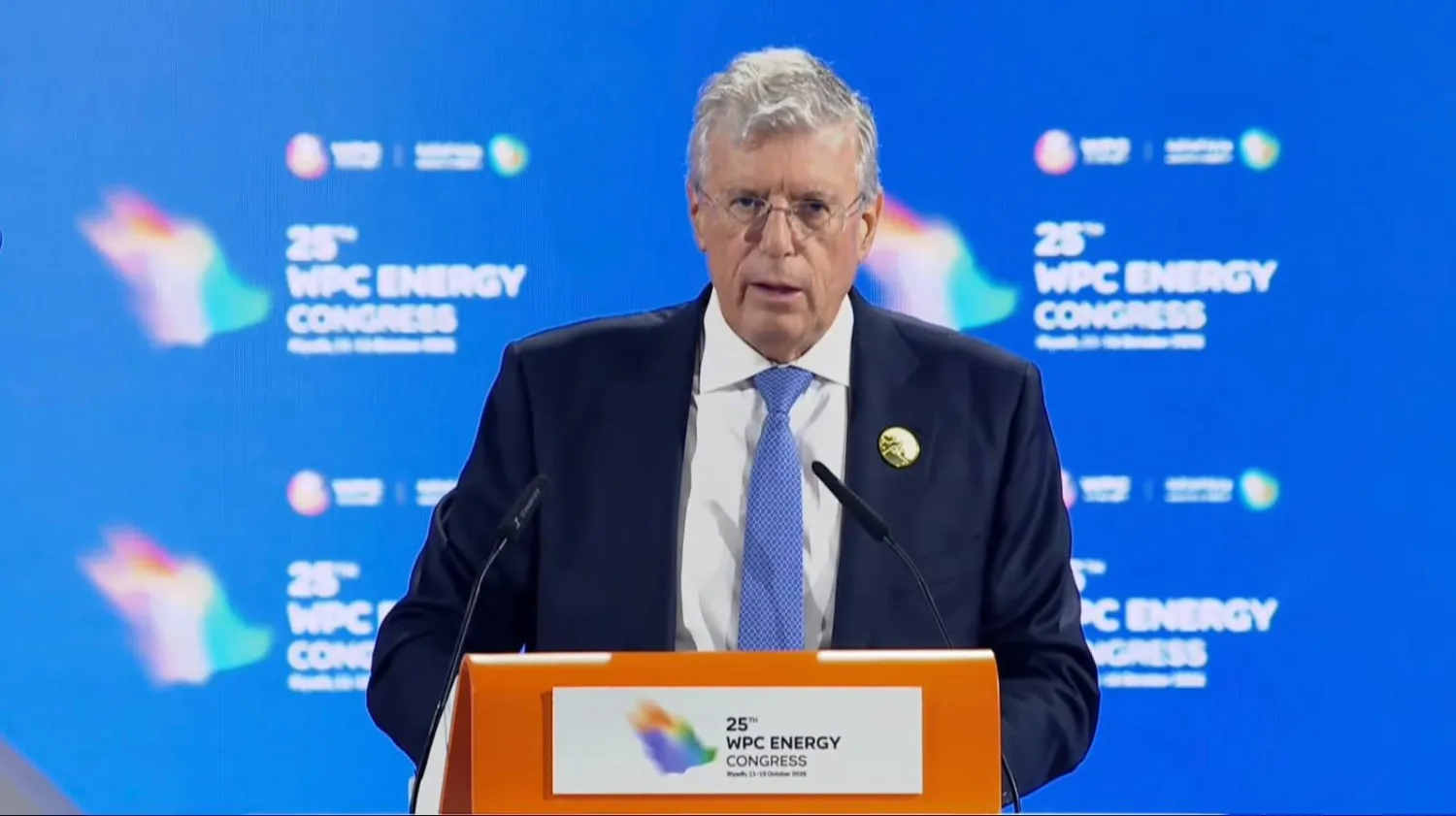
Saudi Minister of Finance Mohammed Al-Jadaan. Asharq Al-Awsat
TT

Saudi Finance Minister Says New Financial Control System Protects Public Funds

Saudi Minister of Finance Mohammed Al-Jadaan. Asharq Al-Awsat

Saudi Minister of Finance Mohammed Al-Jadaan has said that the new Financial Control System constitutes a “fundamental shift” in the control methodology and the improvement of the legislative framework for financial work in government agencies, through a more flexible and comprehensive model that focuses on empowerment and the protection of public funds.

Speaking at the 1st edition of the Financial Supervision Forum held at the General Court of Audit in Riyadh on Sunday, Al-Jadaan said the Kingdom must invest in national talent alongside regulatory reforms to build a modern financial oversight system.

He stressed the importance of enhancing institutional integration between the relevant authorities, especially between the Finance Ministry and the General Court of Audit, which contributes to unifying oversight efforts and reducing duplication.

According to Al-Jadaan, the success of this transformation depends on concerted efforts between regulatory authorities on the one hand, and authorities dealing with public money on the other hand, in a way that maximizes the impact in protecting public money and enhancing the efficiency of financial oversight.

President of the General Court of Audit Hussam Alangari also said that organizing the forum in partnership with the Finance Ministry comes within the qualitative transformation that Saudi Arabia is witnessing in financial oversight during an era in which the country holds a leading global position in the management of public finances, characterized by governance, responsibility, and a high level of transparency.

He told the forum that the General Court of Audit has had strong foundations that have strengthened its role and independence as the supreme authority for public financial oversight and auditing.

Alangari pledged to strengthen the “deep partnership” with the Finance Ministry, describing it as a partnership cemented by trust and built on the foundations of cooperation across various fields.

The partnership has resulted in qualitative leaps, most notably what has been achieved in the exchange of information through full technical integration between the Etimad and Shamel platforms, he said.


Trump Shook up Global Trade This Year; Some Uncertainty May Persist in 2026 

Containers are seen at the port in Shanghai, China, Oct. 13, 2025. (AFP)
TT

Trump Shook up Global Trade This Year; Some Uncertainty May Persist in 2026 

Containers are seen at the port in Shanghai, China, Oct. 13, 2025. (AFP)

President Donald Trump's return to the White House in 2025 kicked off a frenetic year for global trade, with waves of tariffs on US trading partners that lifted import taxes to their highest since the Great Depression, roiled financial markets and sparked rounds of negotiations over trade and investment deals.

His trade policies - and the global reaction to them - will remain front and center in 2026, but face some hefty challenges.

WHAT HAPPENED IN 2025

Trump's moves, aimed broadly at reviving a declining manufacturing base, lifted the average tariff rate to nearly 17% from less than 3% at the end of 2024, according to Yale Budget Lab, and the levies are now generating roughly $30 billion a month of revenue for the US Treasury.

They brought world leaders scrambling to Washington seeking deals for lower rates, often in return for pledges of billions of dollars in US investments. Framework deals were struck with a host of major trading partners, including the European Union, the United Kingdom, Switzerland, Japan, South Korea, Vietnam and others, but notably a final agreement with China remains on the undone list despite multiple rounds of talks and a face-to-face meeting between Trump and Chinese leader Xi Jinping.

The EU was criticized by many for its deal for a 15% tariff on its exports and a vague ‌commitment to big ‌US investments. France's prime minister at the time, Francois Bayrou, called it an act of submission ‌and ⁠a "somber day" for the ‌bloc. Others shrugged that it was the "least bad" deal on offer.

Since then, European exporters and economies have broadly coped with the new tariff rate, thanks to various exemptions and their ability to find markets elsewhere. French bank Societe Generale estimated the total direct impact of the tariffs was equivalent to just 0.37% of the region's GDP.

Meanwhile, China's trade surplus defied Trump's tariffs to surpass $1 trillion as it succeeded in diversifying away from the US, moved its manufacturing sector up the value chain, and used the leverage it has gained in rare earth minerals - crucial inputs into the West's security scaffolding - to push back against pressure from the US or Europe to curb its surplus.

What notably did not happen was the economic calamity and high inflation that legions ⁠of economists predicted would unfold from Trump's tariffs.

The US economy suffered a modest contraction in the first quarter amid a scramble to import goods before tariffs took effect, but quickly rebounded and ‌continues to grow at an above-trend pace thanks to a massive artificial intelligence investment boom ‍and resilient consumer spending. The International Monetary Fund, in fact, twice ‍lifted its global growth outlook in the months following Trump's "Liberation Day" tariffs announcement in April as uncertainty ebbed and deals were struck to reduce ‍the originally announced rates.

And while US inflation remains somewhat elevated in part because of tariffs, economists and policymakers now expect the effects to be more mild and short-lived than feared, with cost sharing of the import taxes occurring across the supply chain among producers, importers, retailers and consumers.

WHAT TO LOOK FOR IN 2026 AND WHY IT MATTERS

A big unknown for 2026 is whether many of Trump's tariffs are allowed to stand. A challenge to the novel legal premise for what he branded as "reciprocal" tariffs on goods from individual countries and for levies imposed on China, Canada and Mexico tied to the flow of fentanyl into the US was argued before the US Supreme Court in late 2025, ⁠and a decision is expected in early 2026.

The Trump administration insists it can shift to other, more-established legal authorities to keep tariffs in place should it lose. But those are more cumbersome and often limited in scope, so a loss at the high court for the administration might prompt renegotiations of the deals struck so far or usher in a new era of uncertainty about where the tariffs will end up.

Arguably just as important for Europe is what is happening with its trading relationship with China, for years a reliable destination for its exporters. The depreciation of the yuan and the gradual move up the value chain for Chinese companies have helped China's exporters. Europe's companies meanwhile have struggled to make further inroads into the slowing domestic Chinese market. One of the key questions for 2026 is whether Europe finally uses tariffs or other measures to address what some of its officials are starting to call the "imbalances" in the China-EU trading ties.

Efforts to finally cement a US-China deal loom large as well. A shaky detente reached in this year's talks will expire in the second half of 2026, and Trump and Xi are tentatively set to meet twice over the course of the ‌year.

And lastly, the free trade deal with the two largest US trading partners - Canada and Mexico - is up for review in 2026 amid uncertainty over whether Trump will let the pact expire or try to retool it more to his liking.


German Auto Exports Hit Hard by Trump Tariffs, Study Shows 

US President Donald Trump holds a chart as he delivers remarks on reciprocal tariffs during an event in the Rose Garden entitled "Make America Wealthy Again" at the White House in Washington, DC, on April 2, 2025. (AFP)
TT

German Auto Exports Hit Hard by Trump Tariffs, Study Shows 

US President Donald Trump holds a chart as he delivers remarks on reciprocal tariffs during an event in the Rose Garden entitled "Make America Wealthy Again" at the White House in Washington, DC, on April 2, 2025. (AFP)

German car exports to the United States slumped by almost 14% in the first three quarters of 2025, making it the hardest-hit branch of German industry in US President Donald Trump's trade war, according to a study seen by Reuters on Monday.

Under an agreement between Washington and Brussels, the US set a 15% baseline tariff on cars from Europe from August 1 - significantly less ‌than Trump's ‌initial rate of 25% ‌on ⁠top of ‌a 2.5% existing levy.

German engineering companies have also struggled under the tariff regime, with the study showing exports in that sector to the US declining by 9.5% in the first nine months of 2025.

Machinery exports are subject to a ⁠50% US tariff on steel and aluminium products.

The chemical industry ‌also saw exports to the ‍country's top export market ‍decline by 9.5%, although the report said ‍this could not be blamed solely on tariffs.

"Other factors are likely to have played a role in the case of chemical products, such as lower production in Germany due to higher energy prices," it said.

Across all sectors, German ⁠exports to the US were down 7.8% year on year over the three quarters - following average growth of nearly 5% in the comparable periods of 2016 to 2024.

"Since it must currently be assumed that US import tariffs will not return to pre-Trump administration levels in the foreseeable future, a significant recovery in German exports to the US is unlikely," study author Samina ‌Sultan said, referring to a "new normal" for German exporters.