


Saudi Energy Minister, Pakistani Finance Minister Hold 1st Meeting of Steering Committee

Saudi Arabia’s Energy Minister Prince Abdulaziz bin Salman (Asharq Al-Awsat)
TT

Saudi Energy Minister, Pakistani Finance Minister Hold 1st Meeting of Steering Committee

Saudi Arabia’s Energy Minister Prince Abdulaziz bin Salman (Asharq Al-Awsat)

Saudi Arabia’s Energy Minister Prince Abdulaziz bin Salman and Pakistan's Finance Minister Ishaq Dar held on Thursday the first meeting of the Saudi-Pakistani Steering Committee of the Economic Pillar.

Prince Abdulaziz confirmed in a statement that the Kingdom considers Pakistan an important partner in its development plans and programs.

He added that the two countries seek, through the work of this Subcommittee, to promote areas of cooperation, find new partnership opportunities, and create initiatives of mutual benefit and interest to both counties and their peoples.

He hailed the strong and historic relations between the two countries, Saudi Arabia’s official news agency SPA reported.

Prince Abdulaziz also pointed to the cooperation in energy, under which many topics are currently being discussed, such as “cooperation in the oil industry and supply, petrochemicals, electricity, renewable energy, industry, transport, and many other potential opportunities.”

Both sides agreed at the end of the meeting to advance the committee’s work, follow up on the meeting’s outcomes and continue joint coordination between the work teams to achieve results that live up to the aspirations of the leadership and peoples of the two brotherly countries.

The work of the Steering Committee also involves a number of other areas including energy, industry, mineral resources, commerce, finance, environment, agriculture, transport, logistics, communications, information technology, tourism, and investment.


Türkiye 2025 GDP Growth 3.6%, Just Below Forecast

A woman holding an umbrella on a rainy day during the holy fasting month of Ramadan outside the Hagia Sophia mosque in Istanbul, Türkiye, Friday, Feb. 27, 2026. (AP Photo/Khalil Hamra)
TT

Türkiye 2025 GDP Growth 3.6%, Just Below Forecast

A woman holding an umbrella on a rainy day during the holy fasting month of Ramadan outside the Hagia Sophia mosque in Istanbul, Türkiye, Friday, Feb. 27, 2026. (AP Photo/Khalil Hamra)

Türkiye's economy grew 3.4% year-on-year in the fourth quarter of last year, with full-year growth also just below forecast at 3.6%, official data showed on Monday.

Fourth-quarter gross ⁠domestic product (GDP) rose ⁠0.4% from the previous quarter on a seasonally and calendar-adjusted basis, Turkish Statistical Institute ⁠data showed.

Growth in the third quarter was revised to 3.8% from 3.7%, and second-quarter growth was revised to 4.7% from 4.9%, the data also showed.

In a ⁠Reuters ⁠poll, the economy was expected to have grown 3.5% in the fourth quarter and by 3.7% in 2025 overall.


Iran Conflict Disrupts Fuel Assessements from Reporting Agency Platts

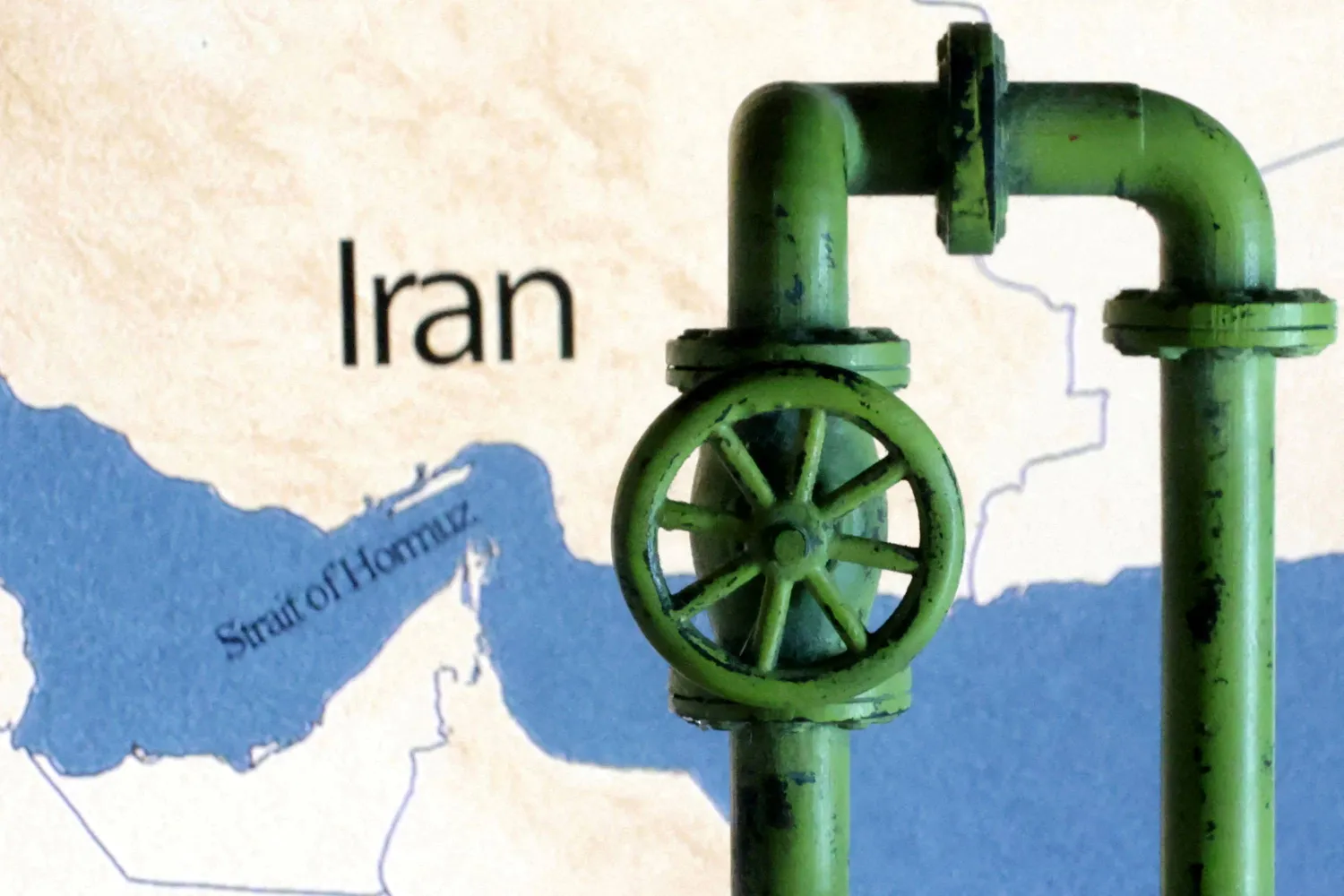
A map showing the Strait of Hormuz and Iran is seen behind a 3D printed oil pipeline (Reuters)
TT

Iran Conflict Disrupts Fuel Assessements from Reporting Agency Platts

A map showing the Strait of Hormuz and Iran is seen behind a 3D printed oil pipeline (Reuters)

Oil price reporting agency S&P Global Platts is suspending bids and offers for price assessments of Middle East refined products that transit the Strait of Hormuz because of shipping disruptions from the US-Iran conflict, the company said in a note to subscribers sent out on Monday and reviewed by Reuters.

S&P Global Platts, one of the larger providers of price and transaction information on the oil and fuel markets for the industry, is also reviewing its Middle East ‌crude pricing mechanism, the ‌company said.

From March 2 until further ‌notice, ⁠Platts has suspended ⁠the publication of bids and offers in the Middle East refined products Market on Close assessment process where they reflect loading at ports within the Arabian Gulf that require transit through the Strait of Hormuz, the company said in the note to subscribers.

Platts declined to comment on the suspension of the ⁠bids and offers for some of its Middle ‌Eastern oil product assessments.

The ‌Strait of Hormuz is a narrow waterway between Iran and Oman that ‌connects the Gulf to the Arabian Sea. On ‌a typical day, ships carrying oil equal to about one-fifth of global demand from Saudi Arabia, the UAE, Iraq, Iran, and Kuwait sail through the waterway along with tankers hauling diesel and jet fuel ‌and gasoline and other products from their refineries.

Platts also said in a note sent ⁠to subscribers ⁠that it is reviewing the deliverability of Middle East crude from ports within the Gulf and will announce its decision at 2 p.m. (0600 GMT).

"This review has been initiated because market participants have notified Platts that major shipping companies have halted transit through the Strait of Hormuz amid heightened safety concerns after Israel and the US launched air strikes on Iran," Platts said.

Platts' daily Dubai crude oil price assessment is a physical benchmark used by traders and oil companies to set the prices of millions of barrels of transactions of Middle Eastern crude and their derivatives.


Ship Insurers Cancel War Risk Cover Due to Iran Conflict

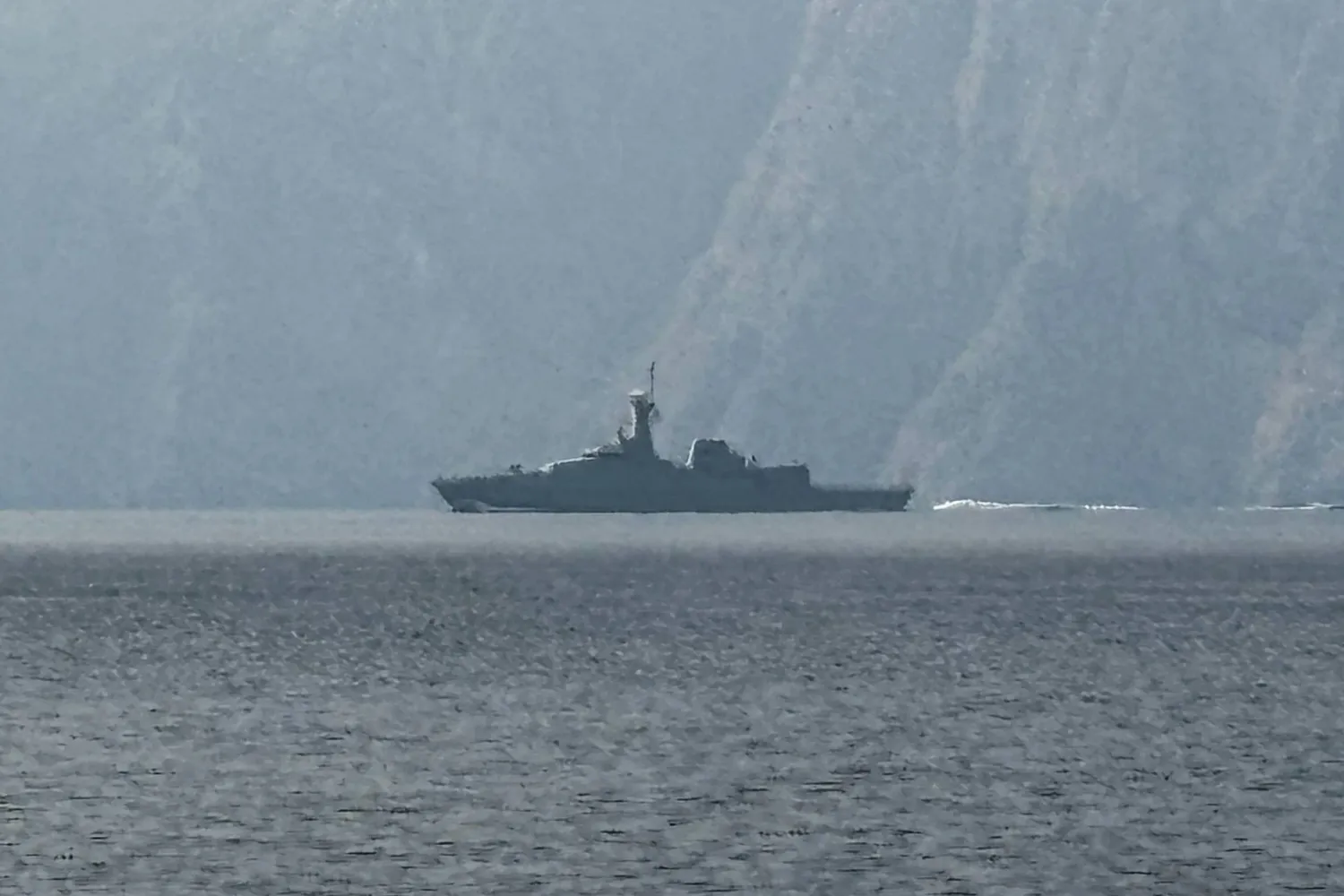
A navy vessel is seen sailing in the Strait of Hormuz, a vital waterway through which much of the world's oil and gas passes on March 1, 2026. (Photo by Sahar AL ATTAR / AFP)
TT

Ship Insurers Cancel War Risk Cover Due to Iran Conflict

A navy vessel is seen sailing in the Strait of Hormuz, a vital waterway through which much of the world's oil and gas passes on March 1, 2026. (Photo by Sahar AL ATTAR / AFP)

Several marine insurers said they are cancelling war risk cover for ships due to the conflict in Iran and the Gulf.

Insurers including Gard, Skuld, NorthStandard, the London P&I Club and the American Club said their cancellations will take effect from March 5, according to notices dated March 1 on their websites.

War risk cover will be excluded in Iranian ‌waters, as ‌well as the Gulf and adjacent waters, ‌according ⁠to the notices.

Skuld ⁠added in its notice that it was working on a buy-back option to reinstate cover.

Japan's MS&AD Insurance Group told Reuters it had suspended underwriting of a range of insurance policies covering war risks in the waters around Iran and Israel and ⁠neighboring countries.

Tensions in the Middle East have ‌escalated sharply after the US ‌and Israeli forces launched strikes on Iran over the weekend, ‌prompting Tehran to say it had closed ‌navigation through the Strait of Hormuz, a key chokepoint for global oil and gas flows.

Several tanker owners, oil majors and trading houses have since suspended crude, fuel and liquefied ‌natural gas shipments through the narrow waterway, and satellite data has shown vessels accumulating ⁠near key ⁠United Arab Emirates ports such as Fujairah.

Ship-tracking data on Sunday showed the disruption growing, with at least 150 tankers - including crude and LNG carriers - anchored in open Gulf waters beyond the Strait of Hormuz and dozens more stationary on the other side of the chokepoint.

The risks intensified further after at least three tankers were damaged off the Gulf coast and one seafarer was killed.