International representatives meeting in Geneva have declared that there is no military solution to Sudan’s war, calling for an urgent humanitarian truce, an end to foreign interference and renewed efforts toward a political settlement.
The appeal came at the close of UN-organized Sixth Consultative Meeting on Enhancing Coordination of Peace Initiatives and Efforts in Sudan where the army and the paramilitary Rapid Support Forces (RSF) have been fighting since April 2023.
In a final statement, participants warned that civilians were paying a devastating price for the warring parties’ pursuit of battlefield gains. They urged both sides to de-escalate and engage seriously in negotiations that could lead to a permanent ceasefire.
The sixth consultative meeting, which concluded Wednesday evening, was co-chaired by Swiss State Secretary for Foreign Affairs Alexandre Fasel and UN Secretary-General’s Personal Envoy for Sudan Pekka Haavisto.
Representatives of 22 countries attended, including the United States, Saudi Arabia, the United Arab Emirates, Egypt, Britain, France, China, Russia and Sudan’s neighbors, alongside regional and international organizations such as the African Union, European Union and Intergovernmental Authority on Development (IGAD).
Confidence-building measures
Haavisto outlined UN efforts to introduce confidence-building measures that both warring parties might accept, including exchanges of prisoners of war and detainees, both military and civilian, and arrangements to allow students to sit examinations.
“We think that there are issues that should unite actually both parties of the conflict,” he said, describing such initiatives as modest first steps compared with the devastation caused by the war.
The meeting stressed that a humanitarian truce must pave the way for a lasting ceasefire, with de-escalation efforts bringing tangible improvements on the ground.
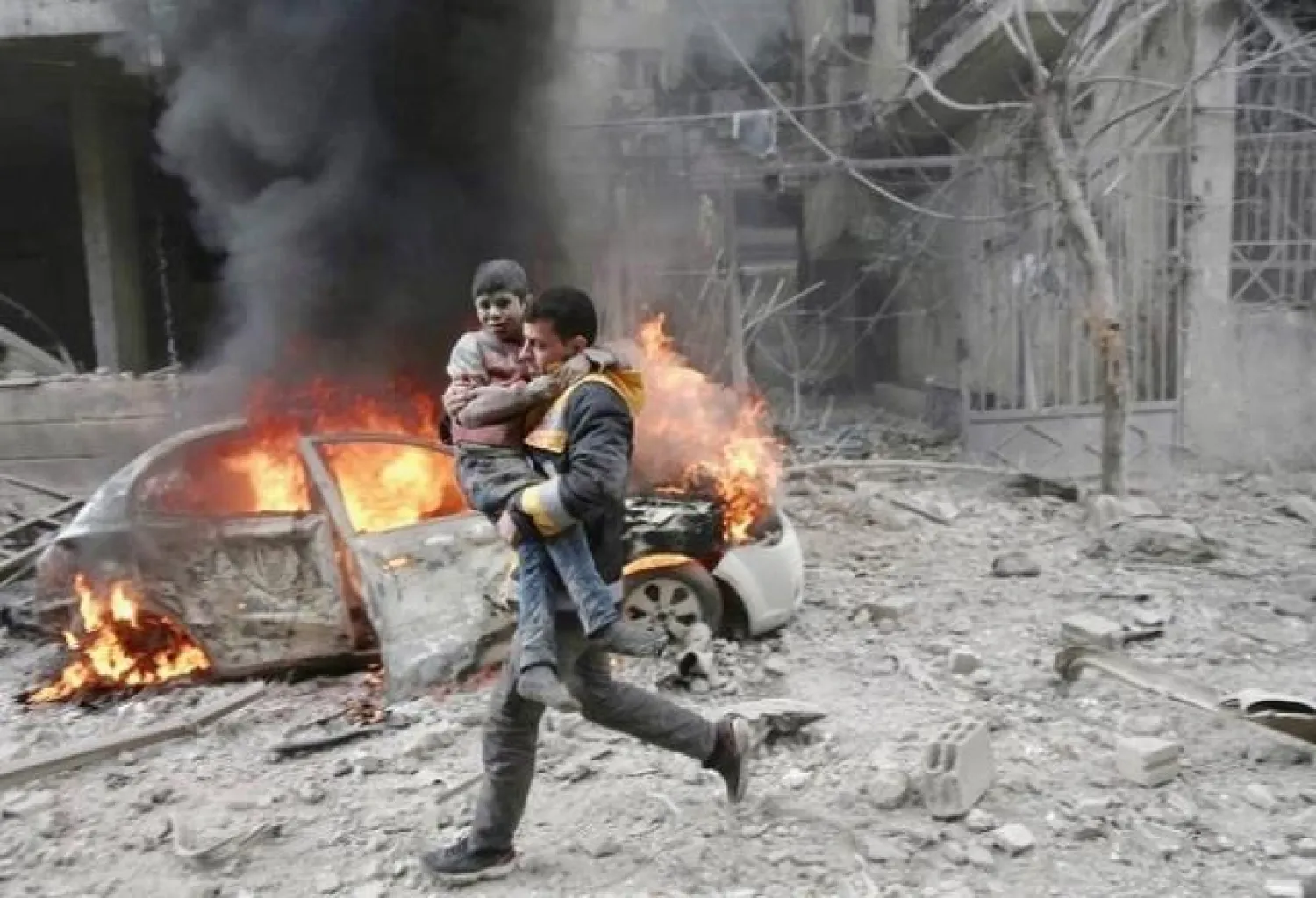
After three and a half years of fighting, participants dismissed the pursuit of military gains as a solution, warning that civilians were bearing the devastating cost of continued hostilities.
They called for full compliance with international humanitarian law and the protection of civilian facilities, particularly infrastructure essential to basic services.
States and other actors were urged to stop fueling the conflict by supplying mercenaries, military equipment, drones or financing.
Such support, the statement warned, would cause further casualties and increase the risk of Sudan’s fragmentation. It did not identify any countries or organizations responsible for providing assistance to the warring parties.
Participants reaffirmed their commitment to Sudan’s sovereignty, unity and territorial integrity, as well as the preservation of state institutions.
They rejected the creation of parallel governments, institutions or governing structures and called for concrete measures to prevent any steps that could undermine the country’s unity.
Push for an inclusive political settlement
The Geneva talks emphasized that lasting peace would require a credible, inclusive Sudanese political process reflecting the aspirations of the population.
Such negotiations should allow meaningful participation by political and civilian groups, including women and young people, and lead to an agreed transition toward sustainable peace and democratic governance.
Participants backed mediation efforts by the Quad — the United States, Saudi Arabia, the UAE and Egypt — and the Quintet, comprising the African Union, European Union, IGAD, Arab League and United Nations.
They stressed that any political process must be transparent, credible, and free from coercion.
The meeting also expressed grave concern over continuing hostilities, reports of atrocities and the increasing use of drones.
Millions of Sudanese face severe food shortages, while restrictions on humanitarian access and adverse weather conditions have heightened the threat of famine.
The conflict’s humanitarian, social and economic repercussions are also being felt across neighboring countries, raising fears of violence spreading beyond Sudan’s borders with potentially catastrophic consequences.
Regional and international coordination
The Geneva consultations follow earlier meetings in Cairo, Djibouti, Nouakchott and Brussels, the most recent held in the Egyptian capital on January 14.
The initiative seeks to bring regional and international diplomatic efforts into closer alignment as Sudan’s humanitarian catastrophe deepens.
Aid organizations estimate that more than 200,000 people have been killed and over 13 million displaced since the war began, leaving the country at the center of the world’s largest hunger and displacement crisis.
Participants also reaffirmed their commitment to the principles adopted at the ministerial conference on Sudan in Berlin last April and the spirit of the May 2023 Jeddah Declaration, under which the army and RSF pledged to protect civilians and facilitate humanitarian access.