PM Madbouly inspects on Monday a new quarantine field hospital in Cairo. (MENA)
Egypt’s Prime Minister Mostafa Madbouly inaugurated a new quarantine field hospital at the Ain Shams University in Cairo just as the country registered on Monday its highest single-day COVID-19 deaths with 97 fatalities.
The hospital is scheduled to begin work on Thursday as part of efforts to expand the medical services and testing for coronavirus patients.
The facility will offer a drive-through coronavirus testing service, which will take swabs and samples using a mobile testing unit.
Ain Shams University President Mahmoud El-Matiny said the hospital will operate based on the latest international medical standards and is being equipped with the required medical supplies and equipment.
Minister of Higher Education and Scientific Research Khaled Abdel Ghaffar said the field hospital spans over 4,600 square meters and has a total of 200 beds.
According to local media, the hospital, which took 15 days to build, cost EGP 28 million.
Egypt’s COVID-19 death toll is now 1,672, according to the Egyptian Health Ministry.
On Sunday, Egypt registered a new record of 91 single-day fatalities from the novel coronavirus.
The first confirmed coronavirus infection in the country was reported on February 14. The first death from the respiratory disease was registered on March 8.
Madbouly instructed an increase in the number of university hospitals offering treatment for the virus in Cairo, Giza and Qaliubiya governorates, where some of the highest infection rates were reported.
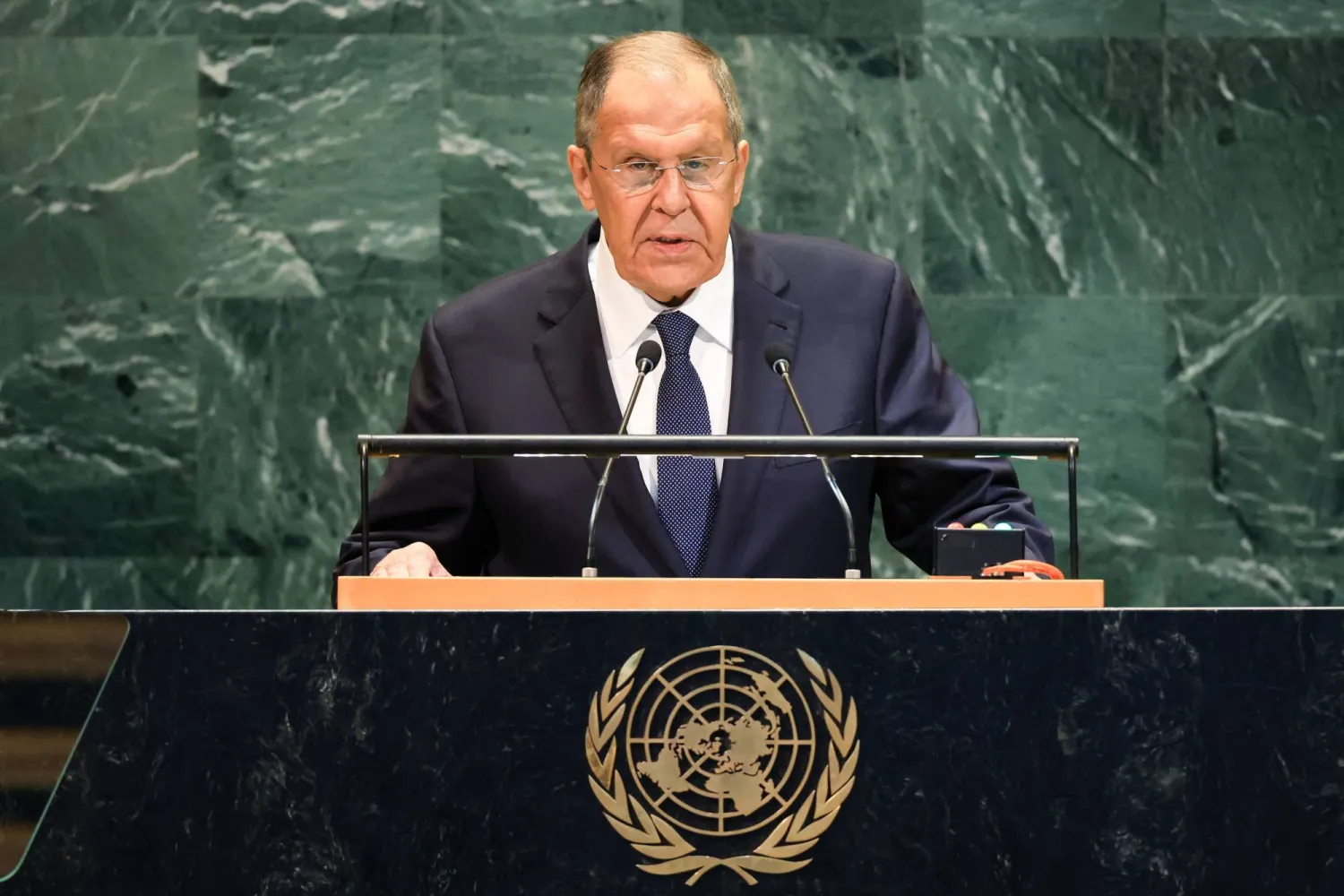
وزير الخارجية الروسي سيرغي لافروف يلقي كلمة أمام الجمعية العامة للأمم المتحدة في نيويورك (رويترز)
TT
TT
لافروف: روسيا ستحقق أهدافها في أوكرانيا «مهما كانت الظروف»
وزير الخارجية الروسي سيرغي لافروف يلقي كلمة أمام الجمعية العامة للأمم المتحدة في نيويورك (رويترز)
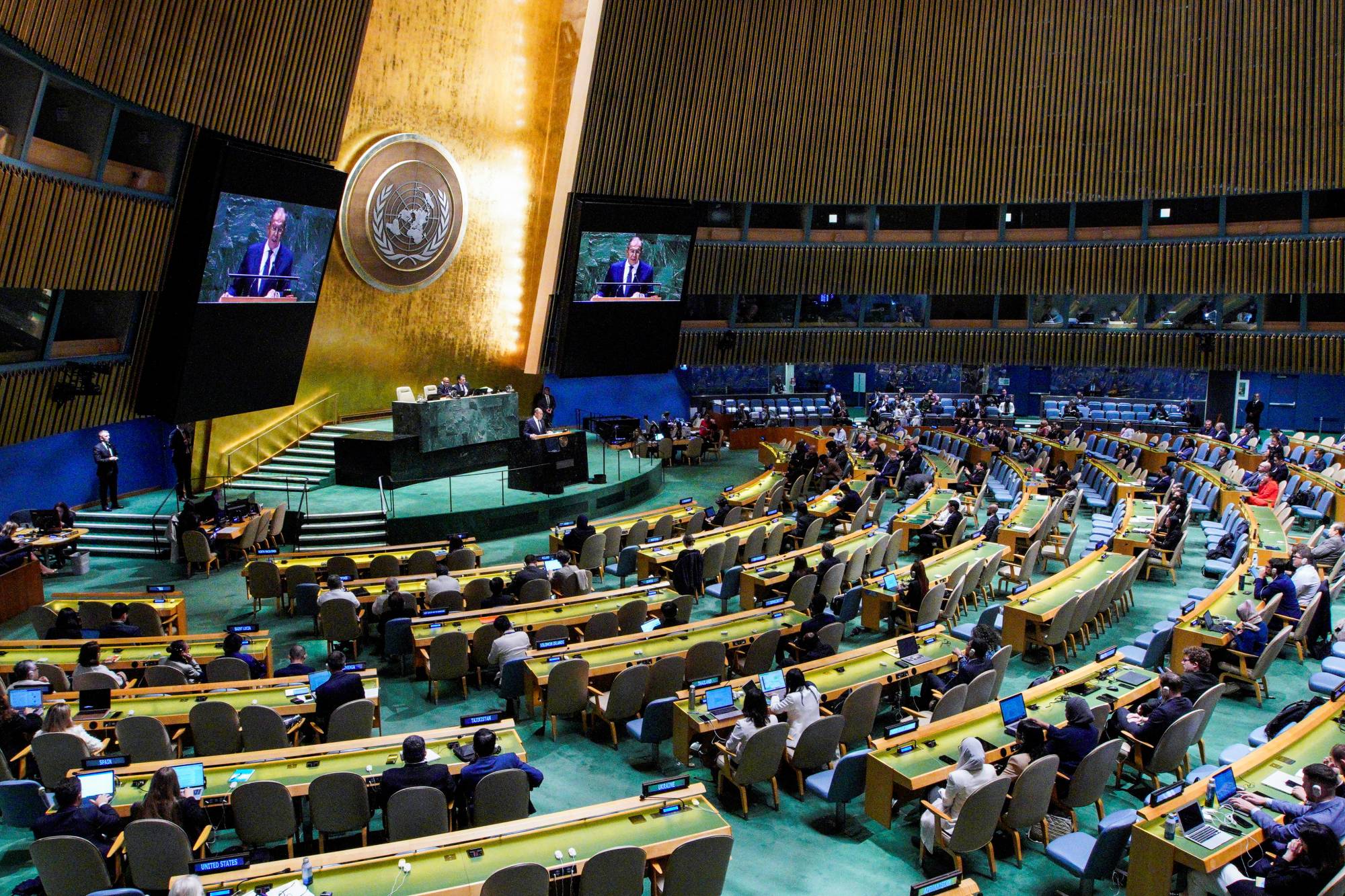
شدد وزير الخارجية الروسي سيرغي لافروف، السبت، في الأمم المتحدة، على أن موسكو ستحقق أهدافها العسكرية في أوكرانيا «مهما كانت الظروف».
وقال لافروف من على منبر الجمعية العامة للأمم المتحدة: «سيتم تحقيق أهداف العملية العسكرية الخاصة، والقضاء على التهديد الذي يواجه الأمن الروسي، مع عودة الحياة الهادئة. وسيحدث ذلك مهما كانت الظروف».
واتهم وزير الخارجية الروسي الدول الأوروبية، السبت، بأنها «تبذل كل ما في وسعها» لعرقلة المفاوضات الرامية إلى إنهاء النزاع بين موسكو وكييف.
وقال: «تبذل أوروبا كل ما في وسعها لعرقلة محادثات السلام التي ترعاها إدارة (الرئيس الأميركي دونالد) ترمب».
وزير الخارجية الروسي سيرغي لافروف يتحدث أمام الجمعية العامة للأمم المتحدة في 23 سبتمبر 2023 (رويترز)
كما دعا لافروف الولايات المتحدة إلى رفع «الحصار» المفروض على كوبا، وكذلك القيود المفروضة على التجارة مع أكبر جزيرة في منطقة البحر الكاريبي.
وقال لافروف إن على الولايات المتحدة رفع اسم كوبا من قائمة الدول الراعية للإرهاب.
وشنت الولايات المتحدة حملة ضغوط على كوبا أدت إلى حد كبير إلى منع وصول النفط إلى الجزيرة، مما تسبب في انقطاع الكهرباء على نطاق واسع.
حشود مجتمعة في جادة الشانزليزيه لاستقبال البابا ليو الرابع عشر يوم 26 سبتمبر (رويترز)
عبَر البابا ليو الرابع عشر جادة الشانزليزيه، السبت، على وقع هتافات حشود غفيرة، قبل أن يترأس قداساً ضخماً هو أبرز فعاليات اليوم الثاني من زيارته لفرنسا. وعلى متن سيارته «بابا موبيلي»، حيَّا الحبر الأعظم مبتسماً الأطفال ورحَّب بحشود المصلِّين الذين وصل كثير منهم قبل ساعات لرؤيته وهو يتَّجه نحو ساحة الكونكورد؛ حيث أُقيم مذبح أبيض يعلوه صليب بارتفاع عدة أمتار.
وبدأ القداس بُعَيد الساعة الثالثة عصراً بالتوقيت المحلي، مع اصطفاف نحو 700 ألف شخص -حسب الفاتيكان- على امتداد أكثر من كيلومترين وصولاً إلى شارع الجيش الكبير، خلف قوس النصر؛ حيث أمكنهم متابعة القداس الذي استمر ساعة ونصف ساعة عبر شاشات عملاقة.
وقالت ماري هيلين، التي قدمت من ضواحي باريس: «قد لا أرى شيئاً، ولكن لا يهم، المهم هو وجودنا بهذا العدد الكبير، ومشاركتنا في القداس».
شعبية واسعة
وفي ساحة الكونكورد؛ حيث كان الواصلون ينتظرون بصبر ويتناولون طعامهم، صرَّحت فيرجيني كورتو الآتية من نانتير مع عائلتها، والبالغة 51 عاماً، لـ«وكالة الصحافة الفرنسية»، بأن «البابا هو النجم!». وأضافت: «إنه يخاطب جمهوراً يتجاوز الديانة الكاثوليكية، إنه البابا الذي نحتاج إليه في هذا العصر، البابا الذي يُضفي عمقاً وتأملاً».
وفي الشوارع المجاورة للشانزليزيه، ومع إغلاق عشرات محطات المترو، حملت عشرات الحافلات المصلِّين من مناطق عدة طوال الصباح، وغالباً ما كانت مجهزة بمقاعد قابلة للطي، استعداداً لانتظار وصول البابا.
حشود مجتمعة في جادة الشانزليزيه لاستقبال البابا ليو الرابع عشر يوم 26 سبتمبر (أ.ب)
وأوردت أبرشية باريس أن كثيراً من السياسيين حضروا للمشاركة في القداس؛ بينهم المرشحون للرئاسة: إدوارد فيليب، وغابرييل أتال، ومارين لوبان التي رافقها رئيس حزبها «التجمع الوطني» جوردان بارديلا، بالإضافة إلى رئيس الوزراء سيباستيان لوكورنو، والرئيس الأسبق نيكولا ساركوزي، ورئيسَي مجلسَي البرلمان، يائيل براون بيفيت، وجيرار لارشيه.
وغاب الرئيس إيمانويل ماكرون الذي استقبل البابا ليو الجمعة لدى وصوله إلى المطار، ثم في قصر الإليزيه، ومثَّلته زوجته بريجيت.
وتحاط هذه الزيارة البابوية الأولى منذ زيارة بنديكتوس السادس عشر عام 2008، والتي تنتهي الاثنين في ميتز، بعد محطة في لورد بدءاً من مساء السبت، بتدابير أمنية بالغة الشدة. وتشهد تعبئة 17 ألف متطوع، و15 ألف عنصر من الشرطة والدرك، و2500 صحافي معتمَد، وخُصصت لها ميزانية هائلة قدرها 27 مليون يورو.
«كرامة وسلام»
وبدأ ليو الرابع عشر -وهو نفسه ابن مهاجرين- يومه الثاني في فرنسا بزيارة «دار باخيتا» وهي جمعية أبرشية لاستقبال المهاجرين أسسها البابا فرنسيس عام 2017، وتحمل اسم القديسة جوزفين باخيتا، وهي راهبة سودانية عانت من العبودية في صغرها قبل أن تتحرر وتصبح رمزاً عالمياً لمكافحة الاتجار بالبشر.
وشدد البابا خلال لقائه عدداً من المغتربين والمهاجرين المسلمين والمسيحيين من جنسيات مختلفة، على أهمية «الالتقاء والعيش معاً بكرامة وسلام». وقال إن «تاريخ الكنيسة والبشرية... لم يكتبه الذين يعطون الانطباع بالانتصار من خلال فرض أنفسهم واحتلال المساحة؛ بل الذين يُفسحون المجال لغيرهم، ويُوجدون آليات سلام، ويبعثون الثقة، ويشجعون الحياة». ودعا إلى «الإقرار بدور النساء الجوهري في بناء حضارة تقوم على المحبة».
البابا ليو الرابع عشر يحيي الحشود في جادة الشانزليزيه يوم 26 سبتمبر (أ.ف.ب)
وتبعث هذه الزيارة للدار -حسب مسؤوليها- «رسالة» قبل أشهر من انتخابات رئاسية في فرنسا، يتوقع أن تعود فيها مسألة الهجرة إلى الواجهة. ودعا البابا على الدوام منذ انتخابه في مايو (أيار) 2025 إلى الحفاظ على كرامة المهاجرين واللاجئين. ولم يتردد البابا الأميركي في انتقاد سياسة الرئيس دونالد ترمب بهذا الصدد.
وزار البابا بعد ذلك المعهد الكاثوليكي في باريس؛ حيث التقى بمُعَمَّدين جدد ومقبلين، ما يشهد على حيوية الكنيسة لدى شريحة من الشباب. وقال البابا خلال اللقاء في المقر التاريخي للمعهد: «قد يبدو من المستغرب أن نشهد هذه الظاهرة في إطار مجتمع كالمجتمع الفرنسي (...) مطبوع بثقافة شديدة العلمانية». وكان قد تطرق الجمعة إلى العلمانية في كلمته بقصر الإليزيه، معتبراً أن «العلمانية السليمة لا تعني استبعاد الدين من الفضاء العام».
وتلقى زيارة البابا اهتماماً شعبياً لافتاً منذ يومها الأول؛ إذ اصطف 300 ألف شخص -حسب الفاتيكان- الجمعة للترحيب به لدى عبوره في السيارة البابوية بوسط باريس، قبل أن يستقبله 80 ألف شاب استقبال النجوم مساء الجمعة، في ملعب «استاد دو فرنس».
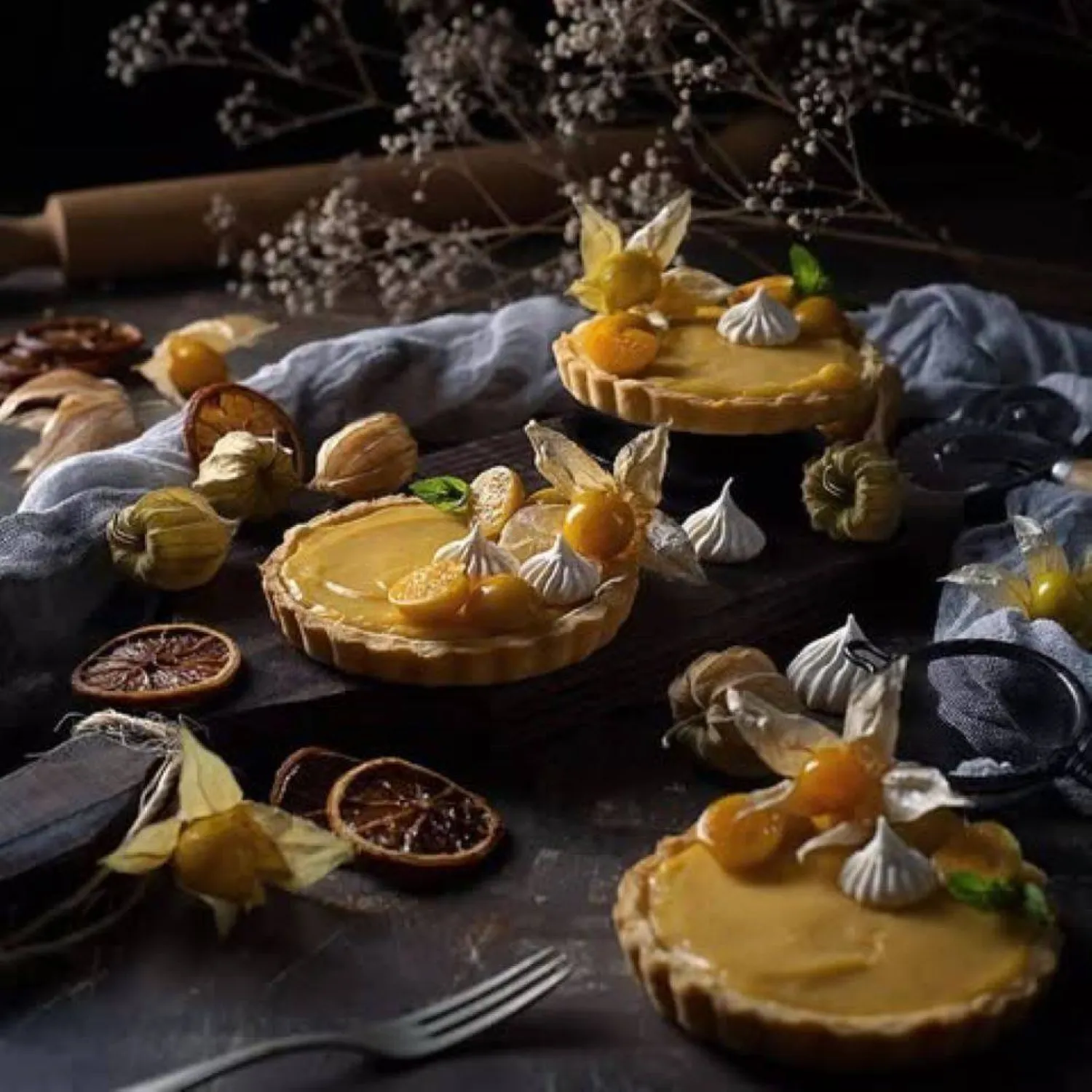
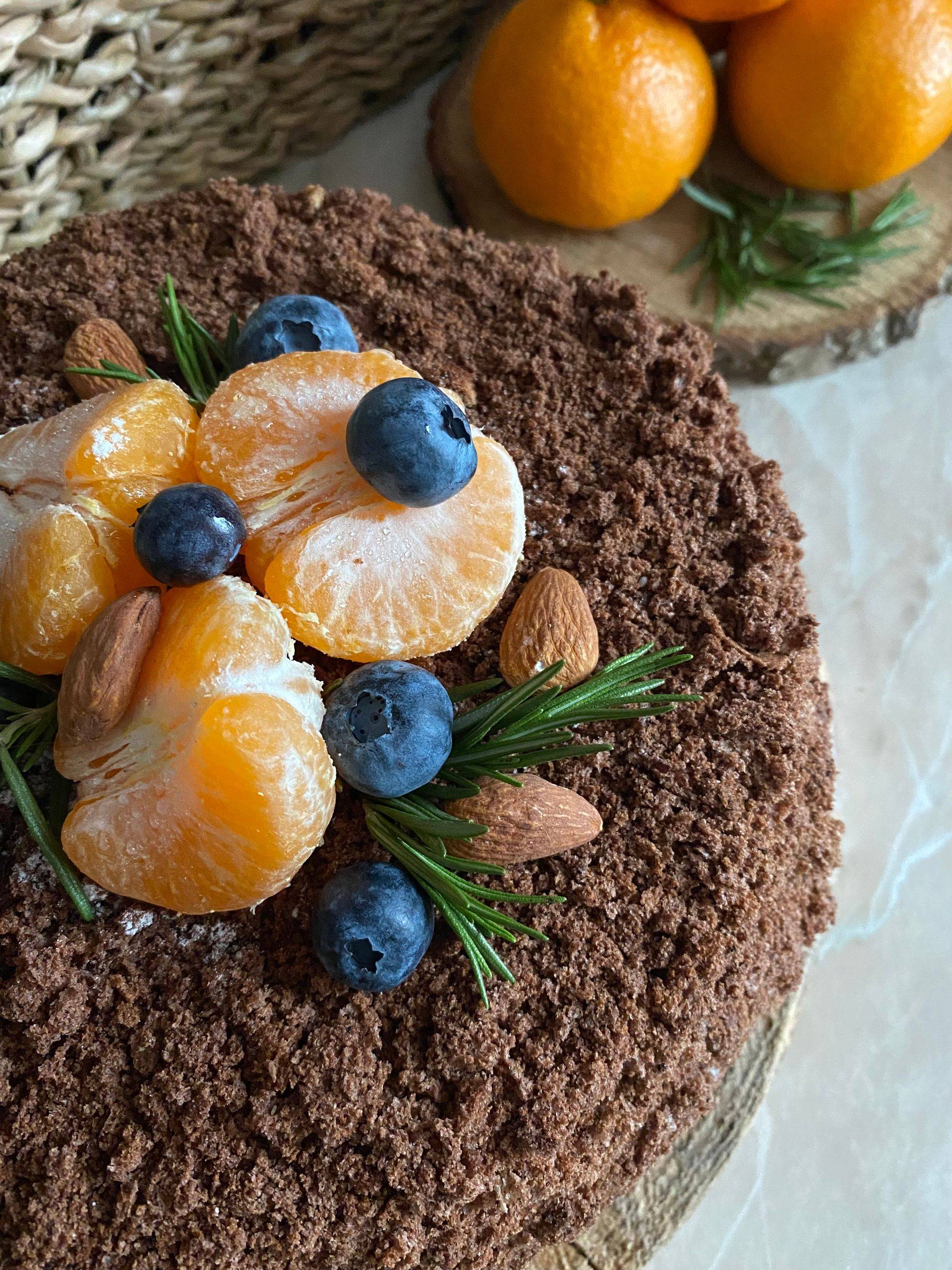
تارت عنب الثعلب ببشر الليمون من شيف ميدو "الشرق الأوسط"
قد تكفي قطرات قليلة من عصير الليمون، أو قدر من بشر البرتقال، أو شرائح من اليوسفي المحمص لتغيير ملامح ومذاق طبق كامل.
فالحمضيات تأتي إلى المطبخ لتعيد ترتيب النكهات، وتمنح الأطباق قدراً من الانتعاش والتوازن المطلوبين في كل المواسم.
فليست الحمضيات مجرد إضافة جانبية إلى الطعام، لكنها تمنحه أيضاً، حسب خبراء الطهي، توازناً بين الحلاوة والملوحة والحموضة، فضلاً عن رائحة أكثر حضوراً.
الحمضيات ذات القشرة الرقيقة تحقق أفضل النتائج عند التحميص
ومع تنوع أصنافها من الليمون والليمون الأخضر والبرتقال والجريب فروت إلى الأنواع الأقل شيوعاً في المطبخ المصري مثل اليوزو والكمكوات، أصبحت الحمضيات مكوناً مرناً يمكن أن ينتقل بسهولة بين الأطباق الرئيسية والسلطات والمخبوزات والحلويات.
وهي، حسب الشيف المصري سيد إمام، من أكثر المكونات قدرة على إضفاء الحيوية على الطعام. يقول لـ«الشرق الأوسط» إن «الحمضيات متعددة الاستخدامات، وتضفي نكهة مميزة على أي طبق؛ فهذا المكون ذو المذاق اللاذع والحلو في الوقت نفسه يصلح للأطباق الجانبية والرئيسية والحلويات».
ويرى أن الحموضة واحدة من الأدوات الأساسية التي يمكن للطاهي الاعتماد عليها لضبط مذاق الطبق، موضحاً: «إضافة الحموضة إلى طعامك، سواء بالليمون أو الليمون الأخضر أو الجريب فروت أو البرتقال أو أي نوع آخر من الحمضيات، هي طريقك لإضفاء الحيوية على أي طبق».
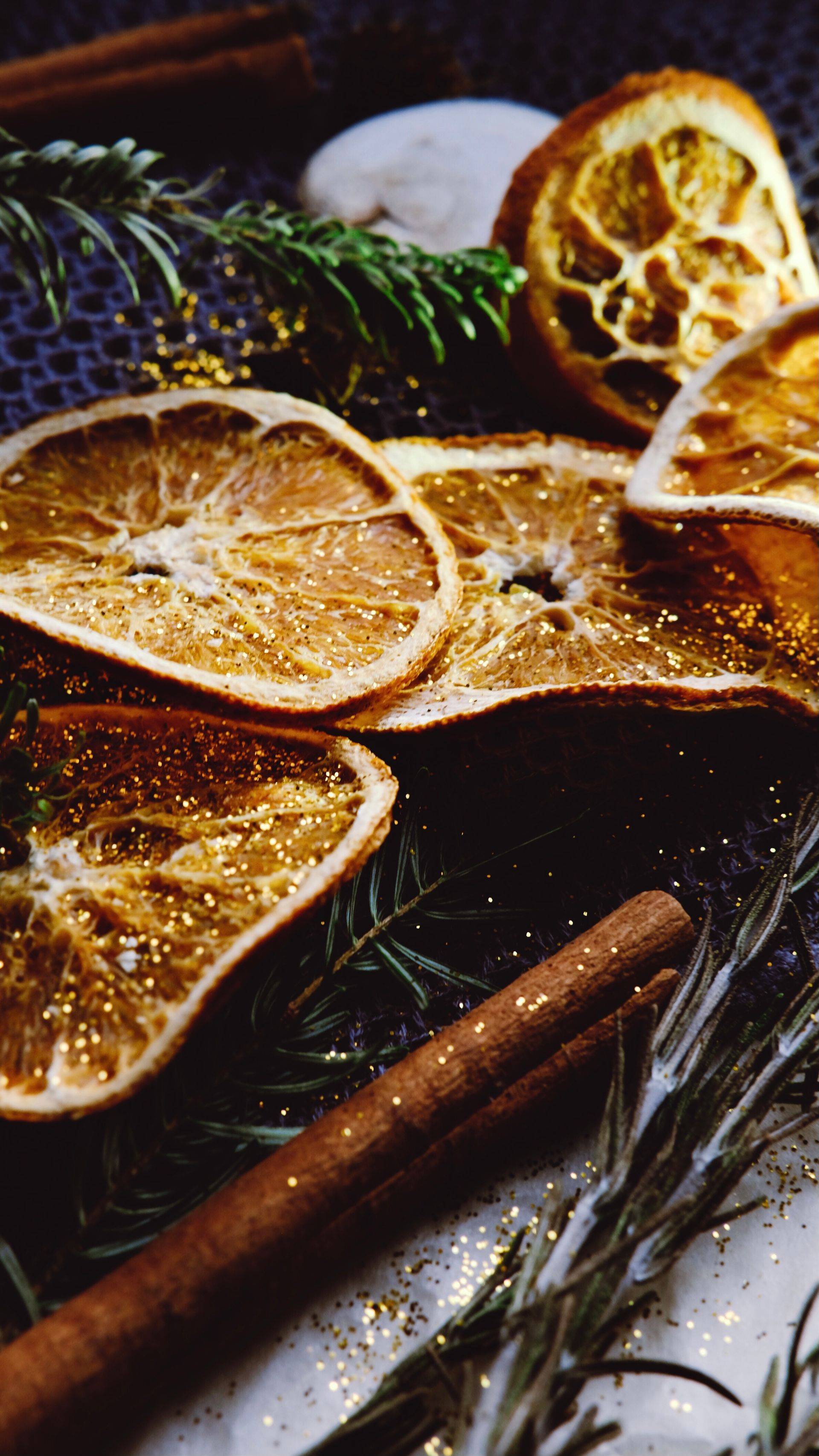
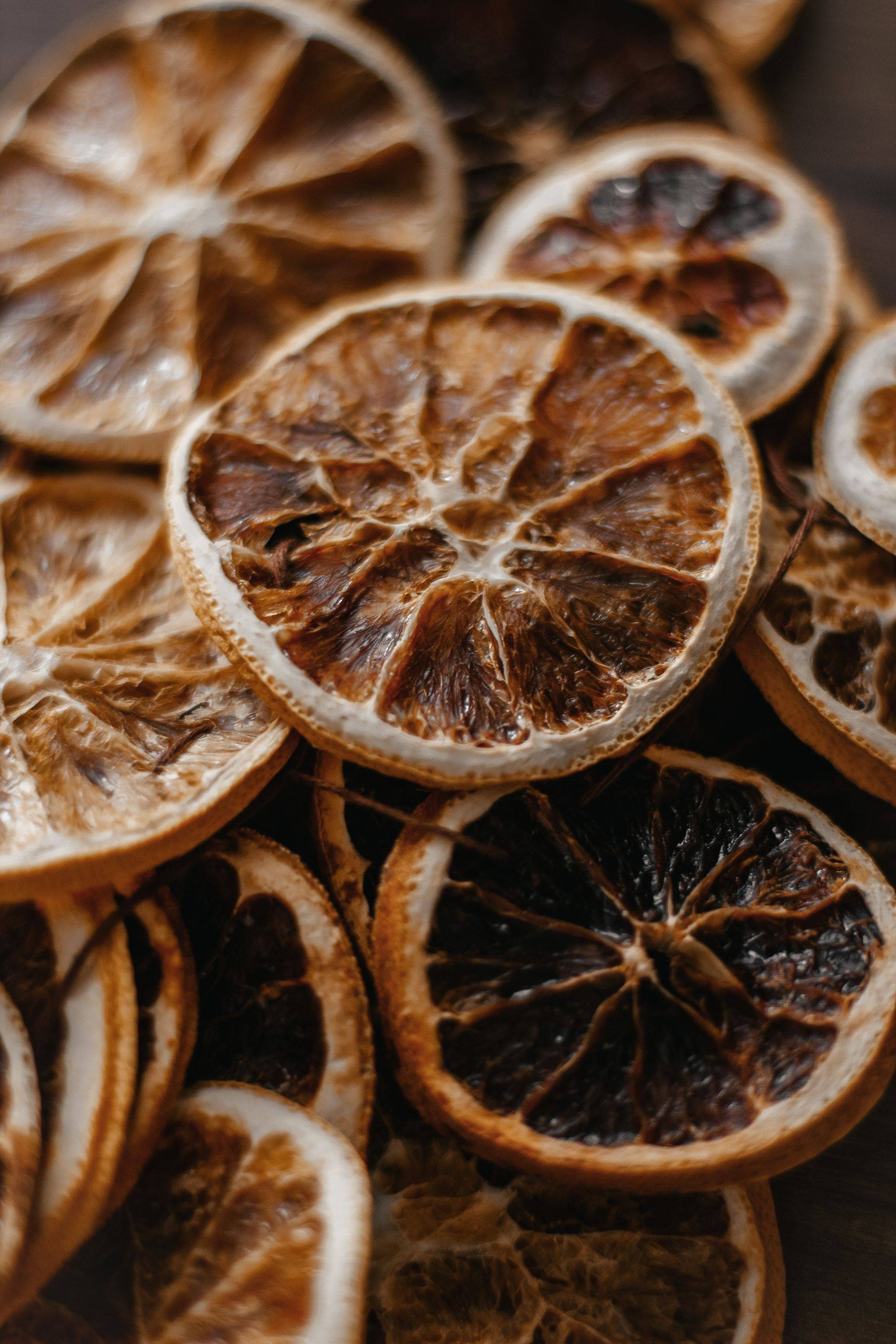
تحميص الحمضيات يضفي نكهة كراميلية رائعة
وتأتي الحمضيات في هذا السياق بوصفها بديلاً لطيفاً للخل في كثير من الصلصات والتتبيلات؛ فعصير الليمون، على سبيل المثال، يمكن أن يحل محل جزء من الخل في تتبيلة السلطة، فيمنحها حموضة أكثر انتعاشاً، في حين أن عصير الحمضيات يساعد في إبراز النكهات الأخرى بدلاً من طغيانها عليها.
ويضيف إمام أن «رشة من الحمضيات تجعل تتبيلات السلطة أكثر انتعاشاً، والأسماك أكثر طراوة، والمخبوزات أخف، مع نكهة لاذعة لذيذة توازن أي شيء حلو أو مالح».
ومن هنا يمكن استخدام الحمضيات بطرق تتجاوز عصر الثمرة؛ فالقشر نفسه يحمل زيوتاً عطرية مركزة، ويستطيع بشر القليل منه فوق طبق جاهز أن يضيف طبقة من الرائحة والنكهة من دون زيادة واضحة في الحموضة.
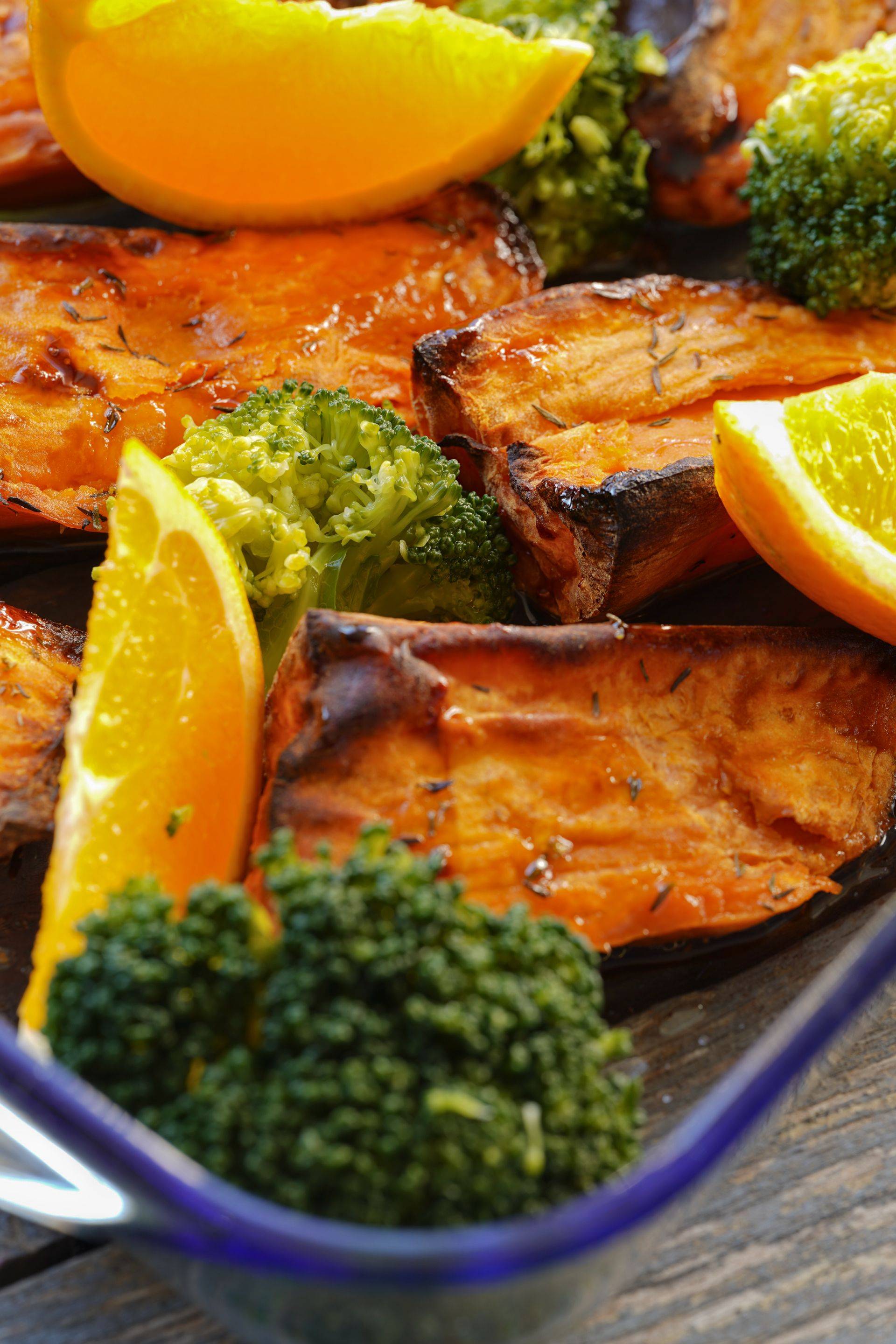
اختيار مثالي مع الخضروات
ويمكن استخدام بشر الليمون أو الليمون الأخضر أو البرتقال مع السلطات، والصلصات، وعجائن المعجنات والحلويات، خصوصاً عندما تكون الوصفة شديدة الحلاوة وتحتاج إلى ما يكسر حدتها.
وفي المطبخ الآسيوي، حسب الشيف المصري، تظهر الحمضيات في صور أكثر تنوعاً، ومن بينها «يوزو كوشو»، وهو معجون ياباني تقليدي يجمع اليوزو والفلفل الحار والملح، ويخضع لتخمير غذائي، مشيراً إلى أن اليوزو هو أحد أنواع الحمضيات اليابانية ذات الرائحة القوية والنكهة العطرية الحامضة، التي تجمع في مذاقها ملامح من الليمون واليوسفي والجريب فروت، ويستخدم في الصلصات والتتبيلات والحلويات، كما يمنح الأطباق لمسة حمضية مختلفة عن الليمون التقليدي.
ويقترح إمام كذلك سلطة الحمضيات بوصفها طريقة بسيطة لإظهار الفاكهة في صورتها الطبيعية، من خلال الجمع بين شرائح متنوعة من الحمضيات والفول السوداني والبصل الأحمر وخيوط الزعفران وخلاصة اللوز وزيت الزيتون.
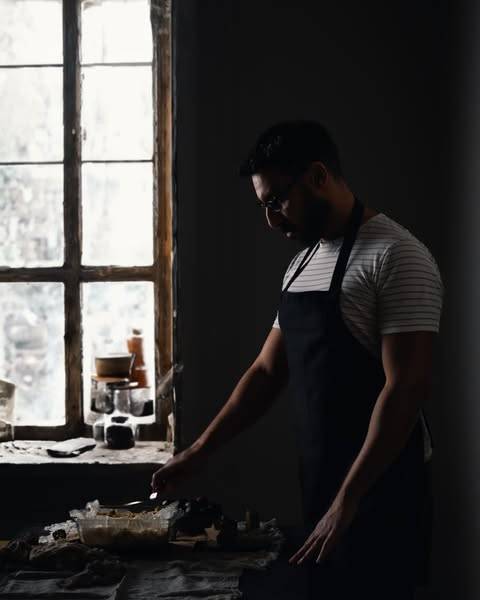
الشيف ميدو (الشرق الأوسط)
وفي مثل هذه التركيبات تصبح الحموضة نقطة التقاء بين مكونات متباينة في الطعم والقوام، ولا تتوقف استخدامات القشر عند البشر أو التزيين؛ إذ يمكن تحويله إلى عنصر أساسي في بعض الصلصات.
ومن الأفكار التي يطرحها إمام معجون يجمع قشر الحمضيات وعصيرها مع الثوم المفروم وزيت الزيتون والتوابل والفلفل الحار، ليصبح خليطاً مركزاً يمكن استخدامه مع اللحوم أو الدجاج أو الخضراوات.
أما في الأطباق النباتية والسلطات، فتفتح الحمضيات مجالاً واسعاً للجمع بين النكهات، ومن بين الأفكار التي يمكن إعدادها حمص محمص بالسمسم والبرتقال والزنجبيل، أو سلطة من الأفوكادو والفراولة والبرتقال مع صلصة حمضية ببذور الخشخاش.
ويتابع: «يحتل البرتقال مكانة خاصة في تتبيل اللحوم؛ فعلى خلاف الاعتقاد الشائع بأن الليمون وحده هو الأنسب لهذه المهمة، يمكن لعصير البرتقال أن يؤدي دوراً مهماً في التتبيل».
قد تغير ملامح ومذاق طبق كامل
ويعزو الشيف ذلك إلى أن البرتقال يمنح اللحم حموضة خفيفة، ويساعد على جعله أكثر طراوة وعصارة، خصوصاً عندما يتكامل مع التوابل والزيوت والأعشاب.
أما الليمون فيظل واحداً من أكثر الحمضيات حضوراً في المطبخ اليومي، ويمكن استخدام شرائح رقيقة منه مع الأسماك البيضاء مثل القاروص أثناء الطهي، ثم إضافة القليل من العصير الطازج بعد نضج السمك للحفاظ على نكهته وانتعاشه.
كما يدخل عصيره في صلصات الخل، فيما يمكن استخدام بشره في عجائن المعجنات والحلويات لتخفيف الإحساس بالحلاوة وإضافة رائحة حمضية واضحة.
ويؤكد إمام أن توقيت إضافة الليمون مهم أيضاً؛ فإضافته إلى بعض الأطعمة في وقت مبكر جداً قد يؤثر على لونها أو يمنحها مرارة خفيفة مع طول فترة تعرضها للحموضة.
لذلك يكون من الأفضل في كثير من الوصفات إضافة العصير في المراحل الأخيرة، أو بعد اكتمال الطهي، بحسب طبيعة الطبق.
ولا يتوقف التعامل مع الحمضيات عند استخدامها طازجة؛ فالنار نفسها يمكن أن تكشف عن وجه آخر لنكهتها، وهنا يقترح الشيف المصري أحمد نبيل تحميصها.
ويقول لـ«الشرق الأوسط» إن «تعريض شرائح اليوسفي أو البرتقال أو الليمون لحرارة مرتفعة يركز العصارة ويمنح اللب مذاقاً أقرب إلى المربى، بينما تضيف القشرة قدراً من المرارة المحببة؛ لتتشكل في النهاية نكهة تجمع بين الحلاوة والحموضة والعمق».
ويرى نبيل أن «تحميص الحمضيات يضفي نكهة كراميلية رائعة، مع عمق من الحلاوة والحموضة المحمصة»، مشيراً إلى أن الحرارة العالية تجعل الشرائح أكثر تركيزاً، وتمنحها قواماً غنياً يمكن أن يضيف شخصية واضحة إلى الطبق، منوهاً بأن الحمضيات ذات القشرة الرقيقة تحقق أفضل النتائج عند التحميص؛ ولذلك يأتي اليوسفي في مقدمة الخيارات المناسبة.
ويمكن استخدام الشرائح المحمصة فوق السلطات، ومنها سلطة سيزر، أو مع أطباق أخرى تحتاج إلى نكهة مركزة ولمسة حلوة وحامضة في الوقت نفسه، كما يمكن إدخالها في حشوات التاكو مع الفطر؛ لتمنح الطبق تبايناً بين النكهات والقوام.
وتمتلك الحمضيات حضوراً واسعاً في المخبوزات والحلويات كذلك؛ فمن تارت الليمون والتوت الأزرق إلى كعك الليمون وبذور الخشخاش، وكيك الكوسا بالبرتقال وكريمة البرتقال، وصولاً إلى لفائف الشوكولاته والبرتقال، تتحول الحموضة إلى وسيلة لكسر كثافة المكونات الحلوة وإضفاء خفة عليها وفق قول نبيل.
ويتابع: «ويمكن أن تدخل الحمضيات كذلك في خبز الإفطار، مثل توست الريكوتا والليمون والعسل مع التين والفستق؛ حيث يضيف الليمون نغمة عطرية توازن حلاوة العسل وغنى الريكوتا».
ويكمل: «كما يمكن الجمع بين الليمون والتوت الأزرق في الفطائر والخبز، وهي تركيبات تسمح للحموضة والفاكهة بأن تعملا معاً بدل أن تطغى إحداهما على الأخرى».
وتأتي تجربة الشيف ميدو الذي يقدم جانباً منها عبر حسابه على «إنستغرام» لتضيف بعداً بصرياً إلى استخدام هذه الحمضيات؛ فهو يتعامل معها بوصفها جزءاً من بناء الطبق مذاقاً وشكلاً، ويربط ألوانها بأجواء الصيف والبحر، خصوصاً درجات الفيروزي والأزرق المخضر.
ومن أبرز تجاربه موس الشوكولاته بالبرتقال؛ حيث يجد في الجمع بينهما انسجاماً خاصاً، رغم أنه لم يكن من محبي مزج الشوكولاتة بالفواكه الحامضة.
ويضيف ميدو إلى الموس مربى الكمكوات، فتمنحه الثمرة الصغيرة نكهة حمضية مركزة تتكامل مع غنى الشوكولاته وعطر البرتقال.
ويقول ميدو لـ«الشرق الأوسط»: «من أكثر التجارب الناجحة التي خضتها مع الحمضيات، استخدام زيت الزيتون المنكه بالبرتقال».
وينتهي ميدو إلى أن نكهة الليمون تظهر بوضوح في الكب كيك المحشوة بكريمة الليمون، لتؤكد أن الحموضة يمكن أن تمنح الحلويات خفة وانتعاشاً من دون أن تطغى على مكوناتها.