
Israel Demands Compensation over US F-35 Sale to UAE

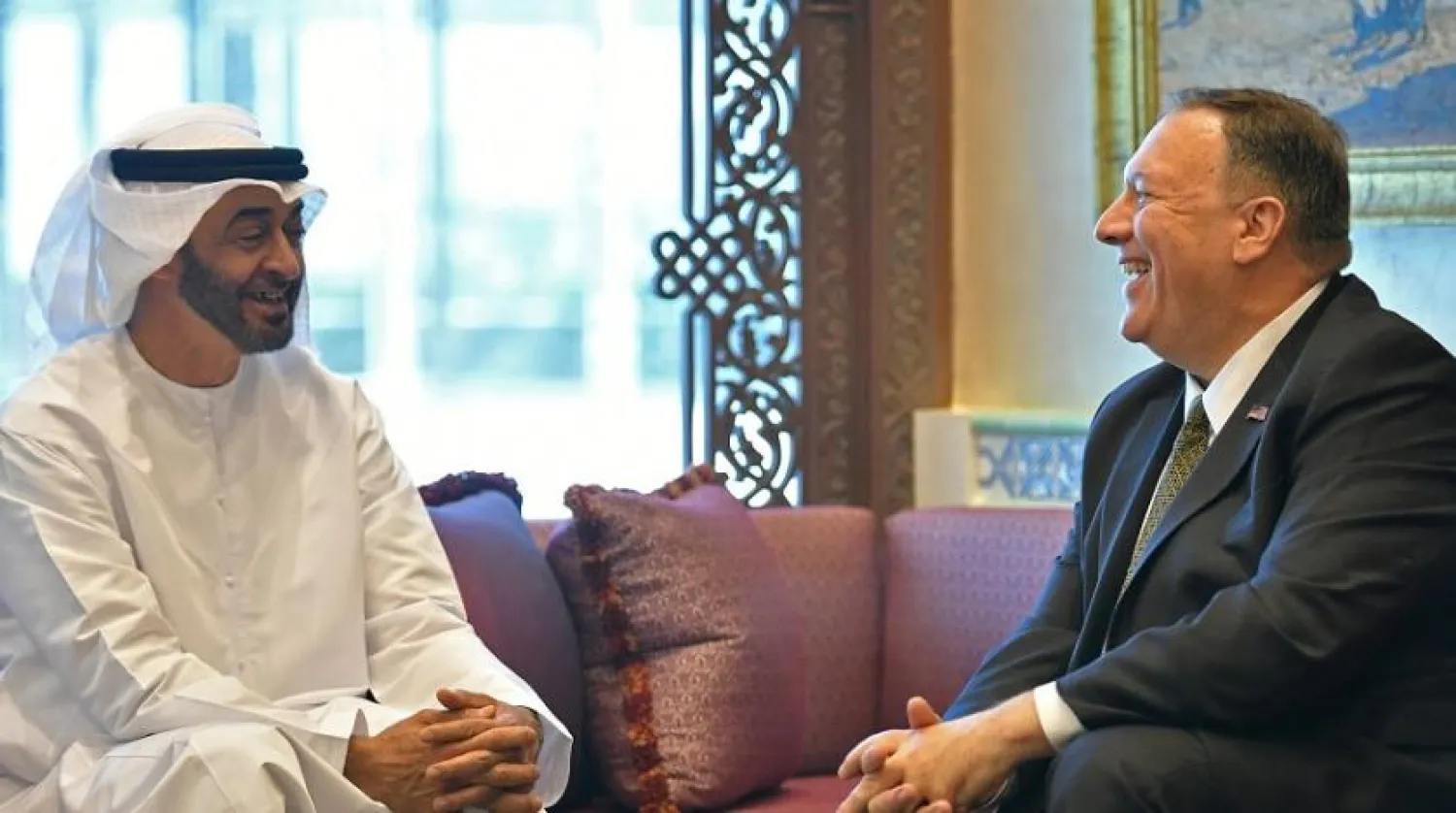
Abu Dhabi Crown Prince Sheikh Mohammed bin Zayed al-Nayhan meets with US Secretary of State Mike Pompeo in Abu Dhabi, UAE (Reuters)
TT

Israel Demands Compensation over US F-35 Sale to UAE

Abu Dhabi Crown Prince Sheikh Mohammed bin Zayed al-Nayhan meets with US Secretary of State Mike Pompeo in Abu Dhabi, UAE (Reuters)

The Israeli government withdrew its objection to the US sale of advanced F-35 jets to the UAE, after severe threats from Abu Dhabi warning to disrupt the negotiations on the peace deal with Israel, according to political sources in Tel Aviv. Instead, the Israeli government is now demanding an “adequate compensation package” from Washington.

The Israeli army is asking Washington to move up the date of supply of advanced weapons systems by a year.

The sources said that Abu Dhabi sent an angry message to Washington, warning that it can no longer tolerate the Israeli statements issued by Prime Minister Benjamin Netanyahu and Intelligence Minister Eli Cohen, among others, in which they claim that Israel did not give its consent to the arms deals.

Abu Dhabi indicated that the issuance of false statements undermines the spirit of the peace process that began between the two countries and disrupts its progress, which Tel Aviv understood as a threat to end negotiations and the plan to sign the peace treaty next week.

This could also affect the intention of other Arab and Islamic countries to establish relations with Israel.

Ynet newspaper reported that the Israeli army had resigned to the fact the arms deal between the US and UAE is an unchangeable matter.

Tel Aviv’s proposal to accelerate the US deal stems from the coronavirus crisis and the subsequent economic fallout, due to which Israel is now struggling to develop and manufacture defense systems domestically.

The newspaper revealed that President Donald Trump's administration is seeking to persuade the Congress to approve the sale of advanced weapons to the UAE, as a reward for the peace treaty with Israel.

A White House official said that canceling the deal with the UAE would cause a loss of $1.5 billion for US arms companies in the coming year alone.

Other sources in the Israeli government indicated that Trump and his aides are providing continuous political, militarily and economic support, and expect an appropriate Israeli response.

They also discussed the efforts made by the president's senior adviser and son-in-law, Jared Kushner, and Secretary of State Mike Pompeo, to include other Arab and Islamic countries in the peace deal with Israel.

Notably, all the countries that have diplomatic relations with Israel will establish their embassies in Tel Aviv, because they abide by the UN resolution and do not recognize Jerusalem as its capital.

Trump broke this rule when he transferred part of the US embassy to West Jerusalem, including the ambassador's office, and tried to include other countries in this move.

Guatemala moved its entire embassy to Jerusalem, while some countries opened commercial or cultural missions in the city, such as Brazil, Australia, Hungary and Honduras.

On Friday, Serbia and Kosovo announced their intention to move their embassies to Jerusalem.


Saudi Defenses Down Ballistic Missiles, Drones in Eastern Region

The Defense Ministry underscored the readiness of its forces and abilities to protect the Kingdom’s skies and handle various threats. (Saudi Defense Ministry)
TT

Saudi Defenses Down Ballistic Missiles, Drones in Eastern Region

The Defense Ministry underscored the readiness of its forces and abilities to protect the Kingdom’s skies and handle various threats. (Saudi Defense Ministry)

Saudi defenses downed on Monday several hostile drones and ballistic missiles fired at the Eastern Region.

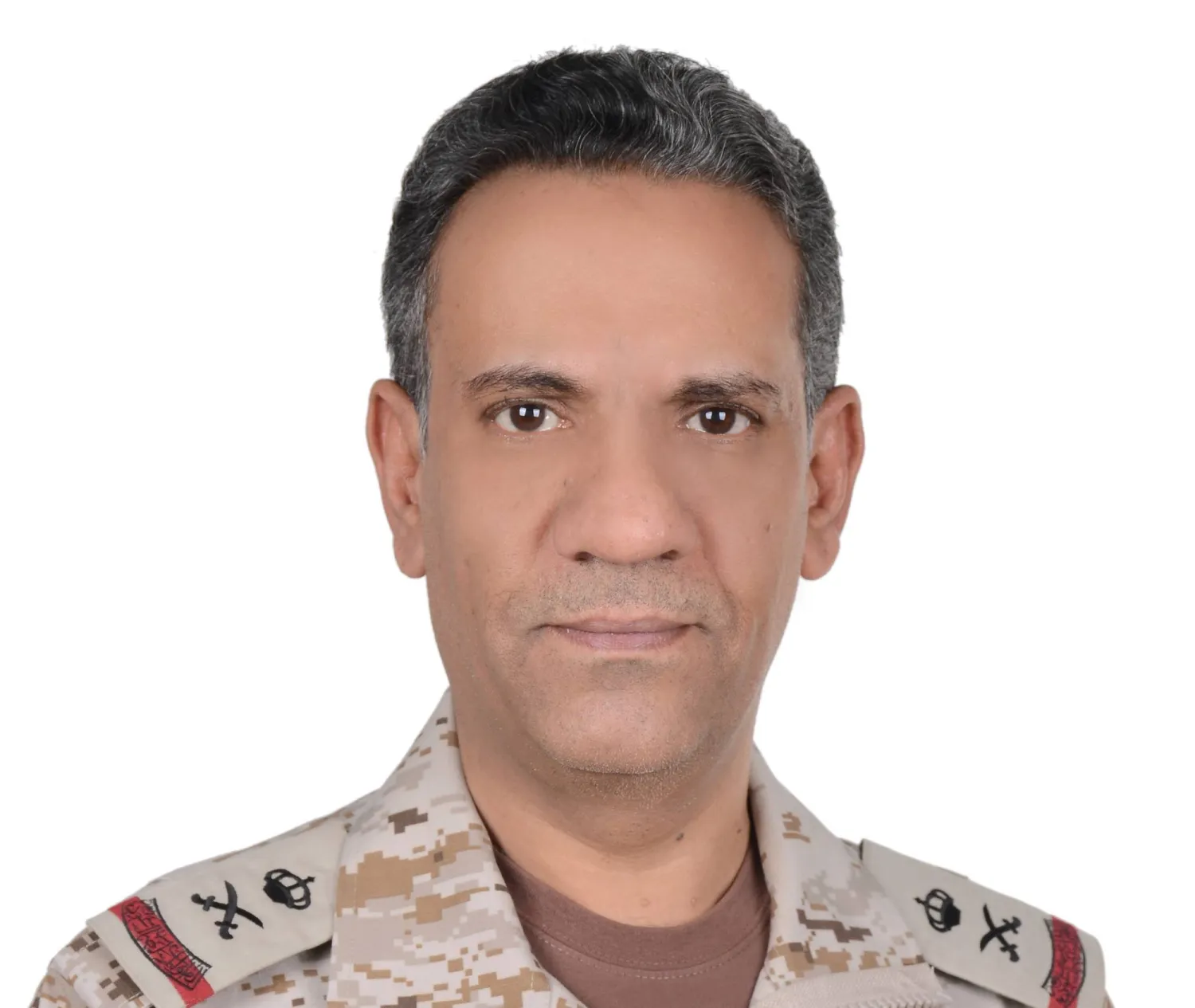
Defense Ministry spokesman Turki al-Malki said five ballistic missiles and a cruise missile were destroyed in the Eastern Region.

Seven drones were also shot down as part of the Kingdom’s ongoing efforts to confront aerial threats.

The Defense Ministry underscored the readiness of its forces and abilities to protect the Kingdom’s skies and handle various threats.

It stressed that it was continuing to take the necessary measures to protect the Kingdom’s security and safety.

Meanwhile, Minister of Defense Prince Khalid bin Salman bin Abdulaziz received in Riyadh on Monday British Secretary of State for Defense John Healey for talks on the strategic defense partnership between their countries and opportunities for its further development.

They discussed regional developments and their repercussions for the security and stability of both the region and the world, condemning the ongoing Iranian attacks against the Kingdom.


Saudi, British Defense Ministers Discuss Regional Developments

Saudi Minister of Defense Prince Khalid bin Salman bin Abdulaziz and British Secretary of State for Defense John Healey meet in Riyadh on Monday. (SPA)
TT

Saudi, British Defense Ministers Discuss Regional Developments

Saudi Minister of Defense Prince Khalid bin Salman bin Abdulaziz and British Secretary of State for Defense John Healey meet in Riyadh on Monday. (SPA)

Saudi Minister of Defense Prince Khalid bin Salman bin Abdulaziz received in Riyadh on Monday British Secretary of State for Defense John Healey for talks on the strategic defense partnership between their countries and opportunities for its further development.

They discussed regional developments and their repercussions for the security and stability of both the region and the world.

They also condemned the ongoing Iranian attacks against the Kingdom.


Arab Parliament, Arab League Condemn Iranian Attacks on Power, Water Desalination Facilities in Kuwait

Arab Parliament, Arab League Condemn Iranian Attacks on Power, Water Desalination Facilities in Kuwait
TT

Arab Parliament, Arab League Condemn Iranian Attacks on Power, Water Desalination Facilities in Kuwait

Arab Parliament, Arab League Condemn Iranian Attacks on Power, Water Desalination Facilities in Kuwait

Secretary-General of the Arab League Ahmed Aboul Gheit strongly condemned the Iranian attacks targeting power stations and water desalination plants in Kuwait.

In a statement issued on Monday, Aboul Gheit reiterated that any Iranian military attack on any Arab country, regardless of its form or scale, is rejected and condemned.

He stressed that targeting vital civilian facilities—such as water networks, energy and electricity facilities, transport centers, and residential areas—and intimidating civilians constitute a violation of legal principles and a war crime under international humanitarian law, for which the Iranian regime bears full responsibility, including compensation for damages.

He also reiterated the need for Iran to comply immediately with United Nations Security Council Resolution 2817 in full and to halt its attacks on Arab countries.

Also, Arab Parliament Speaker Mohammed Al-Yamahi strongly condemned the Iranian missile and drone attack on a military camp in Kuwait, which resulted in injuries to 10 members of the armed forces.

He also condemned other attacks targeting power and desalination plants.

In a statement issued today, Al-Yamahi asserted that Iran’s continued hostile actions toward Arab states constitute a blatant violation of international humanitarian law and the principles of the UN Charter, driving the region toward further chaos, insecurity, and instability.

The speaker called on the international community to adopt a firm and deterrent stance to halt these Iranian violations against Arab states.

He reaffirmed the Arab Parliament’s solidarity with Kuwait and all Arab states subjected to such attacks, pledging support for all measures they take to protect their security, stability, and sovereignty.