IRGC General Renews Threats to Israel

Second Brigadier General Ramazan Sharif
TT

IRGC General Renews Threats to Israel

Second Brigadier General Ramazan Sharif

The recent assassination of Iran's top nuclear scientist was carried out remotely with the help of satellite guidance, artificial intelligence, and facial recognition, according to Iranian military officials cited by Iranian media on Sunday.

Mohsen Fakhrizadeh, believed to be the mastermind of Iran's controversial nuclear program, was traveling by car east of Tehran when he was shot dead on the afternoon of Friday, November 27. There are conflicting reports on how the attack unfolded, but most Iranian accounts agree that it was a sophisticated attack with gunfire and an explosion.

The killing deployed an "advanced electronic tool" guided by a "satellite device," according to Second Brigadier General Ramazan Sharif, spokesman for the Islamic Revolutionary Guard Corps (IRGC), as reported by Iran's semi-official Iranian Students News Agency (ISNA).

In response to the assassination, Sharif said: “The Zionists know very well that their actions will not go unanswered.

"In the past years it has been proved that their actions will not go unanswered.”

The Zionist Regime does all its efforts to prevent the Islamic Word from attaining scientific achievements, he said, adding: “Today, however, under the light of the Islamic Revolution, Iran has achieved independence in all fields of politics, science, the economy as well as military and defense issues.”
Iran Reportedly Fortifies Nuclear Sites, Rallies its People for Return to Combat

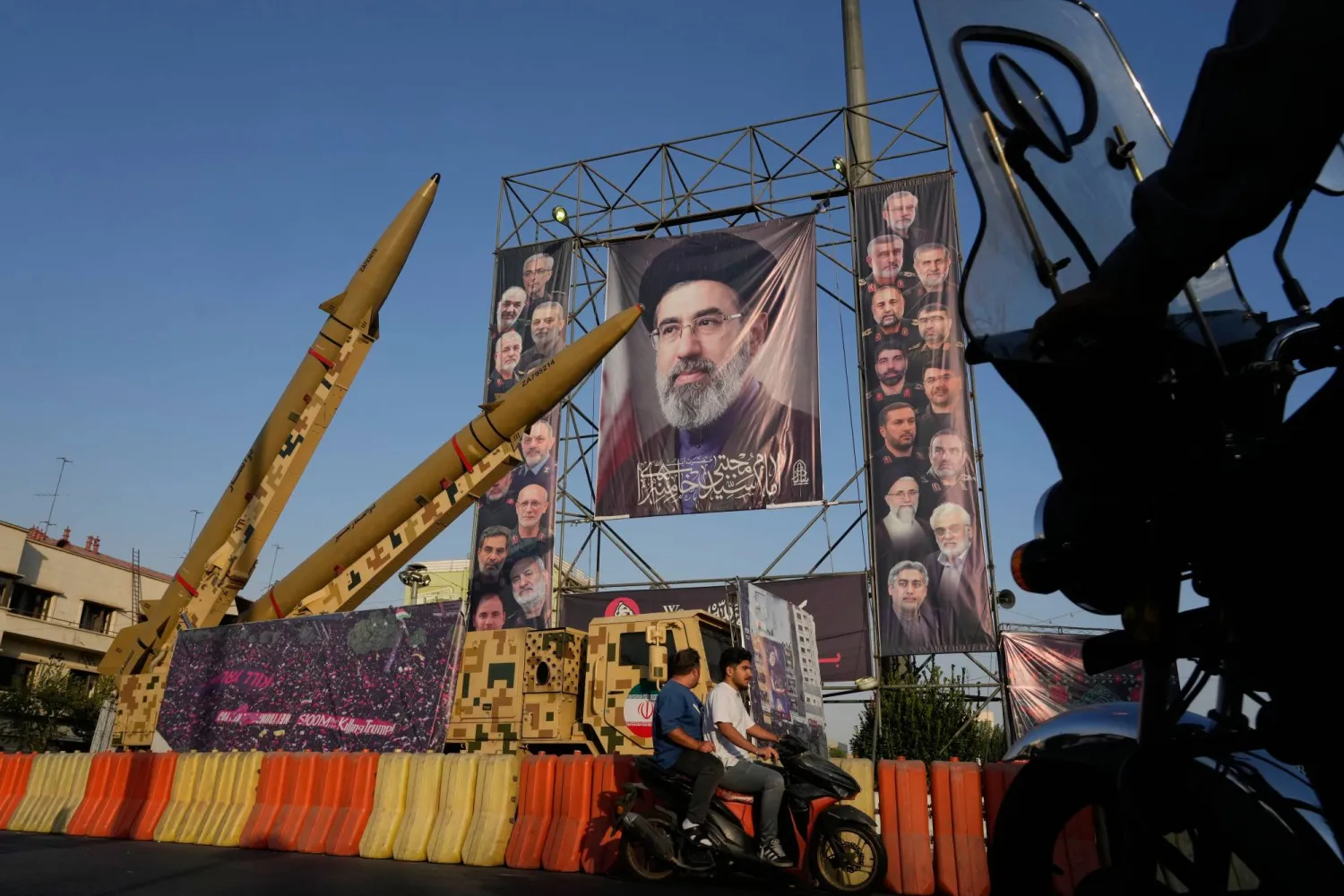
Motorbikes drive past Iranian missiles and banners showing portraits of the Iranian Supreme Leader, Mojtaba Khamenei, center, and the late armed forces commanders and nuclear scientists, who were killed in Israeli and US strikes, displayed in a military exhibition commemorating the anniversary of the start of the 1980-88 Iraq-Iran war at Baharestan Square, in Tehran, Monday, Sept. 28, 2026. (AP Photo/Vahid Salemi)
TT

Iran Reportedly Fortifies Nuclear Sites, Rallies its People for Return to Combat

Motorbikes drive past Iranian missiles and banners showing portraits of the Iranian Supreme Leader, Mojtaba Khamenei, center, and the late armed forces commanders and nuclear scientists, who were killed in Israeli and US strikes, displayed in a military exhibition commemorating the anniversary of the start of the 1980-88 Iraq-Iran war at Baharestan Square, in Tehran, Monday, Sept. 28, 2026. (AP Photo/Vahid Salemi)

Iran is fortifying its defenses as it prepares for potential American attacks after the midterms and seeks to deter them, The Wall Street Journal reported.

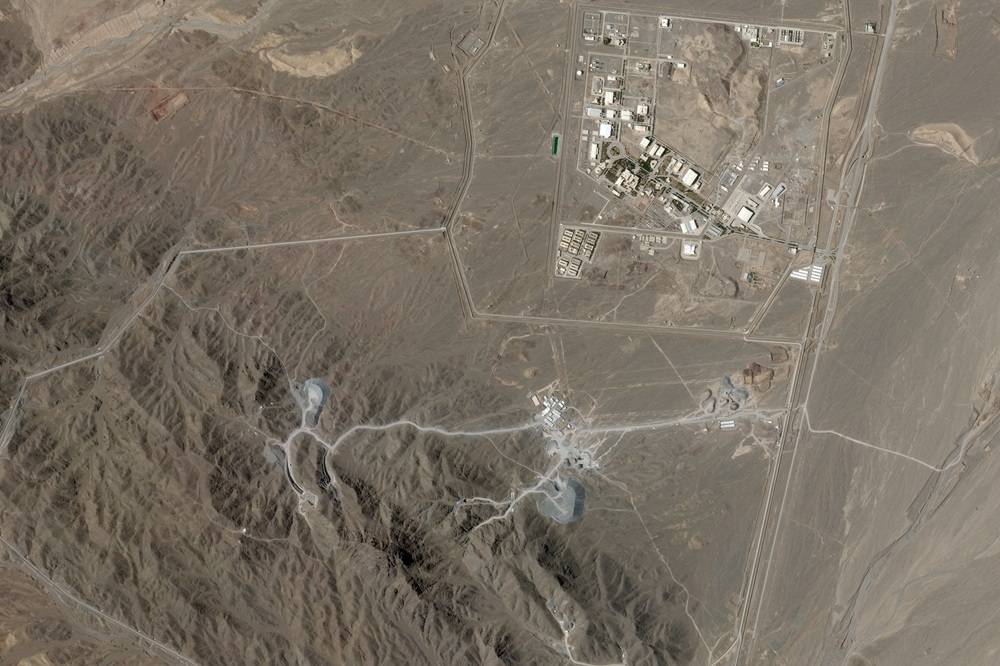
Satellite images show Iran is strengthening sensitive locations, including nuclear sites and border areas, to make them more resilient to attacks, the newspaper said.

This June 15, 2026, photo from Planet Labs PBC shows Iran's Natanz nuclear enrichment facility, upper right, and the under-construction at Pickaxe Mountain directly to the south of it. (Planet Labs PBC via AP)

Last month, it built passive defense measures such as makeshift dirt mounds around its Pickaxe Mountain and Natanz nuclear sites to impede any attempted raid by ground forces, according to Vantor satellite images analyzed by the Institute for Science and International Security, a Washington, D.C.-based nonprofit.

Iranian officials are touting their efforts. The country’s airports, seaports and power plants “have prepared for wartime conditions,” installing shelters and backup supplies to continue operating in a crisis, Brig. Gen. Gholamreza Jalali, the official in charge of the country’s contingency plans, told reporters at the end of September.

While US President Donald Trump last week ruled out an attack before the Nov. 3 midterm elections, he has publicly mulled hitting the Pickaxe Mountain nuclear site, and US officials have said that the military is preparing a range of options for new strikes.

Iran’s government is also preparing Iranians for renewed war, sending paramilitary forces to read war stories to kindergartners, advertising training in firing shoulder-mounted antiaircraft missiles and holding rallies.

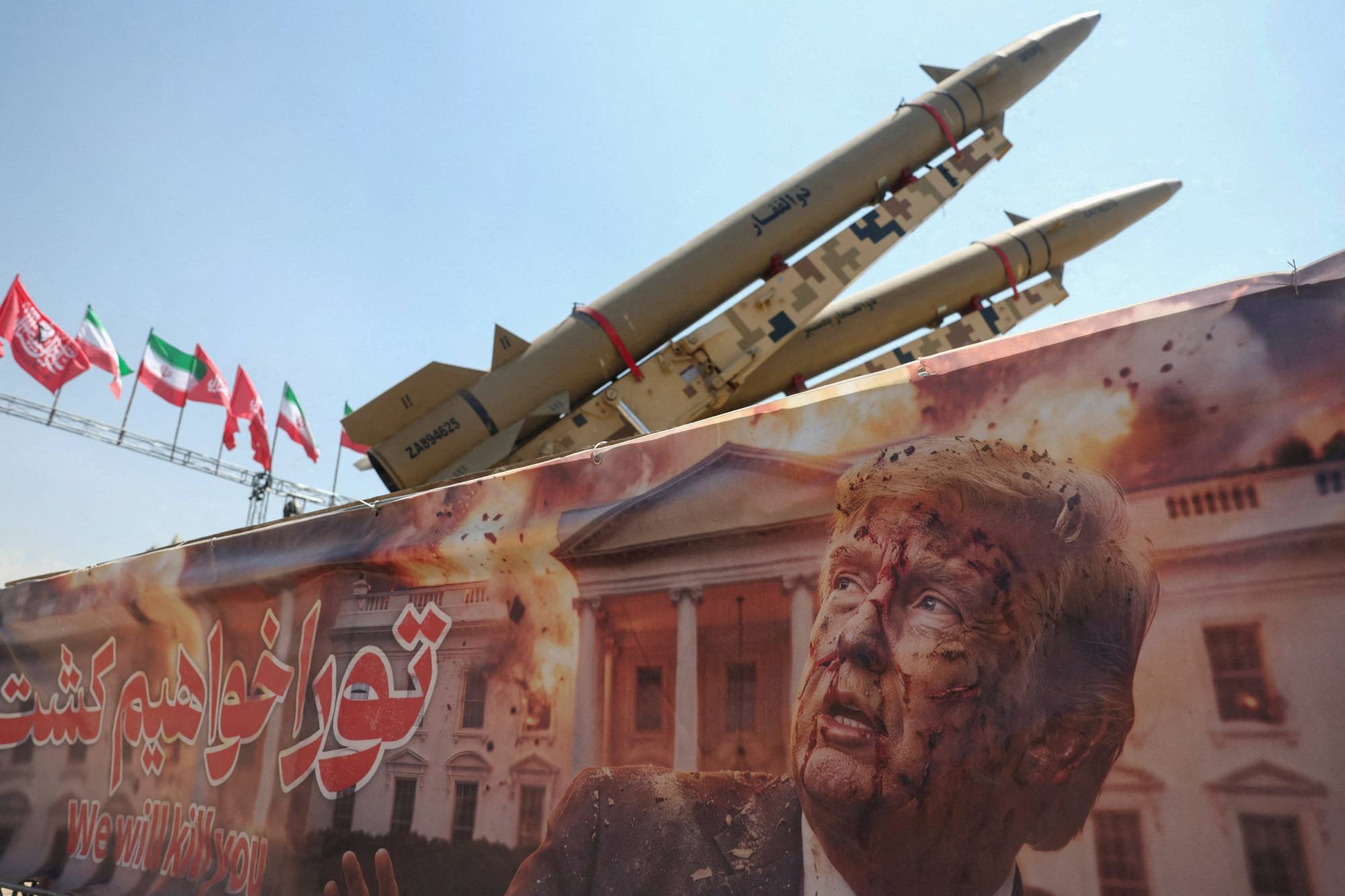
A banner with a picture of US President Donald Trump next to an Iranian missile system at Azadi Square in Tehran, Iran, July 30, 2026. Majid Asgaripour/WANA (West Asia News Agency) via REUTERS

Billboards in Tehran now advertise civilian training courses in the use of shoulder-fired antiaircraft missiles and sniper rifles.

Last month, the Revolutionary Guard boasted that it had trained its first female commando units in guerrilla tactics, firearms use and drone piloting, according to footage posted by the Fatehin, an elite unit of Iran’s Basij volunteer defense forces.


Australia Will Do 'Anything We Can' to Stop US Execution Being Shown Online, Says PM

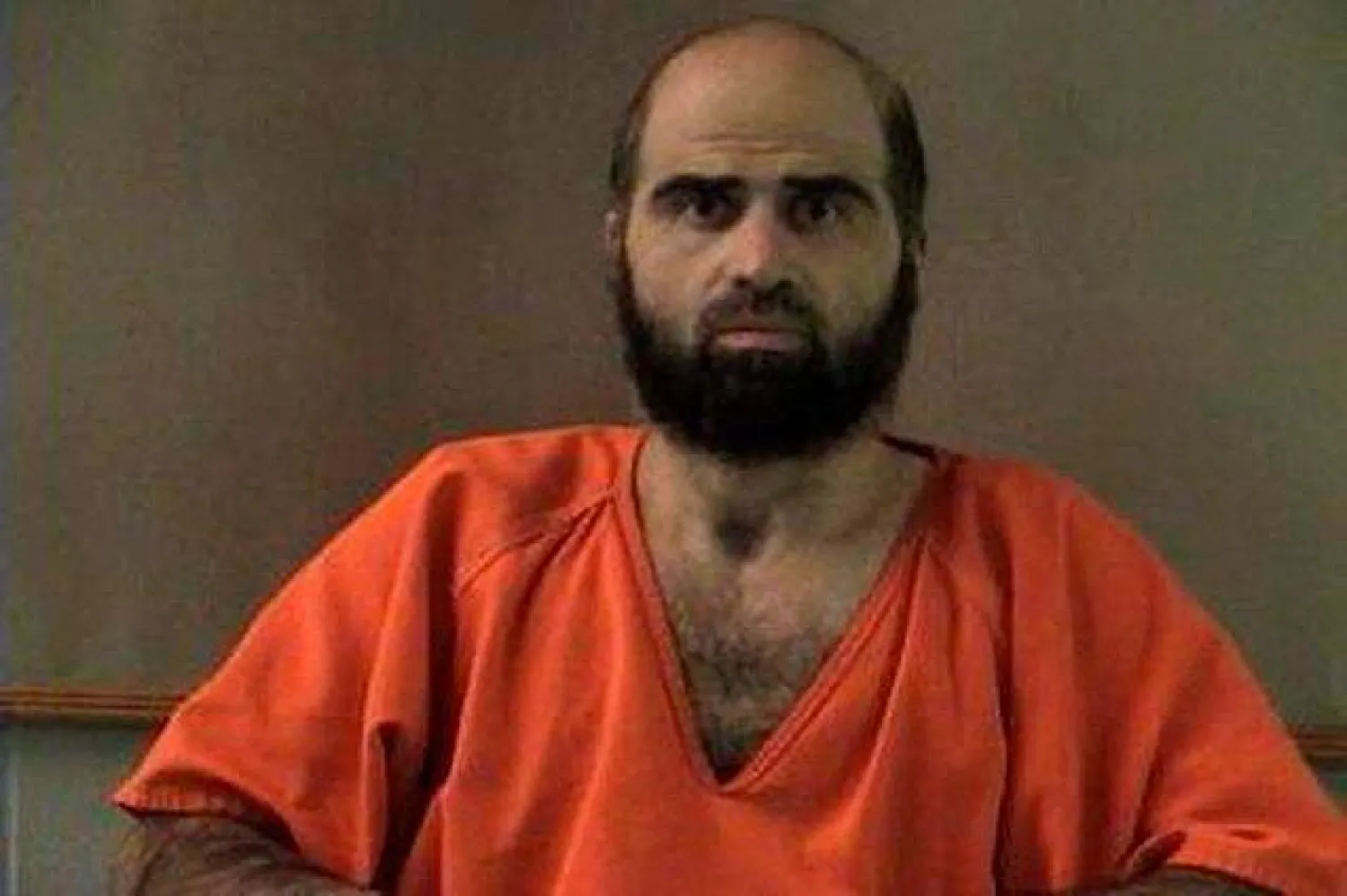
FILE PHOTO: Nidal Hasan, charged with killing 13 people and wounding 31 in a November 2009 shooting spree at Fort Hood, is pictured in an undated handout photo obtained by Reuters on June 29, 2012. REUTERS/Bell County Sheriff's Office/Handout/File Photo
TT

Australia Will Do 'Anything We Can' to Stop US Execution Being Shown Online, Says PM

FILE PHOTO: Nidal Hasan, charged with killing 13 people and wounding 31 in a November 2009 shooting spree at Fort Hood, is pictured in an undated handout photo obtained by Reuters on June 29, 2012. REUTERS/Bell County Sheriff's Office/Handout/File Photo

Australia will do whatever it can to stop the "completely abhorrent" livestreaming of the execution of a US prisoner from being available to view in the country, Prime Minister Anthony Albanese said on Tuesday.

Nidal Hasan's execution -- scheduled for December 3 at Fort Hood, Texas, where he gunned down 13 people in 2009 -- is set to be the first by a US military firing squad since 1945.

A Pentagon official told AFP last week the execution would be streamed live, after US Defense Secretary Pete Hegseth said "we'll make sure that people are able to watch it, that it's public."

Albanese told national broadcaster ABC he had a "social responsibility" to stop it being shown.

"I do not know why anybody would want themselves to watch such an event, let alone sit back and allow potentially kids and families to get access to this," Albanese said.

Australia's internet regulator has said it does not have the power to prevent the execution from being shown online.

Albanese said it was "not as simple as turning off a light switch".

But he said his government would make clear to social media companies that "this has no place in our country".

"If there is anything we can do, we will do, I assure you of that."

Albanese's Environment Minister Murray Watt also said he found the plans "absolutely disgusting".

Plans for Hasan's execution to be shown online have drawn broad revulsion both in the United States and internationally.

The UN High Commissioner for Human Rights said "the livestreaming of an execution is tantamount to a public execution and would breach the absolute prohibition of torture".

In Australia, the issue has prompted rare consensus across the political spectrum in opposition.

Far-right lawmaker Barnaby Joyce described it as "Roman amphitheater stuff", while Greens senator Sarah Hanson-Young called for regulators to stop the execution being shown in Australia.


Macron: French Navy Boards 'Shadow Fleet' Ship in Indian Ocean

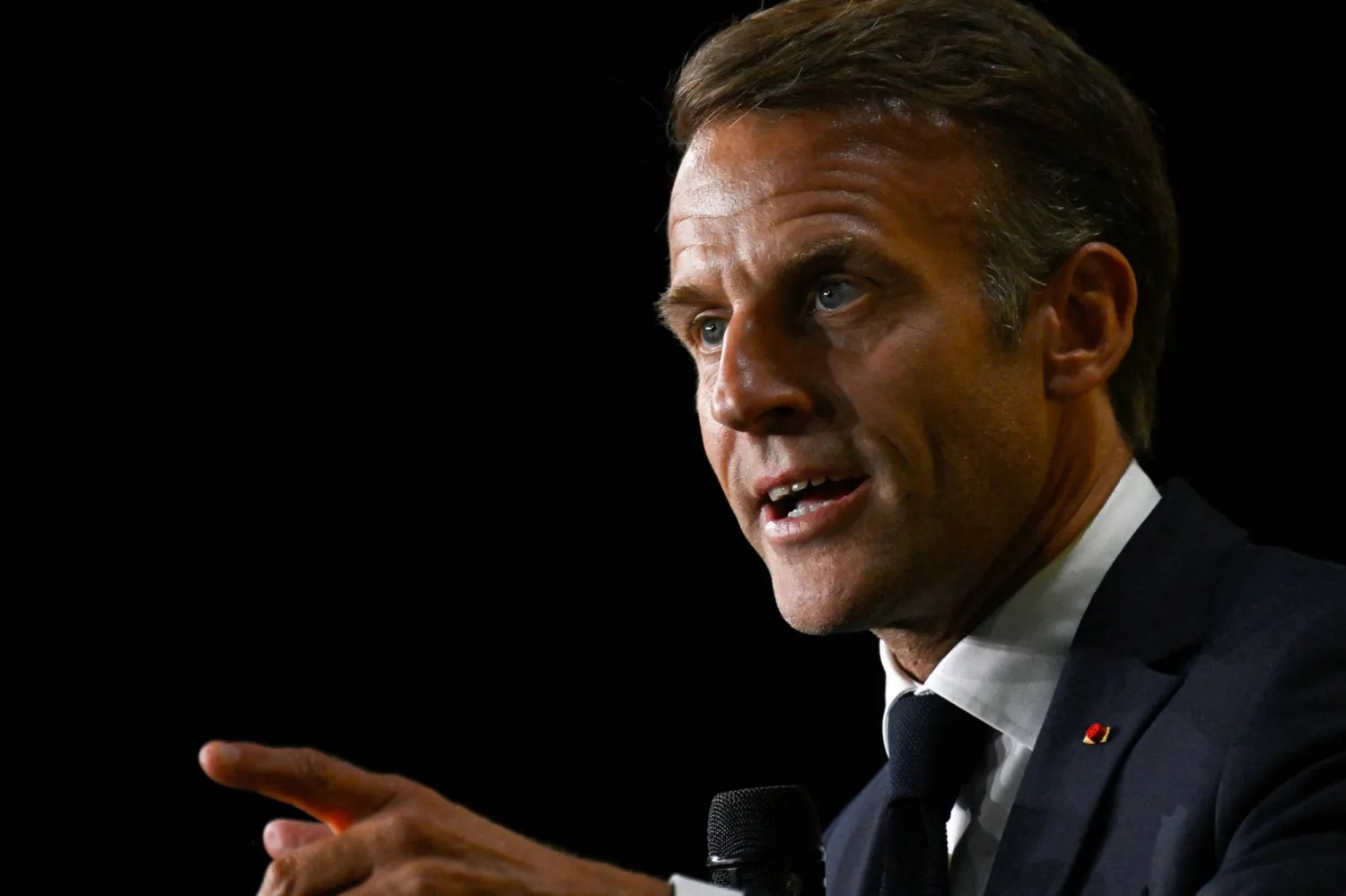
France's President Emmanuel Macron delivers a speech during the "Bpifrance Inno Generation (BIG)" event, in Paris, France, October 8, 2026.  Julien De Rosa/Pool via REUTERS
France's President Emmanuel Macron delivers a speech during the "Bpifrance Inno Generation (BIG)" event, in Paris, France, October 8, 2026. Julien De Rosa/Pool via REUTERS
TT

Macron: French Navy Boards 'Shadow Fleet' Ship in Indian Ocean

France's President Emmanuel Macron delivers a speech during the "Bpifrance Inno Generation (BIG)" event, in Paris, France, October 8, 2026.  Julien De Rosa/Pool via REUTERS
France's President Emmanuel Macron delivers a speech during the "Bpifrance Inno Generation (BIG)" event, in Paris, France, October 8, 2026. Julien De Rosa/Pool via REUTERS

The French navy boarded a vessel suspected of illegally smuggling oil in an operation off the Indian Ocean island of Reunion, President Emmanuel Macron said Monday.

Macron vowed no let-up in the struggle against the "shadow fleet" -- a term used for the clandestine network of ships used by Russia to circumvent Western embargoes since its 2022 invasion of Ukraine, AFP said.

"This morning, more than 450 nautical miles south of Reunion, our national Navy boarded the tanker DF Peak," Macron posted on X along with a brief video of the operation.

Several European companies have intercepted ships carrying Russian oil in contravention of European sanctions, as they try to target the vital revenue source.

The DF Peak flies a Benin flag and is among the 700 ships on the EU's sanctions list. Prior to 2024, it was called Kaliningrad.

New measures permit European Union members to sell the oil or any other cargo seized from the ships.

Moscow has bristled at the moves, with Russian President Vladimir Putin calling it "piracy and banditry".

The French president's announcement comes amidst European concern regarding the future of the war in Ukraine, following US President Donald Trump's announcement Friday that he had negotiated the delivery of Russian diesel to US and global markets, much to the dismay of Ukrainian President Volodymyr Zelensky, who condemned the breach of US sanctions as "shameful."

For its part, the European Union has pledged to continue strengthening its own measures against Moscow, and its foreign policy chief, Kaja Kallas, stated on Saturday that the lifting of sanctions on Russian diesel was helping to fuel the Kremlin's war.