

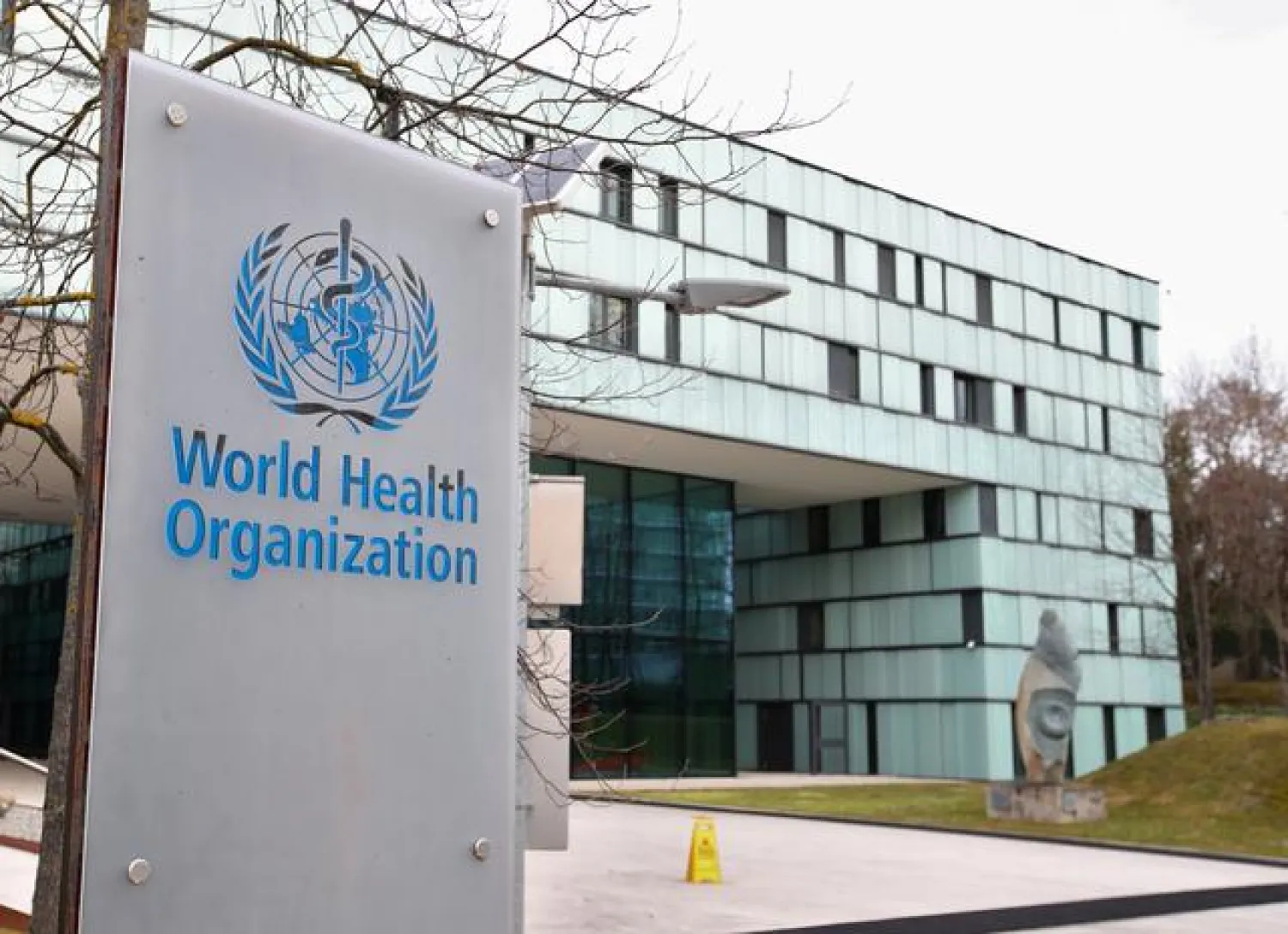

WHO Vaccine Scheme Risks Failure, Leaving Poor Countries No COVID Shots Until 2024

Photo: REUTERS
Photo: REUTERS
TT

WHO Vaccine Scheme Risks Failure, Leaving Poor Countries No COVID Shots Until 2024

Photo: REUTERS
Photo: REUTERS

The global scheme to deliver COVID-19 vaccines to poorer countries faces a "very high" risk of failure, potentially leaving nations home to billions of people with no access to vaccines until as late as 2024, internal documents say.

The World Health Organization's COVAX program is the main global scheme to vaccinate people in poor and middle income countries around the world against the coronavirus. It aims to deliver at least 2 billion vaccine doses by the end of 2021 to cover 20% of the most vulnerable people in 91 poor and middle-income countries, mostly in Africa, Asia, and Latin America.

But in internal documents reviewed by Reuters, the scheme's promoters say the program is struggling from a lack of funds, supply risks, and complex contractual arrangements which could make it impossible to achieve its goals.

"The risk of a failure to establish a successful COVAX Facility is very high," says an internal report to the board of Gavi, an alliance of governments, drug companies, charities, and international organizations that arranges global vaccination campaigns. Gavi co-leads COVAX alongside the WHO.

The report and other documents prepared by Gavi are being discussed at Gavi's board meetings on Dec. 15-17.

The failure of the facility could leave people in poor nations without any access to COVID-19 vaccines until 2024, one of the documents says.

The risk of failure is higher because the scheme was set up so quickly, operating in "uncharted territory," the report says.

"Current risk exposure is deemed outside of risk appetite until there is full clarity on the size of risks and possibilities to mitigate them," it says. "It therefore requires intensive mitigation efforts to bring the risk within risk appetite."

Gavi hired Citigroup last month to provide advice on how to mitigate financial risks.

In one Nov. 25 memo included in the documents submitted to the Gavi board, Citi advisors said the biggest risk to the program was from clauses in supply contracts that allow countries not to buy vaccines booked through COVAX.

A potential mismatch between vaccine supply and demand "is not a commercial risk efficiently mitigated by the market or the MDBs," the Citi advisors wrote, referring to multilateral development banks such as the World Bank.

"Therefore it must either be mitigated through contract negotiation or through a Gavi risk absorption layer that is carefully managed by a management and governance structure."

Asked about the documents, a Gavi spokesman said the body remains confident it can achieve its goals.

"It would be irresponsible not to assess the risks inherent to such a massive and complex undertaking, and to build policies and instruments to mitigate those risks," he added.

The WHO did not respond to a request for comment. In the past it has let Gavi take the lead in public comments about the COVAX program.

Citibank said in a statement: "As a financial advisor, we are responsible for helping Gavi plan for a range of scenarios related to the COVAX facility and supporting their efforts to mitigate potential risks."

SUPPLY DEALS

COVAX's plans rely on cheaper vaccines that have so far yet to receive approval, rather than vaccines from frontrunners Pfizer/BioNTech and Moderna that use more expensive new mRNA technology. The Pfizer vaccine has already been approved for emergency use in several countries and deployed in Britain and the United States, and the Moderna vaccine is expected to be similarly approved soon.

COVAX has so far reached non-binding supply agreements with AstraZeneca, Novavax, and Sanofi for a total of 400 million doses, with options to order several hundred million additional shots, one of the Gavi documents says.

But the three companies have all faced delays in their trials that could push back some possible regulatory approvals to the second half of 2021 or later.

This could also increase COVAX's financial needs. Its financial assumptions are based on an average cost of $5.20 per dose, one of the documents says.

Pfizer's vaccines costs about $18.40-$19.50 per dose, while Moderna's costs $25-$37. COVAX has no supply deals with either of those firms. Nor is it prioritizing investment in ultra-cold distribution chains in poor countries, necessary for the Pfizer vaccine, as it still expects to use mostly shots which require more conventional cold storage, one of the Gavi documents says.

On Tuesday a WHO senior official said the agency was in talks with Pfizer and Moderna to include their COVID-19 vaccines as part of an early global rollout at a cost for poor countries possibly lower than current market prices.

Other shots are being developed worldwide and COVAX wants to expand its portfolio to include vaccines from other companies.

Rich countries, which have booked most of the currently available stocks of COVID-19 vaccines, are also planning to donate some excess doses to poor countries, although is not clear whether that would be through COVAX.

FINANCIAL PRESSURE

To meet its target of vaccinating at least 20% of people in poor countries next year, COVAX says it needs $4.9 billion in addition to $2.1 billion it has already raised.

If vaccine prices are higher than forecast, supply is delayed or the additional funds are not fully collected, the facility faces the prospect of failure, the documents say.

So far Britain and European Union countries are the main donors to COVAX, while the United States and China have made no financial commitments. The World Bank and other multilateral financial institutions are offering cheap loans to poor countries to help them buy and deploy vaccines through COVAX.

The facility is issuing vaccine bonds which could raise as much as $1.5 billion next year if donors agreed to cover the costs, one of the Gavi documents says. COVAX is also receiving funds from private donors, mainly the Bill and Melinda Gates Foundation.

But even under the best financial conditions, COVAX could still face failure, because of disproportionate financial risks caused by its complex deal-making process.

COVAX signs advance purchase contracts with companies on vaccine supplies that need to be paid for by donors or receiving countries that have the means to afford them.

But under clauses included in COVAX contracts, countries could still refuse to buy pre-ordered volumes if they prefer other vaccines, or if they manage to acquire them through other schemes, either faster or at better prices.

The facility could also face losses if countries were not able to pay for their orders, or even if herd immunity were developed too quickly, making vaccines no longer necessary, the Citigroup report said. It proposed a strategy to mitigate these risks including through changes in supply contracts.



Netanyahu Skeptical of an Iran Breakthrough

Israel's Prime Minister Benjamin Netanyahu leaves after a meeting with US President Donald Trump at the White House February 11, 2026, in Washington, DC. (Photo by Brendan Smialowski / AFP)
TT

Netanyahu Skeptical of an Iran Breakthrough

Israel's Prime Minister Benjamin Netanyahu leaves after a meeting with US President Donald Trump at the White House February 11, 2026, in Washington, DC. (Photo by Brendan Smialowski / AFP)

Israeli Prime Minister Benjamin Netanyahu said he was skeptical that US nuclear talks with Iran will lead to a breakthrough but described his meeting with US President Donald Trump at the White House as “excellent.”

Speaking to reporters Thursday in Washington before boarding a plane to return to Israel, Netanyahu said Trump’s terms and Iran’s “understanding that they made a mistake the last time when they did not reach an agreement, may lead them to agree to conditions that will enable a good agreement to be reached.”

While he said he did “not hide my general skepticism” about any deal, he stressed that any agreement must include concessions about Iran’s ballistic missiles program and support for militant proxies.

He added that the conversation Wednesday with Trump, which lasted more than two hours, included a number of other subjects, including Gaza and regional developments but focused on the negotiations with Iran.


German Court Rejects Palestinian's Claim over Weapons Exports

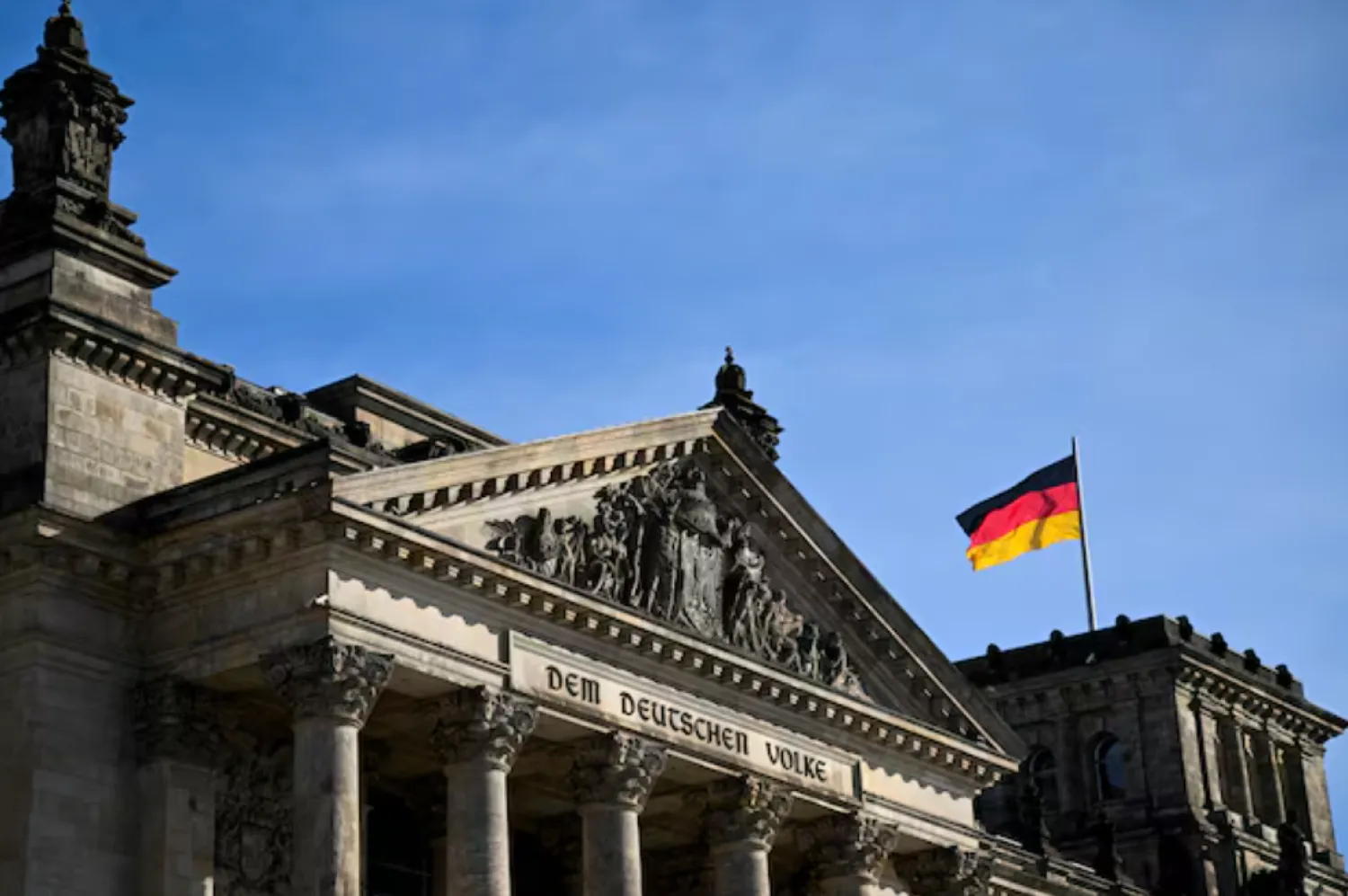
A view shows the front of the Reichstag building, the seat of the German parliament, the Bundestag, in Berlin, Germany March 5, 2025. REUTERS/Annegret Hilse/File Photo
TT

German Court Rejects Palestinian's Claim over Weapons Exports

A view shows the front of the Reichstag building, the seat of the German parliament, the Bundestag, in Berlin, Germany March 5, 2025. REUTERS/Annegret Hilse/File Photo

Germany's highest court on Thursday threw out a case brought by a Palestinian civilian from Gaza seeking to sue the German government over its weapons exports to Israel.

The complainant, supported by the European Center for Constitutional and Human Rights (ECCHR), had been seeking to challenge export licences for German parts used in Israeli tanks deployed in Gaza.

After his case was rejected by lower courts in 2024 and 2025, he had appealed to the Federal Constitutional Court.

But the court in Karlsruhe dismissed the case, stating that "the complainant has not sufficiently substantiated that the specialized courts misjudged or arbitrarily denied a possible duty to protect him", AFP reported.

While Germany is obliged to protect human rights and respect international humanitarian law, this does not mean the state is necessarily obliged to take specific action on behalf of individuals, the court said.

"It is fundamentally the responsibility of the state authorities themselves to decide how they fulfil their general duty of protection," it added.

The ECCHR called the decision "a setback for civilian access to justice".

"The court acknowledges the duty to protect but only in the abstract and refuses to ensure its practical enforcement," said Alexander Schwarz, co-director of the NGO's International Crimes and Legal Accountability program.

"For people whose lives are endangered by the consequences of German arms exports, access to justice remains effectively closed," he said.

The ECCHR had been hoping for a successful appeal after the Constitutional Court ruled last year that Germany had "a general duty to protect fundamental human rights and the core norms of international humanitarian law, even in cases involving foreign countries".

In that case, two Yemenis had been seeking to sue Berlin over the role of the US Ramstein airbase in a 2012 drone attack.

The complainant was one of five Palestinians who initially brought their case against the German government in 2024.


2 Israelis Charged with Using Classified Military Information to Place Bets

The Israeli Iron Dome air defense system intercepts missiles during an Iranian attack on Tel Aviv, Israel, June 18, 2025. (AP Photo/Leo Correa, File)
TT

2 Israelis Charged with Using Classified Military Information to Place Bets

The Israeli Iron Dome air defense system intercepts missiles during an Iranian attack on Tel Aviv, Israel, June 18, 2025. (AP Photo/Leo Correa, File)

Two Israelis have been charged with using classified military information to place bets on how future events will unfold, Israeli authorities said Thursday, accusing the individuals of “serious security offenses.”

A joint statement by the Israeli Ministry of Defense, domestic security service Shin Bet and police said that a civilian and a reservist are suspected of placing bets on the US-based prediction market Polymarket on future military operations based on information that the reservist had access to, The AP news reported.

Israel’s Attorney General’s Office decided to prosecute the two individuals following a joint investigation by police, military intelligence and other security agencies that resulted in several arrests. The two face charges including bribery and obstruction of justice.

Authorities offered no details on the identity of the two individuals or the reservist's rank or position in the Israeli military but warned that such actions posed a “real security risk” for the military and the Israeli state.

Israel’s public broadcaster Kan had reported earlier that the bets were placed in June ahead of Israel’s war with Iran and that the winnings were roughly $150,000.

Israel's military and security services “view the acts attributed to the defendants very seriously and will act resolutely to thwart and bring to justice any person involved in the activity of using classified information illegally,” the statement said.

The accused will remain in custody until the end of legal proceedings against them, the Prosecutor's Office said.

Prediction markets are comprised of typically yes-or-no questions called event contracts, with the prices connected to what traders are willing to pay, which theoretically indicates the perceived probability of an event occurring.

Their use has skyrocketed in recent years, but despite some eye-catching windfalls, traders still lose money everyday. In the US, the trades are categorized differently than traditional forms of gambling, raising questions about transparency and risk.