Gulf air defenses continued on Friday to intercept Iranian missiles and drones in attacks that have persisted for two weeks, striking residential areas, civilian facilities and critical infrastructure and causing casualties and material damage.
Gulf states said they remain fully prepared to confront any threats and will respond firmly to attempts to undermine their security, stressing their determination to safeguard sovereignty, stability and national interests.
Jasem Albudaiwi, Secretary-General of the Gulf Cooperation Council (GCC), warned the Iranian attacks could have negative repercussions for the global economy and the stability of international markets. He said the danger extends beyond Gulf security and threatens international navigation in the Strait of Hormuz.
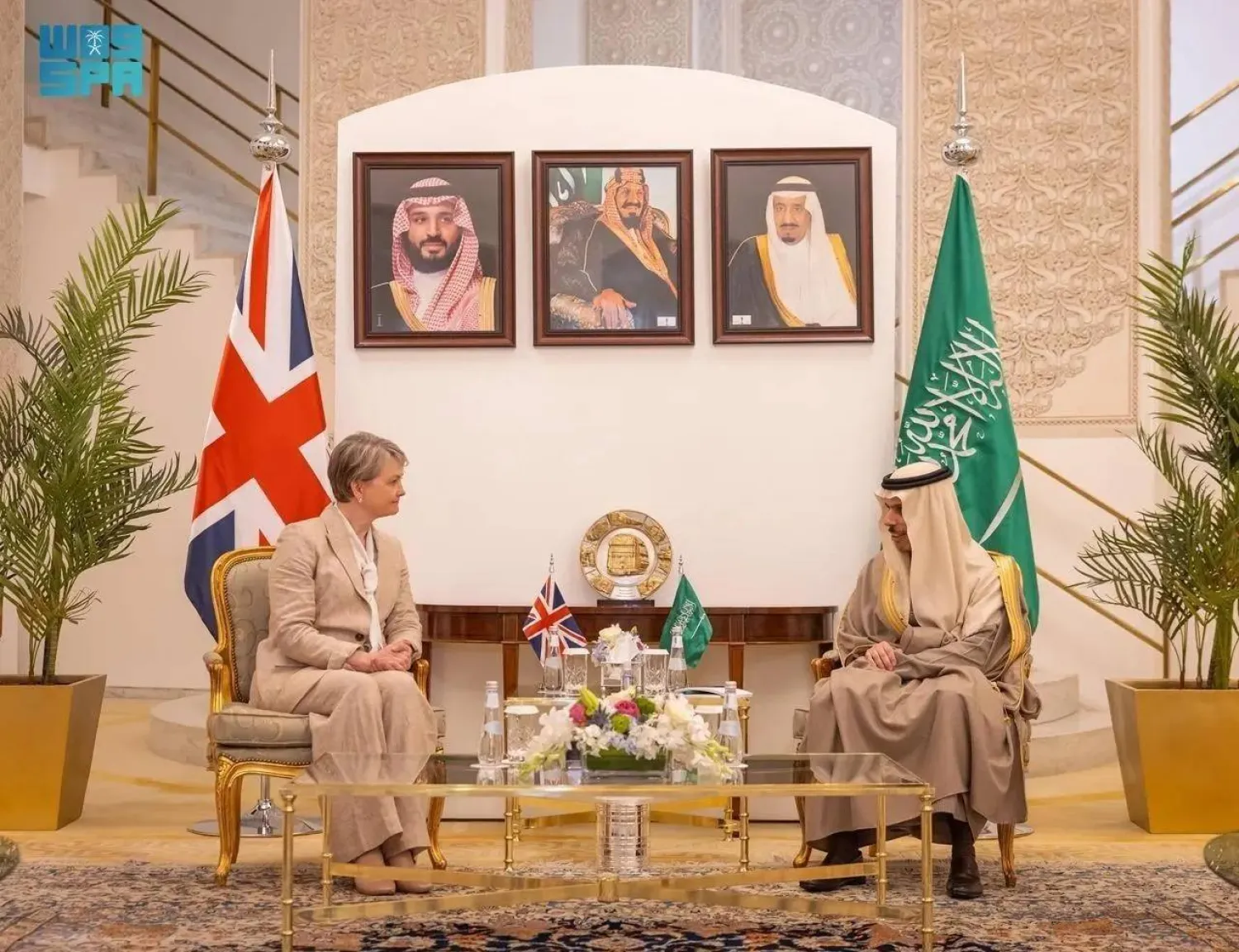
In a statement issued Friday after separate ministerial meetings held by video conference with Jordan, Egypt, Morocco and Britain, Albudaiwi said targeting commercial vessels and key maritime routes poses a direct threat to freedom of navigation and exposes global trade and energy security to serious risks.
Saudi Arabia
Saudi Defense Ministry Spokesperson Maj. Gen. Turki Al-Maliki said air defenses intercepted and destroyed 62 drones from early Friday until 8:00 p.m. local time.
Twenty-eight drones were shot down after entering Saudi airspace, 20 in the Eastern Province, seven across the Eastern and Central regions, three in Al-Kharj governorate, three in Al-Kharj and the Empty Quarter, and one while attempting to approach the Diplomatic Quarter in Riyadh.
Oman
An Omani security source said two drones crashed in the Wilayat of Sohar. One fell in the Al-Awahi industrial area, killing two expatriates and injuring others, while the second landed in an open area without causing casualties.
The source, cited by the Oman News Agency, praised the cooperation of citizens and residents in avoiding the spread of images and rumors and relying on official sources, adding that all efforts are being mobilized to protect the Sultanate and those living in it.
United Arab Emirates
The UAE said its air defenses intercepted seven ballistic missiles and 27 drones launched from Iran on Friday, bringing the total since the start of the attacks to 285 ballistic missiles, 15 cruise missiles and 1,567 drones.
The Defense Ministry said the attacks have left six people dead — including Emirati, Pakistani, Nepali and Bangladeshi nationals — and 141 injured with minor to moderate wounds among people of multiple nationalities.
The ministry later said air defenses were continuing to intercept incoming missiles and drones from Iran, adding that sounds heard in parts of the country were caused by ballistic missile defense systems and fighter jets engaging drones and cruise missiles.
It said it remains fully prepared to confront any threats and will act firmly against any attempt to undermine the country’s security.
Dubai’s government media office said authorities dealt early Friday with a minor incident caused by debris from an intercepted aerial object that struck the facade of a building in central Dubai, with no injuries reported.
The UAE Civil Aviation Authority said flight operations were gradually resuming, urging travelers to check with airlines before heading to the airport.
It said 1.4 million passengers passed through the country’s airports between March 1 and March 12, with 7,839 flight movements recorded. National carriers have restored 44.6% of their previous operating levels.
Bahrain
Bahrain’s Defense Force said air defense systems continued to confront successive waves of Iranian attacks, adding that 115 missiles and 191 drones targeting the country have been intercepted and destroyed since the start of the assault.
The command described the use of ballistic missiles and drones against civilian sites and private property as a flagrant violation of international humanitarian law and the United Nations Charter, warning the attacks pose a direct threat to regional peace and security.
Authorities urged the public to remain indoors unless absolutely necessary, avoid damaged areas and suspicious objects, refrain from photographing military operations or debris sites and rely only on official information.
Kuwait
Kuwait’s Defense Ministry Spokesperson, Colonel Saud Al-Atwan, said one hostile ballistic missile was detected over the past 24 hours outside the threat zone, posing no danger and causing no damage.
He said monitoring of potential aerial threats continues as part of defensive measures to protect the country’s airspace.
Interior Ministry Spokesperson Brigadier Nasser Bousleib said authorities detected individuals using drones for aerial filming in violation of previously announced instructions, warning that such actions hinder security and military efforts and that violators will face legal action.
Bomb disposal teams handled 16 reports in the past 24 hours linked to debris from intercepted projectiles, bringing the total number of reports since the start of the Iranian attacks to 372.
Health Ministry Spokesperson Dr. Abdullah Al-Sanad said the country’s health situation remains stable, with hospitals and health centers operating at full capacity and medical teams ready to respond to any emergency.
He said two people were injured on Thursday when a residential building was struck and were transferred to Al-Adan Hospital. Authorities also launched a psychological support hotline (151) for citizens and residents.
The Commerce Ministry said the first Kuwait Airways flights carrying fresh food supplies had arrived in the country, in coordination with the private sector, to accelerate deliveries and support market supplies. The shipments included fresh meat, fruits, vegetables and other food items.
Qatar
Qatar’s Interior Ministry said the situation in the country remains stable and that services continue to operate normally across sectors, while authorities monitor developments.
The ministry said the national warning system is activated only when urgent preventive measures are required to protect public safety. It urged the public to follow official alerts, remain indoors away from windows and exposed areas, and avoid going out until the threat has passed.
It also warned against filming or publishing footage from incident sites or response operations and against sharing unverified material on social media.
Environmental monitoring indicators show air quality in the country at 100%, the ministry said, adding that no pollution has been detected in the air or marine environment as part of ongoing environmental monitoring.
Separately, Qatar Tourism said the temporary extension of hotel stays for visitors affected by travel disruptions will remain in effect until March 14.
The measure gives affected guests additional time to arrange their travel.
Visitors whose flights have been canceled or disrupted since Feb. 28 have been offered free hotel stays with three daily meals, coordinated with the hospitality sector.