

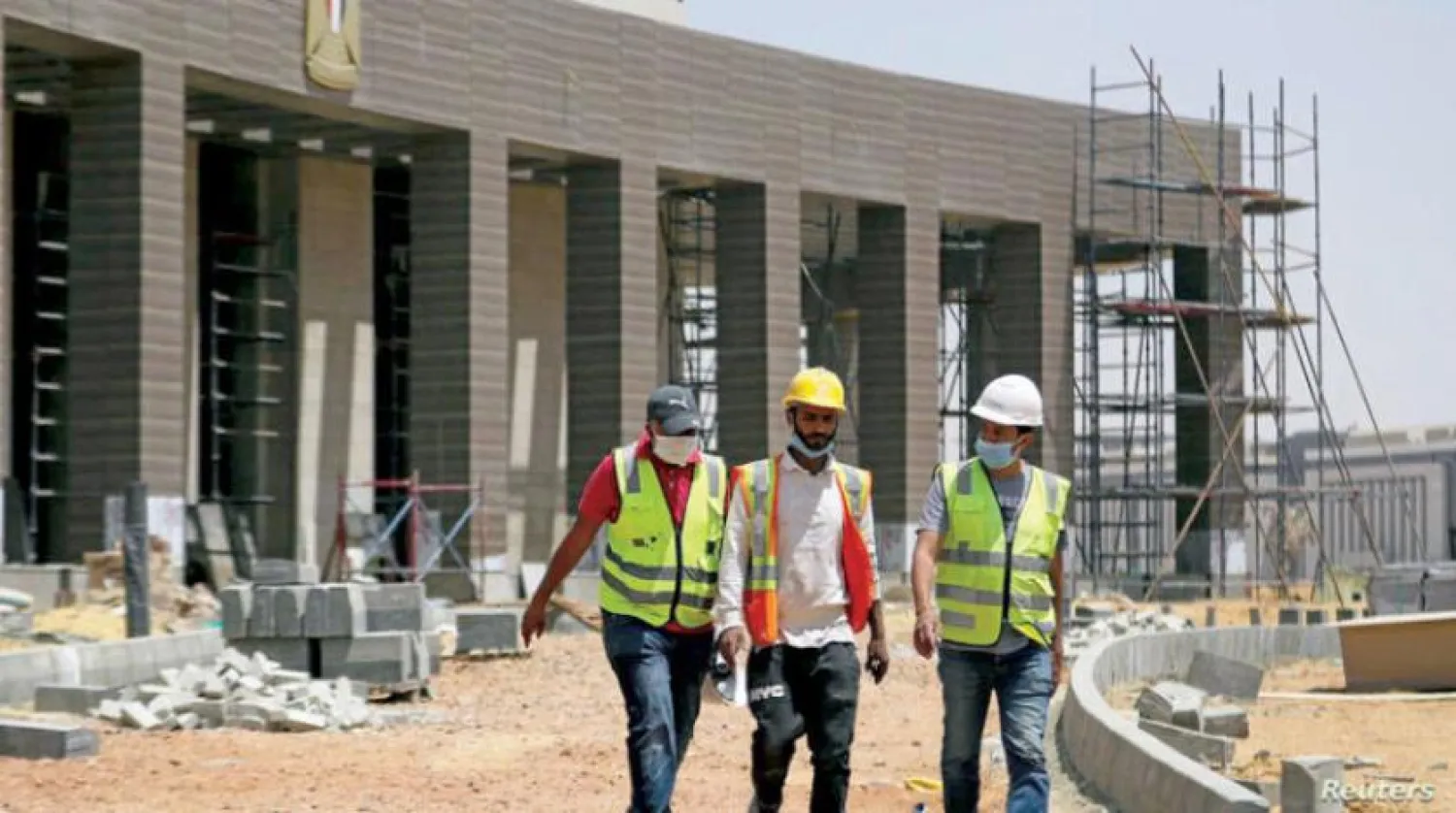

IMF Asserts Private Sector's Role in Boosting Egypt’s Economy

Non-oil private sector activity contracts for the 16th month in a row (Reuters)
TT

IMF Asserts Private Sector's Role in Boosting Egypt’s Economy

Non-oil private sector activity contracts for the 16th month in a row (Reuters)

The International Monetary Fund stressed the role of the private sector in boosting the Egyptian economy, currently facing ongoing challenges and difficulties.

IMF Middle East and Central Asia Director Jihad Azour said in a press conference that the role of the private sector in Egypt is essential, and the state should support it.

Azour commented on the Egyptian president's decisions regarding the private sector, saying it is one of the main objectives set in the economic reform program in 2016, and the second program is to raise the level of private sector participation in the Egyptian economy.

He explained that the private sector in Egypt is dynamic, developed, and capable of leading the Egyptian economy.

The Egyptian government is working with the IMF to design a new loan-backed program to support the Egyptian economy and address the ongoing challenges against the severe repercussions of the war in Ukraine.

Azour mentioned that authorities have requested support from the IMF and that the team has started technical discussions with the authorities, saying that these discussions are progressing.

Azour said Egypt's external debt is not worrying after it rose to $145.5 billion at the end of December, compared to $137.4 billion at the end of September 2021.

He expects Egypt's public debt ratio to GDP to decline to pre-pandemic levels by 2025 or 2026.

According to the regional economic outlook that was released on Wednesday, the IMF expects public debt in Egypt to reach 94 percent of GDP during the current FY and to decline to 89.6 percent of GDP in the next fiscal year.

Growth for the group excluding Egypt is set to decelerate even faster, from 5.2 percent in 2021 to 3 percent in 2022

Egypt's headline purchasing managers' index (PMI) for the non-oil private sector fell to 46.5 in March, down from 48.1 in February, indicating a significant decline in the health of the country's non-oil economy.

On Tuesday, President Abdel Fattah al-Sisi ordered the government to set a program for the private sector's participation in state-owned assets, targeting $10 billion annually for four years.

The Egyptian president also ordered the government to list army-owned enterprises on the Egyptian stock exchange before year-end and start selling stakes in some state-owned companies in the stock market, state TV reported.

The government for years has been talking about selling state companies not owned by the military, and in 2018 it announced it would offer minority stakes in 23 state-owned companies on the stock exchange in a plan to raise to $4.33 billion.

The program has been repeatedly delayed due to weak markets, legal hurdles, and each company's financial documentation readiness.

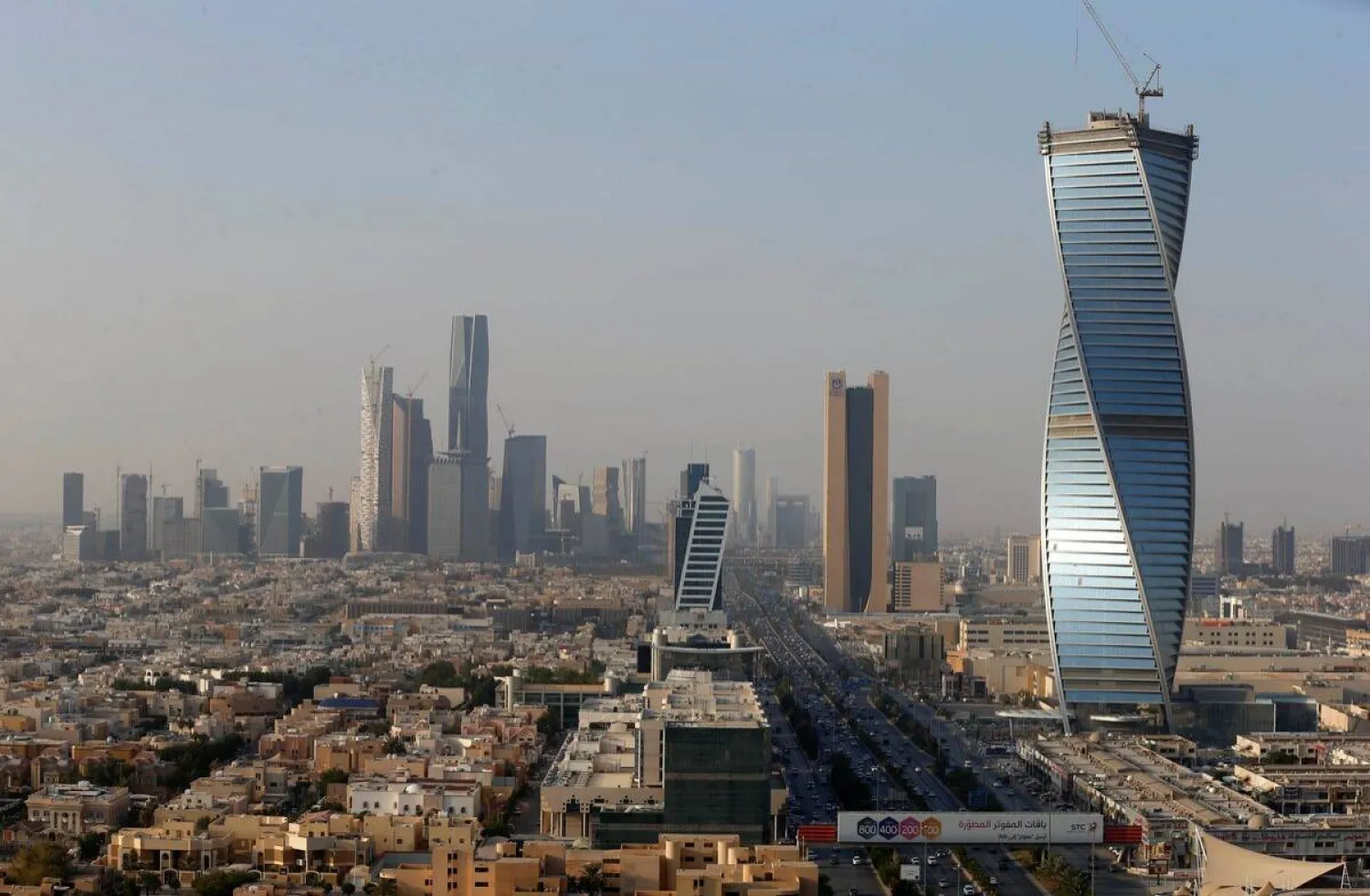

Georgieva from AlUla: Growth Still Lacks Pre-pandemic Levels

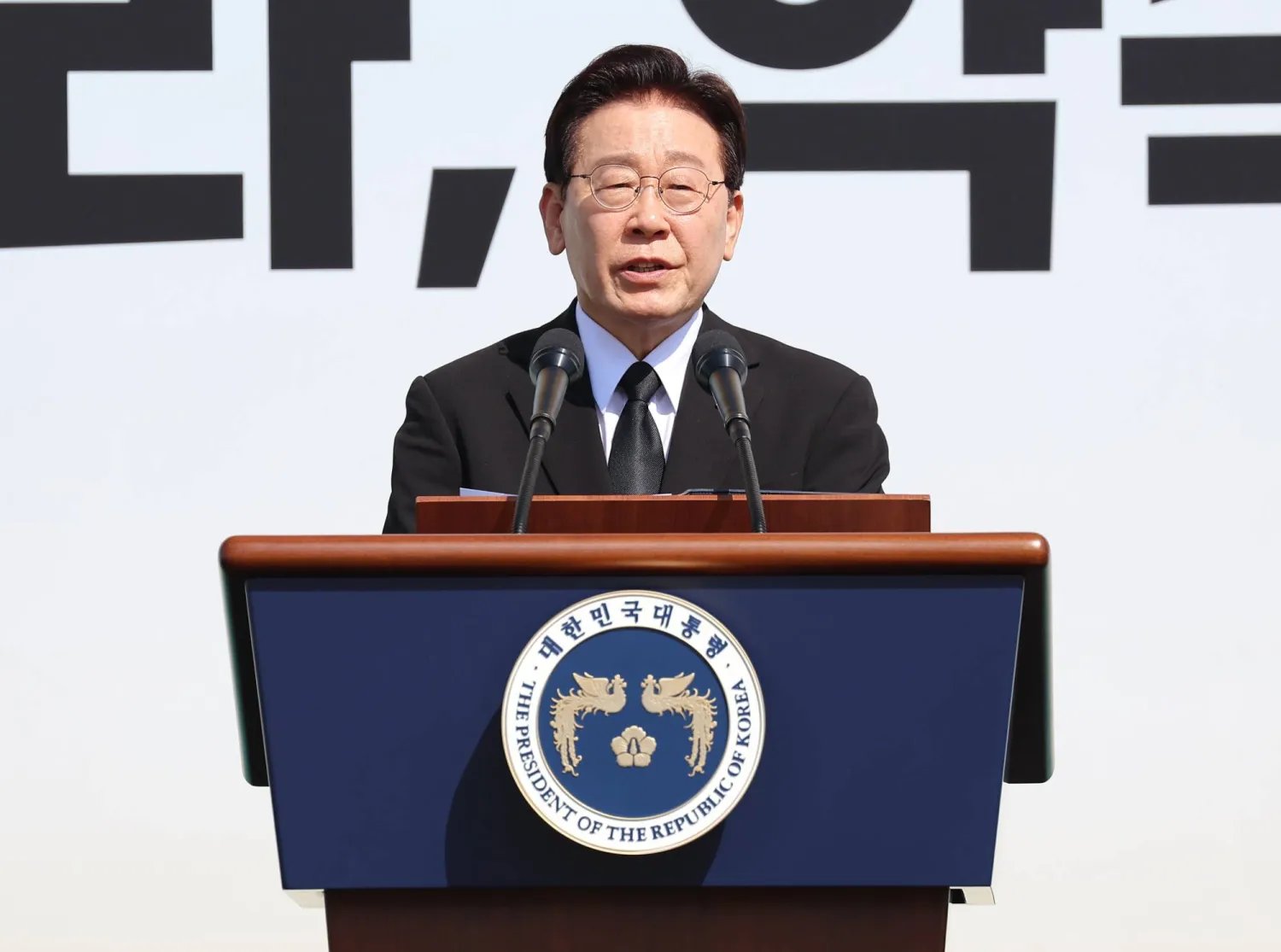
Kristalina Georgieva speaking to attendees at the second edition of the AlUla Conference for Emerging Market Economies (Asharq Al-Awsat)
TT

Georgieva from AlUla: Growth Still Lacks Pre-pandemic Levels

Kristalina Georgieva speaking to attendees at the second edition of the AlUla Conference for Emerging Market Economies (Asharq Al-Awsat)

International Monetary Fund (IMF) Managing Director Kristalina Georgieva said Sunday that world growth still lacks pre-pandemic levels, expressing concern as she expected more shocks amid high spending and rising debt levels in many countries.

Georgieva spoke at the AlUla Conference for Emerging Market Economies, organized by the Saudi Ministry of Finance and the IMF in AlUla.

The two-day conference brings together a select group of ministers and central bank governors, leaders of international organizations, leading investors and academics to deliberate on policies to global stability, prosperity, and multilateral collaboration.

Georgieva said that the conference was launched last year in recognition of the growing role of emerging market economies in a world of sweeping transformations.

“I came out of this gathering .... With a sense of hope for the pragmatic attitude and determination to pursue good policies and build strong institutions,” she said.

Georgieva stressed that “good policies pay off,” and said that growth rates across emerging economies reached four percent this year, exceeding by a large margin those of advanced economies that are around 1.5 percent.


Saudi Arabia’s flynas, Syrian Civil Aviation Authority Partner to Launch 'flynas Syria'

The new airline will operate commercial air transport services in accordance with approved regulations and standards (flynas)
TT

Saudi Arabia’s flynas, Syrian Civil Aviation Authority Partner to Launch 'flynas Syria'

The new airline will operate commercial air transport services in accordance with approved regulations and standards (flynas)

Saudi budget carrier flynas has signed an agreement with the Syrian General Authority of Civil Aviation and Air Transport to establish a new commercial airline under the name "flynas Syria," with operations scheduled to begin in the fourth quarter of 2026.

Saturday’s agreement comes within the framework of bilateral cooperation between Saudi Arabia and Syria, as well as the strategic investment agreements between the two countries, coordinated with the Saudi Ministry of Investment and the Syrian General Authority of Civil Aviation and Air Transport.

The new airline will operate commercial air transport services in accordance with approved regulations and standards, meeting the highest safety and aviation security requirements. All licensing and operational procedures will be completed in coordination with the relevant authorities.

The carrier will be established as a joint venture, with 51% ownership held by the Syrian General Authority of Civil Aviation and Air Transport and 49% by flynas.

The new airline will operate flights to several destinations across the Middle East, Africa, and Europe. This expansion aims to bolster air traffic to and from Syria, enhance regional and international connectivity, and meet growing demand for air travel.

"This step is part of our commitment to supporting high-quality cross-border investments. The aviation sector is a key enabler of economic development, and the establishment of 'flynas Syria' serves as a model for constructive investment cooperation,” said Saudi Minister of Investment Khalid Al-Falih.

“This partnership enhances economic integration and market connectivity and supports development goals by advancing air transport infrastructure, ultimately serving the mutual interests of both nations and promoting regional economic stability,” he added.

President of the Syrian General Authority of Civil Aviation and Air Transport Omar Hosari also stated that the establishment of flynas Syria represents a strategic step within a comprehensive national vision aimed at rebuilding and developing Syria's civil aviation sector on modern economic and regulatory foundations.

“This will be achieved while balancing safety requirements, operational sustainability, investment stimulation, and passenger services. The partnership reflects the state's orientation toward smart cooperation models with trusted regional partners, ensuring the transfer of expertise, the development of national capabilities, and the enhancement of Syria's air connectivity with regional and international destinations, in line with global best practices in the air transport industry."

flynas Chairman Ayed Al-Jeaid stated that the company continues to pursue strategies aimed at growth and international expansion, describing the agreement as a historic milestone in the company's journey and a promising investment model in partnership with Syria.

flynas CEO Bander Al-mohanna said the step represents a qualitative leap in the company's strategy and financial performance, highlighting the transfer of the company's low-cost aviation experience to the Syrian market to support regional and international air connectivity.

flynas currently operates 23 weekly flights from Riyadh, Jeddah, and Dammam to Damascus, including two daily direct flights from Riyadh, one daily flight from Jeddah, and two weekly flights from Dammam.

The airline made history on June 5, 2025, by adding the Syrian capital to its network, becoming the first Saudi carrier to resume scheduled flights to Damascus.


Egypt to Establish Middle East’s 1st Sodium Cyanide Plant for Gold Extraction

CEO of the General Authority for Investment and Free Zones (GAFI) Mohamed el-Gawsaky, received a delegation from DrasChem Specialty Chemicals (Egyptian Cabinet)
TT

Egypt to Establish Middle East’s 1st Sodium Cyanide Plant for Gold Extraction

CEO of the General Authority for Investment and Free Zones (GAFI) Mohamed el-Gawsaky, received a delegation from DrasChem Specialty Chemicals (Egyptian Cabinet)

The Egyptian government has announced the establishment of the first sodium cyanide production plant in the Middle East in Alexandria Governorate on the Mediterranean coast, with an annual production capacity of 50,000 tons and investments of $200 million in the first phase.

In a statement, the cabinet said on Saturday that CEO of the General Authority for Investment and Free Zones (GAFI) Mohamed el-Gawsaky met with a delegation from DrasChem Specialty Chemicals, a Private Free Zone company, to discuss the steps required to establish the company’s sodium cyanide production facility at the Sidi Kerir Petrochemicals Complex in Alexandria.

The DrasChem project plans to begin production in 2028 following the completion of the facility’s first phase, with initial investments estimated at $200 million. This phase targets the production and export of 50,000 tons of sodium cyanide annually, a key input in gold extraction.

The second phase will focus on either doubling production capacity or manufacturing additional sodium cyanide derivatives, while a third phase will target the production of sodium-ion battery components.

El-Gawsaky said the project aligns with the country’s developmental priorities, particularly those related to increasing exports, transferring and localizing advanced technology, deepening local manufacturing and creating sustainable job opportunities.

The CEO also noted that the plant would benefit from the results of Egypt's economic reform program, which has caused significant improvements in investment, trade, and logistics indicators.

El-Gawsaky urged Egyptian companies, including DrasChem, to adopt integrated, export-oriented industrial strategies, with a particular focus on African markets.

He said the Ministry of Investment and Foreign Trade aims to increase exports by $4 billion. The focus will be on sectors with high competitive advantages, particularly the chemicals sector.

He also highlighted that DrasChem’s sodium cyanide products are of strategic importance to gold mines in Africa, which account for about a quarter of global gold production.

Bassem El-Shemmy, Vice President for Strategic Partnerships at Austria-based Petrochemical Holding GmbH, the largest shareholder in DrasChem, said project partner Draslovka of the Czech Republic will, for the first time, transfer its proprietary technology - developed at its facilities in the US - to Africa and the Middle East.

This move, he said, will help position Egypt as a regional hub for gold extraction technologies and sodium-ion battery manufacturing, a more sustainable and cost-effective alternative to lithium-ion batteries.

For his part, Andrey Yurkevich, Deputy Managing Director for Strategy and Business Development at Petrochemical Holding GmbH, said the DrasChem facility will create up to 500 direct jobs and generate approximately $120 million in annual foreign-currency revenues.

He said that the project will enhance the stability and sustainability of local supply chains and strengthen Egypt’s regional standing as home to the first sodium cyanide production facility in both Egypt and the Middle East.