UAE Tourism Sector Performance Tops Pre-Pandemic Rates

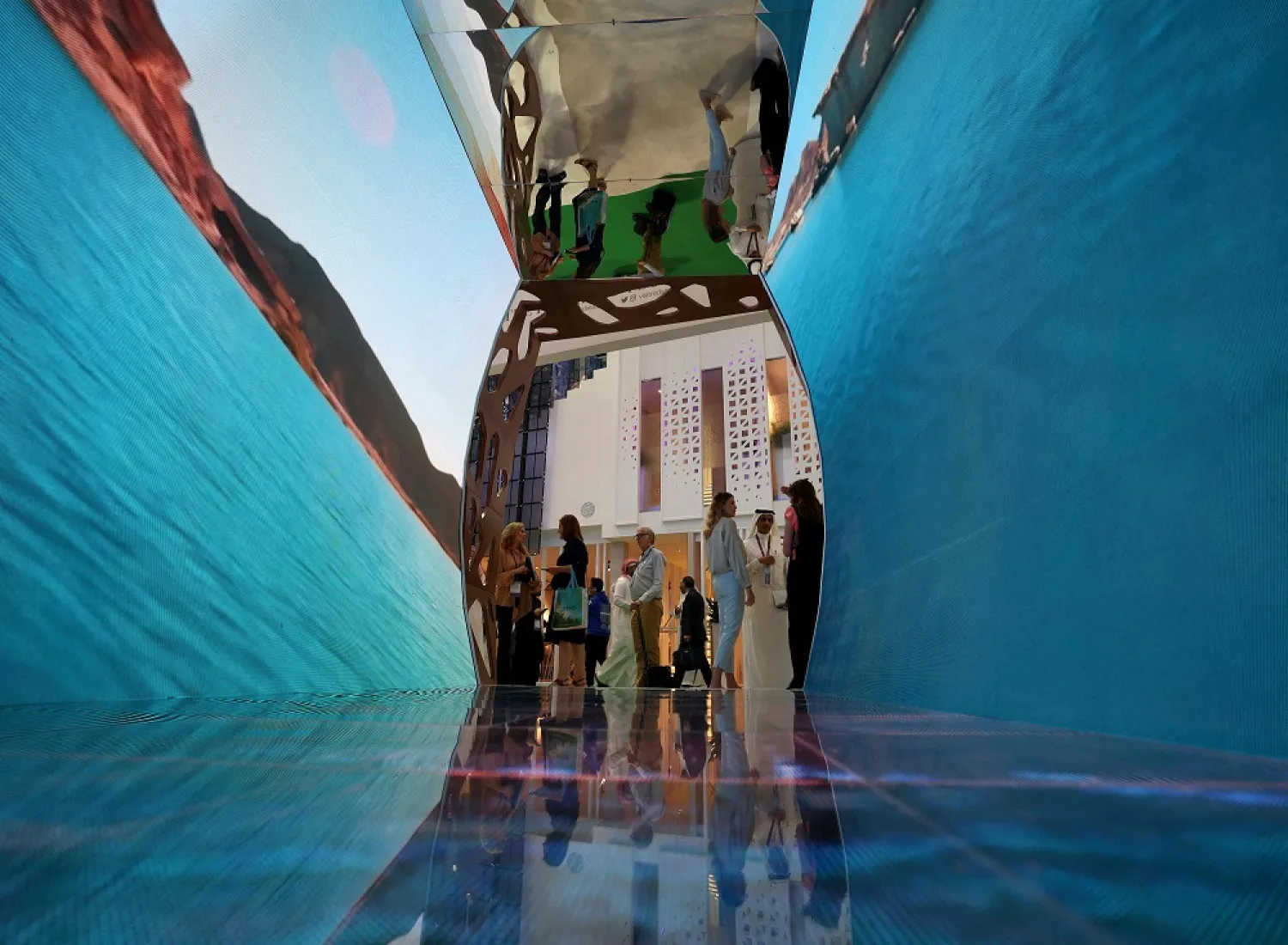
A picture shows the Saudi pavilion during the Arabian Travel Market, the Middle East's largest travel and tourism exhibition, in Dubai on May 10, 2022. (AFP)
TT

UAE Tourism Sector Performance Tops Pre-Pandemic Rates

A picture shows the Saudi pavilion during the Arabian Travel Market, the Middle East's largest travel and tourism exhibition, in Dubai on May 10, 2022. (AFP)

Figures in the United Arab Emirate' tourism sector have topped pre-pandemic levels in 2019.

The figures revealed that hotels attracted nearly six million visitors, who spent 25 million hotel nights in the first quarter of 2022, reflecting a growth of 10% compared to the same period in 2019.

The average duration of hotel guest stays reached 25% during the same period, up from three to four nights.

Moreover, the occupancy rate of hotel establishments in the country during Q1 2022 achieved 80 percent growth, one of the highest globally.

Hotels also generated a total revenue of AED11 billion with a 20% growth compared to the same period in 2019 and resumed operations at full capacity of approximately 200,000 hotel rooms.

Dr. Ahmad Belhoul al-Falasi, Minister of State for Entrepreneurship and SMEs and Chairman of the UAE Tourism Council, revealed that the country’s tourism sector achieved a new growth milestone in Q1 2022, underlining its competitiveness at both regional and international levels.

He attributed the sector’s latest achievement to the unlimited support and directives of the UAE’s wise leadership and its interest in this vital sector, which is one of the future sectors and a key focus area in the UAE’s development vision for the next 50 years.

Falasi said that during the first quarter of this year, the national tourism sector exceeded the growth rates recorded not only in 2020 and 2021, but also during the same period in 2019, which is the benchmark for measuring recovery and growth rates in most countries today.

“It is one of the best years in terms of economic growth in general and tourism in particular, and this confirms the strong comeback of the sector,” he added.

Furthermore, Q1 2022 saw a resurgence and a strong comeback of inward tourism flows from foreign markets, as hotel establishments in various emirates hosted nearly four million international tourists.

India, Saudi Arabia, the United Kingdom, Russia, and the United States topped the list of international tourists.

Falasi pointed to the important role that the major events hosted by the UAE over the past months played in supporting the sector.

These include Expo 2020 Dubai, which successfully attracted more than 24 million visitors over six months, and the Worlds’s Coolest Winter campaign in its second edition. In over a month and a half, the event generated a total revenue of AED1.5 billion ($408 million) and attracted more than 1.3 million local tourists.


World Defense Show Sees Surge in Agreements, Strategic Partnerships

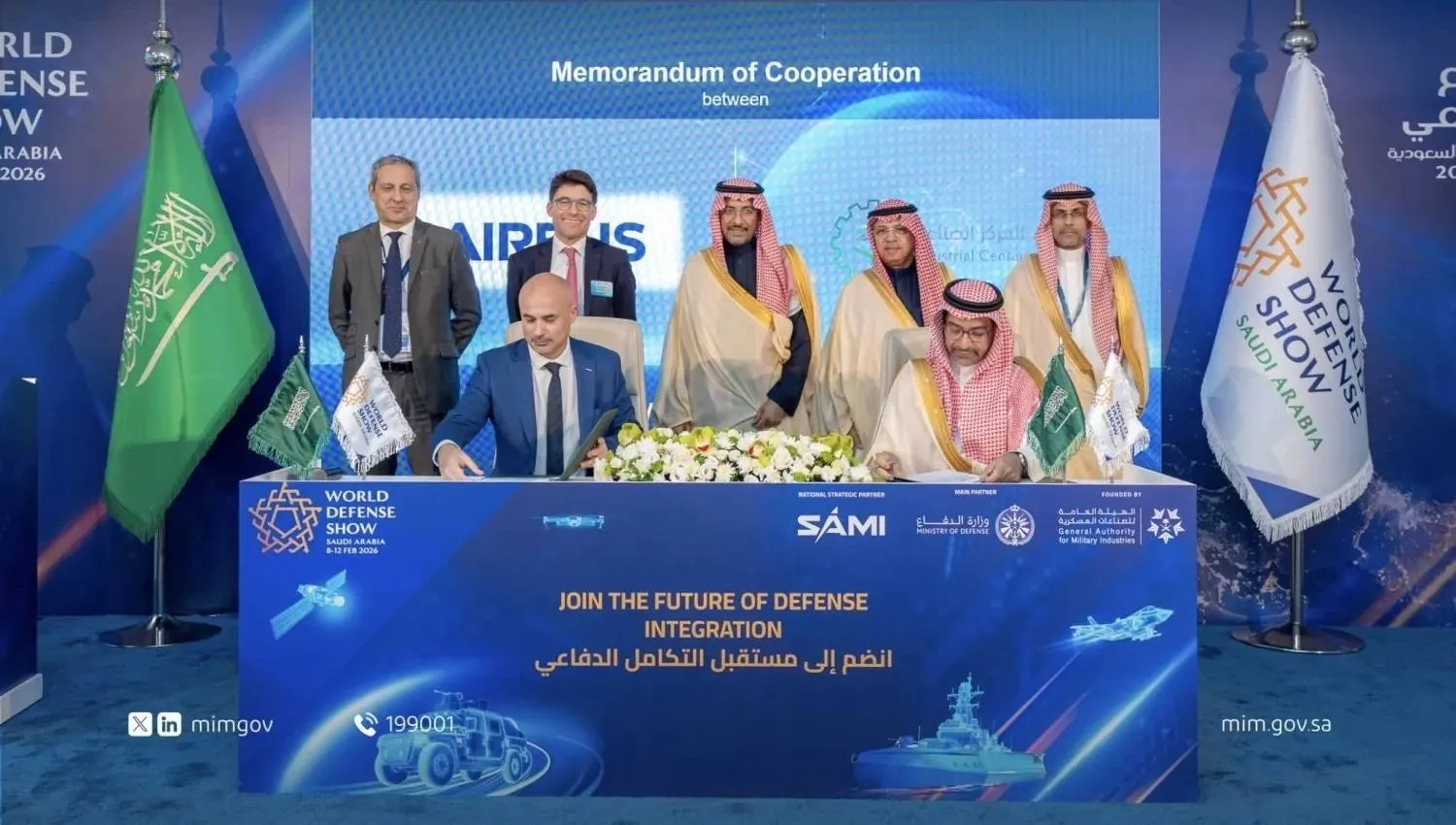
Minister of Industry and Mineral Resources Bandar Alkhorayef witnesses the signing of a memorandum of cooperation between the National Industrial Development Center and Airbus (Asharq Al-Awsat). 
TT

World Defense Show Sees Surge in Agreements, Strategic Partnerships

Minister of Industry and Mineral Resources Bandar Alkhorayef witnesses the signing of a memorandum of cooperation between the National Industrial Development Center and Airbus (Asharq Al-Awsat). 

The second day of the third edition of the World Defense Show 2026 in Riyadh witnessed intensified momentum in the signing of defense agreements and strategic partnerships with international entities.

It reflects Saudi Arabia’s drive to localize technology, build national capabilities in the military and defense sectors, and deepen local supply chains in line with Vision 2030.

On the sidelines of the exhibition, the Saudi Ministry of Defense signed 28 contracts with local and international companies specializing in military industries.

Four contracts were signed by Dr. Khaled Al-Biyari, Assistant Minister of Defense for Executive Affairs, with chief executives of France’s MBDA, Raytheon Saudi Arabia, South Korea’s Hanwha Aerospace, and Italy’s Leonardo.

Al-Biyari also attended the signing of eight additional contracts concluded by Ibrahim Al-Suwayed, Undersecretary of Defense for Procurement and Armament, with local and global companies from France, Türkiye, South Korea, and Italy.

A further 16 contracts were signed by executive directors at the Ministry’s Procurement and Armament Agency with representatives of defense firms.

The agreements aim to enhance the readiness and combat efficiency of the armed forces, ensure the sustainability of military systems, and support the localization of defense manufacturing. These efforts align with Vision 2030 targets to localize more than 50 percent of spending on military equipment and services.

In a parallel development, Al-Biyari and German State Secretary at the Federal Ministry of Defense Jens Plötner signed draft arrangements for defense cooperation between the two countries.

The exhibition also highlighted efforts to localize the aviation industry. The Minister of Industry and Mineral Resources oversaw the signing of a memorandum of cooperation between the National Industrial Development Center and European aerospace company Airbus.

The memorandum includes plans to establish engineering centers for manufacturing, assembly, and maintenance, transfer technology and expertise, and develop a logistics ecosystem to support the aviation industry.

It also covers attracting global suppliers to invest locally, exploring procurement and export options, and identifying incentives and financing mechanisms to support joint projects. Training programs and educational partnerships are also planned to qualify Saudi talent to lead the aviation sector and related industries.

Innovation and integration were the central themes of the exhibition’s second day. Eng. Ahmad Al-Ohali, Governor of the General Authority for Military Industries, reaffirmed Saudi Arabia’s commitment to developing integrated and globally competitive defense industries.

He noted that the exhibition reflects national goals to advance localization, strengthen supply chains, and enhance operational readiness across defense and security sectors.

Chief of the General Staff General Fayyadh Al-Ruwaili outlined strategic directions for developing the national defense system in light of evolving global operational conditions. Senior local and international officials participated in discussions on building a resilient defense framework capable of addressing future challenges.

The program also featured “Thought Leadership” sessions focusing on the evolution of defense industries, investment opportunities in aviation and space, and supply chain development.

Activities continued at the Defense Industry Lab and the Saudi Supply Chain Zone, designed to strengthen collaboration among manufacturers and accelerate technology transfer.

Exhibition Chief Executive Officer Andrew Pearcey said the strong international participation reflects Saudi Arabia’s growing role in shaping the future of defense technologies. The World Defense Show brings together 1,468 exhibitors from 89 countries, with live demonstrations and strategic programs covering air, land, sea, space, and security domains.

Further strengthening industrial capabilities, GE Aerospace signed an industrial participation agreement with the General Authority for Military Industries to enhance repair and maintenance capabilities for F110 engines.

A separate memorandum of understanding was also signed to explore building a globally competitive aviation industrial base and accelerating the Kingdom’s manufacturing roadmap. The authority said the agreement would support knowledge transfer, international certification, and the localization of engine component manufacturing.

Major global defense and aerospace companies also reaffirmed their commitment to supporting Saudi Arabia’s localization agenda. Boeing highlighted its support for enhancing readiness and domestic capabilities, while RTX, through Raytheon Saudi Arabia, showcased advanced defense systems and emphasized workforce development and integrated solutions aligned with the exhibition’s theme, “The Future of Defense Integration.”

The World Defense Show continues to consolidate its role as a global platform connecting manufacturers, investors, entrepreneurs, and decision-makers.

Supported by regulatory development, incentive programs, and human capital initiatives, Saudi Arabia has made tangible progress in localization. By 2024, localized military spending had reached nearly 25 percent, local content stood at 40.7 percent, and Saudization reached 63 percent, reinforcing the Kingdom’s ambition to become a regional hub for defense and aviation industries by 2030.


Saudi Arabia's PIF Shifts from Launching Opportunities to Accelerating Growth

During a ministerial session, Saudi ministers emphasized that the partnership between PIF and the private sector is the main engine of Saudi Arabia’s economic transformation. (Asharq Al-Awsat)
TT

Saudi Arabia's PIF Shifts from Launching Opportunities to Accelerating Growth

During a ministerial session, Saudi ministers emphasized that the partnership between PIF and the private sector is the main engine of Saudi Arabia’s economic transformation. (Asharq Al-Awsat)

In line with the objectives of the third phase of Saudi Vision 2030 and the Public Investment Fund’s (PIF) five-year strategy, Saudi Arabia’s sovereign wealth fund is moving from building sectors to integrating ecosystems, and from launching opportunities to accelerating growth, backed by an open invitation to the private sector to invest and partner in shaping a diversified, resilient economy.

This was outlined by PIF Governor Yasir Al-Rumayyan during the PIF–Private Sector Forum held in Riyadh on Monday.

Al-Rumayyan said the forum has become the largest platform of its kind for capturing partnership and collaboration opportunities with companies, noting that participation has reached 25,000 leaders from the public and private sectors and investors from Saudi Arabia and abroad since 2023.

“In the previous edition, we succeeded in turning dialogue into tangible opportunities for the private sector through programs and initiatives that supported business-environment growth,” he said, adding that more than 140 agreements worth over SAR 15 billion ($4 billion) were signed during the last forum.

Al-Rumayyan explained that PIF is working with the private sector to deepen impact and build an integrated economic ecosystem that drives sustainable growth.

This approach aligns with the investment cycle, beginning with risk-taking to build strategic sectors, establish national champions, and launch initiatives that stimulate local content spending, localize supply chains, develop domestic capabilities and industries, and expand infrastructure, he explained.

He noted that the impact of PIF’s programs and initiatives to strengthen private-sector partnerships has become evident. Spending on local content by PIF and its portfolio companies reached SAR 591 billion ($157.6 billion) between 2020 and 2024, supported by the Musahama Local Content Development Program.

According to Al-Rumayyan, the Contractor Financing Program enabled the execution of PIF projects worth more than SAR 10 billion ($2.6 billion) through innovative financing solutions, raising the participation rate of local contractors in PIF projects to 67 percent in 2025.

PIF has also offered the private sector more than 190 investment opportunities valued at over SAR 40 billion ($10.6 billion) through international partnerships and supply-chain localization, he added.

“The impact has not been limited to financing,” he said. “It has extended to enhancing corporate readiness, building national talent, and creating high-quality jobs, within an ecosystem that applies the highest standards of efficiency, transparency, and governance.”

During a ministerial session, Saudi ministers emphasized that the partnership between PIF and the private sector is the main engine of the Kingdom's economic transformation, driving investment inflows, building new value chains, and empowering non-oil sectors in line with Vision 2030 targets.

Minister of Investment Khalid Al-Falih said a key objective of PIF is to catalyze an unprecedented shift from an oil-dependent rentier economy to a diversified, sustainable one.

The National Investment Strategy, launched in Oct. 2022, aims to inject SAR 12 trillion by 2030, he stressed. More than SAR 6.2 trillion has already been achieved in three and a half years, lifting investment contribution to 30 percent of GDP.

Investment in the non-oil economy has exceeded 40 percent, with PIF contributing about SAR 650 billion of total investments, while over 65 percent came from private-sector institutions, he remarked.

He highlighted a tenfold increase in registered investment companies and a rise in firms using Saudi Arabia as a regional headquarters, from five to around 700.

Meanwhile, Minister of Transport Saleh Al-Jasser said the Kingdom attracted SAR 25 billion in private investment through privatization projects, while total private-sector investment in transport exceeded SAR 250 billion since the launch of the national strategy in mid-2021.

He revealed 16 current investment opportunities across airports, roads, maritime transport, and logistics.

Minister of Municipalities and Housing Majed Al-Hogail said improving municipal-sector efficiency depends heavily on private-sector participation.

He noted that 12 of 21 services identified as eligible for privatization in major cities have been completed, representing about 40 percent of the target. The municipal sector oversees more than seven million workers, around 970,000 establishments, and more than 2,450 professions.

In industry and mining, Minister Bandar AlKhorayef said Saudi Arabia has become a leading global investment destination. He outlined PIF’s three roles: direct investment in promising sectors, building major supply chains, and elevating challenges to policymakers to improve regulations.

He added that adopting Industry 4.0 and artificial intelligence accelerates project delivery and strengthens competitiveness.

Tourism Minister Ahmed Al-Khateeb said tourism has become a key driver of economic diversification. Its contribution to GDP rose from 3.5 percent in 2019 to about 5 percent by the end of 2025, with a target of 10 percent.

Employment in the sector has exceeded one million jobs, while committed investments between 2020 and 2030 amount to about SAR 450 billion, split evenly between PIF and the private sector, he revealed.

He stressed that globally, tourism is run by the private sector as both investor and operator.

The PIF–Private Sector Forum serves as a platform linking supply and demand by connecting PIF portfolio companies with government entities, investors, and private firms. It opens new horizons for partnerships and a new wave of projects that empower the private sector and strengthen its role in the national economy, supporting business growth and the future of the Saudi economy.



Saudi Minister of Industry Stresses Kingdom’s Commitment to Expanding Partnerships with Russia

Saudi Minister of Industry and Mineral Resources Bandar Alkhorayef speaks at Monday's event. (SPA)
TT

Saudi Minister of Industry Stresses Kingdom’s Commitment to Expanding Partnerships with Russia

Saudi Minister of Industry and Mineral Resources Bandar Alkhorayef speaks at Monday's event. (SPA)

Saudi Minister of Industry and Mineral Resources Bandar Alkhorayef stressed on Monday the Kingdom’s commitment to deepening its industrial and investment partnerships with Russia and leveraging joint opportunities across several priority sectors to achieve the mutual interests of both countries.

He made his remarks during the keynote speech at the International Industrial Exhibition “INNOPROM. Saudi Arabia,” underway in Riyadh and continuing until February 10. The event is witnessing wide participation from leaders in the public and private sectors, as well as major industrial companies from the Kingdom, Russia, and several other countries.

Alkhorayef said that Riyadh’s hosting of INNOPROM reflects the mutual interest between Saudi Arabia and Russia in boosting industrial and investment cooperation, building on historical relations spanning over a century.

This helps in expanding strategic industrial partnerships and stimulating targeted investments between the two countries, the minister added.

Riyadh’s hosting of the exhibition shortly after the Kingdom’s participation as a partner country in its previous edition in Russia underscores both countries’ commitment to deepening bilateral relations and developing cooperation in priority sectors, particularly industry, logistics, and supply chains, he went on to say.

Moreover, the minister underlined the Saudi and Russian governments' commitment to establish a strong cooperative foundation that provides a stable and secure investment environment for long-term investors.

Alkhorayef addressed the mining and minerals sector, noting that the Kingdom views Russia’s advanced experience in this field as a model to benefit from.

Promising opportunities exist in Saudi Arabia for Russian companies specializing in mining and mine services to participate in developing the vital sector, which constitutes the third pillar of the national industry under Saudi Vision 2030, he remarked.

The Kingdom also possesses an integrated system to support industrial projects, including advanced industrial cities, modern infrastructure, industrial financing, and training and qualification programs, alongside policies that support localization and knowledge transfer, all contributing to enabling high-value industrial investments and bolstering their sustainability, he noted.

INNOPROM is one of the leading international industrial exhibitions, organized annually for more than 15 years in Russia, attracting major industrial companies.

The current edition in Riyadh features broad Saudi and Russian participation, along with a business program that includes dialogue sessions and bilateral meetings aimed at building strategic partnerships that support the economic development objectives of both countries.