


Arabic Translation Lacks 'Post-translation Criticism'

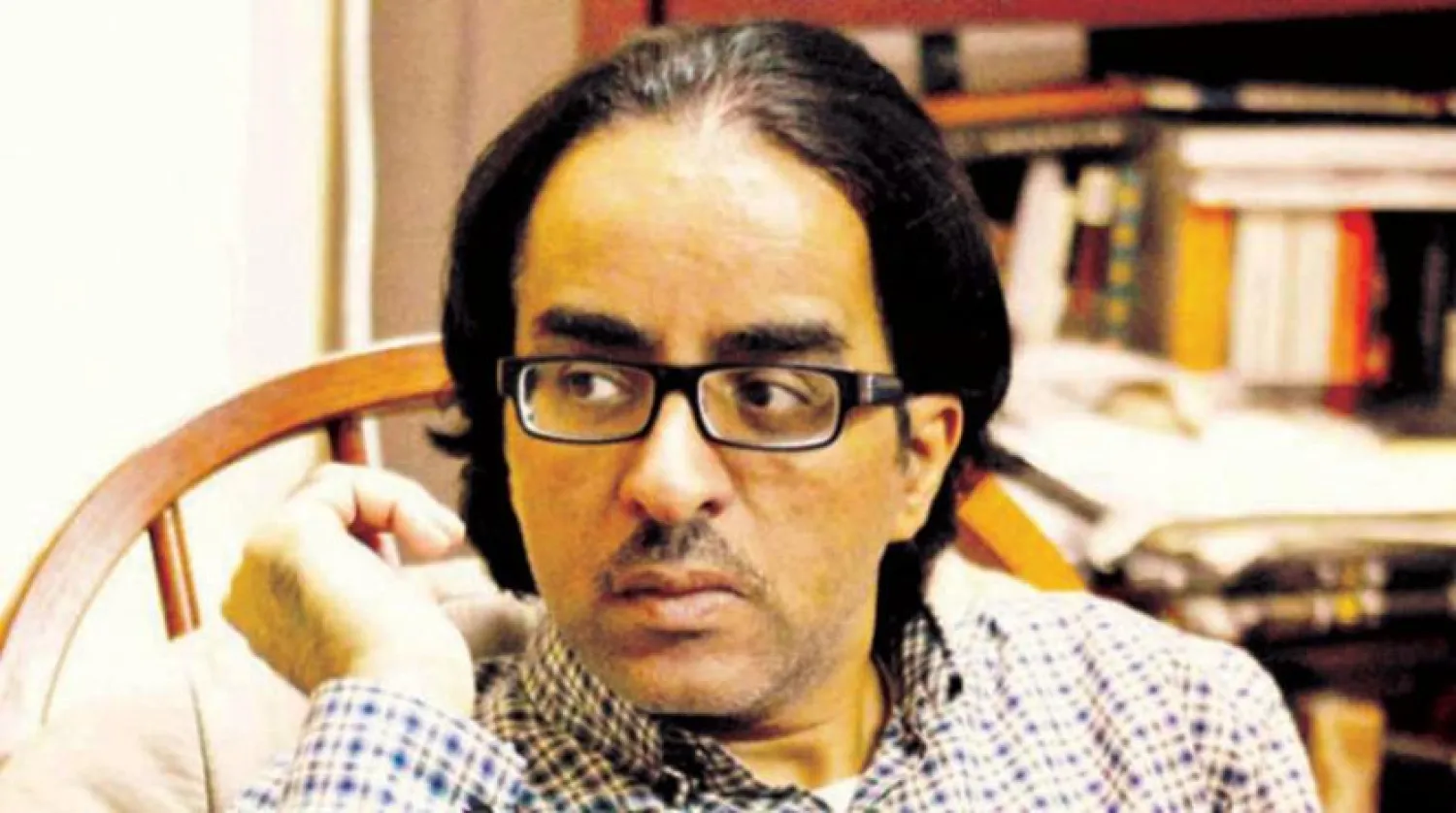
Saudi poet and translator, Abdul Wahab Abu Zaid.
TT

Arabic Translation Lacks 'Post-translation Criticism'

Saudi poet and translator, Abdul Wahab Abu Zaid.

Despite constant efforts by Arabic publishing houses to translate foreign novels into Arabic, the Arab world is still way behind other countries in this field.

Figures show that the share of translated books per capita in our Arab world is among the lowest globally, with one book for every one million Arabic one per year, compared to other smaller countries, such as Hungary with 519 books, and Spain with 920 books.

However, Arabic publishing houses show a great interest in translated works, mostly literary novels for many reasons, according to the owner of a prominent publishing house in Saudi Arabia. He said: “Dealing with foreign sources is much easier than dealing with local authors (Arabs),” which he attributed to “the professional and easy style of foreign authors.” The publisher here wasn’t referring to the costs or profits that are usually cited as reasons pushing Arabic publishers towards foreign books.

The publisher called on local authors to work with a literary agent who would represent them, introduce their works to publishers, mediate between them and publishing houses, and introduce their works to cinema producers. This connection would provide the authors with a formal mean that protects their rights, protects their interests during the publishing process, and contributes to a more professional publishing industry in the Kingdom. The publishing industry should include all those working in creative professions and content creation, such as writers, illustrators, editors, publishers, distributors, sellers, which could save much time and effort.

The Gulf region has seen many translation initiatives that have provided hundreds of books annually, through Jarir and Obeikan bookstores in Saudi Arabia, and the Kalima Project launched by the Department of Culture and Tourism Abu Dhabi. The Mohammed bin Rashid Al Maktoum Knowledge Foundation (MBRF) launched the project Tarjim in 2007 aimed at supporting and boosting translation efforts in the Arab world, and publishing 1,000 translated books.

In Kuwait, the Abdulaziz Saud Albabtain Cultural Foundation opened the Al-Babtain Translation Center; Saudi Arabia’s King Abdulaziz Public Library also launched an international award for translation, and the King Saud University has its own national translation center, in addition to the Global Arabic Encyclopedia project involving around 1,000 researchers, writers, translators, artists, consultants, and Arabic foundations, as well as 3,000 researchers and writers who wrote in English and have their works translated into Arabic. The Encyclopedia was published in 1996, comprising 30 volumes and 17,000 pages.

According to the Saudi Observatory on Translated Publications, 4,700 books have been translated from English into Arabic in the Kingdom between 1995 and 2015. The three top sources with the most translated works are: Jarir Bookstore (41 percent), Obeikan Bookstore (15 percent), and King Saud University (11 percent).

Abdul Wahab Abu Zaid, Saudi poet and translator, says “contrary to all assumptions and expectations, the new generation didn’t abandon reading. We have noticed a remarkable turnout (it could be described as significant) on new books, bookstores, and the growing number of books selling platforms competing to lure the largest number of readers.”

“The new generation is passionate about reading, and remarkably favors translated books in all fields, mostly those related to thought and philosophy, as well as novels to explore foreign literature and cultures. This passion is comparable to the youth thirst for modern cinema,” he believes.

However, this interest in foreign literature has pushed publishing houses to dumping markets with mediocre or even bad translations, or reprinting old translations, so publishers can acquire the largest share of the translated books market.


Prince Mohammed bin Salman Project Restores Century-Old Uqlat Al-Suqur Mosque in Qassim

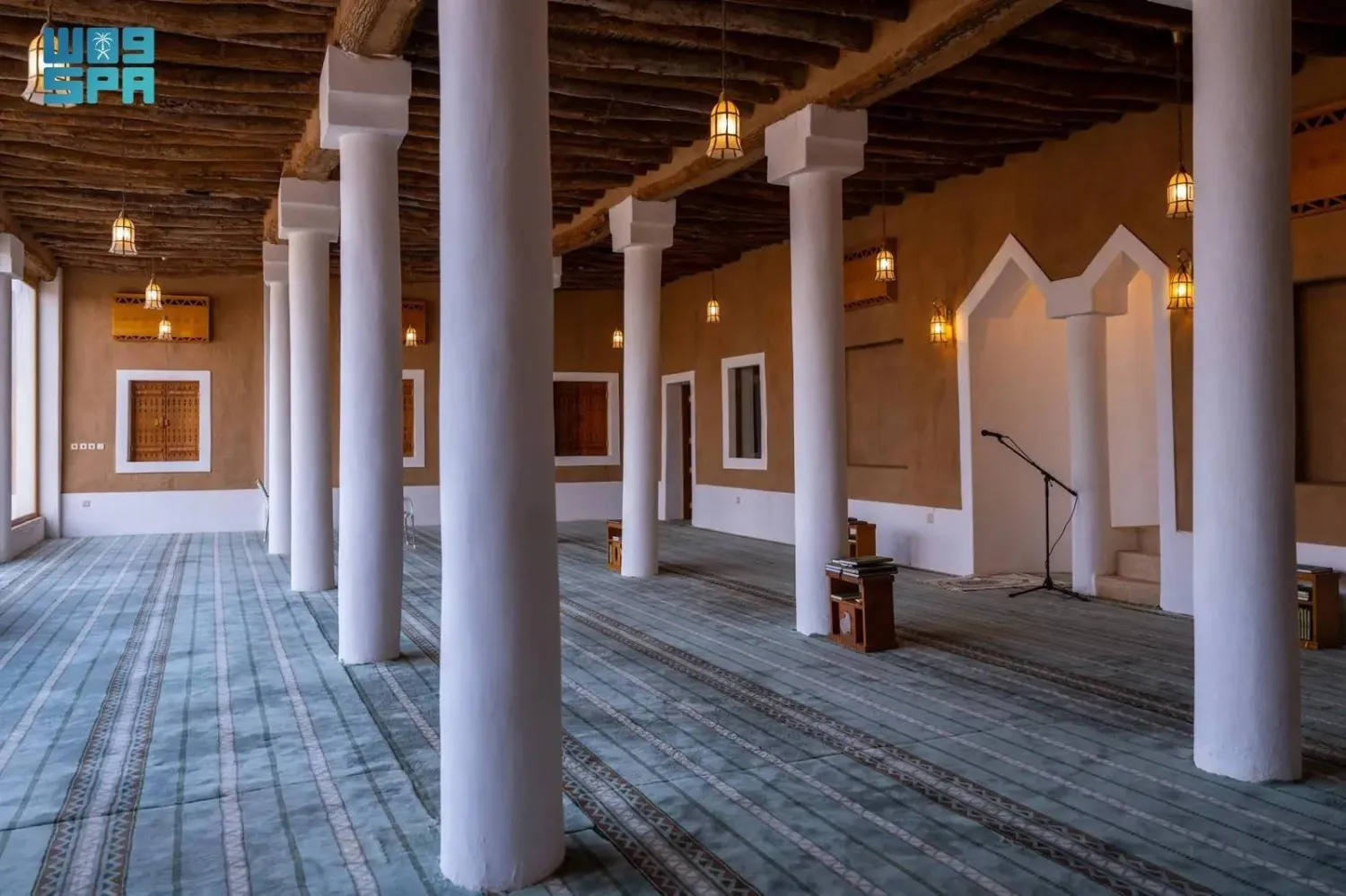
The renovation utilized traditional mud, stone, and wood to preserve the mosque's authentic Najdi architectural style. (SPA)
TT

Prince Mohammed bin Salman Project Restores Century-Old Uqlat Al-Suqur Mosque in Qassim

The renovation utilized traditional mud, stone, and wood to preserve the mosque's authentic Najdi architectural style. (SPA)

The Prince Mohammed bin Salman Project for the Development of Historical Mosques has completed the restoration of the Uqlat Al-Suqur Mosque in Qassim Region, revitalizing a heritage landmark dating back to 1922, reported the Saudi Press Agency on Saturday.

Originally the only mosque in the area, it served as a vital religious and social hub for education and community governance.

The renovation, executed by specialized Saudi firms, utilized traditional mud, stone, and wood to preserve its authentic Najdi architectural style.

The project increased the mosque's area to 544 square meters, expanding its capacity to 250 worshippers while maintaining its historical identity.

The initiative aligns with Vision 2030 to preserve the Kingdom's urban heritage and boost the cultural and religious significance of its historical mosques for future generations.


Tomb More Than 1,000 Years Old Found in Panama

This handout picture released by Panama’s Ministry of Culture shows an archaeologist working inside a pre-Hispanic tomb approximately 1,200 years old, discovered at the El Cano Archaeological Park in Cocle, Panama, on February 20, 2026. (Handout / Panama’s Ministry of Culture / AFP)
TT

Tomb More Than 1,000 Years Old Found in Panama

This handout picture released by Panama’s Ministry of Culture shows an archaeologist working inside a pre-Hispanic tomb approximately 1,200 years old, discovered at the El Cano Archaeological Park in Cocle, Panama, on February 20, 2026. (Handout / Panama’s Ministry of Culture / AFP)

Archaeologists have discovered a tomb more than a thousand years old in Panama containing human remains alongside gold and ceramic artifacts, the lead researcher told AFP on Friday.

The discovery was made at the El Cano site in the Nata district about 200 kilometers (124 miles) southwest of Panama City.

Scientists and archaeologists have already unearthed other remains of pre-Hispanic cultures in the region that has been excavated for two decades.

The skeletal remains were found surrounded by gold objects and pottery decorated with traditional motifs, pointing to these being "high-ranking" individuals, archaeologist Julia Mayo told AFP, adding that the tomb was built between 800 and 1000 AD.

"The individual with the gold was the one with the highest social status in the group," she said.

That body was found with two bracelets, two earrings, and pectoral jewelry that featured bats and crocodiles, she added.

The El Cano archaeological site is linked to the societies that inhabited the central provinces of Panama between the 8th and 11th centuries.

"This is where they buried their dead for 200 years," said Mayo.

Nine other tombs "similar" to the one found on Friday had already been found at the site, she added.

Panama's Ministry of Culture said the discovery was "of great importance for Panamanian archaeology and the study of pre-Hispanic societies of the Central American isthmus," referring to the land that connects North and South America.

According to experts, these excavations demonstrate that death did not represent an end for these societies, but a transition to another phase where social status remained important.


When in Rome: Budapest Pizzeria Offers Time-Travel Twist with Ancient Rome-Inspired Pie

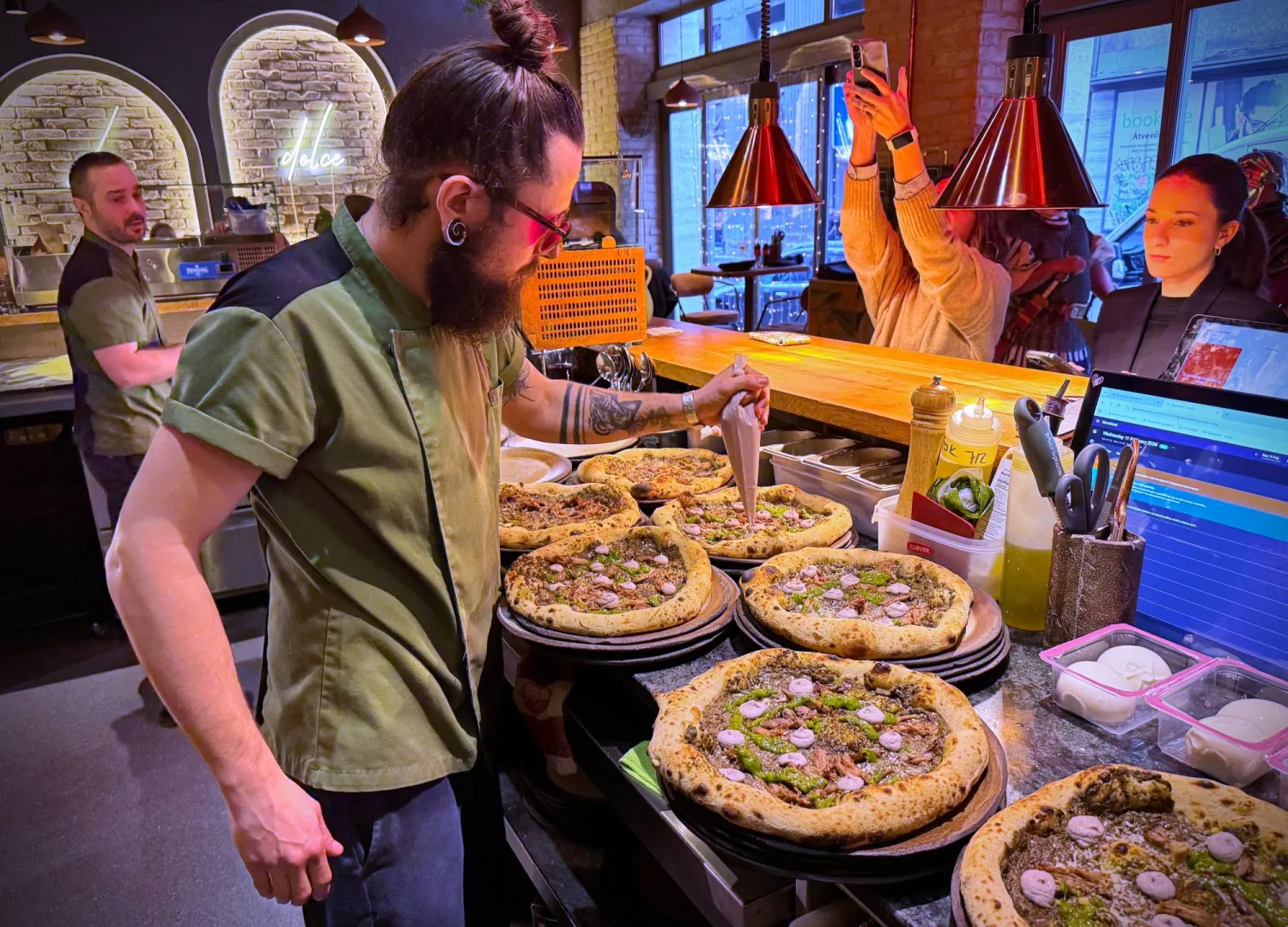
László Bárdossy, head chef of the Neverland Pizzeria adds topping on the restaurant's Roman-era pizza in Budapest, Hungary, on Feb. 11, 2026. (AP)
TT

When in Rome: Budapest Pizzeria Offers Time-Travel Twist with Ancient Rome-Inspired Pie

László Bárdossy, head chef of the Neverland Pizzeria adds topping on the restaurant's Roman-era pizza in Budapest, Hungary, on Feb. 11, 2026. (AP)

In Hungary’s capital, a city best known for its goulash, a pizzeria is inviting diners to travel back two millennia to a time before tomatoes, mozzarella or even the word “pizza” were known in Europe.

At Neverland Pizzeria in central Budapest, founder Josep Zara and his team have created a limited-edition pie using only ingredients that would have been available in ancient Rome, long before what we know today as pizza ever existed.

“Curiosity drove us to ask what pizza might have been like long ago,” Zara said. “We went all the way back to the Roman Empire and wondered whether they even ate pizza at the time.”

Strictly speaking, they did not. Tomatoes arrived in Europe centuries later from the Americas, and mozzarella was as yet unknown. Some histories have it that the discovery of mozzarella led directly to the invention of pizza in Naples in the 1700s.

But Romans did eat oven-baked flatbreads topped with herbs, cheeses and sauces, the direct ancestors of modern pizza, which were often sold in ancient Roman snack bars called thermopolia.

In 2023, archaeologists uncovered a fresco in Pompeii depicting a focaccia-like flatbread topped with what appear to be pomegranate seeds, dates, spices and a pesto-like spread. The image made headlines around the world, and sparked Zara’s imagination.

“That made me very curious about what kind of flavor this food might have had,” he said. “That’s where we got the idea to create a pizza that people might have eaten in the Roman Empire, using only ingredients that were in wide use at the time.”

Zara began researching Roman culinary history, consulting a historian in Germany as well as the ancient cookbook De re coquinaria, thought to have been authored around the 5th century. Following his research, he compiled a list of historically documented ingredients to present to the pizzeria's head chef.

“We sat down to imagine what we might be able to make using these ingredients, and without using things like tomatoes and mozzarella,” Zara said. “We had to exclude all ingredients that originated from America.”

Head chef László Bárdossy said the constraints forced the team into months of experimentation, and a few false starts.

“We had to discard a couple ideas,” Bárdossy said. “The fact that there wasn’t infrastructure like a water system at the time of the Romans made things difficult for us, since more than 80% of pizza dough is water. We had to come up with something that would have worked before running water.”

The solution: helping the dough rise using fermented spinach juice. Ancient grains such as einkorn and spelt, widely cultivated in Roman times, formed the base, and the dough ended up slightly more dense than that of most modern pizzas.

The finished pie is topped with ingredients associated with Roman aristocratic cuisine, including epityrum, an olive paste, garum, a fermented fish sauce ubiquitous in Roman cooking, confit duck leg, toasted pine nuts, ricotta and a grape reduction.

“Our creation can be called a modern pizza from the perspective that we tried to make it comprehensible for everyone,” Bárdossy said. “Although we wouldn’t use all its ingredients for everyday dishes. There is a narrow niche that thinks this is delicious and is curious about it, while most people want more conventional pizza, so it’s not for everyday eating. It’s something special.”

For Zara, the project reflects Neverland Pizzeria’s broader philosophy.

“We’ve always liked coming up with new and interesting things, but tradition is also very important for us, and we thought that these two things together suit us,” he said.

However, he added, there is a modern boundary the restaurant will not cross.

“We do a lot of experimentation with our pizzas. But of course, we definitely do not use pineapple,” he said.