


Saudi Arabia Announces Qualified Bidders for 2nd Exploration Licensing Round at Umm Ad Damar

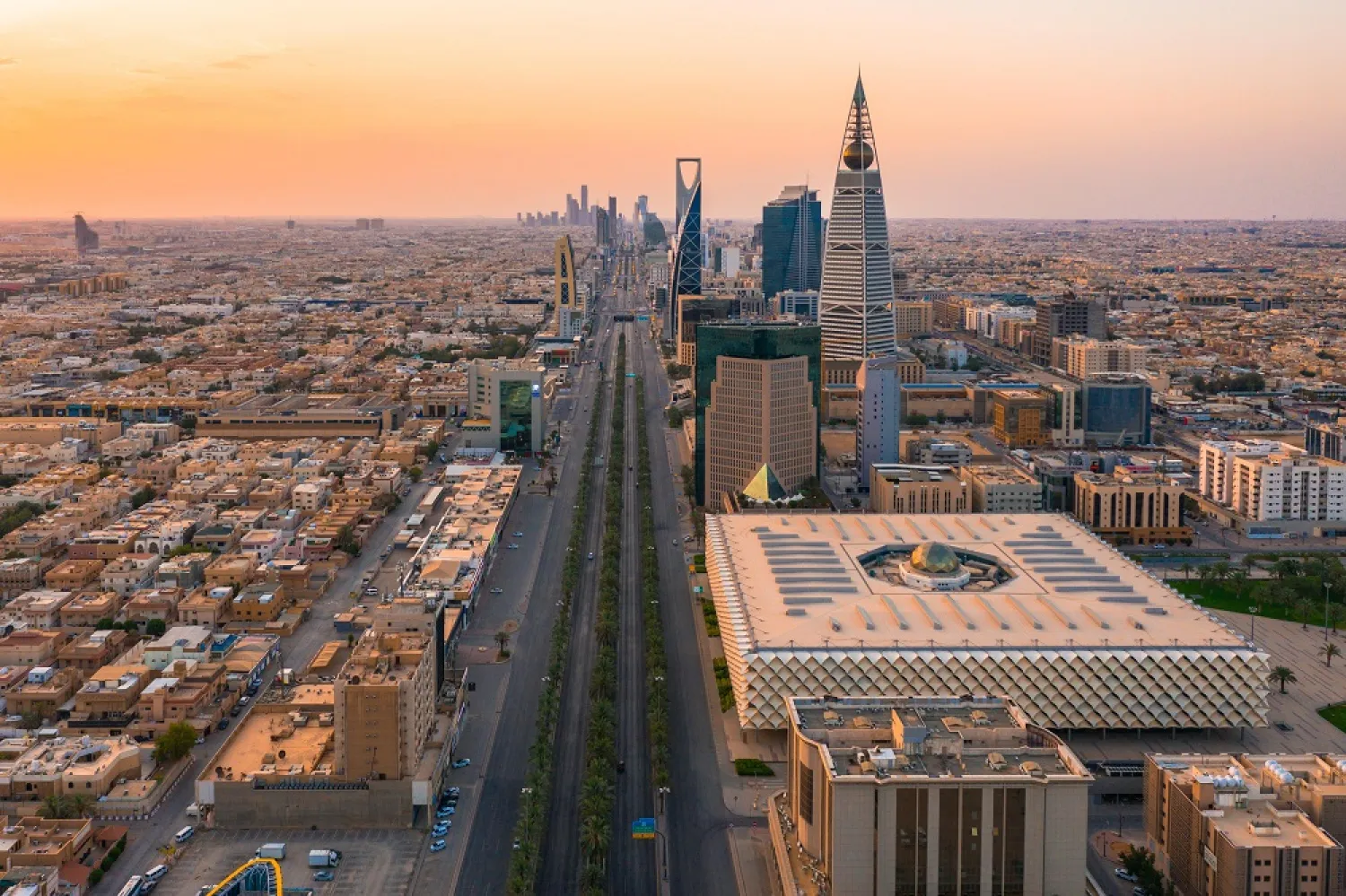
A general view of Riyadh, Saudi Arabia. (SPA)
TT

Saudi Arabia Announces Qualified Bidders for 2nd Exploration Licensing Round at Umm Ad Damar

A general view of Riyadh, Saudi Arabia. (SPA)

Saudi Ministry of Industry and Mineral Resources announced on Wednesday that 13 bidders have qualified for the second stage of the Umm Ad Damar exploration site licensing round, the second of its kind in the Kingdom.

The move is in with Saudi Vision 2030, which seeks to transform the mining sector into the third pillar of the national industries.

Umm Ad Damar is an early exploration site that is part of the mineral-rich Arabian Shield, and covers more than 40 square km. The Umm Ad Damar deposit, which includes copper, zinc, gold, and silver, lies 300km northeast of Jeddah and 25km northwest of Mahd Adh Dhahab town, on the Jeddah geological terrane in the Jabal Saiyd mineralized belt within the Mahad formation.

On July 17, a diverse pool of highly experienced and competent candidates, both local and international, submitted qualification questionnaires with the aim of proceeding to the second stage of the licensing round.

The Ministry has qualified 13 bidders from this pool to the proposal stage: Abdul Rahman Saad AlRashid & Sons Co. (ARTAR), African Rainbow Minerals, Al Masane Al Kobra Mining Company (AMAK), Alara Saudi Ventures PTY LTD, Barrick Gold T 7 Limited, Consortium between Moxico Resources PLC and Ajlan & bros mining company, ERG Arabia LLC, Norin Mining Ltd, Saudi Arabian Mining Company (Ma’aden), UDS Golden Group, Vedanta Limited, Yancoal Australia Ltd. and Yilmaden Holding.

Qualified bidders will receive an Information Memorandum, which sets out the requirements to follow when submitting their proposals for the site exploration license. Qualified bidders are given until the beginning of October 2022 to complete and submit their proposals.

Proposal submissions will be assessed based on a number of criteria, including technical, financial, environmental, and social management plans. Qualified bidders can now access the data room, which includes an Independent Technical Report and additional data such as the 3D model.

The qualified bidders will also be invited to a workshop which will be organized by the Ministry in August to learn more about the next stages of the licensing round process and visit the site in person. This will be followed by a multi-round auction to select the preferred bidder.

Considering the emphasis Saudi Arabia is placing on environmental, social and governance (ESG) as it seeks to lead and transform the region’s mining sector, bidders will need to demonstrate how they will uphold these principles in terms of providing a social plan that demonstrates the bidders’ positive contribution and commitment to the surrounding communities.

The current Umm Ad Damar licensing round is a key milestone for the Ministry of Industry and Mineral Resources and supports its objectives of enabling the growth of the mining industry in Saudi Arabia and diversifying the economy towards a sustainable future. The Kingdom’s second mineral tender for Umm Ad Damar is a continuation of a successful and new chapter in the journey towards a robust Saudi Mining sector.



Türkiye's Central Bank Lifts 2026 Inflation Forecasts

Türkiye's Central Bank headquarters is seen in Ankara, Türkiye in this January 24, 2014 file photo. REUTERS/Umit Bektas
TT

Türkiye's Central Bank Lifts 2026 Inflation Forecasts

Türkiye's Central Bank headquarters is seen in Ankara, Türkiye in this January 24, 2014 file photo. REUTERS/Umit Bektas

Türkiye's central bank on Thursday increased its estimates for inflation as officials try to rein in soaring price increases that have weighed on the economy for years.

The official inflation rate is now seen falling to between 15 and 21 percent by the end of this year, up from a previous forecast of 13 to 19 percent.

"We have increased our forecast range because of better visibility on certain risks," the central bank's governor Fatih Karahan said in a statement, without further detail, Reuters reported.

The forecast would still be a sharp decline from the annual inflation rate of 30.7 percent in January, following years of interest rate hikes in a bid to slow runaway price increases.

However, the official figures are disputed by ENAG, a group of independent economists that publishes its own data every month, with the organisation saying year-on-year inflation stood at 53.4 percent in January.

Türkiye has experienced double-digit inflation since 2019, making life increasingly more expensive for millions of people, after President Recep Tayyip Erdogan ordered interest rate cuts in a bid to spur growth.

The cuts sent the lira plunging on currency markets, further fuelling inflation and leading Erdogan to reverse his unorthodox policy in 2023.

But in January the central bank cut its benchmark interest rate to 37 percent, citing a continued slowing of price increases.


Mawani Reports 2.01% Increase in Container Throughput for January 2026

Mawani Reports 2.01% Increase in Container Throughput for January 2026
TT

Mawani Reports 2.01% Increase in Container Throughput for January 2026

Mawani Reports 2.01% Increase in Container Throughput for January 2026

Ports overseen by the Saudi Ports Authority (Mawani) reported a 2.01% increase in container handling for January 2026, totaling 738,111 TEUs, up from 723,571 TEUs in January 2025. Transshipment containers rose significantly by 22.44%, reaching 184,019 TEUs compared to 150,295 TEUs the previous year.

However, the number of imported containers decreased by 3.23% to 284,375 TEUs, and exported containers dropped by 3.47% to 269,717 TEUs year-over-year, SPA reported.

Passenger numbers surged by 42.27%, totaling 143,566 passengers compared to 100,909 last year. Vehicle volumes increased by 3.31% to 109,097, and the ports received 886,908 heads of livestock, a 49.86% increase from the same period in 2025.

In terms of cargo tonnage, liquid bulk cargo rose by 0.28% to 14,102,495 tons, general cargo totaled 839,987 tons, and solid bulk cargo reached 4,263,168 tons. The total tonnage handled was 19,205,650 tons, reflecting a 3.04% decrease from the previous year. Vessel traffic recorded 1,121 ships, a slight decrease of 1.75%.

This increase in container throughput supports trade, stimulates the maritime transport industry, and enhances supply chains and food security. These achievements align with the National Transport and Logistics Strategy, reinforcing Saudi Arabia's position as a global logistics hub.

In 2025, Mawani ports achieved a 10.58% increase in total handled containers, reaching 8,317,235 TEUs, while transshipment containers for the year rose by 11.78% to 1,927,348 TEUs.


Oil Prices Edge Lower as IEA Reduces Demand Forecast

Oil platforms and pumpjacks at Lake Maracaibo, in Cabimas, Venezuela, January 26, 2026. REUTERS/Leonardo Fernandez Viloria/File Photo
TT

Oil Prices Edge Lower as IEA Reduces Demand Forecast

Oil platforms and pumpjacks at Lake Maracaibo, in Cabimas, Venezuela, January 26, 2026. REUTERS/Leonardo Fernandez Viloria/File Photo

Oil prices slipped on Thursday as investors weighed the International Energy Agency's lowering of its global oil demand forecast for 2026 against potential escalation of US-Iran tensions.

Brent crude oil futures were down 19 cents, or 0.27%, at $69.21 a barrel by 1232 GMT. US West Texas Intermediate crude fell 8 cents, or 0.12%, to $64.55.

Global oil demand will rise more slowly than previously expected this year, the IEA said on Thursday while projecting a sizeable surplus despite outages that cut supply in January.

The Brent and WTI benchmarks reversed gains to turn negative after the IEA's monthly report, having derived support earlier from concerns over the US-Iran backdrop.

US President Donald Trump said after talks with Israeli Prime Minister Benjamin Netanyahu on Wednesday that they had yet to reach a definitive agreement on how to move forward with Iran but that negotiations with Tehran would continue.

Trump had said on Tuesday that he was considering sending a second aircraft carrier to the Middle East if a deal is not reached with Iran. The date and venue of the next round of talks have yet to be announced.

A hefty build in US crude inventories had capped the early price gains. US crude inventories rose by 8.5 million barrels to 428.8 million barrels last week, the Energy Information Administration said, far exceeding the 793,000 increase expected by analysts in a Reuters poll.

US refinery utilization rates dropped by 1.1 percentage points in the week to 89.4%, EIA data showed.

On the supply side, Russia's seaborne oil products exports in January rose by 0.7% from December to 9.12 million metric tons on high fuel output and a seasonal drop in domestic demand, data from industry sources and Reuters calculations showed.