


Islamic Countries Adopt Makkah Agreement for Cooperation in Combating Corruption

A group photo of ministers, presidents, deputies and representatives of anti-corruption law enforcement agencies in the OIC member states and heads of relevant international organizations (Asharq Al-Awsat)
TT

Islamic Countries Adopt Makkah Agreement for Cooperation in Combating Corruption

A group photo of ministers, presidents, deputies and representatives of anti-corruption law enforcement agencies in the OIC member states and heads of relevant international organizations (Asharq Al-Awsat)

Anti-corruption agencies of Organization of Islamic Cooperation (OIC) member states have adopted the Makkah Agreement aimed at strengthening cooperation and preventing corruption crimes.

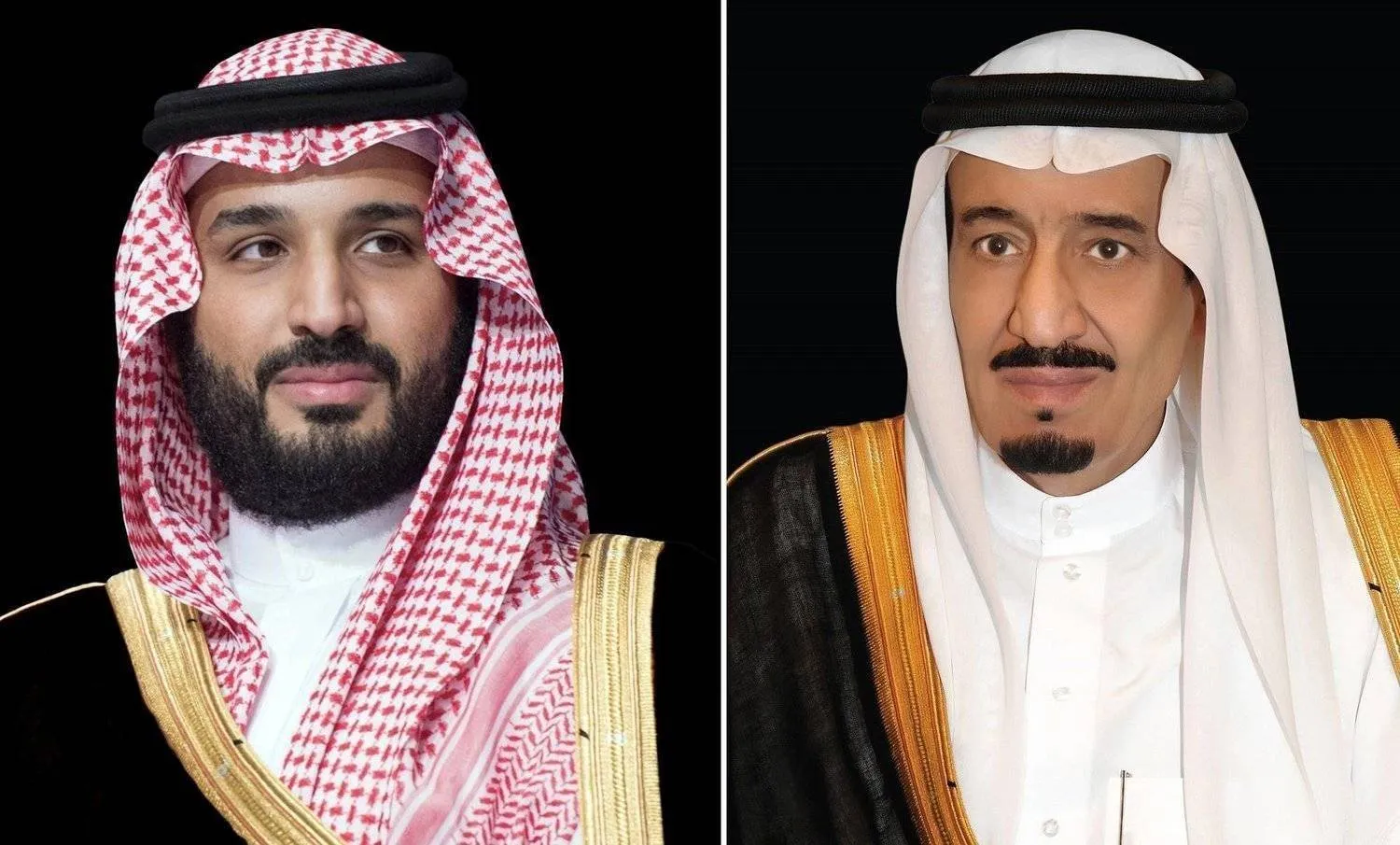
The law enforcement agencies have attended their first ministerial meeting, in Jeddah. Heads of international bodies also attended the two-day meeting, which was held under the patronage of Saudi Crown Prince Mohammed bin Salman.

President of the Kingdom’s Oversight and Anti-Corruption Authority Mazin bin Ibrahim Al-Kahmous said that Saudi Arabia supported efforts to combat corruption at local and international levels, as it constituted a pillar of Vision 2030.

He said that the meeting was a confirmation of the OIC’s charter — which seeks to combat corruption, money laundering and organized crime — and embodied the strong relations between Islamic countries which helped signify a united front toward desired goals.

He added that the adoption of the Makkah Agreement by member states would establish a new phase of cooperation in the field of combating corruption to serve common interests.

For his part, OIC Secretary-General Hissein Brahim Taha said that the Makkah Agreement provided the most significant and effective framework for preventing and combating corruption in member states through effective prevention, law enforcement, international cooperation, and asset recovery mechanisms.

Taha called on the OIC states to engage in the fight against corruption by signing and ratifying the Makkah Agreement in order to enforce anti-corruption laws “in accordance with their legal systems and in line with the aspirations and perspectives of member states in the fight against corruption.”

Furthermore, Taha thanked Saudi Arabia for its generous initiative in hosting the first ministerial meeting of law enforcement agencies concerned with combating corruption in member states under the umbrella of the OIC.

The Makkah Agreement looks to enhance cooperation between the enforcement authorities of anti-corruption laws in an efficient and speedy manner. It encourages joining the Riyadh Initiative, provides a legal framework for the exchange of information and investigations directly and quickly, and contributes to preventing corruption crimes and limiting safe havens for the corrupt.


Saudi Interior Minister Approves New Strategy of the Supreme Authority for Industrial Security

Saudi Minister of Interior and Chairman of the Board of the Supreme Authority for Industrial Security Prince Abdulaziz bin Saud bin Naif bin Abdulaziz. (SPA)
TT

Saudi Interior Minister Approves New Strategy of the Supreme Authority for Industrial Security

Saudi Minister of Interior and Chairman of the Board of the Supreme Authority for Industrial Security Prince Abdulaziz bin Saud bin Naif bin Abdulaziz. (SPA)

Saudi Minister of Interior and Chairman of the Board of the Supreme Authority for Industrial Security Prince Abdulaziz bin Saud bin Naif bin Abdulaziz approved on Sunday the authority's new strategy, which aims to strengthen the regulatory and legislative environment in the fields of industrial security and build an investment-attractive and expertise-localizing system based on effective strategic partnerships.

The strategy contributes to fostering a culture of security and safety at the national level and includes a set of qualitative initiatives aimed at raising safety and sustainability levels in facilities under the authority's supervision.

It comprises more than twenty qualitative initiatives, including empowering non-profit organizations operating in industrial security and developing a specialized research ecosystem, as well as initiatives designed to establish an integrated, leading, and sustainable national industrial security system.


GCC Secretary-General Commends UN Resolution Extending UNRWA Operations

Secretary General of the Gulf Cooperation Council Jasem Mohamed Albudaiwi. GCC
TT

GCC Secretary-General Commends UN Resolution Extending UNRWA Operations

Secretary General of the Gulf Cooperation Council Jasem Mohamed Albudaiwi. GCC

Secretary-General of the Gulf Cooperation Council (GCC) Jasem Albudaiwi welcomed the resolution adopted by the United Nations General Assembly renewing the mandate of the United Nations Relief and Works Agency for Palestine Refugees in the Near East (UNRWA) for an additional three years, extending through 2029.

He stressed that UNRWA’s role is more vital today than ever, in light of the escalating challenges facing the Palestinian people, the Saudi Press Agency reported on Sunday.

Albudaiwi reaffirmed the GCC’s firm support for the agency’s programs and initiatives, underscoring the Council’s unwavering commitment to the Palestinian cause, the protection of the legitimate rights of the Palestinian people, and the continuity and sustainability of UNRWA’s operations.


KSrelief Delivers Shelter Aid to Palestinian People in Gaza

KSrelief delivers shelter aid to Palestinian people in Gaza. (SPA)
TT

KSrelief Delivers Shelter Aid to Palestinian People in Gaza

KSrelief delivers shelter aid to Palestinian people in Gaza. (SPA)

The King Salman Humanitarian Aid and Relief Center (KSrelief) delivered a new shipment of shelter aid to the Gaza Strip on Saturday, targeting urgent winter needs for displaced residents and offering protection from increasingly harsh weather conditions.

The delivery forms part of the broader Saudi campaign to support the Palestinian people, the Saudi Press Agency reported.

The latest consignment included fully equipped tents prepared by the Saudi Center for Culture and Heritage, KSrelief’s executive partner in Gaza, ahead of distribution to affected families.

The Kingdom has so far established air and sea bridges that have transported more than 7,677 tons of food, medical supplies, and shelter materials aboard 74 aircraft and eight ships.

Saudi Arabia has also supplied 20 ambulances to the Palestine Red Crescent Society. In addition, the center has signed relief agreements for projects in the strip totaling $90.35 million and is conducting joint airdrop operations with Jordan to widen access to aid.

The latest delivery underscores the Kingdom’s continued efforts to ease the humanitarian crisis facing Palestinians in Gaza.