
ISIS extremist group poses a rising threat amid political instability in West Africa and the Sahel and remains intent on carrying out attacks abroad, the UN counter-terrorism chief said Thursday.
Vladimir Voronkov reiterated UN findings that ISIS continues to pose a significant threat to international peace and security, especially in conflict zones, despite significant progress by UN member nations in countering the threat. The group has also increased operations in its former strongholds in Iraq and Syria as well as Southeast Asia, The Associated Press quoted Voronkov as saying.
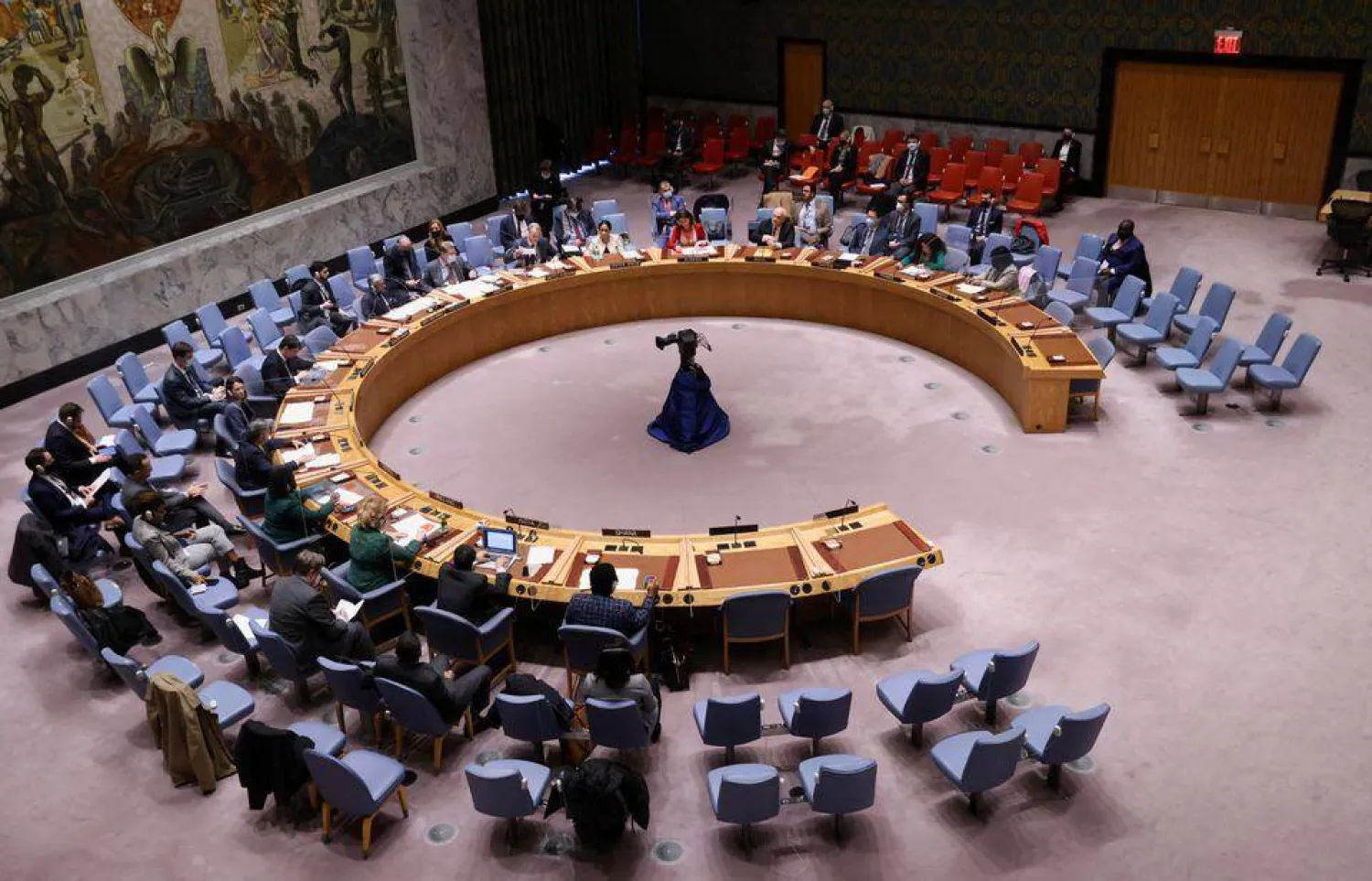
Voronkov told the UN Security Council that in West Africa and the Sahel, a broad region cutting across the continent, the situation has deteriorated “and is becoming more complex,” as local ethnic and regional disputes cross with the agenda and operations of the extremist group and its affiliates.
ISIS affiliates continued to operate with increasingly more autonomy from the ISIS core,” he said, warning that if this trend persists there is a risk “that a vast area of instability may emerge from Mali to the borders of Nigeria.”
Natalia Gherman, executive director of the UN Counter-Terrorism Committee Executive Directorate, said: “They are exploiting the political instability and expanding their radius of influence, their operations and territorial control in the Sahel, with growing concerns for coastal West Africa.”
“The African continent now accounts for almost half of terrorist acts worldwide, with central Sahel accounting for about 25% of such attacks,” she told the council.
Voronkov, who heads the UN Office of Counter-Terrorism, said countering the threat of terrorism in Africa remains a priority for his office.
Gherman said that “enduring challenges persist in the Middle East and Southeast and Central Asia,” with indications that ISIS “is attempting to resurge in those sub-regions as well.”
ISIS broke away from al-Qaeda over a decade ago and attracted supporters from around the world. Despite its defeat in Iraq in 2017 and in Syria two years later, UN experts said last month that there are still between 3,000 and 5,000 fighters. In Iraq, they are carrying out “a low-intensity insurgency with covert terrorist cells” while in Syria attacks have intensified since November, the experts said.
In positive developments, he pointed to the group’s prolonged delay in naming a new leader after the previous leader was killed, saying this “is assessed to reflect internal challenges and difficulties in ensuring the new leader’s security.”