Fading Literature: Delhi's Famed Urdu Bazaar on Last Legs

A student sits beneath packed shelves at the Hazrat Shah Waliullah public library - AFP
TT

Fading Literature: Delhi's Famed Urdu Bazaar on Last Legs

A student sits beneath packed shelves at the Hazrat Shah Waliullah public library - AFP

In the bustling heart of Old Delhi, Indian bookseller Mohammed Mahfooz Alam sits forlorn in his quiet store, among the last few selling literature in a language beloved by poets for centuries.

Urdu, spoken by many millions today, has a rich past that reflects how cultures melded to forge India's complex history.

But its literature has been subsumed by the cultural domination of Hindi, struggling against false perceptions that its elegant Perso-Arabic script makes it a foreign import and a language of Muslims in the Hindu-majority nation.

"There was a time when, in a year, we would see 100 books being published," said 52-year-old Alam, lamenting the loss of the language and its readership.
The narrow streets of Urdu Bazaar, in the shadow of the 400-year-old Jama Masjid mosque, were once the core of the city's Urdu literary community, a center of printing, publishing and writing.

Today, streets once crowded with Urdu bookstores abuzz with scholars debating literature are now thick with the aroma of sizzling kebabs from the restaurants that have replaced them.

Only half a dozen bookstores are left.

"Now, there are no takers," Alam said, waving at the streets outside. "It is now a food market."

- Dying 'day by day' -

Urdu, one of the 22 languages enshrined under India's constitution, is the mother tongue of at least 50 million people in the world's most populous country. Millions more speak it, as well as in neighbouring Pakistan.

But while Urdu is largely understood by speakers of India's most popular language Hindi, their scripts are entirely different.

Alam says he can see Urdu literature dying "day by day".

The Maktaba Jamia bookshop he manages opened a century ago. Alam took over its running this year driven by his love for the language.

"I have been sitting since morning, and barely four people have come," he said gloomily. "And even those were college or school-going children who want their study books."

Urdu, sharing Hindi's roots and mingled with words from Persian and Arabic, emerged as a hybrid speech between those who came to India through trade and conquest -- and the people they settled down amongst.

But Urdu has faced challenges in being viewed as connected to Islamic culture, a popular perception that has grown since the Hindu-nationalist Bharatiya Janata Party (BJP) of Prime Minister Narendra Modi took power in 2014.

- 'Feel the beauty' -

For centuries, Urdu was a key language of governance.

Sellers first set up stores in the Urdu Bazaar in the 1920s, selling stacks of books from literature to religion, politics and history -- as well as texts in Arabic and Persian.

By the 1980s, more lucrative fast-food restaurants slowly moved in, but the trade dropped dramatically in the past decade, with more than a dozen bookshops shutting down.

"With the advent of the internet, everything became easily available on the mobile phone," said Sikander Mirza Changezi, who co-founded a library to promote Urdu in Old Delhi in 1993.

"People started thinking buying books is useless, and this hit the income of booksellers and publishers, and they switched to other businesses."

The Hazrat Shah Waliullah Public Library, which Changezi helped create, houses thousands of books including rare manuscripts and dictionaries.

It is aimed at promoting the Urdu language.

Student Adeeba Tanveer, 27, who has a masters degree in Urdu, said the library provided a space for those wanting to learn.

"The love for Urdu is slowly coming back," Tanveer told AFP, adding that her non-Muslim friends were also keen to learn.

"It is such a beautiful language," she said. "You feel the beauty when you speak it."


Syrian Culture Minister Applauds Saudi Pavilion at Damascus Book Fair

The 2026 Damascus International Book Fair is held from February 6 to 16 - SPA
TT

Syrian Culture Minister Applauds Saudi Pavilion at Damascus Book Fair

The 2026 Damascus International Book Fair is held from February 6 to 16 - SPA

Syrian Minister of Culture Mohammed Yassin Saleh visited the Kingdom’s pavilion at the 2026 Damascus International Book Fair, held from February 6 to 16, where the Kingdom is serving as the Guest of Honor.

He commended the efforts of the Literature, Publishing and Translation Commission in showcasing the rich diversity of the Saudi cultural and literary scene. The pavilion features exhibitions of manuscripts, a Saudi fashion corner, and archaeological replicas, SPA reported.

The minister reviewed the commission's Tarjim translation initiative and Saudi literature comics.

This participation at the 2026 Damascus International Book Fair showcases Saudi creativity and fosters cultural dialogue, supporting Saudi Vision 2030’s goals of knowledge exchange and cultural leadership.


Saudi Arabia, Syria Underline Depth of their Cultural Ties

Syrian President al-Sharaa receives the Saudi minister of culture and the accompanying delegation at the Conference Palace in Damascus on Thursday. (SPA)
TT

Saudi Arabia, Syria Underline Depth of their Cultural Ties

Syrian President al-Sharaa receives the Saudi minister of culture and the accompanying delegation at the Conference Palace in Damascus on Thursday. (SPA)

Saudi Arabia and Syria underlined the strength of their cultural relationship during high-level meetings held in Damascus on Thursday, on the sidelines of the opening of the Damascus International Book Fair 2026, where the Kingdom is participating as guest of honor.

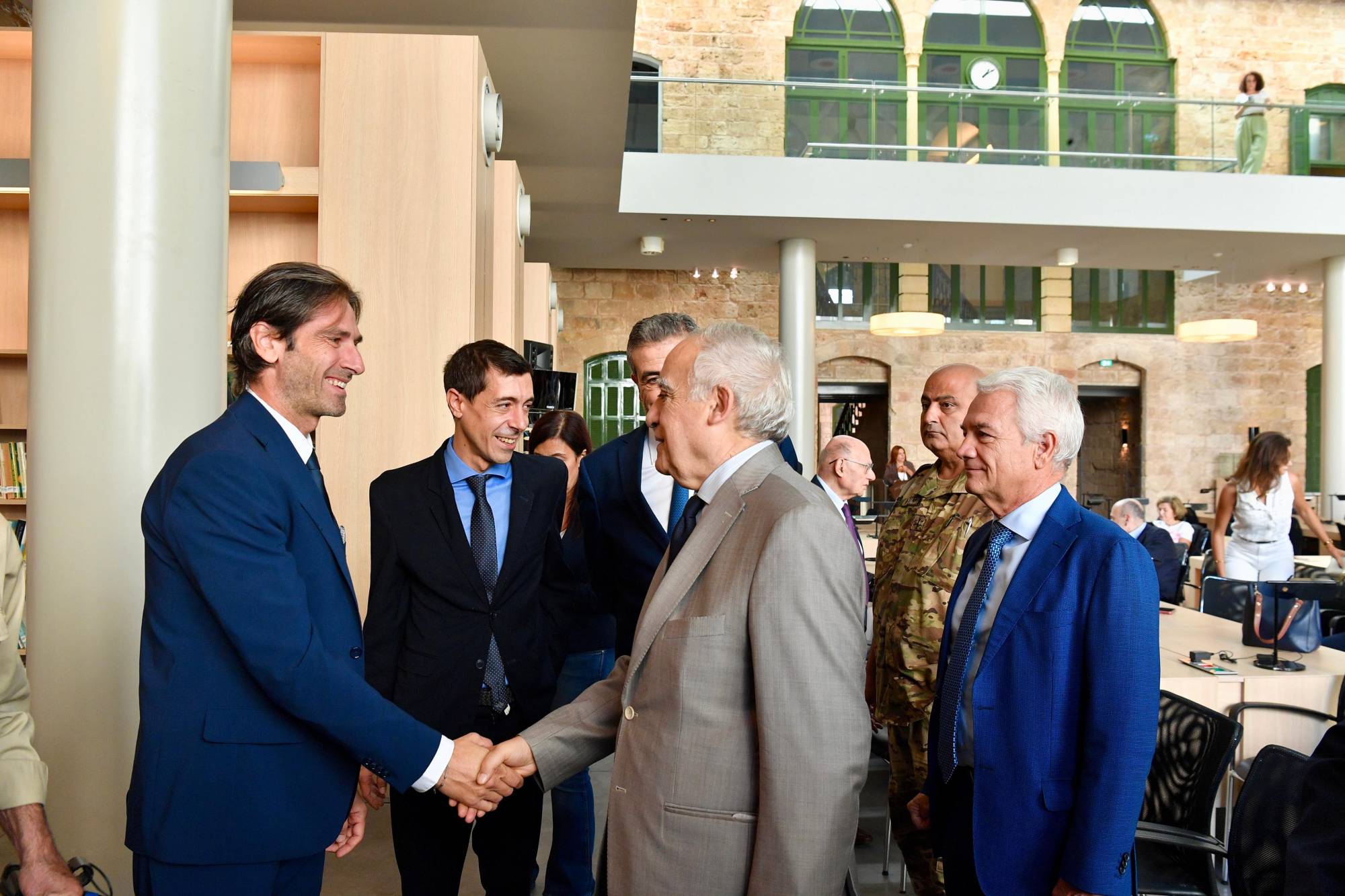
Syrian President Ahmad al-Sharaa received Saudi Minister of Culture Prince Badr bin Abdullah bin Farhan at the Conference Palace in the capital.

Earlier the same day, Prince Badr met with his Syrian counterpart, Minister of Culture Mohammad Yassin Saleh, during an official visit to attend the fair. T

he Saudi minister congratulated Syria on hosting the exhibition and expressed his wishes for continued prosperity, progress, and stability for the Syrian government and people.

Both meetings highlighted the depth of cultural relations between the two countries, the importance of expanding joint cultural cooperation across various fields, and the alignment of positions on issues of mutual interest in a way that serves both nations.

The Saudi delegation included senior officials and advisers, among them representatives from the Royal Court, the Ministry of Culture, and the King Abdulaziz Public Library, reflecting broad institutional engagement in the visit.

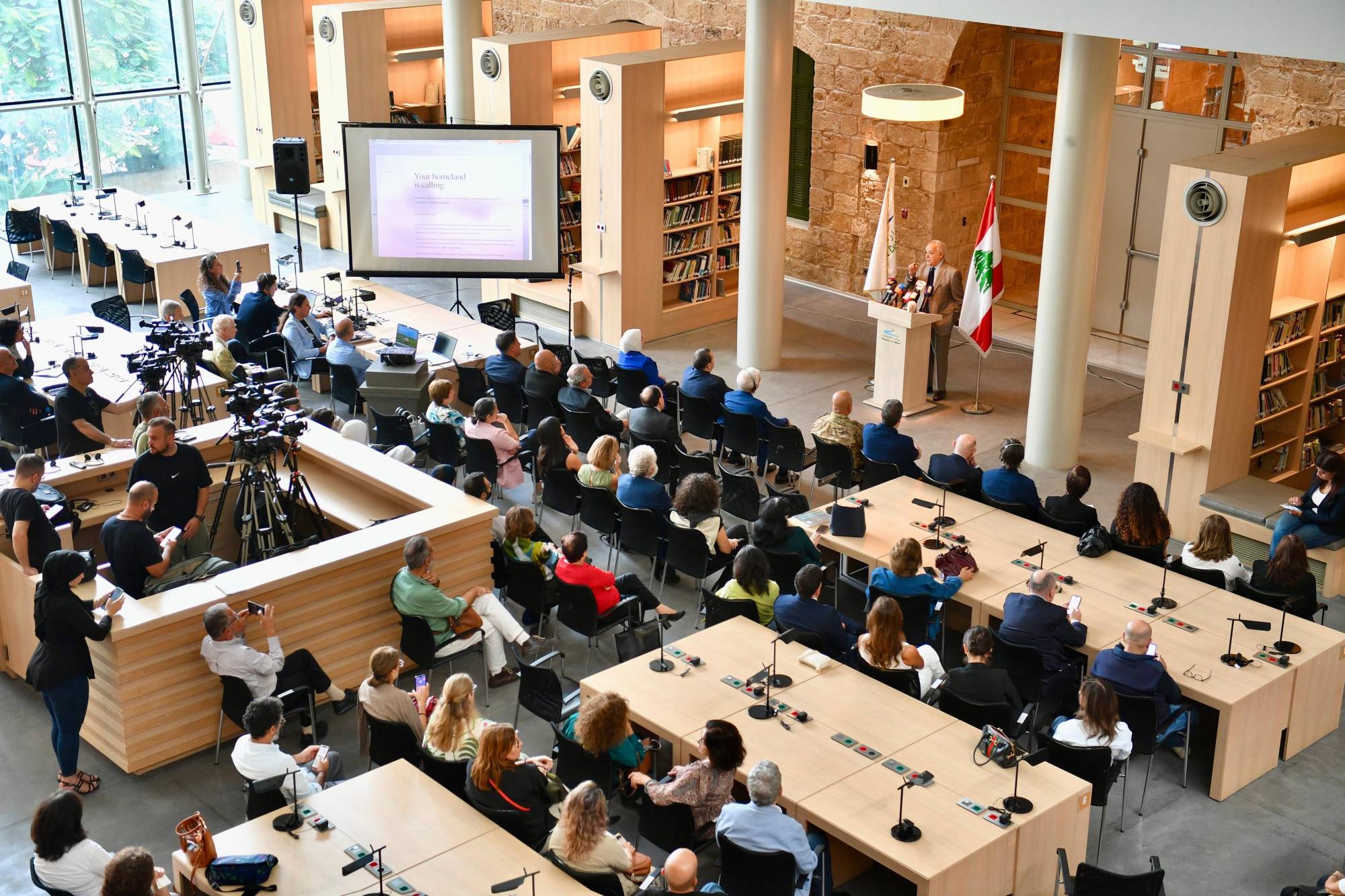
In the evening, Prince Badr attended the opening ceremony of the fair’s special session, held under the patronage and in the presence of al-Sharaa. The event drew wide official and cultural participation, including Arab ministers, political and intellectual figures, and a distinguished group of writers and cultural figures.

In a post on the X platform, Prince Badr thanked “our brothers in Syria for their generous hospitality and their efforts in organizing the Damascus International Book Fair.”

The minister also inaugurated the Kingdom’s pavilion at the fair in the presence of the Syrian minister of culture and the Qatari minister of culture.

Saudi Arabia’s guest-of-honor participation continues until Feb. 16 and reflects its growing prominence and leadership in the Arab and global cultural landscape.

This participation aligns with Saudi Vision 2030, which places culture at the heart of national development, viewing it as a space for dialogue, a bridge for civilizational communication, and a tool for strengthening ties among Arab peoples.

The Saudi Literature, Publishing and Translation Commission is leading the Kingdom’s participation, highlighting the development of the cultural sector and reaffirming the central role of books as carriers of knowledge and awareness.

The Saudi pavilion boasts a comprehensive cultural program featuring intellectual seminars, poetry evenings, a manuscript exhibition, traditional Saudi fashion displays, hospitality corners, archaeological replicas, and performing arts that express the depth of the Kingdom’s cultural heritage.

On the sidelines of the visit, Prince Badr, accompanied by Minister Saleh, toured the National Museum of Damascus, which houses rare artifacts spanning prehistoric eras, ancient Syrian civilizations, classical and Islamic periods, as well as traditional and modern art.


UNESCO Honors Al-Bisht Al-Hasawi as Thousands Flock to Al-Ahsa Festival

Visitors can explore interactive displays, participate in live workshops, and witness the meticulous process of tailoring this iconic symbol of prestige - SPA
TT

UNESCO Honors Al-Bisht Al-Hasawi as Thousands Flock to Al-Ahsa Festival

Visitors can explore interactive displays, participate in live workshops, and witness the meticulous process of tailoring this iconic symbol of prestige - SPA

The third edition of Al-Bisht Al-Hasawi Festival is drawing thousands of regional and international visitors to Ibrahim Palace in historic Al-Hofuf.

Organized by the Heritage Commission, this year’s festival celebrates the inscription of the Bisht on UNESCO’s Representative List of the Intangible Cultural Heritage of Humanity.

The event showcases Al-Ahsa’s centuries-old tradition of hand-weaving and gold embroidery, a craft passed down through generations of local families, SPA reported.

Visitors can explore interactive displays, participate in live workshops, and witness the meticulous process of tailoring this iconic symbol of prestige.

With UNESCO's participation and representatives from six countries, the festival has evolved into a global platform for cultural dialogue, cementing the Bisht’s status as a world-class cultural treasure.