Since the outbreak of conflict in the Middle East, Iraqi factions aligned with Tehran have placed US interests squarely in their sights, repeatedly targeting bases hosting international forces, diplomatic missions and key oil infrastructure.
Designated as terrorist organizations by Washington, these groups had issued early warnings that the confrontation would evolve into a prolonged “war of attrition.”
Interlocking Axes
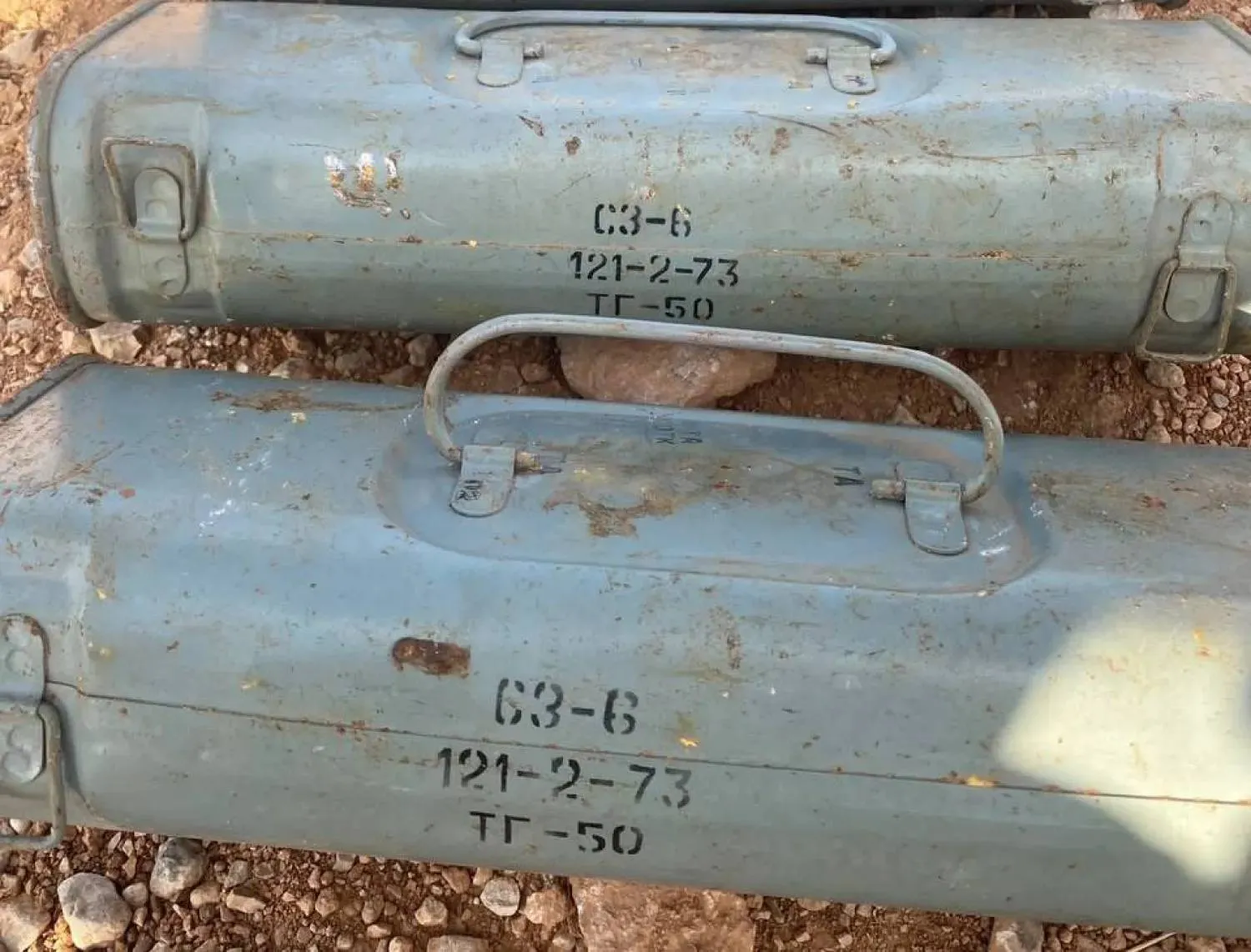
In a statement underscoring domestic production, Harakat al-Nujaba said the manufacture of drones and missiles within the so-called Axis of Resistance had become “as commonplace as making sweets in Iraqi homes.”
The factions operate under a loose umbrella known as the Islamic Resistance in Iraq, which regularly claims drone and rocket attacks against what it describes as hostile targets inside Iraq and across the region.
They form a core part of Iran’s Axis of Resistance, alongside Hezbollah in Lebanon, Hamas in Gaza and the Houthis in Yemen. Iraqi factions also pledged full support for Iran following the Israeli–US strike on Feb. 28.
Military and Political Landscape
Several actors shape the current landscape. Kataib Hezbollah is widely seen as the spearhead of attacks on US interests and has lost several commanders in past strikes. It has also developed a political role by backing a parliamentary bloc with six seats.
Kataib Sayyid al-Shuhada, led by Abu Alaa al-Walaei, is represented within the Coordination Framework, the ruling Shiite alliance with a parliamentary majority. Harakat al-Nujaba, by contrast, rejects political participation, favoring a purely military approach.
Asaib Ahl al-Haq has so far avoided direct involvement in the current fighting, focusing instead on political influence through its 27-seat bloc. It is widely seen as gradually distancing itself from its armed role.
Strategy of Attrition
Attacks have extended beyond the US Embassy in Baghdad and its airport facilities to include oil fields operated by foreign companies and sites in the Kurdistan Region, which hosts a major US consulate and military forces. The impact has also spread beyond Iraq, with Kuwait previously summoning the Iraqi ambassador after strikes hit its territory.
Lahib Higel of the International Crisis Group said the factions’ involvement reflects an “existential battle” for Iran, describing them as a last line of defense. Despite their use of drones and short-range missiles, she said Tehran continues to withhold heavier weapons compared with those supplied to Hezbollah or the Houthis. The ultimate aim, she added, is to expel US forces from Iraq.
Wave of Assassinations
The United States and Israel have responded with precision strikes. Early in the conflict, airstrikes targeted Kataib Hezbollah strongholds in Jurf al-Sakhr, south of Baghdad, as well as sites linked to the Popular Mobilization Forces.
According to Agence France-Presse, at least 43 fighters from these groups have been killed since the start of operations. The escalation peaked last Saturday when a missile struck a house in central Baghdad, killing three Kataib Hezbollah members, including a senior commander, and wounding the group’s leader, Abu Hussein al-Hamidawi.
An Iraqi security official said the wave of assassinations that began during the Gaza war in 2023 has now moved openly into Iraq, signaling a new phase of intensified confrontation.