

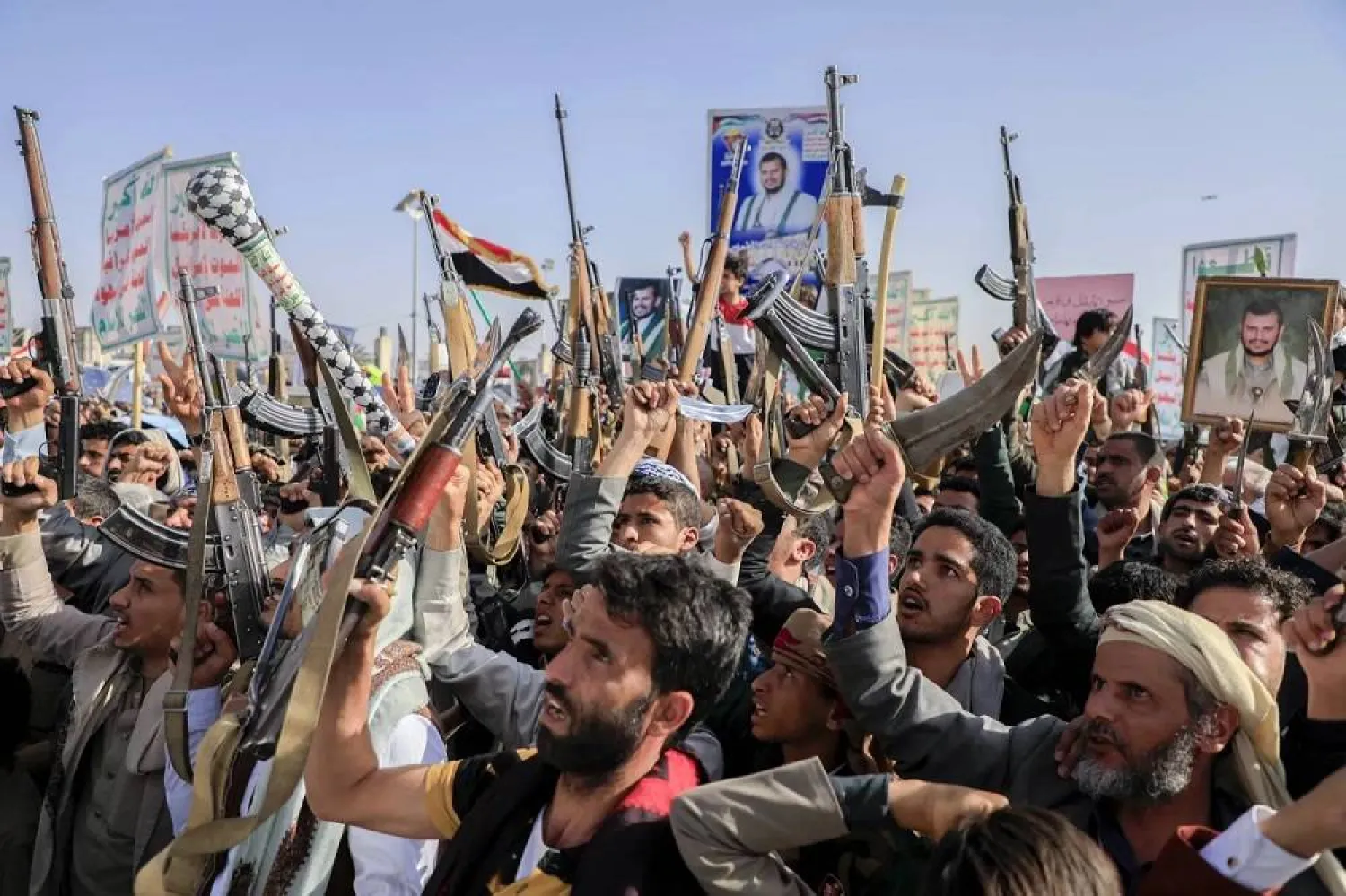

US Houthi Terror Designation Takes Effect, Welcomed by Yemen Govt, Raises UN Concern

The government has fully endorsed the US designation, describing it as an “effective tool to curb material and financial support” for the Houthis. (AP)
TT

US Houthi Terror Designation Takes Effect, Welcomed by Yemen Govt, Raises UN Concern

The government has fully endorsed the US designation, describing it as an “effective tool to curb material and financial support” for the Houthis. (AP)

The US State Department’s designation of Yemen’s Houthi militias as a “foreign terrorist organization” has been welcomed by the legitimate Yemeni government, but has triggered UN concerns over its impact on humanitarian access, with the international body calling for “guarantees.”

While Yemeni reports suggest the designation could economically strangle the Iran-backed Houthis, fears are mounting that the move may push them to derail the fragile truce, resume the war against the government, and escalate attacks on shipping in the Red Sea and Gulf of Aden.

The government has fully endorsed the US designation, describing it as an “effective tool to curb material and financial support” for the Houthis.

It renewed its call for the international community to take similar steps to dry up the militias' funding, arms supplies, and to strengthen efforts aimed at restoring stability and peace in Yemen.

In a statement, Yemen’s Foreign Ministry stressed that the country has long suffered from the ravages of war and Iranian interference.

It called the US designation a reinforcement of its partnership with the United States and its allies in the fight against terrorism, hoping it will help curb activities that threaten the security of its citizens, the region, and global maritime trade.

The statement also affirmed Yemen's readiness to cooperate fully with international partners to ensure the effective implementation of the designation, aiming to serve the interests of the Yemeni people and promote peace and security in the region.

Amid concerns over the impact of the US designation on humanitarian efforts in Houthi-controlled areas, UN Secretary-General spokesperson Stephane Dujarric called for US guarantees.

During a press briefing, he emphasized that the designation should be accompanied by “appropriate assurances” to ensure effective humanitarian aid delivery and to allow civilians access to essential goods and services.

Dujarric also highlighted the UN’s focus on humanitarian response in Yemen, where nearly 19 million people require life-saving assistance, and 17 million are at risk of famine.

He stressed the importance of maintaining the role of the private sector in securing basic needs.

Dujarric cautioned that any disruption in the flow of commercial goods and humanitarian aid could have catastrophic consequences, particularly in a country that relies on imports for around 90% of its food supply.
Syrian President Meets Kurdish National Council Delegation, Reaffirms Commitment to Kurdish Rights

Syrian President Ahmed al-Sharaa meets with a delegation from the Kurdish National Council on Tuesday (Syrian Presidency)
TT

Syrian President Meets Kurdish National Council Delegation, Reaffirms Commitment to Kurdish Rights

Syrian President Ahmed al-Sharaa meets with a delegation from the Kurdish National Council on Tuesday (Syrian Presidency)

Syrian President Ahmed al-Sharaa on Tuesday received a delegation from the Kurdish National Council, reaffirming the state’s commitment to guaranteeing the rights of Kurds within the framework of the constitution, according to a statement issued by the presidency.

The meeting follows the issuance of Decree No. 13 on December 16, which affirmed that Syrian Kurds are an integral and authentic part of the Syrian people, and that their cultural and linguistic identity constitutes an inseparable part of Syria’s diverse and unified national identity.

Founded in October 2011, the Kurdish National Council is a Syrian political coalition representing a broad spectrum of Kurdish parties and political forces.

The delegation welcomed Decree No. 13, describing it as an important step toward strengthening rights and safeguarding Kurdish cultural and social identity.

Speaking to Asharq Al-Awsat, Shalal Kaddo, head of the Kurdish Centrist Party in Syria and a member of the Council’s general secretariat, said the visit came in response to an official invitation from the Syrian Foreign Ministry.

He explained that the talks aim to hold bilateral meetings with senior Syrian officials, foremost among them al-Sharaa.

Kaddo said the Council has repeatedly emphasized that Decree No. 13 represents a positive step that can be built upon and developed, ultimately to be incorporated into Syria’s permanent constitution in a way that guarantees the national, political, and cultural rights of Syrian Kurds within a unified and democratic Syria.

He added that recent meetings reflected the Council’s growing political presence and its central role in representing the Kurdish cause on the national stage.

Discussions also stressed the need for constitutional recognition of the Kurdish people as genuine partners in Syria, as well as opening a serious political dialogue that places the Kurdish issue in its proper context as a just national cause that cannot be ignored in any future political settlement.

Separately, Abdulaziz Tamo, head of the Association of Independent Syrian Kurds, expressed disappointment that his organization was not invited to meetings in Damascus, despite what he described as its prominent role within the Syrian opposition and revolutionary movement.

He said the Association had been the only Kurdish political body to participate fully in the revolutionary and opposition forces and to openly support recent military operations that led to the liberation of Syrian cities, from Aleppo to Damascus.


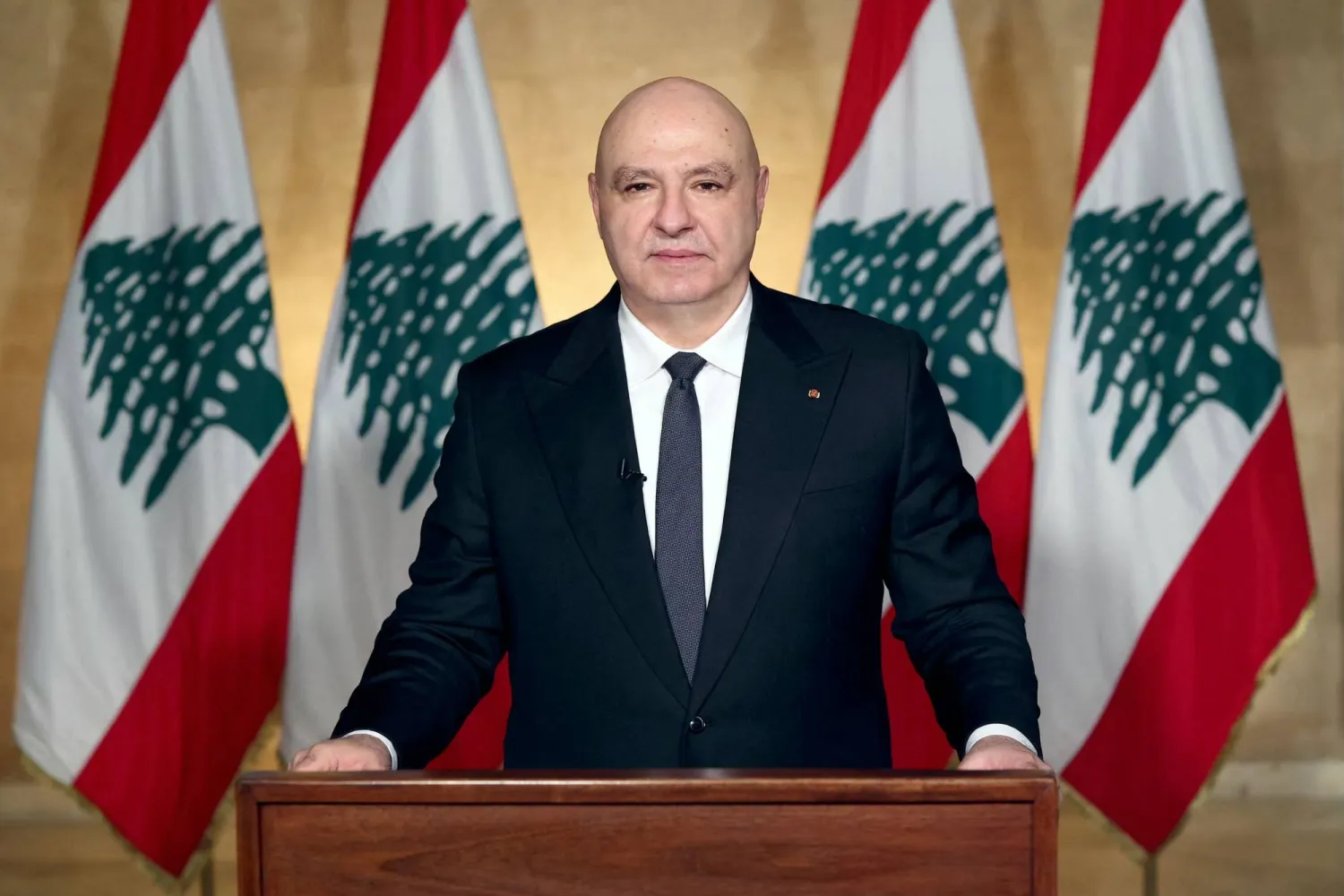
Aoun Calls for Rationally Implementing Lebanon's Commitments as Hezbollah Eases Rhetoric

Lebanese President Joseph Aoun meets with members of the Sovereignty Front. (Lebanese Presidency)
TT

Aoun Calls for Rationally Implementing Lebanon's Commitments as Hezbollah Eases Rhetoric

Lebanese President Joseph Aoun meets with members of the Sovereignty Front. (Lebanese Presidency)

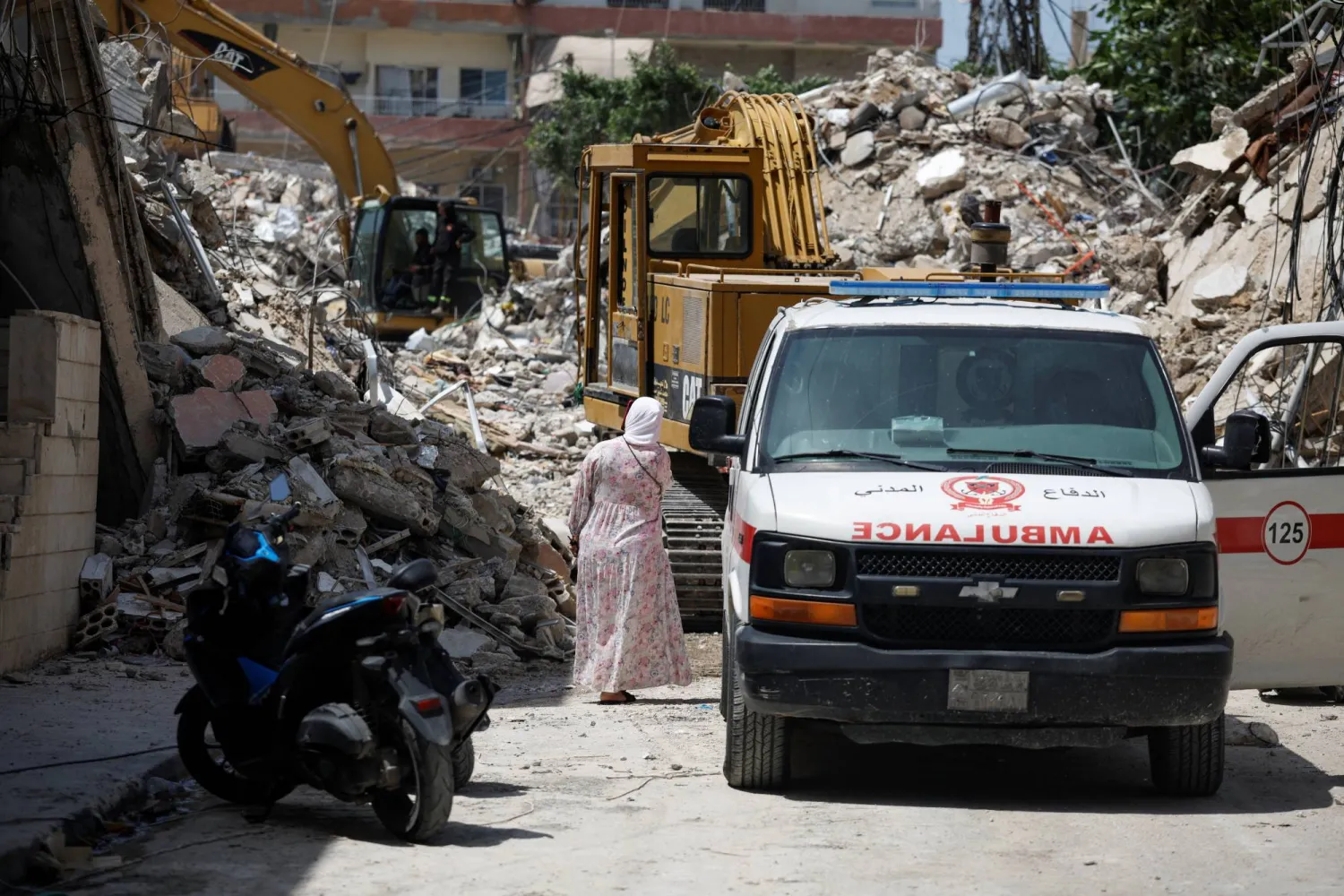
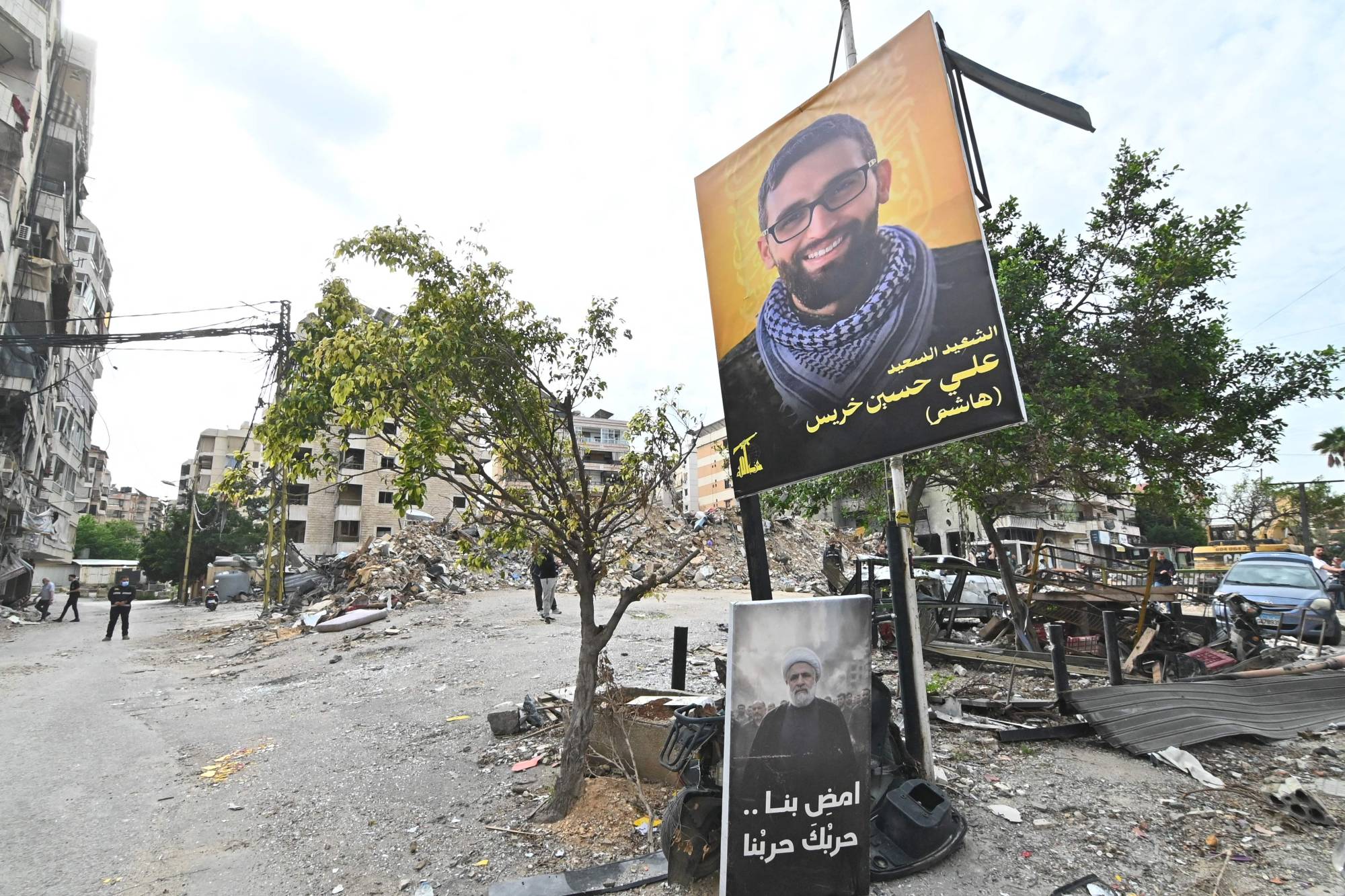
Hezbollah has softened its confrontational tone toward Lebanon’s president and government, without showing clear flexibility on the issue of the state's decision to impose monopoly over arms.

Hezbollah Secretary-General Sheikh Naim Qassem said the party is ready “to discuss how to confront the enemy [Israel] with those who believe in resistance,” while reaffirming its ability to “inflict pain on the enemy” in any potential future confrontation.

His made his remarks as Lebanese President Joseph Aoun reiterated that there will be “no turning back from extending the authority of the law and implementing monopoly over weapons,” stressing that the process would be carried out “with rationality, realism, and responsibility.”

This marks Hezbollah’s first adjustment in tone since it launched a political campaign against the government’s decision to move forward with enforcing the state’s monopoly on arms, including the second phase of the plan that covers regions north of the Litani River.

The Iran-backed party had in recent weeks intensified its criticism of Aoun and the government over the disarmament plan even as Lebanese authorities were working to mobilize international support for the army ahead of a donor conference hosted by Paris on March 5.

Meanwhile, Lebanese Army Commander General Rodolphe Haykal was in the United States where he held talks at the Pentagon with senior military officials, including Chairman of the US Joint Chiefs of Staff General Dan Caine, and Acting Assistant Secretary of Defense for International Security Affairs and Acting Director of the Defense Security Cooperation Agency Daniel Zimmerman.

The discussions focus on military assistance programs and logistical support for the Lebanese army.

Commitment to pledges

On Tuesday, Aoun reiterated his insistence on implementing the weapons monopoly plan, telling a delegation from the Sovereignty Front that the process is being carried out with realism and restraint.

He said the return of international confidence in Lebanon and renewed foreign support are a natural result of efforts to rebuild the state on firm foundations, particularly by enforcing the rule of law and restricting arms to the state.

“These are two matters from which there can be no retreat, regardless of considerations,” Aoun stated, adding that he remains committed to the pledges made in his inaugural address, which received broad domestic and international backing and placed a heavy responsibility on him to remain faithful to them.

Aoun also stressed that he continues to work with all parties to prevent Lebanon from being dragged into a new war.

The Lebanese people, he said, can no longer endure further conflicts, while international conditions require a realistic approach to safeguarding the country and its citizens. He warned that any major danger would affect all Lebanese, not just one group.

Qassem

Despite Lebanon’s insistence on enforcing monopoly over weapons, Hezbollah appeared to step back from its earlier escalation.

Qassem said Lebanon is no longer required to take any further steps under the ceasefire agreement signed in November 2024, calling on the five-member monitoring committee to pressure Israel, rather than Lebanon, to implement the deal.

In a televised address on Tuesday, he said: “We are defending our land, our rights, and our existence against an enemy that wants to eliminate us.”

“When the enemy cannot target fighters, it targets civilians, homes, and municipalities. We must say ‘no’ to the enemy and refuse to surrender.”

Turning to the Lebanese authorities, he said: "Explain to delegations that you cannot pressure the people because they have offered countless martyrs and wounded for the nation."

Qassem said that demands have been made of Hezbollah, "while nothing has been demanded of Israel."

"To those threatening us that the enemy can hurt us, we say we too can harm the enemy, but everything will happen in its own time," he warned.


Libya Opens Investigation into Killing of Seif al-Islam Gadhafi

In this Feb. 25, 2011, file photo, Seif al-Islam al-Gadhafi speaks to the media at a press conference in a hotel in Tripoli, Libya. (AP)
TT

Libya Opens Investigation into Killing of Seif al-Islam Gadhafi

In this Feb. 25, 2011, file photo, Seif al-Islam al-Gadhafi speaks to the media at a press conference in a hotel in Tripoli, Libya. (AP)

Libyan prosecutors said Wednesday they were investigating the killing of Seif al-Islam al-Gadhafi, son of slain ruler Moammar Gadhafi, in the city of Zintan.

The public prosecutor's office said forensic experts had been dispatched to Zintan in northwest Libya, where he was shot dead, adding that efforts were underway to identify suspects.

"The victim died from wounds by gunfire," the office said in a statement, adding that investigators were looking to "speak to witnesses and anyone who may be able to shed light on the incident".

A lawyer of Seif al-Islam, Marcel Ceccaldi, told AFP he was killed by an unidentified "four-man commando" who stormed his house in Zintan on Tuesday.

Libya has struggled to recover from the chaos that erupted after a NATO-backed uprising in 2011 overthrew Moammar Gadhafi.

Libya remains divided between the Government of National Unity based in Tripoli and an eastern administration.

Neither authority has commented on Seif al-Islam's death.

The only public reaction came from Moussa al-Kouni, vice president of the Presidential Council representing the Fezzan region.

"No to political assassinations, no to achieving demands by force, and no to violence as a language or a means of expression," he wrote on X.
