


Trove of Artifacts Recovered from Black Market Goes on Display in Naples

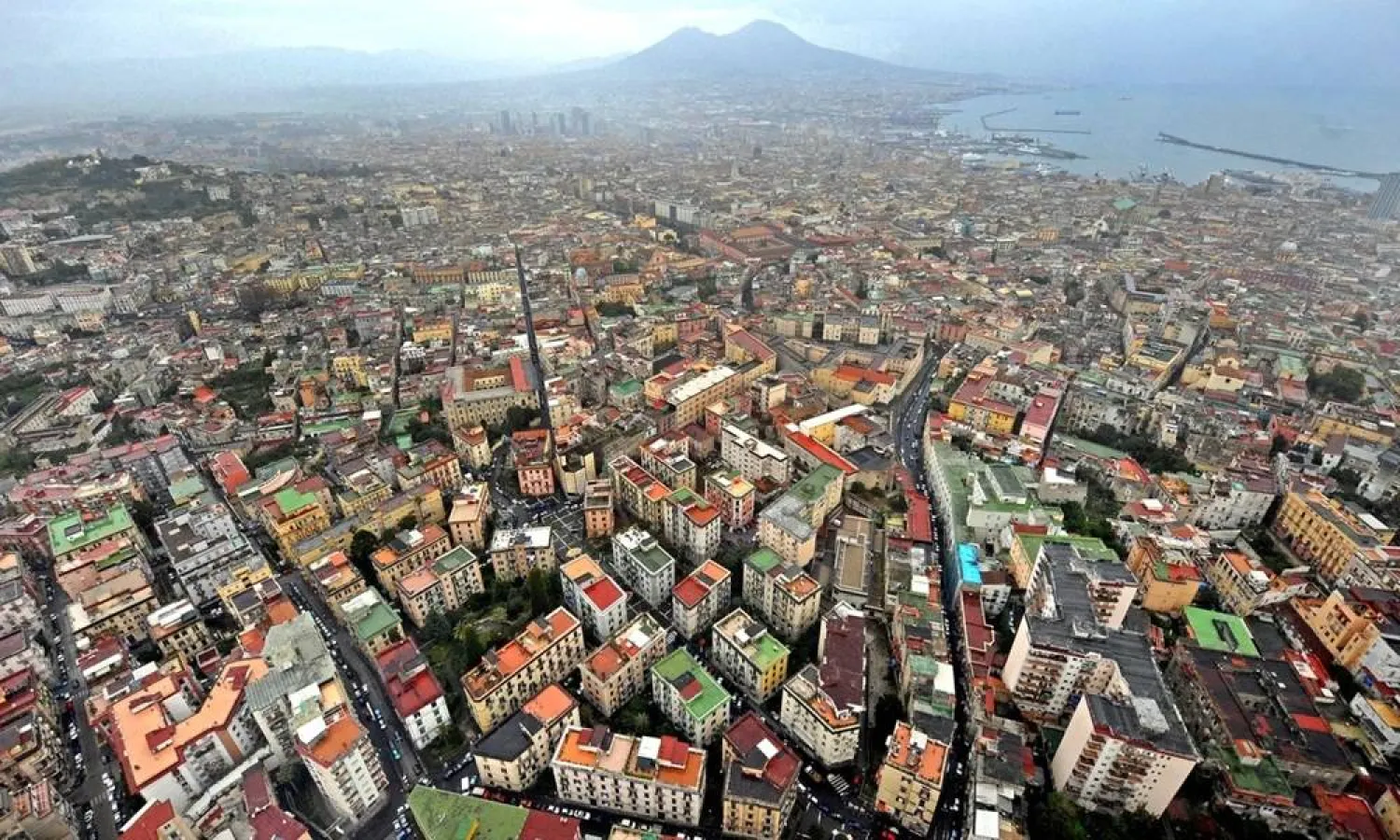
A view of Naples, Italy. (AFP/Getty Images)
TT

Trove of Artifacts Recovered from Black Market Goes on Display in Naples

A view of Naples, Italy. (AFP/Getty Images)

Hundreds of once-missing artifacts, hunted down over decades by a special police unit, have been unveiled for the first time in the National Archaeological Museum of Naples, in southern Italy.

In its vaults, the museum preserves 15,000 artifacts seized or confiscated from the black market over the years by a police unit focused on the protection of cultural heritage. It is the loot of raiders who for decades have targeted sites from classical antiquity in southern Italy, such as Pompeii and Herculaneum. Some even used underwater metal detectors, GPS, sonar and drones to extract treasures from the shipwrecks and archaeological sites submerged in the Mediterranean Sea.

From its repository, the museum selected 600 pieces to display for visitors. Among them is a statue that had been in an apartment building's courtyard since the early 20th century until its theft in the 1980s, and which was found in 2009.

There are artifacts from Pompeii that a French archaeologist bought from a local farmer in the 1990s for 50,000 lire (about $28 today). There are also ancient ceramics, coins, bronzes, marbles, pottery, furnishings, weapons and armor dating from the Archaic Period (approximately 650 to 480 BC) to the Middle Ages.

“It is a beautiful exhibition that tells a beautiful story, a story also of redemption for our stolen archaeological artifacts, which often find their way into private property or even international museums,” Massimo Osanna, the head of national museums at Italy’s culture ministry, who helped curate the exhibition, said in an interview. “Thanks to the work of the public prosecutor’s office and the police, together with the ministry, (these artifacts) are finally coming home and to light.”

In 2023, the latest year for which there are complete records, the police unit recovered over 100,000 artifacts which it estimates are worth a total 264 million euros ($299 million).



Royal Order Issued on Establishment of Riyadh University of Arts

Custodian of the Two Holy Mosques King Salman bin Abdulaziz. SPA
TT

Royal Order Issued on Establishment of Riyadh University of Arts

Custodian of the Two Holy Mosques King Salman bin Abdulaziz. SPA

A royal order has been issued approving the establishment of the Riyadh University of Arts, an independent educational institution headquartered in Riyadh under the supervision of the Ministry of Culture.

With legal personality and financial and administrative autonomy, the university is dedicated to specialized education in culture and the arts, aiming to cultivate national talent across creative disciplines through advanced academic programs aligned with global best practices and the objectives of Saudi Vision 2030.

The royal order authorizes the Minister of Culture to exercise the powers of the Board of Trustees until it is formally established, ensuring the swift completion of organizational procedures to begin operations.

To enhance its academic mission, the university will seek partnerships with prestigious international institutions to exchange expertise and develop high-level educational programs.

This initiative underscores the leadership's commitment to bolstering the Kingdom’s position as a regional cultural hub and fostering the growth of its creative industries.


Riyadh’s Markets Thrive as Men Prepare Traditional Attire for Eid Al-Fitr

Riyadh’s markets are experiencing a significant surge in activity - SPA
TT

Riyadh’s Markets Thrive as Men Prepare Traditional Attire for Eid Al-Fitr

Riyadh’s markets are experiencing a significant surge in activity - SPA

In preparation for Eid Al-Fitr, Riyadh’s markets are experiencing a significant surge in activity as men follow the Prophetic tradition of adorning themselves for the holiday, creating high demand for new thobes, bishts, and high-quality perfumes such as oud oil and incense, while tailoring shops and specialty retailers work at peak capacity to meet the community’s needs before the Eid morning celebrations, SPA reported.

The classic white thobe remains the most popular choice for Eid morning, often paired with a shemagh and a white bisht to symbolize cultural identity and elegance.

Beyond appearance, these preparations reflect deep-rooted social and religious values, emphasizing gratitude, family visits, and the strengthening of communal ties.


Prince Mohammed bin Salman Project Restores Al-Fuwaihi Mosque in Sakaka

The restoration expanded the mosque’s area from 72.33 to 93.98 square meters - SPA
TT

Prince Mohammed bin Salman Project Restores Al-Fuwaihi Mosque in Sakaka

The restoration expanded the mosque’s area from 72.33 to 93.98 square meters - SPA

As part of the Prince Mohammed bin Salman Project for the Development of Historical Mosques, Al-Fuwaihi Mosque in Sakaka, originally built in 1380 AH (1960) and commissioned by Shaman Al-Fuwaihi, has undergone a comprehensive restoration to preserve its architectural and cultural identity while serving as a vital link to the urban and social history of Al-Jouf Region, SPA reported.

The restoration expanded the mosque’s area from 72.33 to 93.98 square meters, yet maintained its original capacity of 28 worshippers.

Supervised by Saudi engineers and executed by specialized heritage firms, the project successfully balanced traditional standards with modern technology.

This initiative aligns with Vision 2030 by rehabilitating historic sites for prayer, highlighting the Kingdom’s cultural heritage, and ensuring the long-term sustainability of these religious landmarks.